
Mold Remediation in Massapequa Park, NY
South Shore Homes Hide Mold. We Find Every Bit of It.
Hear from Our Customers
Basement Mold Remediation Nassau County
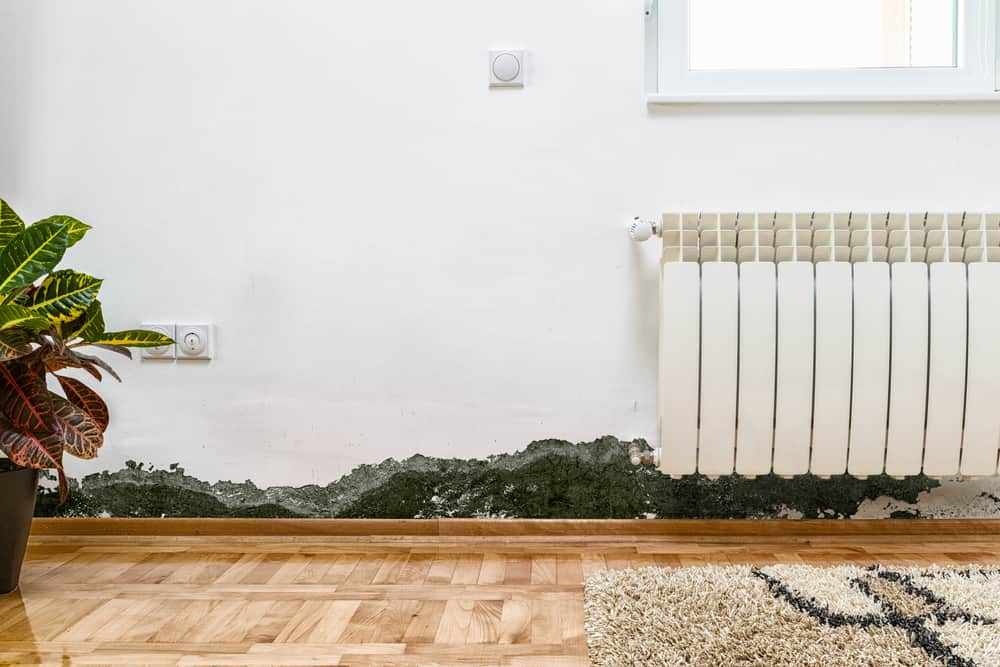
If your basement has flooded even once and you’ve noticed a musty smell that won’t go away, the mold is probably already there. You just can’t see it yet. In Massapequa Park, where most homes were built in the 1940s and sit on a naturally shallow water table, that smell isn’t a fluke. It’s a pattern. The South Shore’s coastal humidity, the proximity to the Massapequa Preserve’s wetlands, and decades-old construction that was never built with modern moisture barriers all of it adds up to conditions that make mold a recurring reality for homeowners here, not a one-time emergency.
When we complete mold remediation the right way, you stop reacting and start breathing easier literally. The air in your home improves. That low-level concern you’ve been carrying around about what might be behind the walls goes away because you have lab results that tell you exactly what was there and exactly what we’ve done about it. For families in Massapequa Park with kids in the school district, that peace of mind isn’t a luxury it’s the whole point.
There’s also the property side of it. With median home values approaching $661,000 in this village, mold discovered during a home inspection doesn’t just delay a sale it can kill it entirely or knock tens of thousands off your asking price. Documented, certified remediation protects that investment and gives you something concrete to show a buyer, an insurer, or an attorney if it ever comes to that.
Certified Mold Remediation Companies Massapequa Park
We’ve been serving Nassau County homeowners for close to three decades. That means we were here when Hurricane Sandy hit the South Shore in 2012 and Massapequa Park saw more than 20 water rescues in a single night. We know what Long Island storms do to Long Island homes not from a manual, but from nearly 30 years of hands-on restoration work in communities exactly like this one.
What sets us apart isn’t just longevity. Every individual technician holds IICRC certification not our company at an organizational level, but the actual person walking through your door. That distinction matters more than most homeowners realize. A company can claim certification while sending undertrained crews to do the work. We don’t operate that way.
We also handle the full job mold remediation through to reconstruction so you’re not left coordinating a second contractor to put your home back together after the mold is gone. One company, one point of contact, from the first inspection to the final clearance test.
Professional Mold Remediation Process Massapequa Park
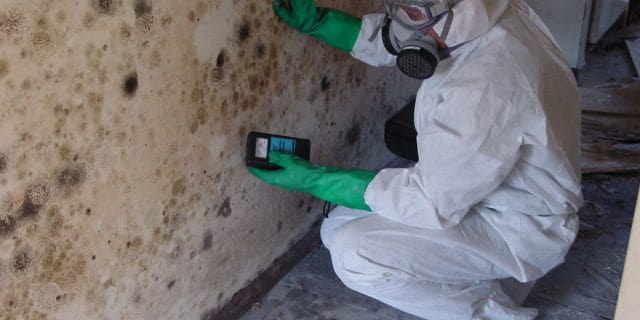
It starts with a 13-point mold inspection not a visual walk-through with a verbal opinion, but a documented assessment that includes air testing, swab sampling, infrared imaging to find moisture and mold hiding behind walls and under floors, and moisture level readings throughout the structure. For Massapequa Park’s older cape cod and ranch-style homes, that infrared step is especially important. Mold in these homes tends to hide inside uninsulated crawl spaces, behind original plaster walls, and in attic spaces that haven’t been properly ventilated in decades. Lab results come back within 2 to 3 business days, and everything is documented in a written report you can actually use.
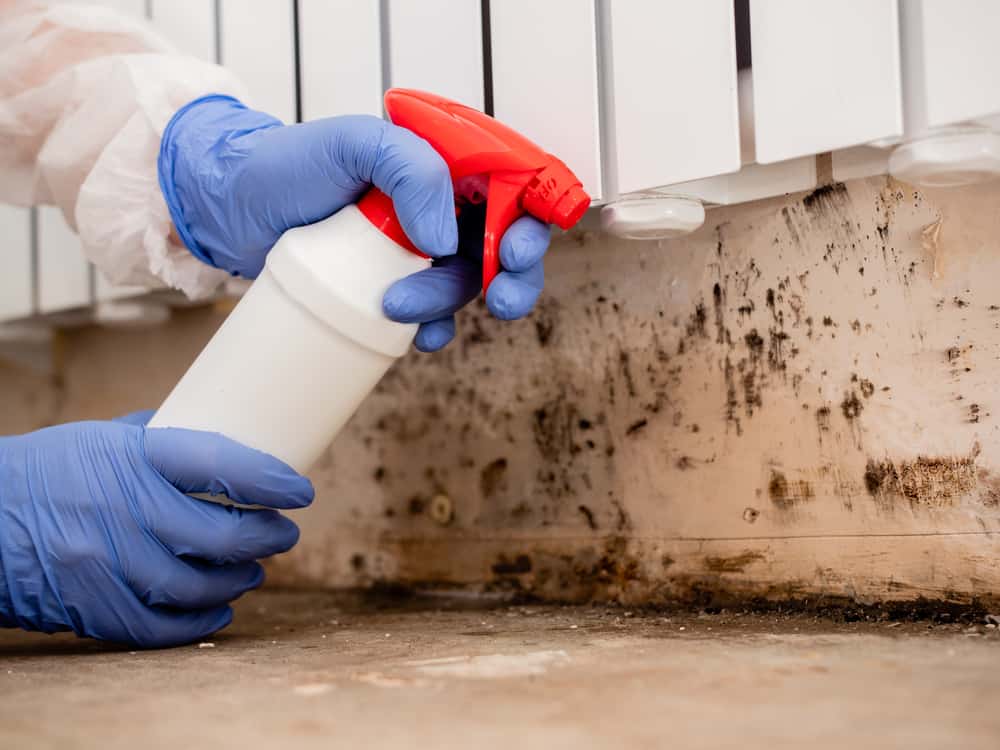
Once the assessment is complete and the scope of work is clear, remediation begins. We set up containment first to prevent spores from spreading to unaffected areas of your home. Contaminated materials drywall, insulation, structural wood are removed safely and disposed of properly. We treat affected surfaces, run air scrubbers throughout the process, and dry the space down to confirmed safe moisture levels.
Here’s what separates a real remediation from a surface-level cleanup: the job isn’t finished until post-remediation clearance testing confirms the mold is gone. That’s not a formality it’s the only way to know the work actually held. And because Massapequa Park is an incorporated village with its own building department, any structural repairs that follow remediation may require a village permit. We navigate that process so you don’t have to figure it out on your own.
Ready to get started?
Black Mold Remediation Services Massapequa Park NY
Mold remediation in Massapequa Park, NY isn’t a single task it’s a sequence of steps that have to happen in the right order for the result to last. The inspection comes first, with lab-backed documentation. Then containment, removal, surface treatment, and air filtration. Then clearance testing to verify the result. Then, if materials were removed, reconstruction to bring the space back to livable condition. We handle all of it.
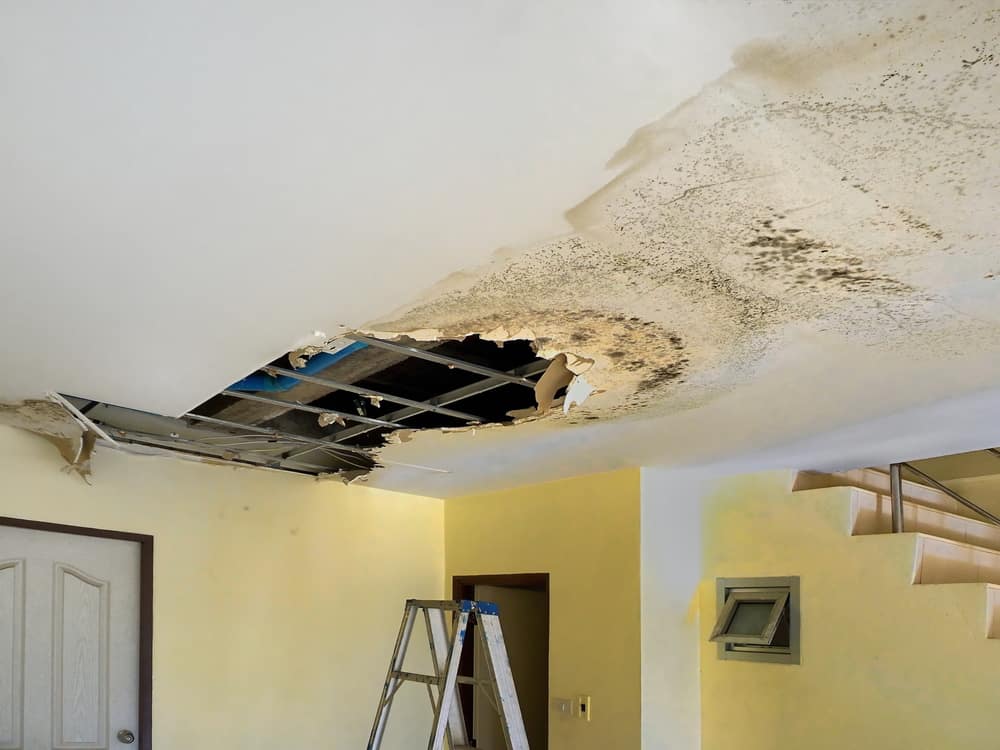
Basement mold remediation is the most common call we get from Massapequa Park homeowners and for good reason. The South Shore water table is shallow, the storm history here is real, and a lot of homes in this ZIP code have had water in the basement more times than their owners can count. Crawl space mold remediation is a close second, particularly in the area’s older cape cod homes where those spaces are unfinished, uninsulated, and rarely inspected. Attic mold remediation rounds out the picture inadequate ventilation in post-war construction creates the warm, humid conditions that accelerate mold growth on roof sheathing and rafters, often without the homeowner ever knowing it’s there.
New York State law requires that the company performing mold assessment and the company performing mold remediation be separate entities a consumer protection measure designed specifically to prevent the “free inspection, expensive remediation” setup. We comply fully with that law and will walk you through how it works on the first call. We also coordinate directly with insurance carriers, which matters when you’re trying to figure out what your homeowners policy actually covers and what documentation your adjuster needs to approve the claim.
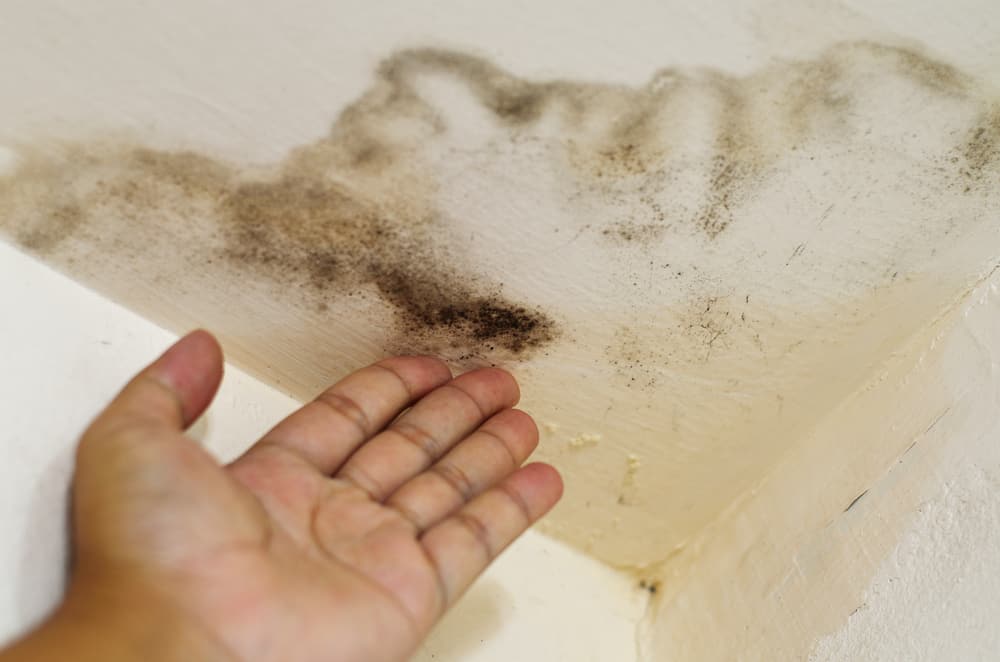
How do I know if my Massapequa Park home actually has a mold problem?
The most common signs are a persistent musty smell especially in the basement or crawl space visible discoloration on walls or ceilings, or a history of water intrusion that was never fully dried out. In Massapequa Park, a lot of homeowners have experienced at least one of those things, particularly if their home flooded during Hurricane Sandy or in any of the nor’easters since. The problem is that mold in older homes often grows in places you never look: inside wall cavities, underneath original hardwood floors, on the back side of drywall, or on the structural wood in a crawl space that hasn’t been opened in years.
A proper mold inspection one that includes air testing, swab sampling, and infrared imaging is the only way to know for certain what you’re dealing with and where it is. A visual walk-through alone won’t cut it for a home built in the 1940s. If you’ve had recurring basement moisture, a musty smell that comes and goes seasonally, or any unexplained respiratory symptoms in your household, it’s worth getting a documented assessment before assuming everything is fine.
What does mold remediation typically cost for a home in Nassau County?
The honest answer is that it depends on the scope where the mold is, how far it’s spread, and what materials need to be removed. For a contained area like a section of basement wall or a crawl space, remediation costs typically fall in the range of $2,300 to $3,754. Larger jobs involving multiple areas, significant structural material removal, or whole-house contamination can run anywhere from $10,000 to $30,000 or more.
For Massapequa Park homeowners specifically, it’s worth thinking about that number relative to your home’s value. With median home values around $661,000 in this village, the cost of remediation is a meaningful but manageable investment especially compared to what mold discovered during a home inspection can do to a sale price or a buyer’s willingness to proceed. The more important question isn’t just what it costs, but whether your homeowners insurance covers any of it. When mold results from a sudden, covered event like a burst pipe or storm flooding your policy may cover remediation. We can help you document the claim correctly and communicate with your adjuster.
What is the difference between mold remediation and mold removal?
Mold removal implies that mold can be completely eliminated from a structure, which isn’t accurate mold spores exist naturally in every indoor and outdoor environment. What remediation actually does is bring mold levels back down to a normal, safe range and address the moisture conditions that allowed it to grow in the first place. The goal isn’t zero spores it’s a healthy, livable environment confirmed by post-remediation testing.
The distinction matters because companies that promise “complete mold removal” are often overstating what’s possible, which can set up unrealistic expectations or lead homeowners to skip the clearance testing step that confirms the work actually held. Proper mold remediation following IICRC S520 standards includes containment to prevent cross-contamination, physical removal of affected materials, treatment of structural surfaces, air filtration throughout the process, and independent clearance testing at the end. That final testing step is what separates a real remediation from a surface-level cleanup, and it’s the documentation you’ll want if you ever need to prove the work was done to an insurer or a future buyer.
Does homeowners insurance cover mold remediation in Massapequa Park, NY?
It depends on the cause. Most homeowners insurance policies in New York will cover mold remediation when the mold results directly from a sudden and accidental covered event a burst pipe, a roof leak from storm damage, or flooding caused by a covered peril. What they typically won’t cover is mold attributed to long-term moisture accumulation, deferred maintenance, or gradual seepage that the homeowner was aware of and didn’t address.
For Massapequa Park homeowners, this distinction gets complicated quickly. A lot of homes here have had recurring basement moisture for years sometimes traced back to Sandy, sometimes to the area’s naturally high water table and seasonal groundwater rise. Insurers will often try to characterize that as gradual moisture accumulation rather than a discrete covered event. Having detailed documentation of when water intrusion occurred, what caused it, and what remediation steps were taken is critical to getting a claim approved. We have nearly 30 years of experience working with insurance companies on Long Island and know how to document claims in a way that gives you the best chance of getting the coverage you’re entitled to.
How long does the mold remediation process take from start to finish?
For a contained area a section of basement wall, a crawl space, or a portion of an attic remediation typically takes one to three days of active work, with lab results from the initial inspection coming back within two to three business days beforehand. Larger jobs involving multiple affected areas or significant material removal can take longer, and reconstruction after remediation adds additional time depending on the scope of what needs to be rebuilt.
The timing also depends on how quickly the structure can be dried down to safe moisture levels, which in Massapequa Park’s coastal climate can take longer during the humid summer months when ambient moisture in the air is already elevated. Post-remediation clearance testing adds a day or two to the overall timeline, but it’s not a step you want to skip it’s the only confirmation that the remediation actually worked. If you’re dealing with a mold issue ahead of a home sale or a real estate transaction, it’s worth starting the process as early as possible to leave enough time for the full sequence, including clearance documentation.
Can mold come back after professional remediation in a South Shore home?
Yes if the moisture source that caused the mold in the first place isn’t addressed, mold can return. This is the most common reason remediation doesn’t hold long-term, and it’s a particular concern for homes in Massapequa Park and the broader South Shore area where moisture intrusion isn’t always a one-time event. The shallow water table, seasonal groundwater rise, and the area’s documented exposure to storm surge mean that basement and crawl space moisture can be an ongoing condition, not a single incident.
A remediation that only treats the visible mold without identifying and correcting the underlying moisture source is a temporary fix. Our process includes moisture measurement throughout the structure and a written assessment of what’s driving the moisture not just what the mold looks like today. That might mean recommending improved crawl space ventilation, basement waterproofing, or drainage corrections before the remediation is considered complete. The goal is a result that holds, not one that looks good on paper until the next heavy rain.
Useful Links
Other Services we provide in Massapequa Park