
Hear from Our Customers
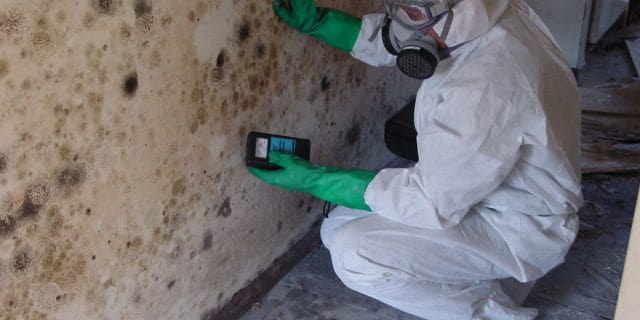
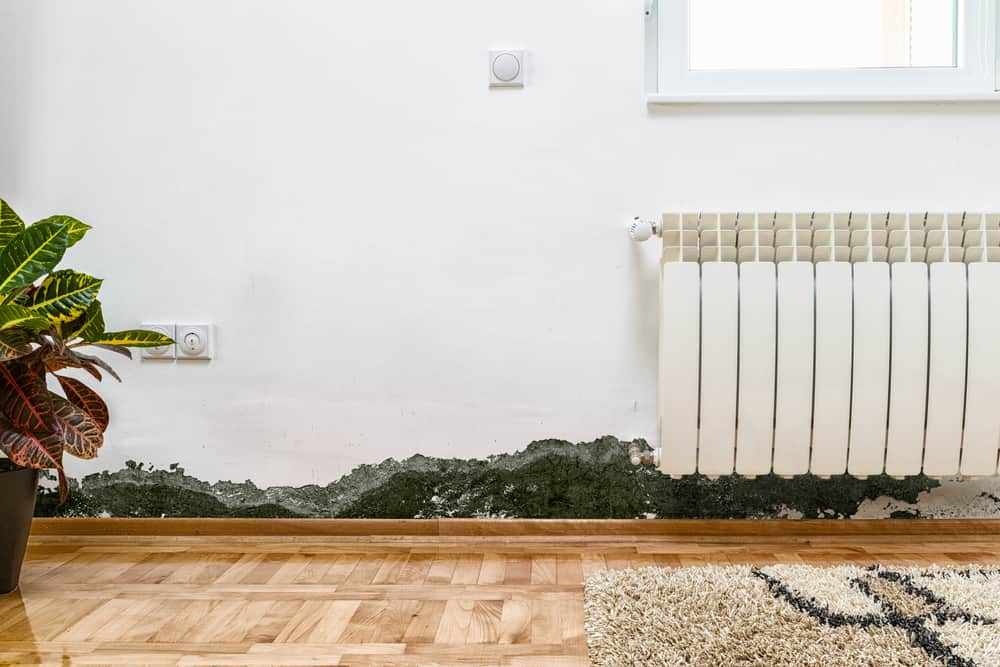
Mold doesn’t always announce itself. In a lot of Miller Place homes — especially the older beach cottages along Scott’s Beach that were converted to year-round living decades ago — it’s been growing quietly inside wall cavities, under flooring, and in crawl spaces long before anyone noticed a smell. By the time you see it, the problem is usually bigger than it looks.
What changes after proper mold remediation isn’t just the absence of visible growth. It’s the air quality in your home. It’s not waking up congested every morning. It’s knowing that the musty smell coming from your basement isn’t something you just have to live with. For families in Miller Place, where Long Island Sound humidity pushes moisture into homes year-round, that kind of result matters — because the conditions that create mold don’t go away on their own.
The other thing that changes is your confidence in the property itself. Whether you’re planning to stay for another twenty years or you’re thinking about selling — and with homes in this area averaging around $700,000, the stakes are real — having documented proof that the mold was properly addressed by a licensed contractor protects your investment in a way that a quick cleanup simply can’t.
First Response Restoration and Cleaning Inc. has been working on Long Island for over three decades, and we’ve built our reputation specifically on Miller Place and the surrounding North Shore communities. That’s not a marketing number — it means we’ve been inside the crawl spaces of post-war beach cottages in Scott’s Beach, we’ve worked in the historic wood-frame homes along North Country Road, and we’ve responded to the kind of basement flooding that follows every nor’easter that hits our area. We know what mold looks like in this specific housing stock, in this specific climate.
What separates us from a lot of companies in this space is simple: Richard Peterson, our owner, personally holds New York State licenses in both mold assessment and mold remediation contracting under Article 32 of the NYS Labor Law. That’s not a company-level credential — it’s a personal one. Every technician on our team is individually IICRC-certified, which means the people doing the actual work in your home have been formally trained and tested, not just hired and handed a respirator.
We also handle the full scope — remediation and cleaning — under one roof. No handoffs, no finger-pointing between contractors if something isn’t right.
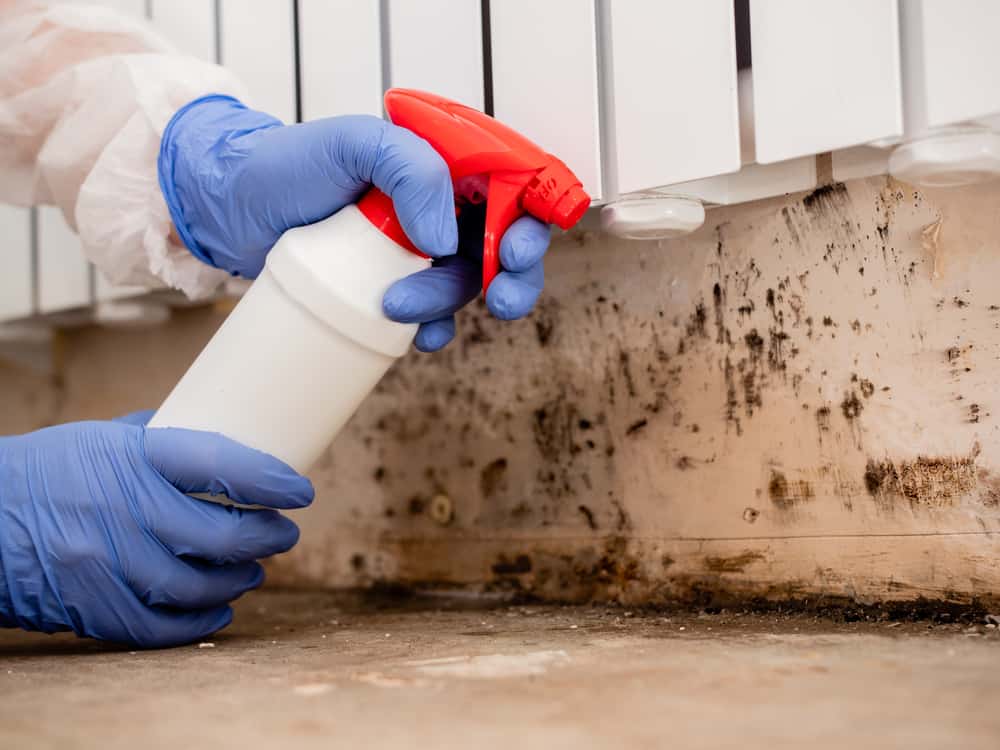
The first thing we do is find where the moisture is coming from. This is the step most people don’t realize is missing when mold comes back after a previous remediation. Removing mold without fixing the source is like mopping a floor with the faucet still running. In Miller Place, that source is often a crawl space with an inadequate vapor barrier, a foundation crack letting groundwater in after heavy rain, or attic ventilation that’s pulling humid Sound air through the structure all summer long. We map the moisture before we touch anything else.
Once we know what we’re dealing with, we set up full containment — negative air pressure, physical barriers — so spores don’t migrate to unaffected areas of your home while we work. Then remediation begins: removal of contaminated materials, HEPA vacuuming, antimicrobial treatment of affected surfaces, and structural drying where needed. Everything follows the IICRC S520 standard, which is the industry benchmark for how this work is supposed to be done.
After the work is complete, we don’t just ask you to take our word for it. Independent air quality testing confirms that spore counts are back to normal levels before we close the job. That clearance report matters — for your peace of mind, for your insurance claim if one is involved, and for any real estate transaction where a buyer’s attorney is going to ask for documentation.
Ready to get started?
Miller Place isn’t a one-size-fits-all mold market. You’ve got pre-Revolutionary wood-frame structures in the Historic District on North Country Road that require careful, material-sensitive work. You’ve got post-WWII beach cottages in Scott’s Beach that were never built for year-round occupancy and carry decades of accumulated moisture in their bones. And you’ve got newer post-modern homes in communities like Island Estates with finished basements and complex HVAC systems that can spread contamination fast if it’s not contained properly. The approach has to match the building.
Basement mold remediation in Miller Place typically involves moisture source identification, containment, removal of affected drywall or framing, antimicrobial treatment, and structural drying — followed by that post-remediation air test. Crawl space remediation often includes vapor barrier assessment or replacement, which is especially relevant for the older converted beach properties along the Sound. Attic mold remediation addresses the ventilation issues that let humid coastal air accumulate under the roof deck — a common problem in bluff-top homes that face Long Island Sound breezes directly.
Under New York State’s Article 32 mold licensing law — which has been in effect since 2016 — all mold remediation work in Miller Place must be performed by a licensed contractor. We are fully licensed and compliant, and we’re happy to provide our license numbers for verification through the NYS Department of Labor. That’s not something every company operating in this area can say.
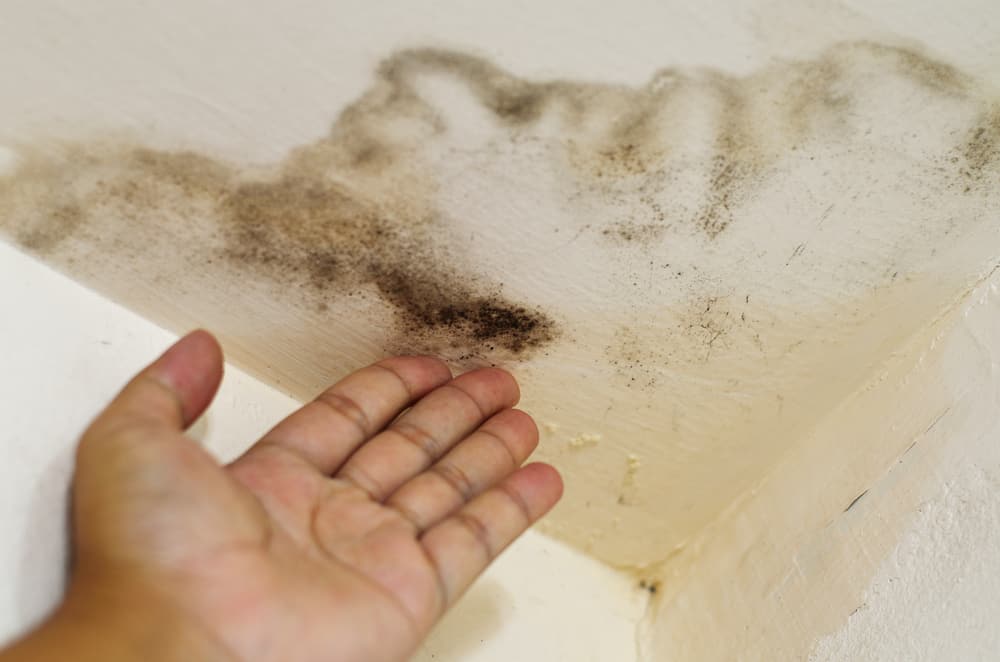
The most common sign is a persistent musty odor that doesn’t go away — especially in basements, crawl spaces, or lower levels. In Miller Place, this is particularly common in homes that were originally built as seasonal beach cottages and later converted to year-round residences. Those structures weren’t designed with continuous occupancy in mind, and decades of year-round moisture exposure often means mold has established itself inside wall cavities or beneath flooring where you’d never see it without opening things up.
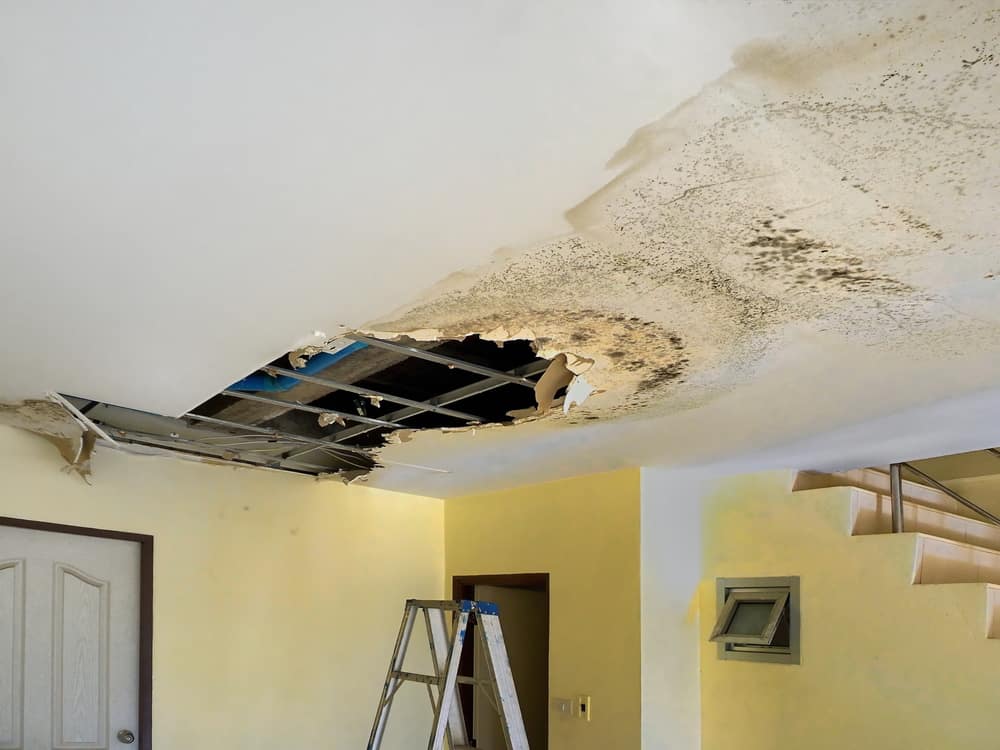
Other signs include unexplained allergy symptoms that improve when you leave the house, visible water staining on walls or ceilings, or a history of basement flooding after heavy rain or nor’easters. If you’ve had water intrusion at any point in the last few years and it wasn’t followed by professional drying and assessment, there’s a reasonable chance mold is present somewhere in the structure. A moisture mapping assessment is the most reliable way to know for certain — and it’s where we always start.
Most residential mold remediation projects fall somewhere between $1,200 and $6,000 depending on the size of the affected area, where the mold is located, and how much structural material needs to be removed. Crawl space remediation typically runs $500 to $4,000, though that can increase if vapor barrier replacement is needed — which it often is in older Miller Place properties near the Sound. Attic remediation generally ranges from $1,500 to $9,000 depending on the extent of the growth and the ventilation work required.
What drives cost up is almost always the same thing: the problem went undetected for a long time, or a previous remediation didn’t address the moisture source and the mold came back. Catching it early and doing it right the first time is almost always less expensive than dealing with it twice. We provide written estimates before any work begins, and we don’t expand scope without explaining exactly why.
It depends on what caused the mold, and the answer is genuinely case-by-case. Most standard homeowner’s insurance policies in New York will cover mold remediation if it resulted directly from a covered water damage event — like a burst pipe or storm-related flooding. If the mold developed from long-term moisture accumulation that wasn’t reported or addressed, coverage is less likely. Given how frequently North Shore communities like Miller Place deal with nor’easter-related basement flooding, a lot of the claims we see do have a qualifying water event behind them.
The documentation you submit matters enormously. Insurance companies want to see moisture source identification, a scope of work from a licensed contractor, and post-remediation verification — all of which are standard parts of how we operate. We help customers organize and submit that documentation in the format their insurer needs, which takes a significant amount of stress off a process that’s already disruptive enough.
Mold removal is a general term that usually refers to physically cleaning or scrubbing away visible mold growth. Remediation is a more complete process — it includes identifying and correcting the moisture source, containing the work area so spores don’t spread, removing contaminated materials that can’t be cleaned, treating surfaces with antimicrobial agents, and verifying through air testing that the environment has returned to normal. Removal without remediation is one of the most common reasons mold comes back within months of being “treated.”
In a place like Miller Place, where the conditions that create mold — coastal humidity, aging construction, storm-driven water intrusion — are ongoing, skipping any part of that process almost guarantees a repeat problem. The mold isn’t the root issue; the moisture that feeds it is. Remediation addresses both. That’s the distinction that matters when you’re deciding who to hire and what process to ask for.
For a contained area like a single basement room or a crawl space, most remediation work takes one to three days. Larger or more complex jobs — attic remediation in a bluff-top home, or a situation where mold has spread through multiple areas of an older converted beach cottage — can take a week or more depending on how much structural material is involved and how long the drying phase takes. Post-remediation air testing adds time as well, but it’s not something you want to skip.
The timeline can also be affected by the scope of moisture correction work needed before remediation begins. If a foundation crack needs sealing or a vapor barrier needs to be replaced, that work happens first — because remediating before fixing the source is a waste of everyone’s time and money. We’ll give you a realistic timeline during the assessment, not an optimistic one designed to get you to sign on the dotted line.
It’s more common than most homeowners realize, and the geography is a big part of why. Miller Place sits on bluffs directly above the Long Island Sound, and that proximity means year-round elevated humidity — not just in summer, but through fall and winter as well. Sound breezes carry moisture-laden air into attic spaces through ridge vents and soffit vents, and that moisture accumulates in framing and insulation over time. Homes along Cedar Beach and in the Scott’s Beach community face this most directly, but it affects bluff-top properties throughout the hamlet.
The housing stock compounds the issue. Many Miller Place homes — particularly the older ones — weren’t built with today’s vapor management standards in mind. Original crawl spaces often lack proper vapor barriers. Older foundations develop cracks that let groundwater in after heavy rain. And the conversion of seasonal beach cottages to year-round residences, which happened widely in the postwar decades, created a generation of homes with moisture vulnerabilities that were never fully resolved. We’ve seen this pattern repeatedly across Miller Place properties, and it’s what drives our approach to assessment and remediation in this specific community.
Useful Links
Other Services we provide in Miller Place