
Mold Remediation in Munsey Park, NY
Historic Homes Deserve More Than a Surface Fix
Hear from Our Customers
Basement Mold Remediation, Nassau County
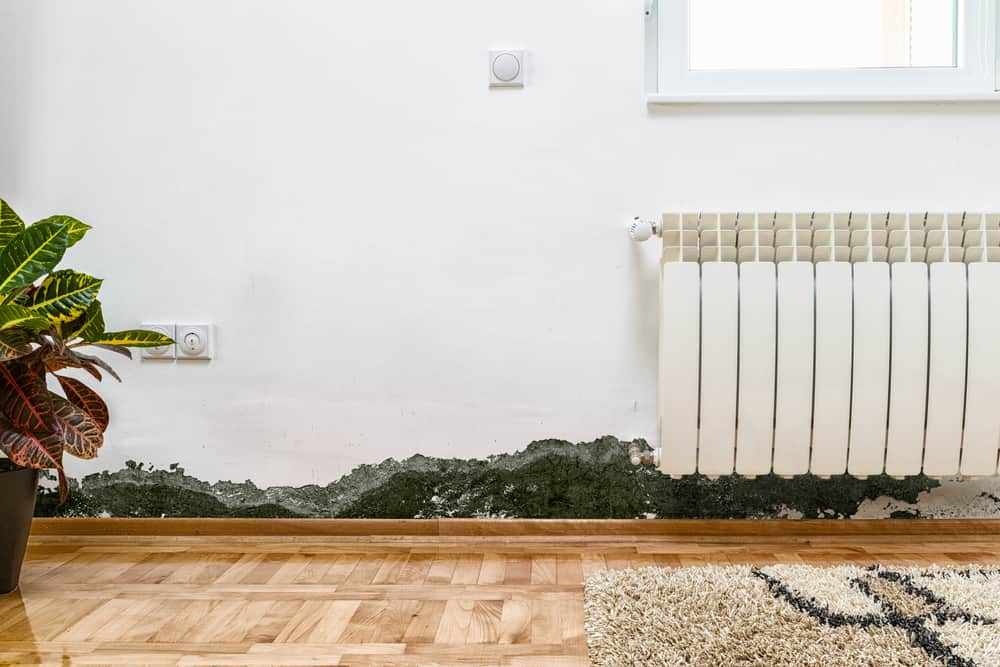
Most Munsey Park homes were built around 1938. That means original stone foundations, minimal vapor barriers, and drainage systems designed for a different era not for the coastal humidity that rolls in off Manhasset Bay every summer. When humidity consistently climbs past 60%, mold doesn’t need much of an invitation. A slow pipe, a poorly ventilated crawl space, a basement wall that sweats in August that’s all it takes.
When mold remediation is done right, you’re not just removing something visible. You’re restoring air quality, protecting the structural integrity of a home that may be worth well over a million dollars, and eliminating the kind of problem that can derail a sale, concern a buyer’s inspector, or quietly affect your family’s health for years. In Munsey Park, where nearly every home is owner-occupied and every renovation goes through the Building Advisory Committee, the stakes of getting this wrong are real.
The difference between a job done properly and one done halfway shows up months later when the mold comes back, or when it doesn’t. We handle mold remediation in Munsey Park with the documentation, clearance testing, and source-level moisture correction that gives you a result that actually holds.
Certified Mold Remediation Companies, Nassau County
We’ve been serving Nassau County homeowners for nearly 30 years. That’s not a number thrown out to impress it’s the kind of track record that only comes from consistently doing the work right. Companies that cut corners don’t last three decades in a market this competitive.
We serve the entire North Hempstead area, including Munsey Park and the surrounding Greater Manhasset communities. We know the housing stock here the pre-war Colonials, the original crawl spaces, the retrofitted HVAC systems that can create condensation problems nobody planned for. That familiarity matters when a technician is trying to find a mold source that isn’t obvious.
Every technician on our team holds individual IICRC certification, and we operate in full compliance with New York State’s Article 32 mold licensing law and Nassau County’s Environmental Hazard Remediation Provider requirements. You’re not just hiring a company you’re hiring one that can prove its credentials at every level.
Professional Mold Remediation Process, Munsey Park
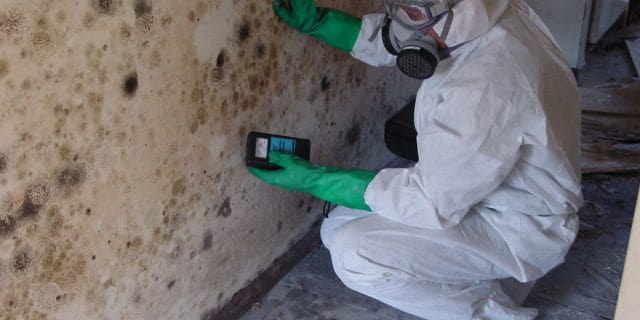
It starts with a 13-point mold inspection not a walkthrough with a flashlight and a verbal opinion. We take air samples, surface swabs, and use infrared imaging to find moisture behind walls, delivering a written report with laboratory results within two to three business days. You’ll know what you’re dealing with, where it is, and how serious it is before any remediation begins. Under New York State’s Article 32 mold law, the assessment and the remediation must be handled by separate licensed parties a consumer protection measure that our process is fully built around.
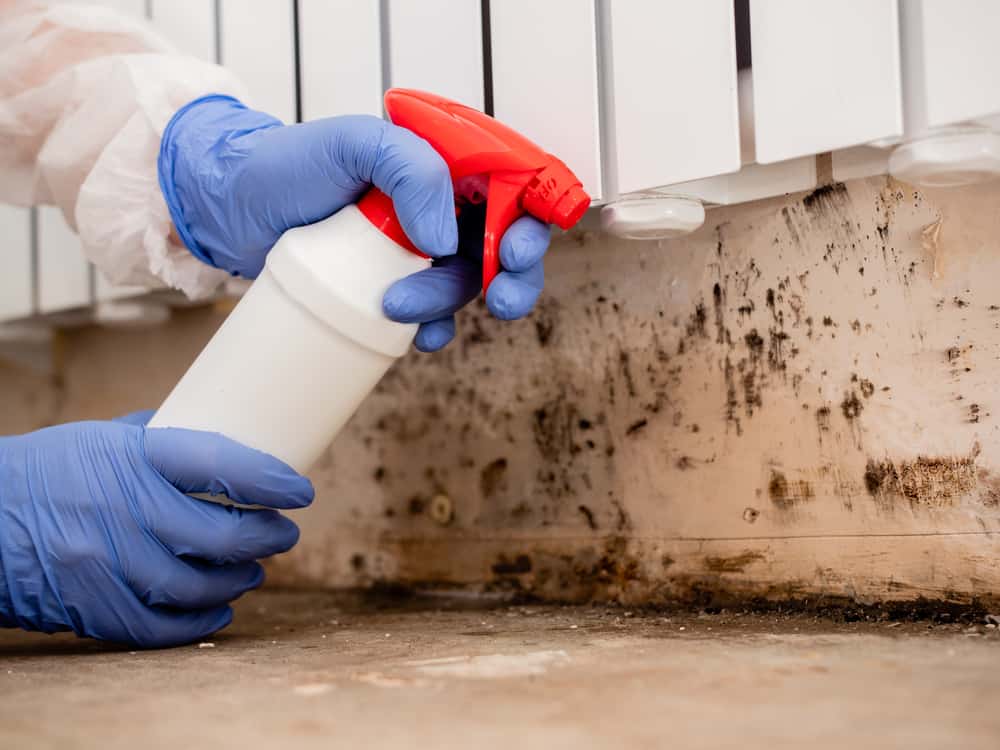
Once the scope is confirmed, remediation begins with proper containment to prevent cross-contamination, followed by removal of affected materials, treatment of surfaces, and HEPA air filtration throughout the work area. For Munsey Park homes where original plaster, wood framing, and period finishes are common this work requires a careful hand. Tearing into a wall in a home that’s been maintained to village architectural standards isn’t the same as working in a newer build.
After remediation, a licensed assessor performs post-remediation clearance testing before containment is removed. That clearance report is your documentation useful for insurance claims, real estate transactions, and your own peace of mind. If areas need to be rebuilt after remediation, we handle that too, so you’re not left coordinating a second contractor for reconstruction work that also needs to meet the village’s review standards.
Ready to get started?
Attic and Crawl Space Mold Remediation, Munsey Park
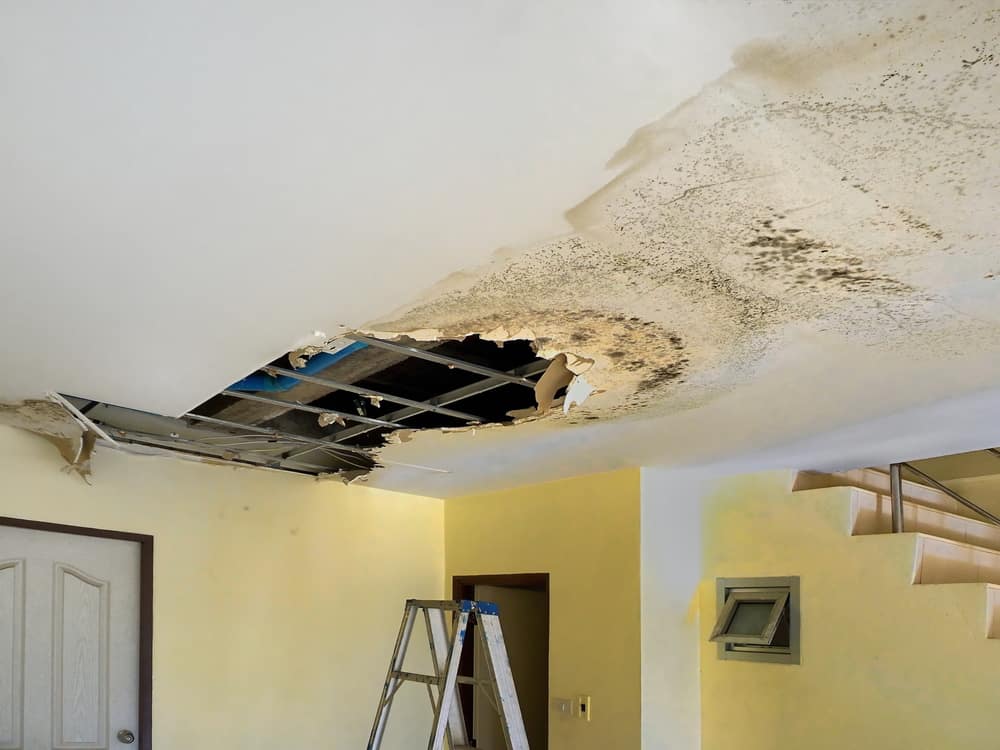
Mold in Munsey Park tends to show up in predictable places basements and crawl spaces with original drainage systems that weren’t built for modern rainfall volumes, attics where retrofitted central air has introduced condensation that the original ventilation can’t manage, and wall cavities where slow plumbing leaks have gone undetected for years. Our mold remediation service covers all of it: basement mold remediation, attic mold remediation, crawl space mold remediation, and emergency mold remediation when water intrusion happens fast which, on Long Island’s North Shore during nor’easter season, it often does.
The full scope includes inspection with lab-confirmed results, remediation with proper containment and HEPA filtration, moisture source correction so the problem doesn’t return, and post-remediation clearance testing by a licensed assessor. Nassau County’s EHRP licensing requirement applies to every contractor performing mold work in the county we meet that standard, along with the state-level Article 32 requirements that govern how mold assessments and remediation are conducted across New York.
For homes in Munsey Park where post-remediation reconstruction is needed, the work has to hold up to the village’s Building Advisory Committee review process. Our reconstruction capability means you have one accountable team from start to finish not a remediation company that hands you off to a general contractor who doesn’t know the village’s architectural standards.
Is mold common in older Munsey Park homes, and what causes it?
Yes and the age of the housing stock is the main reason. The median construction year in Munsey Park is 1938, and roughly two-thirds of homes were built before 1950. That means original stone foundations with minimal waterproofing by modern standards, wood-framed construction without vapor barriers in walls or crawl spaces, and drainage systems that weren’t designed for today’s rainfall intensity or coastal humidity levels.
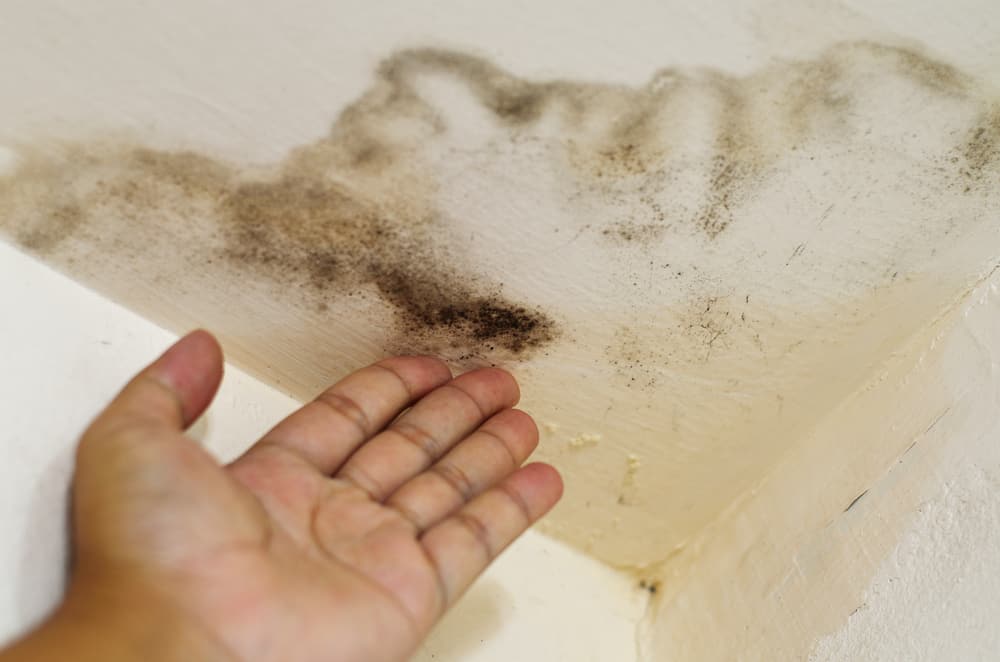
Add in the proximity to Manhasset Bay and the moisture that comes with Long Island’s North Shore summers humidity regularly above 60% from June through August and you have conditions where mold growth isn’t unusual. It’s expected in homes that haven’t had their moisture management systems updated. Common locations include basements, crawl spaces, and attics, especially in homes where central air conditioning was retrofitted and condensation around ductwork was never properly addressed. The mold is often hidden behind original plaster walls or in crawl space configurations that don’t get regular attention.
Can the same company do both the mold inspection and the mold remediation?
Not in New York State. Under Article 32 of the NYS Labor Law, which took effect in January 2016, the mold assessor and the mold remediation contractor must be separate licensed parties. The same company cannot assess and remediate on the same property this rule exists specifically to protect homeowners from inflated scopes and conflicts of interest.
What that means practically is that before any remediation work begins, a licensed mold assessor must complete a pre-remediation assessment. After the work is done, a licensed assessor must perform post-remediation clearance testing before containment is removed. You should receive a clearance report confirming the remediation was completed to the required standard. Any company that offers to handle assessment and remediation as the same entity, without explaining how they’re complying with Article 32, is worth questioning. Our process is built around full compliance with both the state law and Nassau County’s additional EHRP licensing requirements.
How much does mold remediation cost in Nassau County, NY?
It depends on the scope which is exactly why a documented inspection with lab results matters before any pricing conversation. Nationally, mold remediation averages around $2,300 for smaller jobs, but larger infestations especially in older homes with hidden mold behind walls, in crawl spaces, or throughout an attic can run anywhere from $10,000 to $30,000 or more.
In Munsey Park, where median home sale prices are well above $1 million and many homes regularly sell in the $2 million range, the financial argument for thorough remediation is straightforward. A mold problem can reduce a home’s resale value by 20% to 37%. On a $2 million home, that’s potentially $400,000 to $740,000 in lost equity for a problem that, caught and treated properly, costs a fraction of that. Nassau County’s dual licensing requirements state Article 32 and county EHRP also mean you should be skeptical of unusually low quotes from contractors who may not be operating in full compliance.
Will mold come back after remediation is completed?
It can if the underlying moisture source isn’t corrected. Mold remediation that only removes visible growth without addressing why the moisture was there in the first place is a temporary fix at best. In Munsey Park’s pre-war homes, moisture sources aren’t always obvious. It might be a slow leak in original plumbing, a crawl space without an adequate vapor barrier, a foundation wall that’s no longer draining properly, or condensation from a retrofitted HVAC system that wasn’t installed with the home’s original ventilation in mind.
Our remediation process includes identifying and correcting the moisture source not just treating the surfaces where mold appeared. That’s what separates remediation that holds from remediation that has you making the same call again in 18 months. Post-remediation clearance testing also plays a role here: it confirms that spore levels are within acceptable limits before the job is considered complete, giving you an objective measure of the result rather than just a contractor’s word.
Do I need permits or approvals for mold remediation work in Munsey Park?
The remediation itself typically doesn’t require a building permit but if structural materials need to be removed and replaced as part of the process, that can trigger the village’s permitting and review requirements. Munsey Park has its own Building Department at Village Hall, and all alterations to homes in the village are subject to review by the Building Advisory Committee to ensure they conform to the community’s Colonial Revival architectural standards. That’s a layer of oversight that most towns in Nassau County don’t have.
What this means practically is that post-remediation reconstruction replacing drywall, restoring finished surfaces, rebuilding structural elements needs to be done by a contractor who understands the village’s standards, not one who’s unfamiliar with the review process. It’s one of the reasons having a remediation company that also handles reconstruction matters here more than it might in a neighboring town. We handle the full scope from remediation through rebuild, so you’re not left coordinating a second contractor who may not be familiar with Munsey Park’s requirements.
How do I know if my Munsey Park home has mold I can't see?
The most reliable way is a professional inspection that goes beyond what’s visible and that’s exactly where a lot of homeowners get shortchanged. A visual walkthrough can miss mold growing inside wall cavities, beneath flooring, in crawl space framing, or in attic spaces where insulation obscures the problem. In a home built in the 1930s or 1940s, those hidden areas are exactly where mold tends to establish itself.
A thorough inspection should include air sampling to detect elevated spore counts that don’t correspond to any visible growth, surface swabs in suspect areas, and infrared imaging to identify moisture behind walls without opening them up. Moisture readings throughout the home help map where water is entering or accumulating. The result should be a written report with laboratory analysis not a verbal summary. If you’re noticing a musty smell in your basement or crawl space, seeing water stains on original plaster walls, or dealing with allergy symptoms that improve when you’re out of the house, those are worth investigating. In Munsey Park’s older housing stock, those signs rarely point to nothing.
Useful Links
Other Services we provide in Munsey Park