
Hear from Our Customers
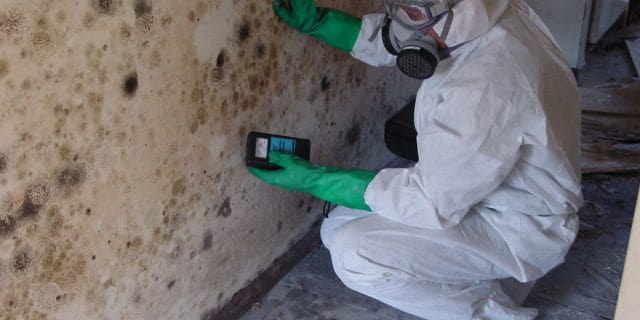
Living on the western shore of Cutchogue Harbor means your home absorbs what the bay delivers — sustained humidity from May through September, groundwater that rises with every heavy rain, and storm surge risk that turns a nor’easter into a structural event. Mold doesn’t need much of an invitation here. In older New Suffolk homes built well before vapor barriers and mechanical ventilation were standard, it needs even less.
The real outcome of proper mold remediation isn’t just cleaner air — it’s a home that stops cycling through the same problem. When the moisture entry point is sealed and the contaminated material is fully removed and verified, you’re not patching over something. You’re actually solving it. For a property worth over a million dollars on Peconic Bay, that distinction matters more than it does almost anywhere else on Long Island.
There’s also the real estate side of this. Mold discovered during an inspection in New Suffolk doesn’t just delay a closing — it can kill a deal entirely. Buyers walk away from mold, even after remediation, if the documentation isn’t there to back it up. A properly executed remediation with post-clearance air quality testing gives you something concrete: a written record that satisfies buyers, attorneys, and lenders. That’s the outcome that actually protects what you’ve built here.
We’ve been working on Long Island for approximately 31 years. That’s not a corporate timeline — it’s the track record of a team that has worked through every major storm event to hit eastern Suffolk County, including the nor’easters and tropical systems that push Peconic Bay water into waterfront properties like the ones in New Suffolk.
What separates us in a hamlet this small is simple: our owner Richard Peterson holds both a New York State mold assessor license and a mold remediation contractor license in his own name. Not the company’s name — his. That means the person accountable for your project is a real individual with a verifiable license you can look up through the NYS Department of Labor. In a community of just over 400 people, that kind of accountability isn’t a selling point. It’s a baseline.
Every technician on our team carries IICRC certification. Our work follows the IICRC S520 standard from start to finish. And because we operate an integrated cleaning division, we don’t hand you off to a second contractor when the structural work is done — we see the entire job through.
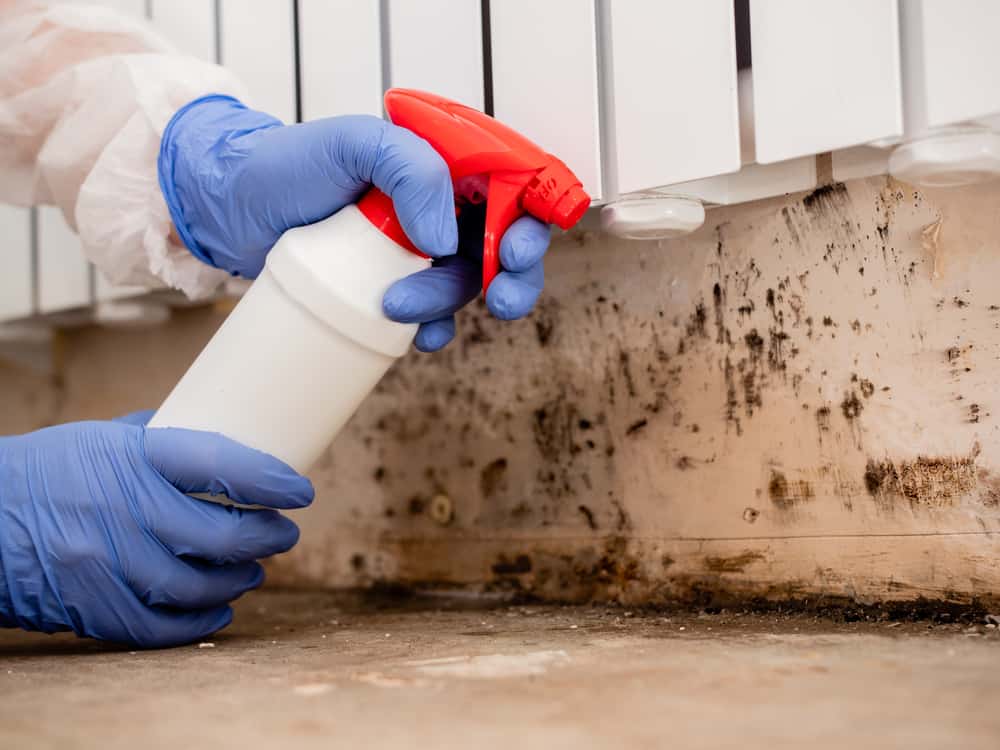
We start with moisture mapping — a systematic walkthrough of your property to identify where water is entering, where it’s accumulating, and what conditions are allowing it to persist. In New Suffolk, that often means paying close attention to crawl spaces in older construction, attic spaces with inadequate ventilation, and any areas near the foundation where the water table or storm-driven moisture has found a way in. Nothing gets remediated until the source is understood.
From there, we contain the affected area using physical barriers and negative air pressure to prevent spores from spreading to unaffected parts of your home. Contaminated materials are removed according to the IICRC S520 standard — not scraped over, not painted around. HEPA filtration runs throughout the process. Antimicrobial treatment is applied to all affected surfaces. If your home falls under the Town of Southold’s building permit requirements for structural material removal, we factor that into the scope before work begins.
The job isn’t finished when the visible mold is gone. We conduct post-remediation air quality testing independently to confirm that spore counts have returned to normal levels. You receive a written clearance report — not a verbal assurance. If you’re in the middle of a real estate transaction, that document is often the difference between a deal that closes and one that doesn’t. We operate 24 hours a day, 7 days a week, so when a storm event creates an urgent situation at your New Suffolk property, the response doesn’t wait until Monday morning.
Ready to get started?
Mold remediation in New Suffolk isn’t one-size-fits-all — and any company treating it that way hasn’t spent much time working on the North Fork. The older construction throughout this hamlet, combined with the persistent moisture load from Cutchogue Harbor and Little Peconic Bay, means that crawl space mold, attic mold, and basement mold each require their own approach. Crawl space remediation here typically involves not just material removal but vapor barrier assessment and correction. Attic mold in homes with original framing and limited ventilation requires careful work to avoid damaging structural material that can’t easily be replaced. These aren’t complications — they’re just the reality of working in a community where many homes have been standing since the 19th century.
The full scope of what we deliver includes: initial moisture mapping and source identification, full containment setup, HEPA air filtration throughout the project, removal of all contaminated materials per IICRC S520, antimicrobial surface treatment, structural drying where applicable, integrated post-remediation cleaning, and independent post-clearance air quality testing with a written report. Whether the trigger was a storm, a slow leak, a failed inspection, or something you discovered opening the house after winter, the process is the same — complete, documented, and verified.
For New Suffolk homeowners navigating a real estate transaction, the clearance documentation we provide meets the standard that buyers, lenders, and real estate attorneys in Suffolk County expect. That’s not an add-on — it’s built into how we do the job.
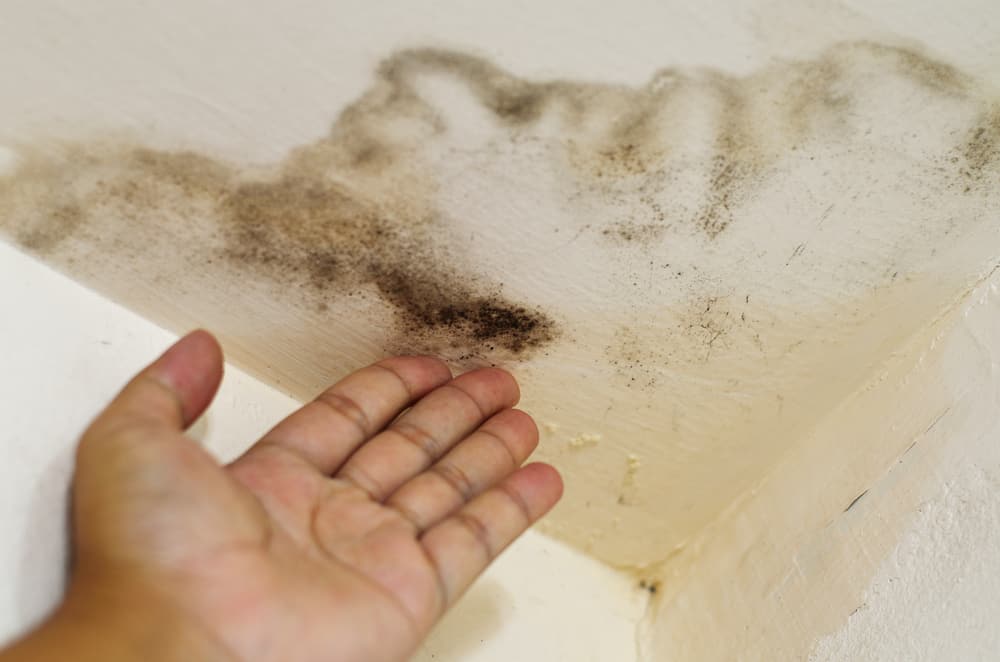
The honest answer is that cost depends heavily on scope — and scope in New Suffolk tends to be shaped by a few specific factors. Older construction, crawl space configurations, and the sustained coastal moisture environment here can all expand what’s needed to do the job correctly. For most residential projects, professional mold remediation runs somewhere between $1,500 and $6,000. Projects involving structural material removal, attic or crawl space remediation, or significant water intrusion from storm events can reach $10,000 or more.
What drives cost up is usually one of two things: the extent of the contamination, or the need to address the underlying moisture source before remediation can begin. Skipping that second step is how you end up paying for the same job twice. For a property in the $1.1M average sale price range that New Suffolk commands, the cost of a thorough, documented remediation is a fraction of the property value risk you’re managing by getting it right the first time.
It depends on how the mold originated. Most standard homeowner’s insurance policies in New York will cover mold remediation when it results directly from a covered peril — a sudden pipe burst, storm-driven water intrusion, or another event that your policy already covers. If the mold developed from long-term moisture buildup or a maintenance issue that went unaddressed, coverage is typically denied.
For New Suffolk homeowners, storm surge events from Peconic Bay represent a specific scenario worth understanding. Flood damage from rising water is generally not covered under a standard homeowner’s policy — it falls under separate flood insurance, typically through the National Flood Insurance Program. If bay water entered your property during a nor’easter or tropical storm and mold followed, your flood policy is likely the relevant coverage, not your homeowner’s policy. We can provide the documentation your insurer needs regardless of which policy applies, but it’s worth clarifying your coverage before a weather event happens rather than after.
Mold removal implies you can take all of it out — which isn’t actually how mold works. Mold spores exist naturally in the air and on surfaces everywhere, including in homes that have never had a visible mold problem. The goal of professional mold remediation isn’t to achieve a spore count of zero — it’s to bring indoor spore levels back to normal, eliminate active growth, remove contaminated materials, and address the conditions that allowed mold to develop in the first place.
In practice, remediation means containment, physical removal of affected materials, HEPA filtration, antimicrobial treatment, and post-clearance air quality testing to confirm the work was effective. A company that promises to “remove all mold” is either misusing the term or overpromising. In a coastal environment like New Suffolk — where ambient humidity and moisture exposure are permanent conditions — what matters isn’t the promise of total elimination. It’s a verified return to normal indoor air quality with the moisture source corrected so the problem doesn’t rebuild itself over the next season.
Yes — and it’s not surprising given the combination of factors at play here. Many homes in New Suffolk date to the late 19th and early 20th centuries, built before vapor barriers, modern insulation, and mechanical ventilation were standard practice. That original construction, sitting in a waterfront environment with sustained summer humidity and periodic storm surge exposure from Peconic Bay, creates conditions where mold doesn’t need a dramatic event to get started. A slow-seeping foundation, a poorly ventilated crawl space, or an attic that traps summer humidity is enough.
The highest-risk areas in New Suffolk’s older housing stock tend to be crawl spaces — where ground moisture migrates upward without adequate vapor barriers — and attics, where inadequate ventilation allows warm, humid air to condense on cooler structural surfaces. Basements and foundation walls near the waterfront are also commonly affected, particularly in homes that sit close to the harbor. If your home hasn’t had a professional moisture assessment, it’s worth doing before a mold problem becomes visible, not after.
The only objective answer to that question is post-remediation air quality testing — and it should be conducted independently, not by the same company that did the remediation work. The test measures airborne mold spore concentrations inside your home and compares them to outdoor baseline levels. When the numbers come back within normal range, you have documented proof that the remediation was effective. When they don’t, you know additional work is needed before the job is closed out.
A written clearance report from that testing is the standard that matters in real-world situations — real estate closings, insurance claims, and simple peace of mind for your family. We include post-remediation air quality testing and a written clearance report as a standard part of every job, not an optional upgrade. In a community like New Suffolk, where properties carry significant value and transactions involve attorneys and lenders who expect documentation, that report isn’t just reassuring — it’s often practically necessary to move forward.
It depends on the scope of the work. Mold remediation that involves removing and replacing drywall, insulation, or structural framing may require a building permit from the Town of Southold Building Department, which has jurisdiction over all construction and renovation activity in New Suffolk. Surface-level treatment and cleaning work typically doesn’t trigger a permit requirement, but any project that involves opening walls or removing structural material should be evaluated against Southold Town’s building code requirements before work begins.
Beyond local permits, New York State’s Article 32 of the Labor Law requires that all mold remediation contractors and assessors hold valid state-issued licenses. This law has been in effect since 2016, and hiring an unlicensed contractor — even for a job that seems straightforward — can result in insurance claim denial and leave you without legal recourse if something goes wrong. Richard Peterson holds both a NYS mold assessor license and a mold remediation contractor license in his own name, both of which are verifiable through the NYS Department of Labor. That compliance isn’t incidental — in a town governed by Southold’s building department and New York State’s licensing requirements, it’s the baseline you should expect from any contractor you let into your home.
Useful Links
Other Services we provide in New Suffolk