
Mold Remediation in North Great River, NY
When the Connetquot Watershed Moves Into Your Walls
Hear from Our Customers
Mold Damage Repair in North Great River, NY
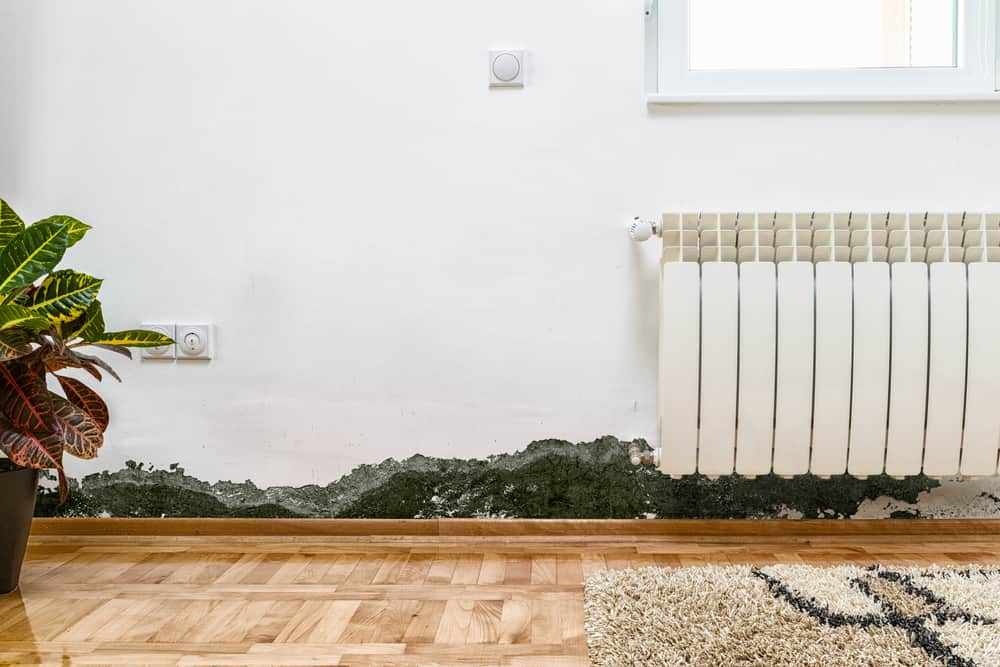
The musty smell that hits you at the bottom of the stairs that’s not just a nuisance. In North Great River homes, where groundwater pressure from the Connetquot River watershed and South Shore humidity work against your foundation year-round, that smell is usually a sign the moisture problem has been building longer than you’d expect. Once it’s properly addressed, the air in your home changes. The smell leaves. The worry about what your family is breathing leaves with it.
For a home valued near $530,000, mold isn’t just a health issue it’s a financial one. Buyers walk away from mold history. Deals fall apart at inspection. Getting a written clearance report after professional remediation isn’t just peace of mind; it’s documentation that protects your sale price and your equity when the time comes.
The homes in this area many of them mid-century ranch-style builds with vented crawl spaces and aging insulation were designed before anyone understood how South Shore humidity behaves inside a structure. That’s not a knock on the house. It just means the fix has to account for what’s actually happening here, not what works in a drier climate. That’s exactly what proper mold remediation looks like when it’s done right.
Certified Mold Remediation in North Great River, NY
Richard Peterson, our owner, holds personal New York State licenses in both mold assessment and mold remediation contracting. That’s not a corporate credential filed away in a drawer it’s an individual license tied to one person who is legally accountable for every job we take on. You can look it up through the NYS Department of Labor. Most companies in this market can’t say the same.
Every technician on our team carries individual IICRC certification, which means the people actually doing the work in your North Great River home have been trained and tested not just supervised by someone who was. We’ve been operating on Long Island for approximately 31 years, serving communities throughout Suffolk County, including the Town of Islip area that North Great River calls home.
We’re not a national franchise that rotates crews and applies the same checklist regardless of where we’re working. We’re a Long Island company that knows what the South Shore does to homes, has seen it for three decades, and shows up with that experience on every call.
Professional Mold Remediation Process in North Great River, NY
It starts with finding the moisture source not just the mold you can see. In North Great River, that usually means checking the crawl space first. The vented crawl space designs common in the area’s older homes actively pull humid South Shore air beneath the structure, and that moisture has to go somewhere. Before anything is removed or treated, we identify and document the source. Skipping this step is why mold comes back.
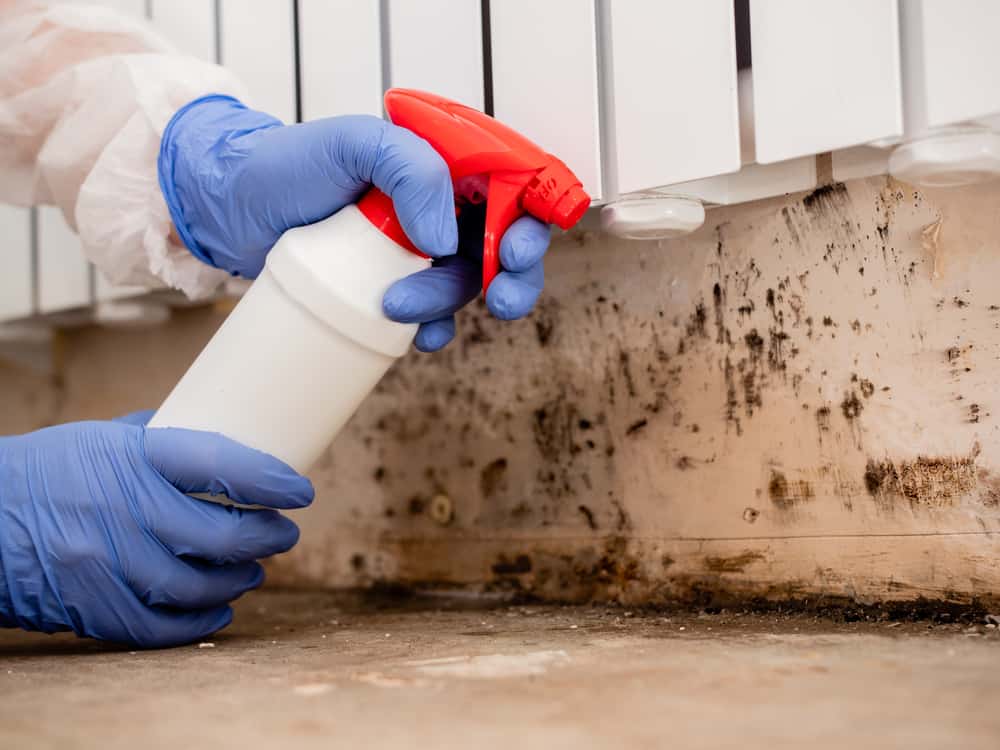
Once the source is mapped, we put containment in place. This isolates the affected area so mold spores don’t travel through the rest of your home during the work. Then comes the actual remediation removal of contaminated materials, structural drying, and application of EPA-registered antimicrobial treatments to affected surfaces. If the scope of work involves structural repairs or material replacement, we advise on any permits required through the Town of Islip Building Department so nothing is left unaddressed on the back end.
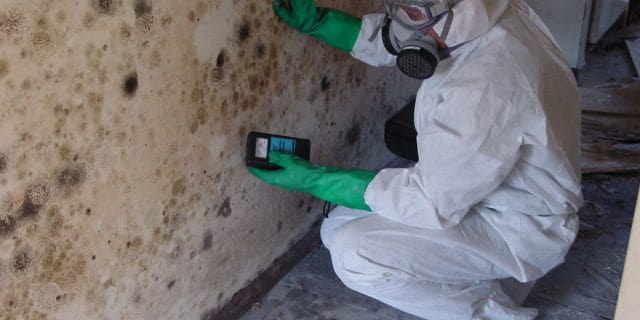
The last step is post-remediation verification independent air quality testing that confirms mold spore counts are back to normal. You get the clearance documentation in writing. That report matters for insurance claims, real estate transactions, and your own peace of mind. It’s not an upsell it’s how you know the job is actually finished.
Ready to get started?
Basement and Attic Mold Remediation in North Great River, NY
Basement mold remediation in North Great River tends to show up in homes where groundwater has been quietly pressing against foundation walls for years. The combination of the Connetquot River watershed and seasonal snowmelt creates elevated groundwater conditions that older foundations weren’t built to resist indefinitely. When water finds a way in even slowly mold follows within 24 to 48 hours.
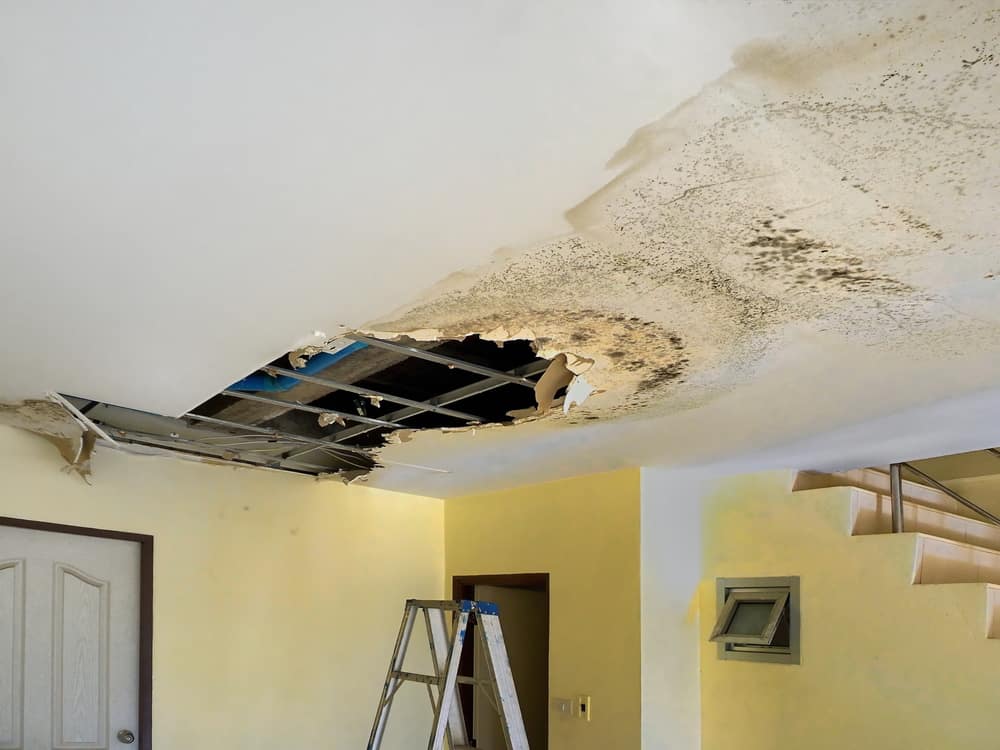
Attic mold remediation in North Great River follows a different pattern. Warm, humid air rises from the living space into the attic, hits the cooler roof sheathing, and condenses. Homes without adequate ridge and soffit ventilation common in the area’s mid-century housing stock trap that moisture until it becomes a mold problem. It’s one of the most frequently missed issues during routine home maintenance, and one of the first things that surfaces during a pre-sale inspection.
Crawl space mold remediation in North Great River is often the most urgent call. The vented crawl space designs in many local homes introduce humidity directly beneath the living area, and once mold establishes itself in the floor joists and subfloor, it doesn’t stay contained. We also handle emergency mold remediation in North Great River for storm-related water intrusion available around the clock, every day of the year, because a nor’easter doesn’t wait for Monday morning. We assist with insurance documentation throughout the process, helping you build the file your adjuster needs from day one.
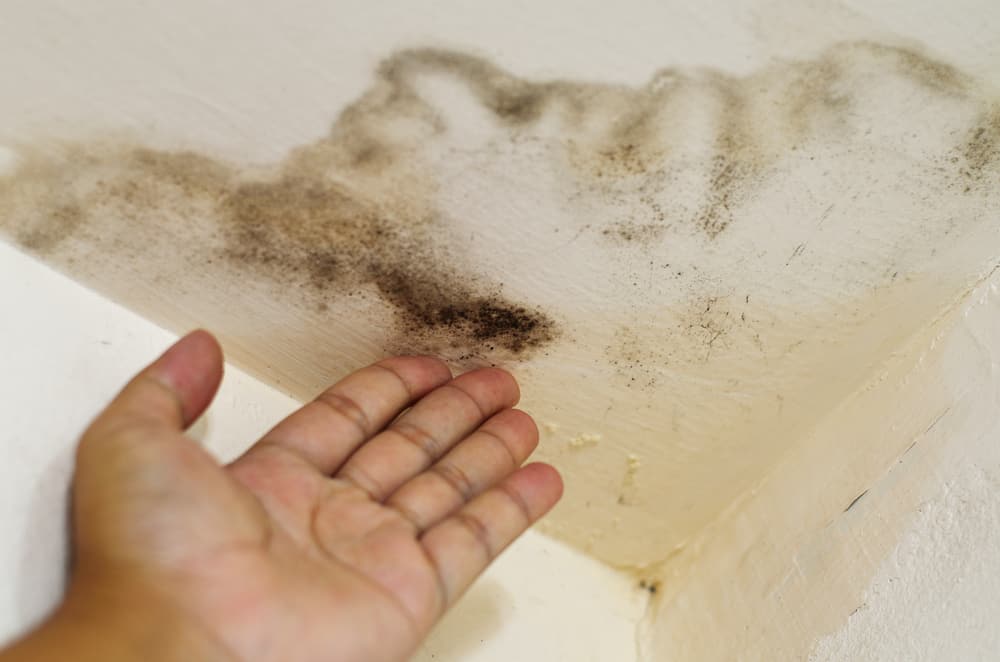
How much does mold remediation cost in North Great River, NY?
The honest answer is that it depends on where the mold is, how far it’s spread, and what caused it. For most residential projects in North Great River, professional mold remediation runs somewhere between $1,200 and $3,800. Attic mold remediation can range from $1,500 to $9,000 depending on the size of the attic and how deeply the mold has penetrated the sheathing and framing. Crawl space work typically falls between $500 and $4,000 for standard remediation, though encapsulation which we often recommend for the vented crawl spaces common in this area can push that higher.
What affects cost most is scope, and scope is almost always larger than it looks from the surface. Moisture mapping at the start of the job gives you an accurate picture of what’s actually affected before any work begins. We provide written, itemized estimates so you know exactly what’s included no scope surprises mid-job.
Does homeowner's insurance cover mold remediation in North Great River?
It depends on what caused the mold. Insurance typically covers mold remediation when it’s a direct result of a covered event like water damage from a burst pipe, a roof leak after a storm, or flooding tied to a nor’easter that your policy addresses. What it usually doesn’t cover is mold that developed from long-term moisture buildup or deferred maintenance, even if the underlying moisture issue was gradual and not obvious.
Suffolk County has experienced significantly more natural disasters than the national average, and the Town of Islip area was directly affected by Hurricane Sandy. If your mold problem in North Great River is connected to storm-related water intrusion even from an event that happened years ago and was never fully remediated there may be a coverage argument worth making. We help customers document the damage in the format insurance companies require and can assist with navigating the claims process from the start, which often makes a real difference in what gets covered.
What's the difference between mold remediation and mold removal?
Mold removal implies you can take it all out and that’s not quite how mold works. Mold spores are everywhere, including in normal indoor air. The goal isn’t to eliminate every spore; it’s to bring mold levels back down to what’s considered normal and safe, and to address the conditions that caused the growth in the first place. That’s what remediation means it’s a controlled, documented process, not just scrubbing visible mold off a surface.
This distinction matters because companies that promise complete mold “removal” are often oversimplifying what they’re doing, or worse, only treating what’s visible without finding the moisture source. Mold that comes back within a few months is almost always the result of remediation that didn’t address the root cause. In North Great River, where humidity and groundwater conditions create ongoing moisture pressure in crawl spaces and basements, treating the source isn’t optional it’s the whole point.
How do I know if my crawl space has a mold problem in North Great River?
The most common signs are a persistent musty smell in the first floor of your home especially in rooms that sit directly above the crawl space and visible discoloration on floor joists or subfloor when you look underneath. You might also notice your floors feeling soft or slightly springy in certain spots, which can indicate wood that’s been compromised by moisture over time.
In North Great River, the vented crawl space designs in many of the area’s older homes are a known driver of this problem. Vented crawl spaces were standard construction practice through the 1970s, but they actually introduce humid South Shore air into the space beneath your home rather than removing it. That’s a design issue, not a maintenance failure and it means crawl space mold is genuinely common in this area regardless of how well the home has been maintained. A proper moisture assessment will tell you what’s happening down there before the problem gets larger or starts affecting the living space above.
How quickly does mold grow after water gets into my basement?
Mold can begin growing within 24 to 48 hours of water intrusion sometimes faster in warm, humid conditions. That window is narrow, and it’s why the time between a flooding event and your first call to a remediation company matters more than most people realize. On the South Shore, nor’easters and heavy rainfall events can put water in a basement quickly, and the ambient humidity in this area during warmer months means conditions for mold growth are already favorable before the water even arrives.
If you’ve had water in your basement and it’s been more than a day or two, assume mold may already be present even if you can’t see it yet. Mold often establishes itself behind drywall, under flooring, or in insulation before it becomes visible. Getting a moisture assessment done promptly after any water intrusion event is the fastest way to understand the actual scope of what you’re dealing with and prevent a manageable situation from becoming a much larger one.
Is New York State mold remediation licensing required and how do I verify a contractor?
Yes and this one genuinely matters. Under Article 32 of New York State Labor Law, which took effect January 1, 2016, it is illegal to perform mold remediation in New York without a valid state-issued license. This applies to the contractor doing the work, not just the company name on the invoice. Hiring an unlicensed contractor puts you at real risk including the potential denial of an insurance claim if the insurer determines the work wasn’t performed by a licensed operator.
You can verify any contractor’s NYS mold remediation license directly through the New York State Department of Labor’s public license lookup tool it takes about two minutes and gives you confirmation that the license is active and in good standing. Richard Peterson, our owner, holds personal NYS licenses in both mold assessment and mold remediation contracting. That’s verifiable, individual accountability not a company-level credential that obscures who’s actually licensed. For North Great River homeowners with homes valued near $530,000, confirming licensure before signing anything is one of the simplest ways to protect yourself.
Useful Links
Other Services we provide in North Great River