
Hear from Our Customers
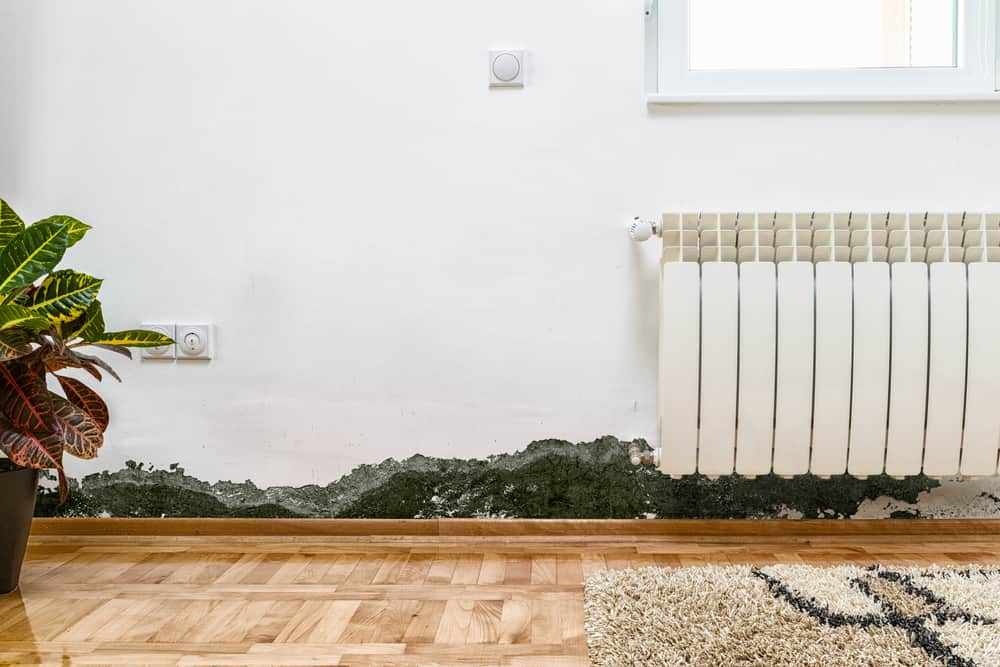
Mold doesn’t announce itself. It builds quietly behind drywall, under flooring, inside crawl spaces — and by the time you smell it or see it, it’s usually been there for a while. The good news is that proper remediation doesn’t just remove what’s visible. It addresses the moisture source driving the growth, so you’re not dealing with the same problem six months from now.
For homeowners in North Hempstead — where properties in Great Neck average $1.26 million and Manhasset homes push closer to $1.84 million — the financial reality of an unresolved mold problem is serious. A confirmed mold issue can reduce your home’s resale value by 20% to 37%, and half of buyers walk away from a property once mold is discovered during inspection. A documented, lab-verified remediation protects that value and keeps a real estate transaction on track.
The Long Island Sound sits right along North Hempstead’s northern border, and communities like Sands Point, Kings Point, and Port Washington deal with coastal humidity levels that push indoor moisture conditions year-round. Older homes throughout the town — Victorian-era properties in Great Neck’s Old Village, mid-century colonials in Manhasset, aging Tudors in Roslyn — have the kind of infrastructure that makes moisture intrusion a recurring risk, not a one-time event. Getting the remediation right the first time means your home, your family, and your investment are actually protected.
First Response Restoration and Cleaning Inc. has been serving North Hempstead and Nassau County homeowners since the mid-to-late 1990s. That’s not a marketing number — it means we’ve worked through every housing type this area has, from century-old estates near the Long Island Sound to post-war colonials in the unincorporated hamlets that make up North Hempstead’s interior.
Every technician who arrives at your door is individually IICRC certified. Not the company — the person doing the work. That distinction matters when you’re dealing with a high-value property and need to know the person handling it actually knows what they’re doing.
We also operate in full compliance with New York State Labor Law Article 32, which requires separate licensed professionals for mold assessment and remediation. A lot of homeowners in North Hempstead don’t know that law exists until something goes wrong with a company that ignored it. With us, you don’t have to ask — compliance is built into how we work.

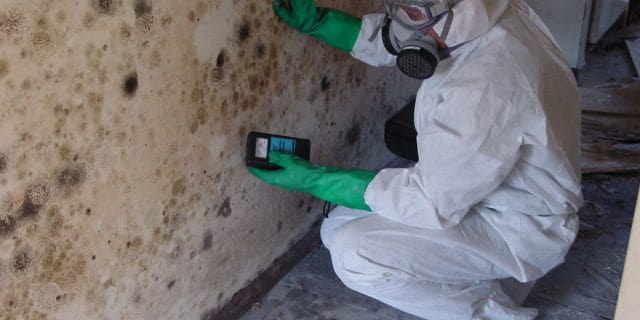
It starts with a 13-point mold inspection. Air testing, surface swabs, moisture measurements, infrared imaging to find what’s hiding behind walls — and written lab results delivered within 2 to 3 business days. That report is what your real estate attorney needs, what your insurance adjuster will ask for, and what gives you actual certainty instead of a contractor’s verbal opinion.
Once the scope is confirmed, remediation begins with the moisture source — not just the mold itself. Whether it’s a roof leak from a nor’easter that worked its way into an attic in Port Washington, Long Island Sound humidity infiltrating a crawl space foundation in Kings Point, or a slow plumbing leak behind a finished basement wall in Roslyn, we address the source first. Skipping that step is why mold comes back. Because North Hempstead has 30 incorporated villages — each with its own building department and permit requirements — we navigate that process on your behalf so you’re not chasing down the right office in the right village.
After remediation, clearance testing confirms the space is clean. And if building materials had to come out — drywall, insulation, structural elements — we handle the full rebuild. You don’t need a second contractor. The job isn’t done until the space looks and functions the way it did before.
Ready to get started?
Every remediation starts with a thorough inspection — not a quick visual scan, but a documented 13-point assessment using air sampling, swab testing, infrared imaging, and moisture readings. Lab results come back in writing. That documentation matters in Nassau County, where New York State’s Article 32 requirements and Nassau County’s Environmental Health Review Program standards both apply. You need a paper trail, and we build one from the start.
From there, the scope covers containment to prevent cross-contamination, removal of affected materials, HEPA filtration, antimicrobial treatment, and post-remediation clearance testing by an independent party. Whether it’s black mold remediation in a basement that flooded during a storm surge, crawl space mold remediation in an older home off Northern Boulevard, attic mold remediation caused by ice dam damage over a long North Hempstead winter, or mold damage repair following a burst pipe — the process is the same: thorough, documented, and built to last.
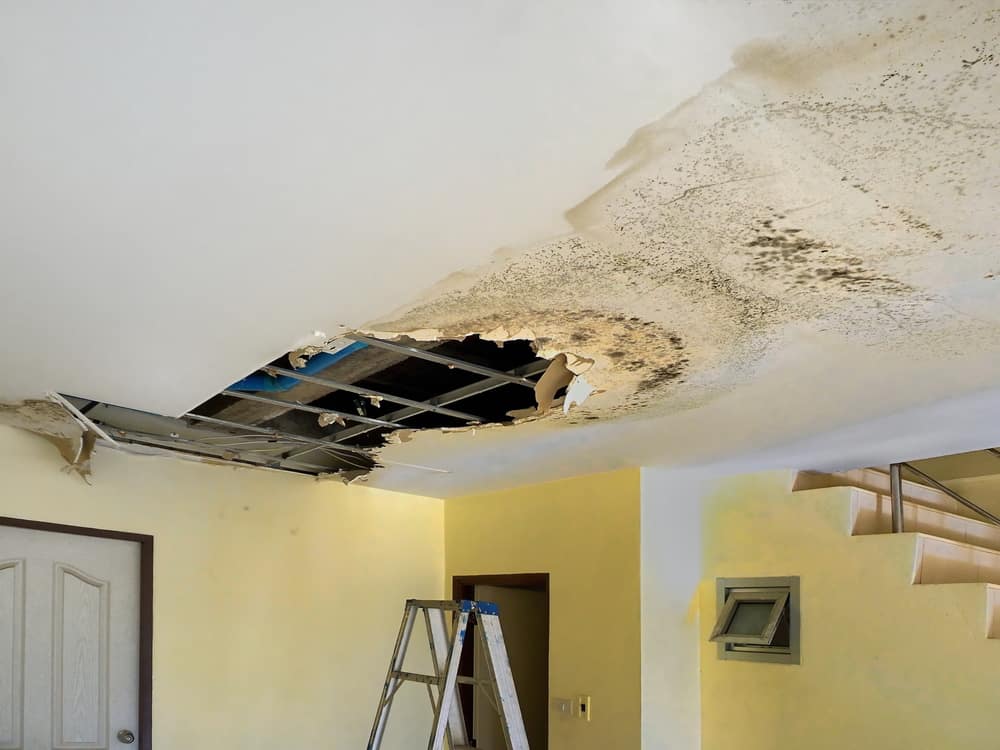
We also offer 24/7 emergency mold remediation response. Mold begins growing within 48 hours of a water intrusion event, and waiting until Monday morning to make a call isn’t always an option. When something happens over a weekend or in the middle of the night, the line is open and a fully equipped truck can be on its way.
Yes — and this is one of the most important things to understand before you hire anyone. New York State Labor Law Article 32 requires that any contractor performing mold assessment or mold remediation on an interior area of 10 square feet or larger must hold a license issued by the New York State Department of Labor. The law also prohibits the same licensed professional from performing both the assessment and the remediation on the same property. That separation exists specifically to protect homeowners from companies that inflate mold problems to generate remediation revenue.
In North Hempstead specifically, there’s an additional layer: Nassau County’s Environmental Health Review Program (EHRP) requirements apply on top of the state law. That’s a dual-layer regulatory framework that not every contractor operating in this area is fully prepared for. We operate in compliance with both. Before you sign anything with any mold company, ask directly whether they hold a current NYS DOL mold license and how they handle the assessment-remediation separation. If they can’t answer clearly, that’s your answer.
The national average for mold remediation runs around $2,300, but that number doesn’t mean much on its own. Cost depends on the size of the affected area, how far the mold has spread, what materials need to come out, and whether reconstruction is required after the remediation is complete. Smaller, contained situations — a bathroom ceiling or a section of basement wall — will fall on the lower end. Larger infestations that have spread through wall cavities, insulation, or structural framing can reach $10,000 to $30,000 or more.
In North Hempstead, the age of the housing stock plays a real role in cost. Victorian-era homes in Great Neck, older colonials in Manhasset, and mid-century construction throughout the town’s unincorporated hamlets often have building materials and configurations that require more careful handling than newer builds. Hidden mold behind original plaster walls or inside crawl spaces with no vapor barrier takes more time and labor to address properly. The inspection and lab results give you a clear picture of the actual scope before any remediation work begins — so there are no surprises once the job is underway.
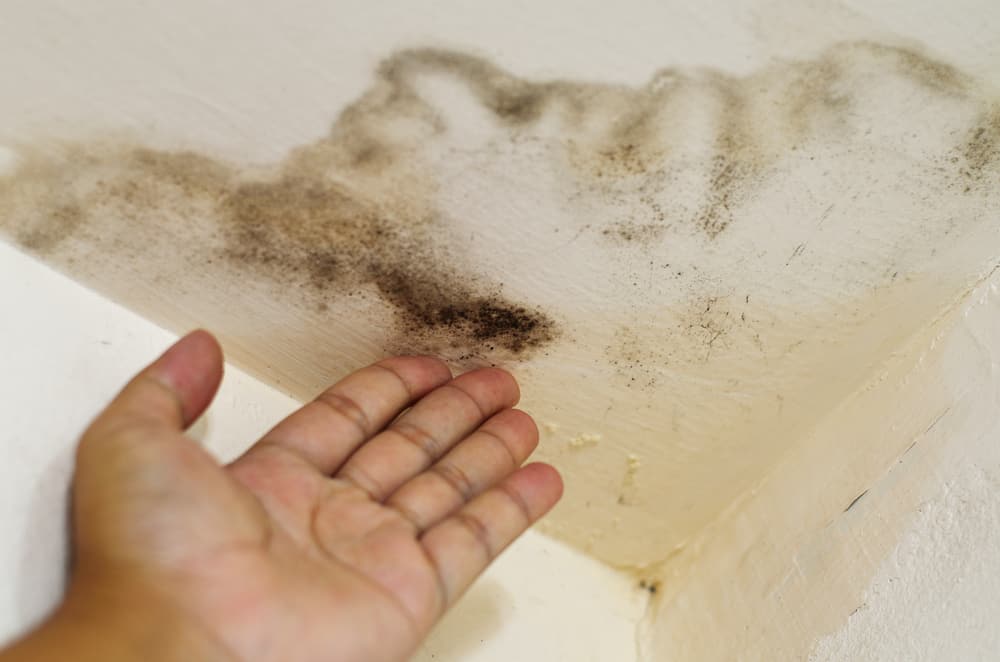
The honest answer is that you can’t know for certain without testing. Visual identification alone — even by an experienced contractor — can’t confirm species or concentration levels. Air sampling and surface swab testing, sent to an accredited laboratory, are what give you real data. That’s why the inspection process matters as much as the remediation itself.
What the research does confirm is that mold exposure is linked to 4.6 million asthma cases annually in the United States, along with respiratory irritation, allergic reactions, and more serious systemic health effects in people with compromised immune systems. In a community like North Hempstead — where about 35% of households have children under 18 and where Northwell Health, one of the country’s leading health systems, is headquartered — health awareness around indoor air quality tends to be high. If anyone in your household has been experiencing unexplained respiratory symptoms, persistent coughing, or worsening allergies, mold is a legitimate variable worth testing for. Lab results give you facts, not guesses.
It matters quite a bit. Mold removal implies you can take every mold spore out of a space — and that’s not realistic. Mold spores exist naturally in the environment, indoors and out. The goal of professional mold remediation is to bring indoor mold levels back to a normal, safe range and eliminate the conditions that allowed mold to grow in the first place. That means treating the moisture source, removing contaminated materials that can’t be salvaged, applying antimicrobial treatment to affected surfaces, and verifying through clearance testing that the space is back to baseline.
Companies that advertise “complete mold removal” are either using the term loosely or overpromising. The standard set by the EPA and the IICRC — the certifying body whose standards our technicians are trained to — is remediation, not removal. For North Hempstead homeowners going through a real estate transaction, this distinction also matters in documentation. A clearance report from an independent party confirming successful remediation carries weight with buyers, their attorneys, and their home inspectors in a way that a verbal “it’s all gone” never will.
Most people don’t know they have a crawl space mold problem until it’s already significant. Crawl spaces are low-traffic, low-visibility areas, and mold can establish itself and spread for years without triggering any obvious sign at the living level. By the time you notice a musty smell coming up through the floor or see moisture staining on the subfloor above, the growth is usually well beyond what a surface treatment can handle.
In North Hempstead, crawl space mold risk is elevated for specific reasons. Many of the town’s older homes — particularly those built before modern moisture barrier standards — have crawl spaces with little to no vapor barrier and inadequate ventilation. The town’s proximity to the Long Island Sound means ambient humidity levels in northern communities like Port Washington, Kings Point, and Sands Point stay elevated for much of the year. And the area’s water table in lower-lying sections near the Sound can push moisture up through the ground and into unprotected crawl spaces over time. A professional inspection using infrared imaging and moisture readings can confirm what’s actually happening down there before you’re dealing with a structural problem on top of a mold problem.
Fast — and not just because of the health concern. In a real estate transaction, a mold finding during a buyer’s home inspection creates a hard stop. Half of buyers walk away from a home after learning it has a mold history, and in a market where North Hempstead homes regularly trade at $1 million or more, that walkaway risk is a significant financial exposure for any seller. Even buyers who stay in the deal will typically require remediation to be completed and verified by an independent clearance test before closing.
The timeline pressure is real. Mold grows within 48 hours of a water intrusion event, and an existing mold condition doesn’t pause while you’re sorting out contractors. Our 2-to-3 business day lab turnaround, 24/7 availability, and full reconstruction capability after remediation mean the process can move quickly enough to keep a transaction alive. The documentation we produce — written lab results, clearance reports, photographic records — is exactly what buyers’ attorneys and inspectors ask for in Nassau County. Getting that paper trail in order fast is often the difference between a deal that closes and one that falls apart.
Useful Links
Other Services we provide in North Hempstead