
Hear from Our Customers
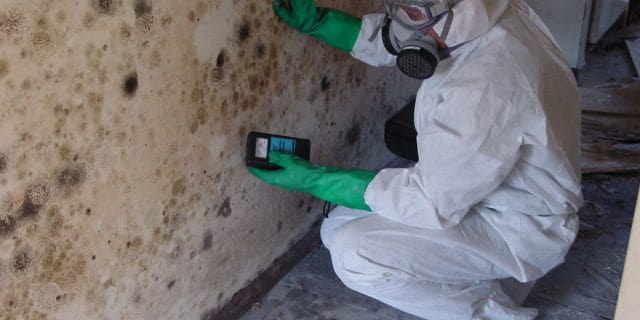
There’s a difference between a home that looks fine and one that actually is. In North Merrick, where the majority of homes were built between 1940 and 1969, that gap can be significant. Aging foundations, original plumbing, and decades of South Shore humidity have a way of creating moisture problems that never fully announce themselves — until the smell hits, or the inspector finds something during a sale, or someone in the house starts having unexplained respiratory issues.
When mold remediation is done right, you’re not just cleaning a surface. You’re addressing the moisture source that fed the growth in the first place. That means the mold doesn’t come back in six months because the underlying problem was never fixed. For North Merrick homeowners with properties in the $700K–$1M range, that distinction matters — both for the health of the people living there and the long-term value of the asset.
The other outcome worth mentioning is documentation. A written inspection report with lab results, clear scope of work, and post-remediation clearance testing gives you something tangible — whether you need it for an insurance claim, a real estate transaction, or simply your own peace of mind. That paper trail is part of every job we do.
We’ve been working in Nassau County for nearly 30 years, and that longevity means something in a market where companies come and go after every major storm. In North Merrick specifically, we’ve remediated mold in hundreds of homes built during the same postwar boom that shaped the rest of the South Shore — and we know exactly what’s behind those walls.
Every technician on our team is individually IICRC certified. Not just the company — every person who walks into your home. That matters in Nassau County, where the regulatory bar is already higher than most of New York. We hold both a New York State Department of Labor mold remediation license and a county-specific Environmental Hazard Remediation Provider (EHRP) license. North Merrick sits in the Town of Hempstead, and the homes here have a specific set of vulnerabilities that we’ve been working around for decades. The shallow water table throughout the South Shore interior, the aging foundation designs, the ventilation standards from the 1950s and 1960s that don’t match modern humidity control — we’ve seen it all, and we know how to address it.
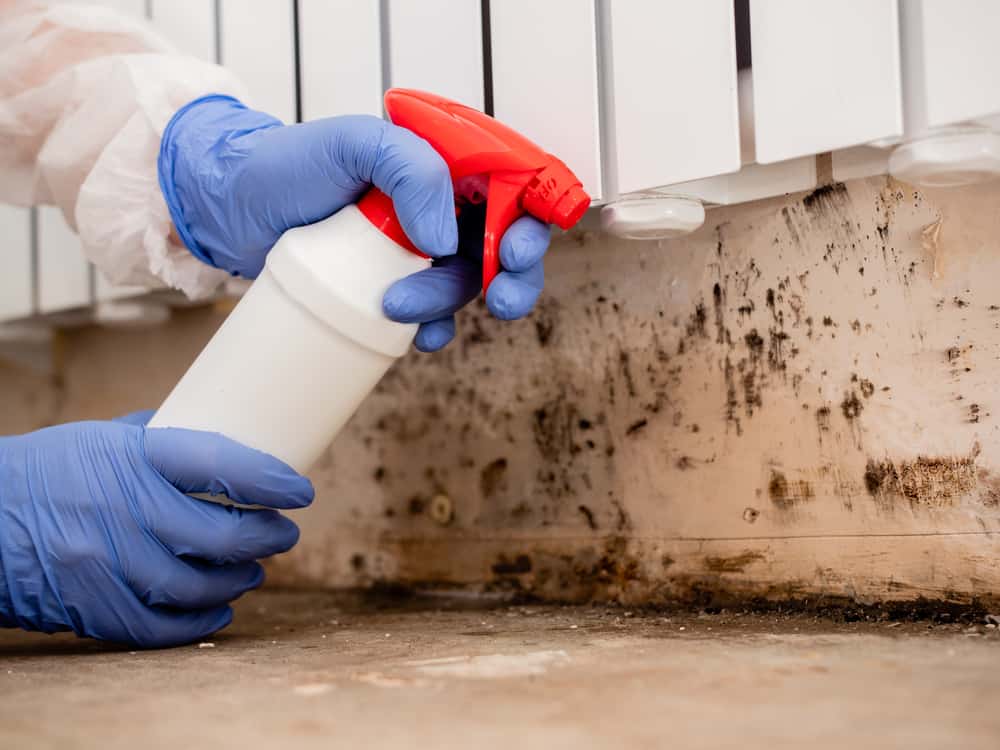
It starts with a 13-point inspection — not a quick walkthrough with a flashlight. Air sampling, swab testing, moisture readings, and infrared imaging to detect what’s hiding behind surfaces. In North Merrick’s older homes, infrared is often what finds the problem that a visual inspection would completely miss. Lab results come back within 2 to 3 business days, and you get a written report — not a verbal summary.
From there, the remediation scope is defined clearly before any work begins. Containment goes up to prevent cross-contamination to unaffected areas of the home. HEPA air filtration runs throughout the process. Affected materials — drywall, insulation, framing — are removed safely and disposed of properly. The moisture source driving the growth gets addressed, because skipping that step just means you’re scheduling the same job again in a year.
One thing worth knowing: under New York State’s Article 32 law, the company that performs your mold assessment cannot be the same company that does your remediation. That’s a consumer protection rule, and it’s one reason why the inspection and remediation are handled as separate, documented phases. Once remediation is complete, clearance testing confirms the work is done. And if reconstruction is needed — new drywall, insulation, or structural repairs — we handle that too, so you’re not left coordinating a second contractor to finish what the first one started.
Ready to get started?
Our mold remediation service covers the full scope — inspection, containment, removal, treatment, and post-remediation clearance. In North Merrick specifically, the most common problem areas are basements and attics, and for good reason. The water table throughout the South Shore Nassau interior is shallow. Basement slabs in homes built in the 1950s and 1960s weren’t designed with modern waterproofing in mind, and hydrostatic pressure during wet seasons creates the kind of chronic low-level moisture that feeds mold growth over years without ever producing a visible flood.
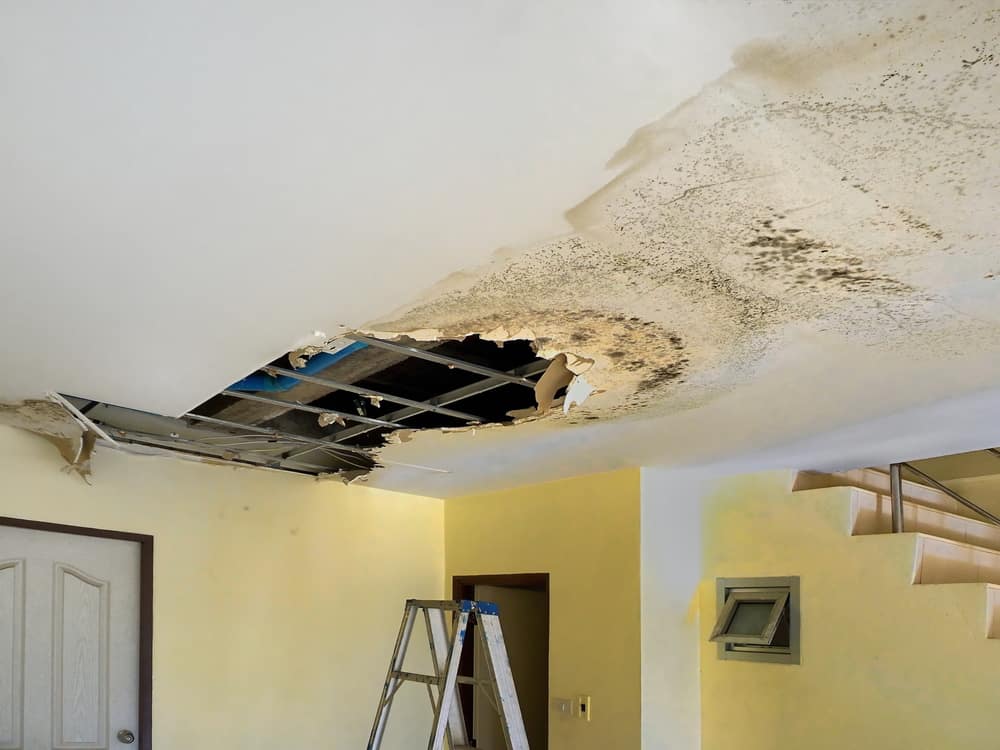
Attics in homes of this era are a separate issue. Ventilation standards from that period don’t match what’s needed to manage Long Island’s summer humidity, which regularly exceeds 60% — the threshold at which mold actively grows. When warm, humid coastal air gets trapped in an under-ventilated attic, roof sheathing and insulation become prime real estate for mold colonies that most homeowners never see until the damage is significant.
Every job also includes the documentation package: written inspection report, lab results, photographic records, moisture readings, and clearance testing after remediation is complete. For homeowners navigating an insurance claim, that documentation is often the difference between a paid claim and a denied one. And because we’re a full-service restoration company — not just a cleanup crew — reconstruction of affected areas is available on the same job, handled by our team, without requiring you to bring in a separate contractor.
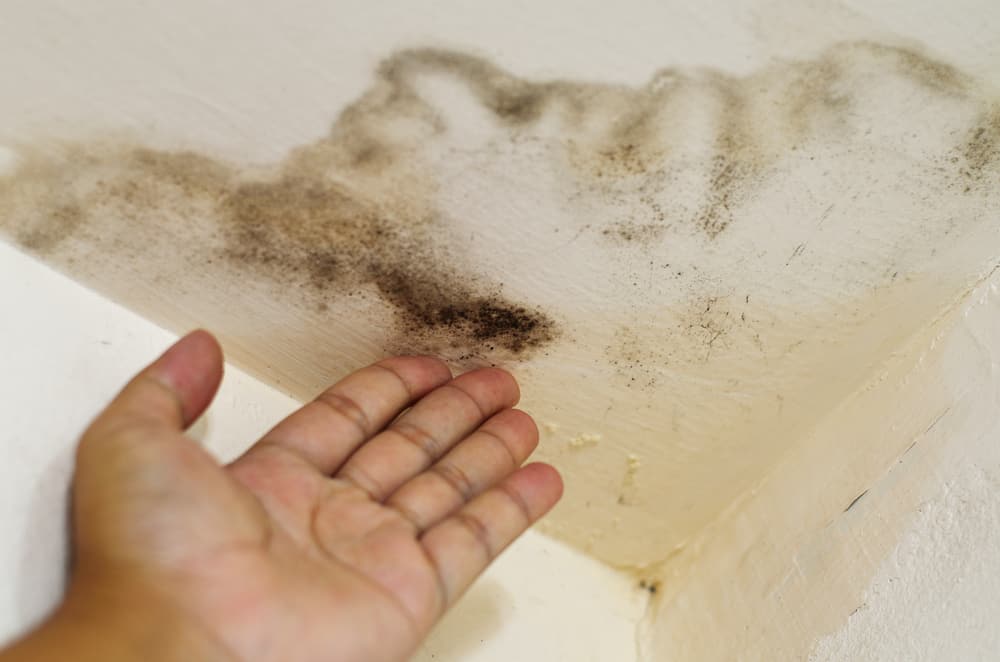
The honest answer is that you often don’t — not without testing. Mold in North Merrick’s older homes tends to grow in places that aren’t visible: inside wall cavities, under flooring, in attic insulation, and along basement foundation walls where moisture seeps in slowly over time. A musty smell in a specific room, unexplained allergy symptoms that improve when you leave the house, or water stains that appeared after a storm or plumbing issue are all signals worth taking seriously.
The only way to know for certain is a professional inspection that includes air sampling and moisture testing, not just a visual walkthrough. Infrared imaging is particularly useful in homes built between 1940 and 1969 — the construction era that defines most of North Merrick’s housing stock — because it can detect temperature differentials behind walls and ceilings that indicate trapped moisture and potential mold growth. If your home experienced any water intrusion during past nor’easters or had a sump pump failure at any point, that’s reason enough to schedule an inspection even if nothing looks wrong on the surface.
Cost depends on the size of the affected area, the type of mold present, and how much material needs to be removed and replaced. For a contained problem — say, mold in one section of a basement or a localized attic area — you’re typically looking at somewhere in the range of $1,500 to $4,000. Larger or more severe situations involving multiple rooms, structural framing, or extensive material removal can run $10,000 to $30,000 or more.
In Nassau County, labor costs run higher than national averages, so you should expect to land at the upper end of any national cost range you find online. That said, for a North Merrick homeowner with a property valued at $700,000 or more, the cost of proper remediation is a rational investment compared to what mold can do to a home’s resale value — documented studies show mold can reduce a home’s value by 20% to 37% if it’s discovered during a sale. Getting a written scope of work and a clear cost estimate before anything starts is standard practice, and we provide that without pressure.
Mold removal implies that mold can be completely eliminated from a space — and that’s not really how it works. Mold spores exist naturally in the air and in virtually every indoor environment. What remediation does is bring mold levels back to a normal, safe range by removing the active growth, treating affected surfaces, and — critically — addressing the moisture source that allowed the mold to colonize in the first place.
A company that promises to “remove all mold” is either oversimplifying or being misleading. Remediation is the accurate term because it reflects what the process actually achieves: controlled reduction to safe levels, documentation of the result, and prevention of recurrence by fixing the underlying problem. In practical terms, what you care about is whether the mold is gone from the areas where it was growing, whether the air quality tests clear after the job is done, and whether the conditions that created the problem have been corrected. That’s what a proper remediation delivers — and that’s what the post-remediation clearance test confirms.
It depends on how the mold got there. Most standard homeowners insurance policies in New York will cover mold remediation if the mold resulted from a covered peril — a burst pipe, an appliance leak, or storm-related water intrusion that was sudden and accidental. What policies typically don’t cover is mold that developed from a long-term maintenance issue, like a slow foundation seep that was never addressed or chronic basement dampness from a high water table.
For North Merrick homeowners, the distinction matters because many of the moisture problems in this area’s older homes are gradual rather than sudden. If your mold is tied to a specific event — a sump pump failure during a storm, a roof leak after a nor’easter — document everything immediately and contact your insurer before any work begins. The written inspection report, lab results, and photographic documentation that come with our remediation work are exactly what adjusters ask for when evaluating a claim. Having that paperwork organized and complete significantly improves your chances of a successful claim outcome.
Timeline depends on the scope of the job. A contained remediation in one area — a basement corner, a bathroom, part of an attic — can often be completed in one to three days. Larger jobs involving multiple rooms or significant material removal and reconstruction can take a week or more. You’ll know the estimated timeline before work begins because the scope of work is defined in writing upfront.
Whether you can stay in the home during remediation depends on where the mold is and how extensive the containment needs to be. For localized jobs in areas like a basement or attic that are physically separated from your living space, staying in the home is often fine. For larger remediation projects — especially those involving HVAC systems or central living areas — temporary relocation may be the safer and more practical option. If you have children or anyone in the household with respiratory sensitivities, that’s worth factoring into the decision. Our technician will give you a straightforward answer based on the actual conditions in your home, not a blanket policy.
This is actually a legal requirement, not a preference. New York State’s Article 32 mold law, which took effect in January 2016, specifically prohibits the same company from performing both the mold assessment and the mold remediation on the same property. The law exists because the inspection-and-remediation conflict of interest was a documented problem in the industry — companies would conduct “free inspections” and then find mold that justified expensive remediation, whether the remediation was truly necessary or not.
In Nassau County, the regulatory layer goes even further. In addition to the state licensing requirement, remediation contractors must hold a county-specific Environmental Hazard Remediation Provider license issued by the Nassau County Department of Health. That’s a second credential on top of the state license — and not every company operating in North Merrick holds both. Before you hire anyone for mold work in your home, ask for their New York State DOL license number and their Nassau County EHRP license. If they can’t provide both, they are not legally authorized to do the work — and that’s a liability that falls on you as the homeowner if something goes wrong.
Useful Links
Other Services we provide in North Merrick