
Mold Remediation in North New Hyde Park, NY
When a $970K Home Has a Mold Problem, Half-Measures Aren't an Option
Hear from Our Customers
Certified Mold Remediation North New Hyde Park
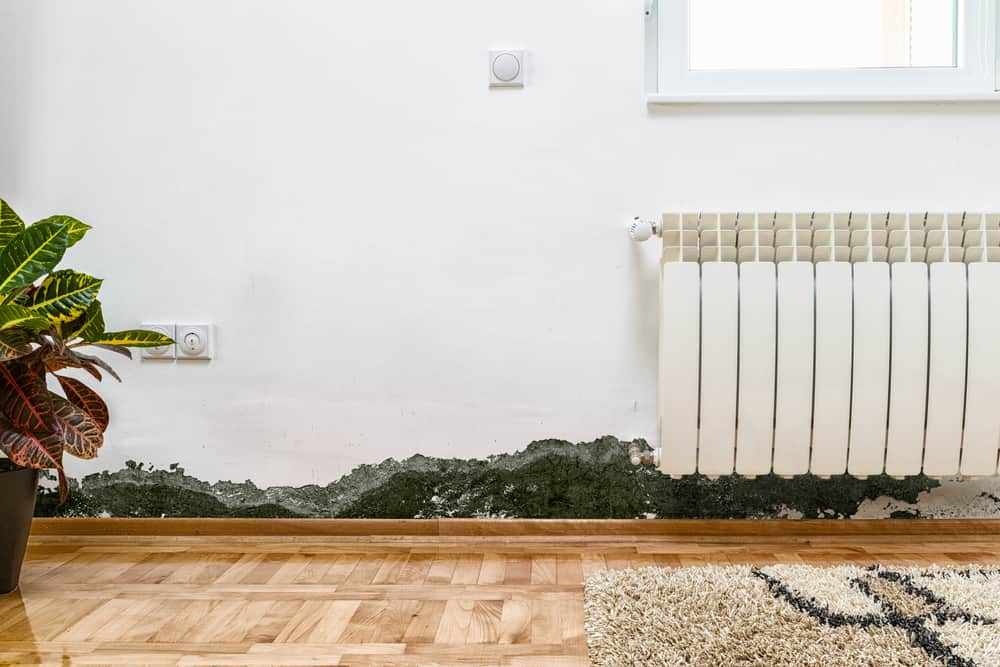
When mold shows up in a North New Hyde Park home, the concern isn’t just the smell or the stain on the wall. It’s what’s behind the wall. The post-war Cape Cods and split-levels throughout this area many with full basements, older plumbing, and minimal vapor barriers create the exact conditions mold needs to grow undetected for months. By the time you notice it, there’s often more you can’t see.
What professional mold remediation actually gives you is certainty. You know the mold is gone, not just covered. You know the moisture source has been identified and corrected, not ignored. And you have the lab reports and clearance documentation to prove it which matters enormously if you’re navigating an insurance claim, planning a sale, or simply trying to protect a home you’ve invested decades into.
Nassau County’s coastal humidity doesn’t let up in the summer months, and homes in North New Hyde Park that rely on older HVAC systems are especially vulnerable to condensation buildup in attics and around ductwork. Getting ahead of that with a real remediation process, not a bleach-and-paint job is what keeps the problem from coming back six months later.
Mold Remediation Companies North New Hyde Park NY
We’ve been serving Nassau County homeowners for close to three decades, with deep roots in North New Hyde Park and the surrounding communities. That’s not a marketing line it’s the reason we understand what’s actually happening inside the homes in this area. The aging foundations, the full basements with sump pumps that have seen better days, the attic spaces above bedrooms where ice dams quietly push water under shingles every winter we’ve worked in these homes across North New Hyde Park, Herricks, Garden City Park, and throughout western Nassau County.
Every technician we send is individually IICRC-certified. Not our company as a whole each person doing the work. That distinction matters when the job requires real judgment, not just a checklist.
We’re also fully compliant with New York State’s 2016 mold law, which requires separate licensed entities for assessment and remediation. We’ll explain exactly what that means for you and why it actually protects your interests before any work begins.
Professional Mold Cleanup and Remediation North New Hyde Park
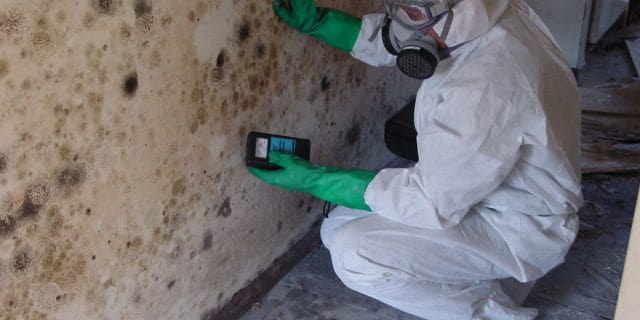
It starts with a 13-point mold inspection not a visual walkthrough and a verbal opinion, but a documented assessment that includes air testing, surface swab sampling, infrared imaging to detect hidden moisture behind walls, and moisture level readings throughout the affected area. Lab results come back within two to three business days, and you get a written report you can actually use for your insurance company, your real estate attorney, or your own peace of mind.
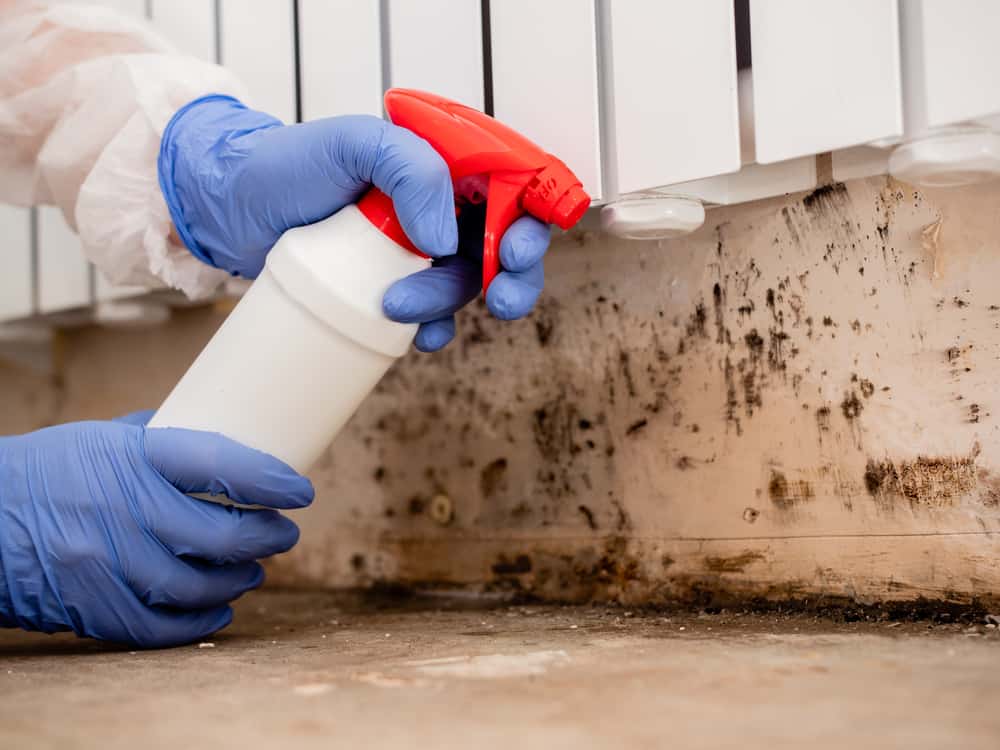
Once the scope is confirmed, containment goes up before any remediation begins. That means sealing off the affected area so mold spores don’t migrate to clean parts of your home during the removal process. HEPA air scrubbers run continuously throughout the job. All contaminated materials drywall, insulation, framing are removed, bagged, and disposed of properly. In North New Hyde Park, where many homes fall under Town of North Hempstead permitting requirements for structural work, we handle that part of the conversation so you’re not navigating it alone.
After remediation, we don’t just hand you a bill and leave. Clearance testing confirms the space is clean before we close it up. And if walls or flooring need to be rebuilt, we handle full reconstruction so you’re not left coordinating a second contractor after we’re done.
Ready to get started?
Basement and Attic Mold Remediation North New Hyde Park NY
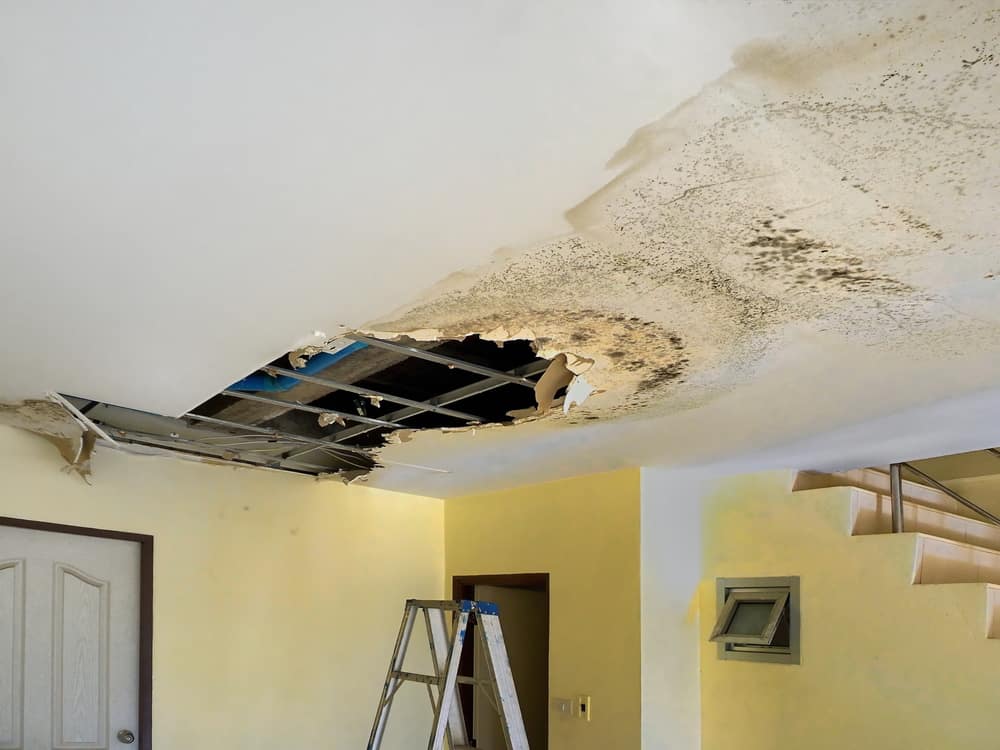
The most common mold calls we get from North New Hyde Park homeowners fall into a few clear categories: basement water intrusion after a heavy rain or a sump pump failure, attic mold from condensation or a compromised roof, and hidden wall mold discovered during a renovation or a pre-sale inspection. Each one requires a different approach, and we’re set up to handle all of them with fully stocked trucks that carry the equipment to start the same day you call.
Basement mold remediation in this area often involves addressing the water source first whether that’s a cracked foundation, a failed drain tile system, or a slow plumbing leak that’s been feeding moisture into the framing for years. Attic mold remediation typically requires infrared imaging to map the full extent of the damage before any material is removed, because what’s visible from the hatch is rarely the whole picture. For crawl space mold remediation, encapsulation is often part of the solution sealing the space against ground moisture that Nassau County’s seasonal water table fluctuations push up consistently.
We’re available 24 hours a day, seven days a week for emergency mold remediation. If you’re dealing with a burst pipe at 10 p.m. or a basement that took on water during a nor’easter, you don’t have to wait until Monday morning. We also assist with insurance documentation throughout the process because a mold claim on a home worth close to $1 million deserves more than a stack of photos and a verbal estimate.
Does homeowners insurance cover mold remediation costs in North New Hyde Park, NY?
It depends on how the mold started. Most standard homeowners insurance policies in New York will cover mold remediation if it resulted directly from a covered peril a burst pipe, storm damage, or an appliance failure, for example. What they typically won’t cover is mold that developed from long-term neglect, a slow leak that went unaddressed, or general humidity buildup over time. That distinction matters a lot in North New Hyde Park, where many homes have aging plumbing systems that can develop pinhole leaks behind walls for months before anyone notices.
The documentation piece is critical. Insurance companies want a written inspection report, lab results, and a clearly defined scope of work before they’ll process a claim. That’s exactly what our 13-point inspection produces and we’ll help you organize that paperwork so your claim has what it needs from the start. If your insurer pushes back, having certified technicians and lab-verified findings behind you makes a significant difference in how that conversation goes.
How much does mold remediation typically cost for a Long Island home?
The range is wide because the scope varies so much. A contained bathroom or laundry room situation might run in the $1,500 to $3,500 range. A basement with significant water intrusion history, or an attic with mold spread across the sheathing, can run anywhere from $5,000 to $15,000 or more depending on the square footage affected and what materials need to be removed and replaced. In Nassau County, where labor costs and disposal fees are higher than the national average, you should expect pricing toward the upper end of published national ranges.
What drives cost up most is scope that wasn’t caught early. A slow leak behind a wall that goes undetected for six months creates a much larger remediation job than the same leak caught in week two. That’s one reason the inspection matters so much knowing exactly what you’re dealing with before work begins prevents scope surprises mid-job. We provide a written estimate before anything starts, so you know what you’re agreeing to.
What's the difference between mold removal and mold remediation?
Mold removal usually refers to cleaning visible mold off a surface wiping it down, applying a biocide, and calling it done. It’s a surface treatment. Mold remediation is a broader process that includes identifying the moisture source, containing the affected area to prevent cross-contamination, removing damaged materials that can’t be salvaged, treating the remaining structure, and verifying through post-remediation testing that spore levels are back within normal range.
The reason this matters in practice: mold that’s cleaned off a surface but not properly remediated with the moisture source still active will return. In older North New Hyde Park homes where the moisture source is often something structural (a foundation crack, inadequate attic ventilation, aging window seals), a surface-only treatment is essentially a temporary fix. Remediation addresses the root cause. It’s also what New York State’s licensing framework is built around licensed mold remediation contractors are held to a defined standard of process, not just outcome.
Can I stay in my home during the mold remediation process?
In most cases, yes but it depends on where the mold is located and how extensive the remediation is. For a contained area like a basement or a single bathroom, proper containment barriers and negative air pressure systems keep the rest of your home livable. You’d want to stay out of the immediate work area, but the rest of the house is generally fine.
Where it gets more complicated is whole-home or multi-room remediation, or situations where the HVAC system itself is involved. If mold spores have entered the ductwork, running the system during remediation can spread contamination to clean areas. In those cases, we’ll be straightforward with you about whether temporary relocation makes more sense. We’d rather give you an honest answer upfront than tell you what you want to hear and create a bigger problem. If you’re unsure, ask us directly when you call we’ll give you a real answer based on what we find during the inspection.
How do I know if my North New Hyde Park basement has mold after a flooding event?
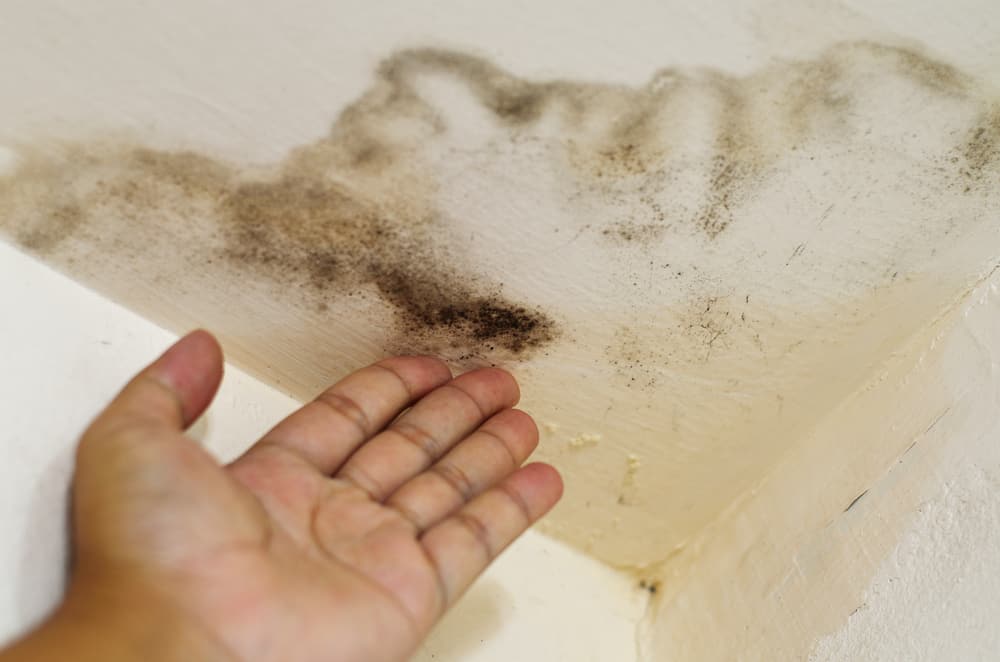
The most obvious signs are visible discoloration black, green, or white patches on drywall, wood framing, or concrete block and a persistent musty smell that doesn’t go away after the space dries out. But those are late-stage indicators. Mold can be actively growing behind drywall, under flooring, or inside wall cavities for weeks before you see or smell anything.
After any water intrusion event a sump pump failure, a heavy rain that pushed water through a foundation crack, or a storm like the remnants of Hurricane Ida that caused widespread basement flooding across Nassau County in 2021 the safest assumption is that mold has started if the space wasn’t dried out within 24 to 48 hours. At that point, a professional inspection with moisture readings and air sampling is the only way to know for certain what you’re dealing with. Visual inspection alone misses too much in finished basements where the framing is behind drywall.
Does New York State require a separate company to inspect and remediate mold?
Yes. New York State enacted a law in 2016 that prohibits the same contractor from both assessing and remediating mold on the same property. The intent was to eliminate a conflict of interest that was well-documented in the industry companies that conduct their own assessments have a financial incentive to find more mold than is actually there. By requiring separate licensed entities for each role, the law gives homeowners an independent assessment before any remediation work is sold to them.
In practical terms, this means if a company shows up, does a quick walk-through, and immediately quotes you a remediation job without involving a separate assessor, they may not be operating within the law. It’s worth asking any contractor you speak with how they handle this requirement. We’re fully compliant we work within the framework the law requires, and we’ll explain the process clearly before anything begins. For North New Hyde Park homeowners navigating this for the first time, understanding this law is one of the most useful things you can know before making any calls.
Useful Links
Other Services we provide in North New Hyde Park