
Mold Remediation in Northville, NY
North Fork Homes Deserve More Than a Surface Fix
Hear from Our Customers
Certified Mold Remediation in Northville, NY
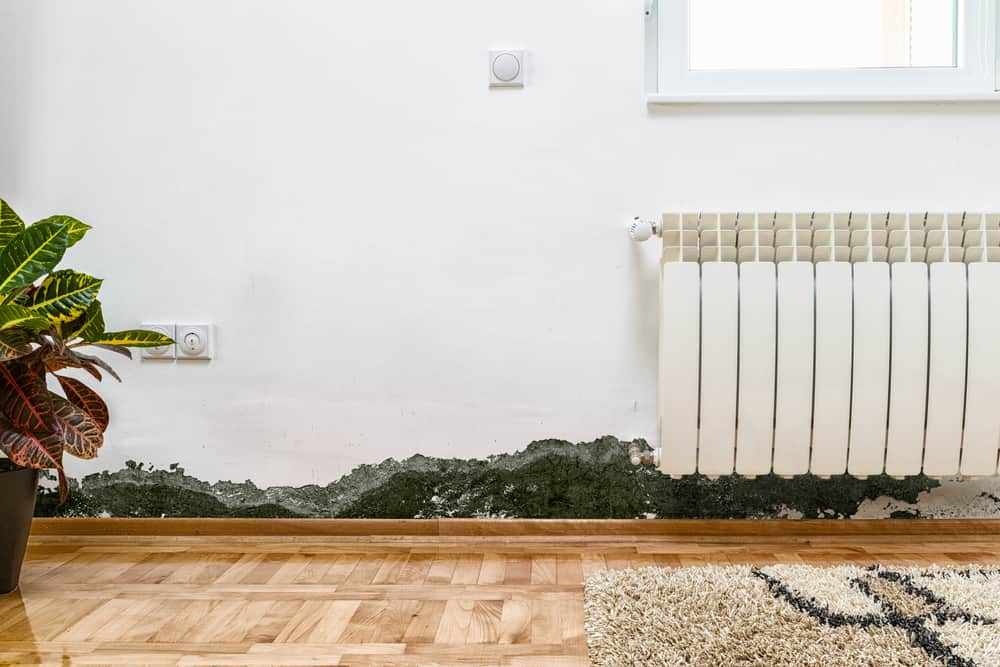
Most mold problems in Northville come back because the company that handled them stopped at the surface. They treated what was visible, handed over a receipt, and left the underlying moisture condition completely intact. Three months later, the smell is back. That’s not remediation that’s a delay.
When the job is done right, you’re not just getting rid of discoloration on drywall. You’re getting a home where the crawl space isn’t pulling ground moisture from the sandy, irrigated soil surrounding Northville’s farm and vineyard parcels. You’re getting an attic that isn’t silently growing mold because the ridge ventilation hasn’t kept pace with the North Fork’s summer humidity. You’re getting a property that’s genuinely safe for your family, for a buyer’s inspector, or for the season ahead.
For second-home owners who close up their Northville property in October and return in May, the difference between a properly remediated home and one that wasn’t is what greets you when you open the door. For homeowners raising families along Sound Avenue, it’s the air quality in the rooms your kids sleep in. The outcome isn’t just a clean house it’s a house that stays clean.
Professional Mold Remediation Company in Northville, NY
We’ve been working on Long Island for approximately 31 years. That’s long enough to know that a crawl space in Northville behaves differently than one in Hauppauge and that the older farmhouses along Sound Avenue have moisture challenges that a company without East End experience won’t anticipate until it’s already a problem.
Owner Richard Peterson holds personal New York State licenses in both mold assessment and mold remediation. Not a company-level credential his name, his license. That matters because it means someone with real accountability is behind every job in Northville, not a franchise system or a call center routing your project to whoever is available. Every technician on our team carries individual IICRC certification, which is the professional standard the restoration industry actually measures against.
We also handle the full cycle from initial containment through final cleaning so you’re not coordinating multiple contractors to get your Northville home back to where it needs to be.
Mold Cleanup and Remediation Process in Northville, NY
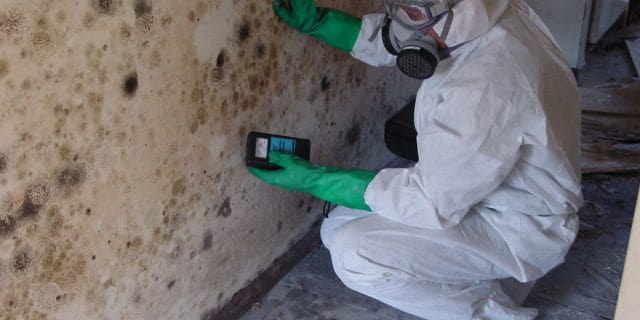
It starts with moisture mapping, not mold removal. Before anything is torn out or treated, we identify every moisture source feeding the growth because in Northville’s environment, that source might be ground moisture migrating through a crawl space with an inadequate vapor barrier, condensation in an attic that’s fighting the North Fork’s sustained summer humidity, or water intrusion from a storm that found its way into a wall cavity months ago. Skipping this step is why mold comes back.
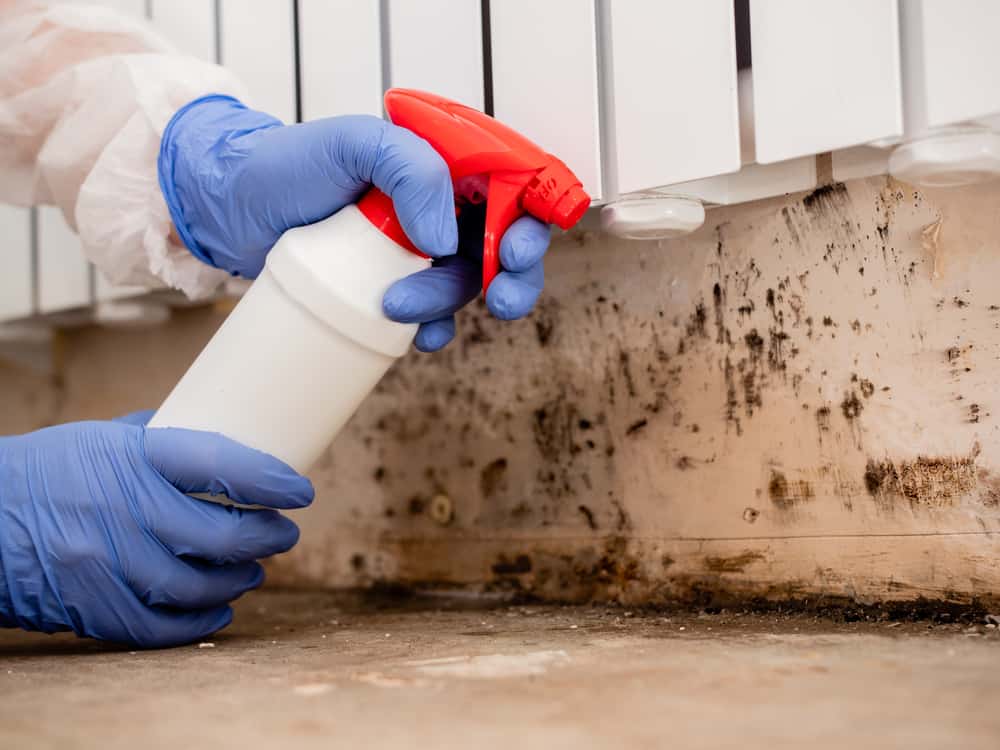
Once the source is identified, the affected area is contained using negative air pressure and HEPA filtration to prevent spores from spreading to unaffected parts of your home during the removal process. Contaminated materials are removed, treated, and disposed of properly. Structural drying follows where needed. If your project requires a permit through the Town of Riverhead which governs Northville we’ll walk you through what’s required before work begins, so there are no surprises mid-project.
The final step is post-remediation verification: independent air quality testing that confirms spore counts have returned to normal. You get documentation you can hand to an insurance company, a real estate attorney, or simply keep for your own records. The job isn’t done until the results confirm it.
Ready to get started?
Black Mold Remediation and Mold Damage Repair in Northville, NY
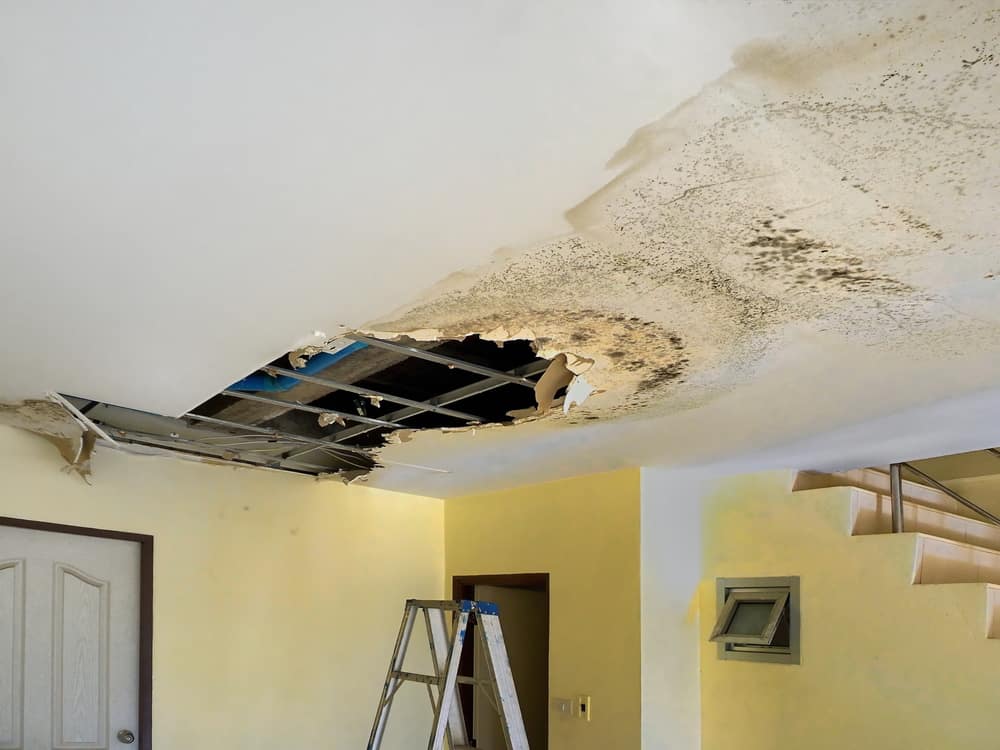
Mold remediation in Northville, NY covers a wider range of scenarios than most homeowners expect when they first make the call. Crawl space mold remediation is one of the most common requests in this area older agricultural properties and farmhouses near Sound Avenue frequently deal with ground moisture intrusion that standard vapor barriers weren’t built to handle long-term. Attic mold remediation is another frequent issue, driven by the North Fork’s maritime humidity and older roof systems that don’t ventilate the way modern construction does. Basement mold remediation, emergency mold remediation after storm events, and HVAC-related mold are all part of what we handle regularly.
New York State law under Article 32 of the Labor Law requires that mold remediation in Northville and anywhere in New York be performed by a licensed contractor. It also prohibits the same company from performing both mold assessment and mold remediation on the same project, which is a consumer protection rule worth knowing before you hire anyone. We’re fully licensed and compliant, and our license numbers are verifiable through the NYS Department of Labor.
Mold remediation cost in Northville, NY typically ranges from $1,223 to $3,754 for most residential projects, with crawl space work running $500 to $4,000 and attic remediation reaching $1,500 to $9,000 depending on the scope. Every project starts with a written estimate no scope creep, no surprises after the work begins.
How do I know if my Northville home actually needs professional mold remediation?
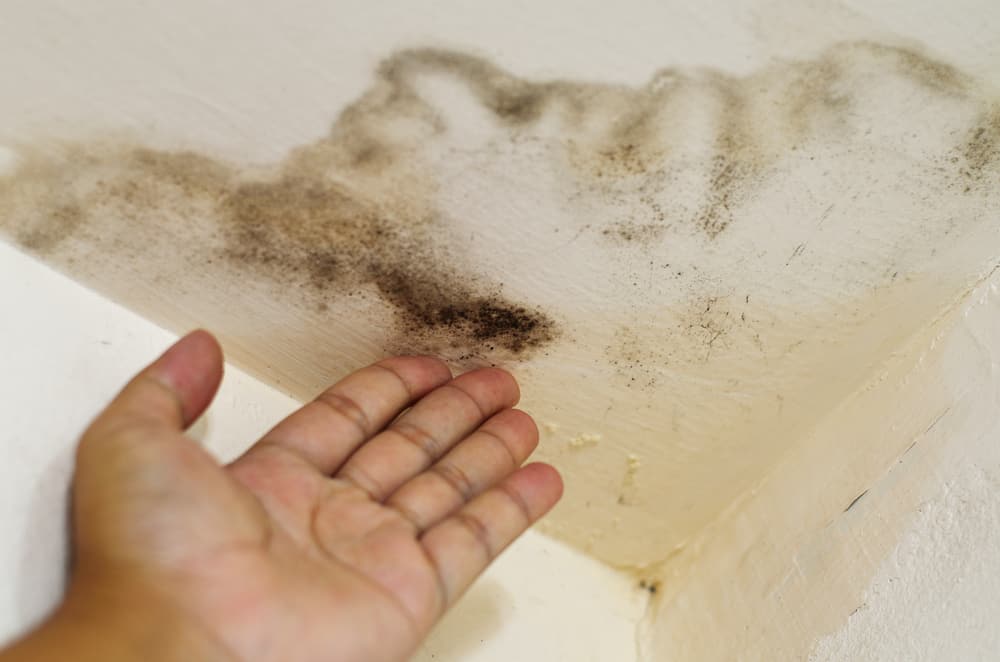
The honest answer is that visible mold isn’t always the deciding factor. In Northville’s older housing stock particularly farmhouses and crawl space properties near Sound Avenue and the surrounding agricultural parcels mold frequently develops inside wall cavities, under flooring, and in attic insulation long before it becomes visible. A musty odor that doesn’t go away, recurring allergy or respiratory symptoms in family members, or a home inspector’s flag during a North Fork real estate transaction are all signals worth taking seriously.
The threshold for professional remediation under New York State guidelines is generally 10 square feet or more of visible mold growth. Below that, a careful DIY approach may be sufficient. Above it, state law effectively requires a licensed contractor. But square footage alone doesn’t capture the full picture if the mold is inside your HVAC system, in a crawl space with ongoing moisture intrusion, or in a property that was closed up for a winter season without climate control, the scope and risk are different than surface mold on a bathroom wall. A licensed mold assessment is the right starting point when you’re not sure.
How much does mold remediation cost in Northville, NY for a typical home?
Cost depends on where the mold is, how much of it there is, and whether structural materials need to come out. For most residential projects in Northville, you’re looking at a range of $1,223 to $3,754. Crawl space mold remediation which is one of the most common scenarios in this area given the older housing stock and the moisture conditions that come with being adjacent to irrigated farm and vineyard land typically runs $500 to $4,000 for standard work, and can go higher when crawl space encapsulation is also needed to prevent recurrence. Attic mold remediation tends to range from $1,500 to $9,000 depending on attic size and how far the growth has spread.
What affects cost most is scope and scope is something a licensed assessor determines before any work starts. We provide written estimates up front so you know exactly what you’re paying for before anyone picks up a tool. If your situation involves a homeowner’s insurance claim, we can help you document the damage in the format your insurer needs, which can significantly affect your out-of-pocket exposure.
Does homeowner's insurance cover mold remediation on a North Fork property?
It depends on what caused the mold. Most standard homeowner’s insurance policies in New York cover mold remediation when it results directly from a covered event a burst pipe, sudden water intrusion, or storm damage from a nor’easter, for example. What they typically don’t cover is mold that developed gradually over time from a long-term moisture condition, like a crawl space that’s been slowly taking on ground moisture for years or an attic with chronic condensation issues. This distinction matters a lot on the North Fork, where seasonal vacancy means a problem can develop over an entire winter before anyone notices it.
For second-home and vacation property owners in the Northville area, seasonal homeowner policies can add another layer of complexity some policies have specific exclusions for properties that are unoccupied beyond a certain number of days. The key is documentation: when you report the damage, how you describe the cause, and what evidence you have all affect how the claim is evaluated. We help customers navigate this process and document the damage correctly from the start, which can make a real difference in what gets covered.
What's the difference between mold remediation and mold removal?
Mold removal is a term that gets used loosely, and it can be misleading. The idea of completely “removing” mold implies you can get every spore out of a structure which isn’t realistic, because mold spores exist naturally in the environment and can’t be fully eliminated from any indoor space. What professional mold remediation actually does is bring indoor mold levels back down to normal, naturally occurring concentrations by removing contaminated materials, treating affected surfaces, controlling moisture, and verifying the result with air quality testing.
The remediation standard the industry follows the IICRC S520 is built around this goal: not zero mold, but mold levels that are safe and consistent with the outdoor environment. In practice, this means containment so spores don’t spread during the process, physical removal of contaminated drywall, insulation, or wood, HEPA filtration during and after the work, antimicrobial treatment of affected surfaces, and post-remediation air testing to confirm the result. Any company that promises to completely “remove” all mold from your Northville home is either using imprecise language or overpromising and either way, it’s worth asking how they verify the outcome.
Can mold grow in a Northville vacation home that was closed for the winter?
Yes and it’s one of the more common scenarios on the North Fork. When a home is closed up for winter without active climate control, indoor humidity levels can climb significantly, especially in older structures with less insulation and less airtight construction. Without heat running, the interior temperature drops, moisture condenses on cold surfaces, and crawl spaces which are common in Northville’s older housing stock pull ground moisture upward without any mechanical drying to counter it. By the time a seasonal homeowner returns in April or May, mold can have months of undisturbed growth behind it.
The areas most commonly affected in seasonally vacant properties are crawl spaces, attics, and any area with limited airflow behind furniture pushed against exterior walls, inside closets on exterior walls, and around windows with older seals. If you’re opening a Northville property after a winter closure and notice a musty smell, visible discoloration, or any of the usual signs, it’s worth having a licensed assessment done before you spend time in the space. Mold that’s had months to grow in an enclosed environment can be more extensive than it appears from the surface.
How do I verify that a mold remediation contractor in Northville is actually licensed in New York?
New York State requires anyone performing mold remediation to hold a valid license under Article 32 of the Labor Law this has been the law since January 1, 2016. To verify a contractor’s license, you can search the NYS Department of Labor’s online license lookup tool using the contractor’s name or business name. It takes about two minutes and tells you whether the license is active, what category it covers, and when it expires. This is worth doing before you sign anything, especially in a rural community like Northville where enforcement can be less visible than in denser parts of Suffolk County.
There’s also a regulatory detail worth knowing: New York law prohibits the same company from performing both mold assessment and mold remediation on the same project. If a contractor offers to assess your home and then immediately quote you on remediation without involving a separate assessor, that’s a red flag and potentially a legal violation. The rule exists to prevent inflated scopes and conflicts of interest. A legitimate licensed contractor will either refer you to an independent assessor or make clear that the assessment and remediation are being handled by separately licensed individuals. Richard Peterson holds both licenses personally, but the assessment and remediation functions are kept appropriately separate in compliance with state law.
Useful Links
Other Services we provide in Northville