
Mold Remediation in Northwest Harbor, NY
When Your Seasonal Home Smells Wrong on Arrival Day
Hear from Our Customers
Professional Mold Remediation Northwest Harbor
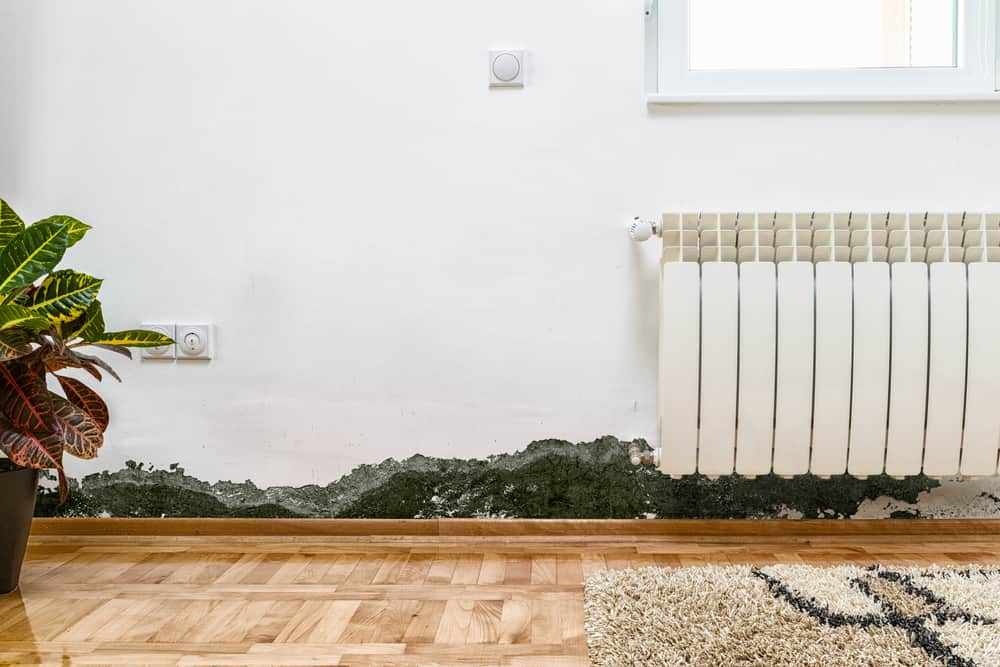
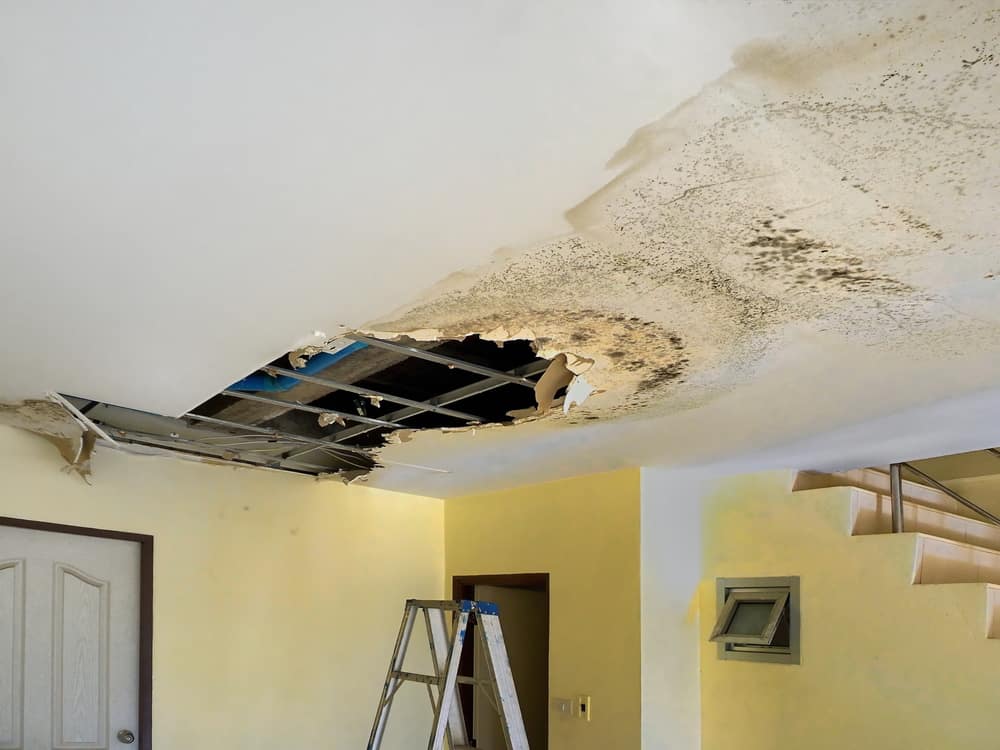
Most mold problems in Northwest Harbor do not start with a disaster. They start with a slow roof leak in October, a window seal that gave out during a nor’easter, or a crawl space that held moisture through a wet winter and then nobody was home to catch it. By the time you’re back for the season, what started small has had five, six, sometimes seven months to spread behind walls, under flooring, and through the air system. That’s the reality of owning a seasonal property in Northwest Harbor, surrounded by Three Mile Harbor and Gardiners Bay, with a dense pine canopy overhead that keeps everything shaded and slow to dry.
When mold remediation is done correctly not just surface-treated, but fully remediated with the moisture source identified and addressed you get your home back in a condition that’s actually safe. The air quality improves. The smell is gone. And you’re not paying for the same job again next summer because the underlying problem was never fixed the first time.
For properties in the Northwest Woods, where wooded two-to-three-acre lots trap humidity and the soil’s glacial composition can push moisture against foundations, that source-first approach is not optional it’s the difference between a one-time fix and a recurring expense. If you’re also preparing a property for rental or a real estate transaction, you’ll need a clearance report that confirms the remediation actually worked. That documentation matters in Northwest Harbor, where buyers’ attorneys are increasingly requiring it before a deal moves forward.
Certified Mold Remediation Companies Northwest Harbor
We’ve been working in Suffolk County for approximately 31 years, with deep roots in the East End the seasonal properties along Route 114, the wooded lots off Northwest Road and Old Northwest Road, the bay-adjacent homes in Northwest Harbor that take on moisture from three directions. This is not a company that learned coastal remediation from a manual. The experience is built into how we assess and handle every job.
What sets us apart in this market is straightforward: Richard Peterson, our owner, holds personal New York State licenses in both mold assessment and mold remediation under Article 32 of the Labor Law. That’s not a company credential filed somewhere it’s a verifiable, individually issued license that means the person running this operation is personally accountable for the work. Every technician on our team is IICRC-certified, which means the people physically doing the work in your home have been trained and tested to the industry standard, not just hired and sent out.
We also run an integrated cleaning division, so when remediation is complete, the full restoration cycle from containment through final cleaning is handled by one team, under one roof, without handing you off to someone else.
Mold Damage Repair Process Northwest Harbor NY
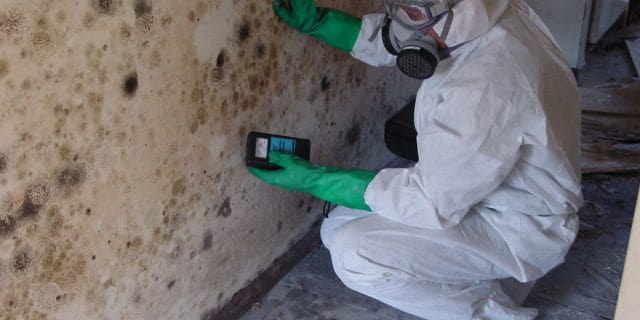
The first step is assessment, and it goes deeper than what’s visible. In a Northwest Harbor home that’s been closed up for months, mold is rarely limited to the surface you can see. We use moisture mapping to identify where water entered, where it traveled, and where mold has established including behind drywall, in crawl spaces, and in attic cavities where condensation builds under a dense tree canopy with limited airflow. That assessment drives the entire scope of work, so nothing gets missed and nothing gets treated that doesn’t need to be.
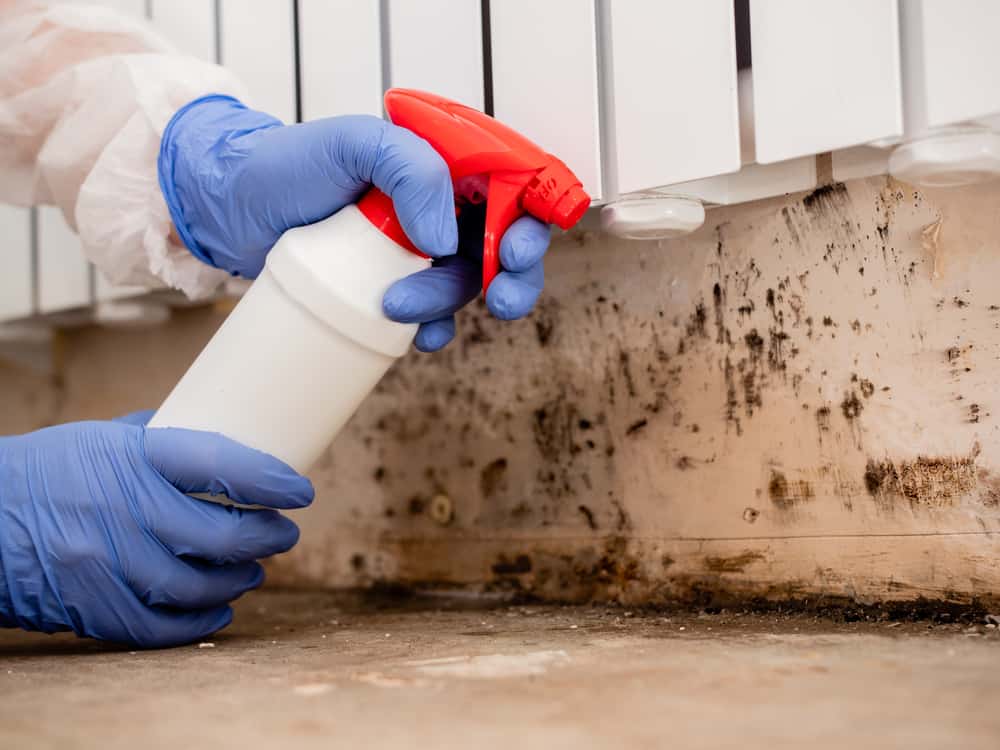
Once the scope is confirmed, we set up containment before any removal begins. This prevents mold spores from spreading to unaffected areas of the home during the remediation process a step that matters especially in larger seasonal properties where a contained problem can quickly become a whole-house problem if handled carelessly. We remove affected materials, treat structural surfaces with antimicrobial agents, and run drying equipment until moisture readings confirm the environment is stable.
Under New York State’s Article 32, mold remediation work must be performed by a licensed contractor and the same company cannot legally perform both the assessment and the remediation on the same project. We operate in full compliance with that framework. After the work is complete, we arrange for independent post-remediation air quality testing, and you receive a clearance report confirming that spore counts are back to normal levels. For seasonal homeowners, rental property owners, and anyone in the middle of a real estate transaction in East Hampton Town, that report is the finish line not the job itself.
Ready to get started?
Black Mold Remediation Services Northwest Harbor NY
Our mold remediation services in Northwest Harbor cover the full range of areas where moisture and mold actually show up in this type of property. Crawl space mold remediation is one of the most common needs here older construction on wooded lots with glacial moraine soil creates drainage conditions that push ground moisture upward, and crawl spaces without proper vapor barriers are frequently the first place mold establishes in a seasonal home. Attic mold remediation is equally common, particularly in homes where the dense tree canopy limits roof drying after rain and where attic ventilation has not been updated to handle the persistent humidity of a bay-adjacent, forested environment.
Basement mold remediation applies to properties in lower-lying areas near Northwest Creek or Three Mile Harbor, where the water table and storm-related flooding create ongoing moisture risk below grade. Black mold remediation which carries the most significant health concerns, particularly for families with children or anyone with respiratory sensitivities is handled under full containment protocols regardless of where in the home it’s found. Emergency mold remediation is available around the clock for situations that can’t wait: a rental property with tenants arriving, a real estate closing with a hard deadline, or a seasonal home that needs to be cleared before the family arrives.
Our integrated cleaning division means the job ends with a fully restored, professionally cleaned space not a remediated structure that still needs a separate crew to make it livable. We handle mold cleanup and remediation, start to finish, as one licensed, IICRC-certified team serving Northwest Harbor and the broader East Hampton area.
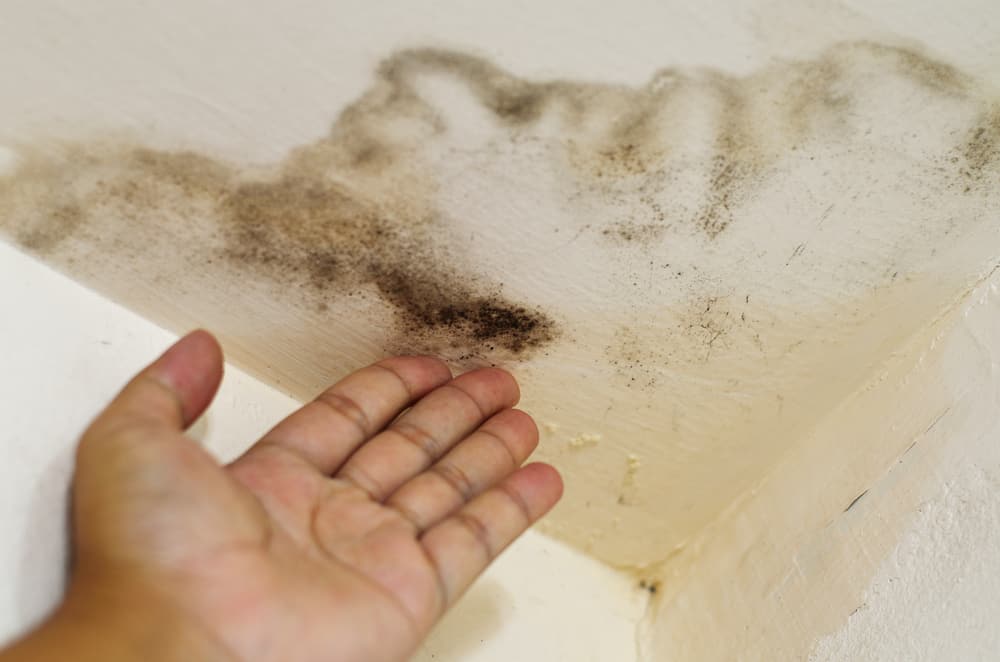
Can mold really spread that much in a closed Northwest Harbor home over winter?
Yes and it happens more often than most seasonal homeowners in Northwest Harbor expect. Mold begins growing within 24 to 48 hours of water intrusion. If a small roof leak, a failed window seal, or a slow plumbing drip goes undetected when you close up in October, that moisture event has potentially five to seven months to develop before anyone opens the door again. In a home surrounded by the humidity of Northwest Harbor, Three Mile Harbor, and Gardiners Bay with a dense pine canopy keeping the structure shaded and slow to dry the conditions inside a closed, unheated home through a Long Island winter are close to ideal for mold growth.
What starts as a localized moisture problem in one area can spread through HVAC ductwork, into wall cavities, and across attic sheathing before it’s ever visible from inside the living space. By the time you notice the smell on arrival day, the actual extent of the growth is usually larger than what you can see. That’s why a proper assessment one that uses moisture mapping rather than just visual inspection is the starting point for any remediation job in a seasonal property.
How much does mold remediation cost in Northwest Harbor, NY?
Most residential mold remediation projects in the Northwest Harbor area fall somewhere between $1,500 and $6,000, depending on the size of the affected area, the type of materials involved, and whether structural components need to be removed and replaced. Crawl space remediation with encapsulation can run $3,000 to $6,000 or more. Attic mold remediation on a larger wooded-lot property where the affected area is often more extensive than it first appears typically falls in the $2,000 to $9,000 range. Black mold remediation involving multiple rooms or structural materials will be at the higher end of the scale.
The honest answer is that cost depends heavily on scope, and scope is only determined after a proper assessment. What drives cost up in Northwest Harbor specifically is the combination of larger property footprints, older construction that may involve more affected structural material, and the fact that seasonal vacancy often allows problems to develop further before they’re caught. A job discovered early say, during a fall closing inspection will almost always cost less than the same problem found the following Memorial Day after another winter of unchecked growth.
What is the difference between mold remediation and mold removal?
Mold removal typically refers to physically cleaning or treating visible mold wiping it down, applying bleach, or removing the surface material it’s growing on. It addresses what you can see. Mold remediation is a broader, more complete process: it includes containment to prevent spore spread during the work, removal of affected materials, treatment of underlying surfaces, identification and correction of the moisture source, structural drying, and post-remediation air quality verification. The goal of remediation is not just to eliminate the mold that’s visible it’s to return the environment to a normal, safe condition and address why the mold was there in the first place.
For a seasonal home in Northwest Harbor, this distinction matters practically. If you treat visible mold without finding and fixing the moisture source whether that’s a failed vapor barrier in the crawl space, inadequate attic ventilation, or a slow roof leak the mold will return. You’ll pay for the same job again, possibly next season, possibly worse. Remediation done correctly the first time is almost always less expensive over time than repeated removal that never solves the underlying problem.
Does homeowner insurance cover mold remediation in East Hampton, NY?
It depends on the cause. Most standard homeowner policies cover mold remediation when the mold is a direct result of a covered water damage event a burst pipe, storm-related water intrusion, or flooding tied to a documented weather event. Coastal flood advisories affecting the Gardiners Bay area and Southeast Suffolk County are issued regularly by the National Weather Service, and damage tied to those events can support a covered claim when properly documented. What policies typically do not cover is mold that results from long-term neglect, gradual leaks, or maintenance issues the homeowner could have reasonably caught and addressed.
For seasonal properties in Northwest Harbor, the line between “storm-related” and “maintenance-related” is sometimes contested by insurers particularly when a home has been unoccupied for months and the exact timing of water intrusion is unclear. We help customers navigate that documentation process so the claim reflects what actually happened, not just what’s easiest for an adjuster to categorize.
Do I need a licensed mold remediation contractor in New York State?
Under New York State’s Article 32 of the Labor Law, yes any company performing mold remediation must hold a valid Mold Remediation Contractor License issued by the NYS Department of Labor. Individual workers performing the physical remediation must hold Mold Abatement Worker Certification. This law has been in effect since January 1, 2016, and it applies to every mold remediation job in the state, including in East Hampton Town and Northwest Harbor. Hiring an unlicensed contractor is not only illegal it can result in insurance claim denial and leaves you with no legal recourse if the work is done incorrectly.
The law also prohibits the same company from performing both the mold assessment and the mold remediation on the same project. That’s a consumer protection measure designed to prevent conflicts of interest specifically, the scenario where the company doing the inspection has a financial incentive to find more mold than actually exists. Any contractor you hire should be able to provide a verifiable NYS license number that you can look up directly through the Department of Labor’s online system. If they can’t, or won’t, that’s your answer.
How do I know the mold is actually gone after remediation is complete?
You should not have to take anyone’s word for it. After remediation is complete, post-remediation verification involves independent air quality testing air samples are collected and analyzed to confirm that mold spore counts have returned to normal background levels. The result is a written clearance report that documents the outcome. That report is the objective confirmation that the remediation worked, and it’s a meaningful document in several real-world scenarios: insurance claims, real estate transactions in the East Hampton market where buyers’ attorneys are increasingly requiring mold clearance documentation, and simply the peace of mind of knowing your family is returning to a genuinely safe home.
Visual inspection alone is not sufficient confirmation. Mold can be present in air and in materials without being visible, and a home that looks clean after remediation may still have elevated spore counts if the process was incomplete or if containment failed during removal. For a seasonal property in Northwest Harbor one you may close up again in the fall and not return to for months knowing the clearance report is clean before you leave for the season is the only way to be confident you’re not starting next year with the same problem.
Useful Links
Other Services we provide in Northwest Harbor