
Mold Remediation in Oyster Bay, NY
Oyster Bay Homes Deserve Better Than Surface Cleaning and Another Bill Next Year
Hear from Our Customers
Mold Damage Repair in Oyster Bay
There’s a version of mold remediation where someone shows up, wipes down what’s visible, and hands you a receipt. And there’s a version where the problem actually goes away. In Oyster Bay, those two versions are not equally common and the difference matters more here than in most places on Long Island.
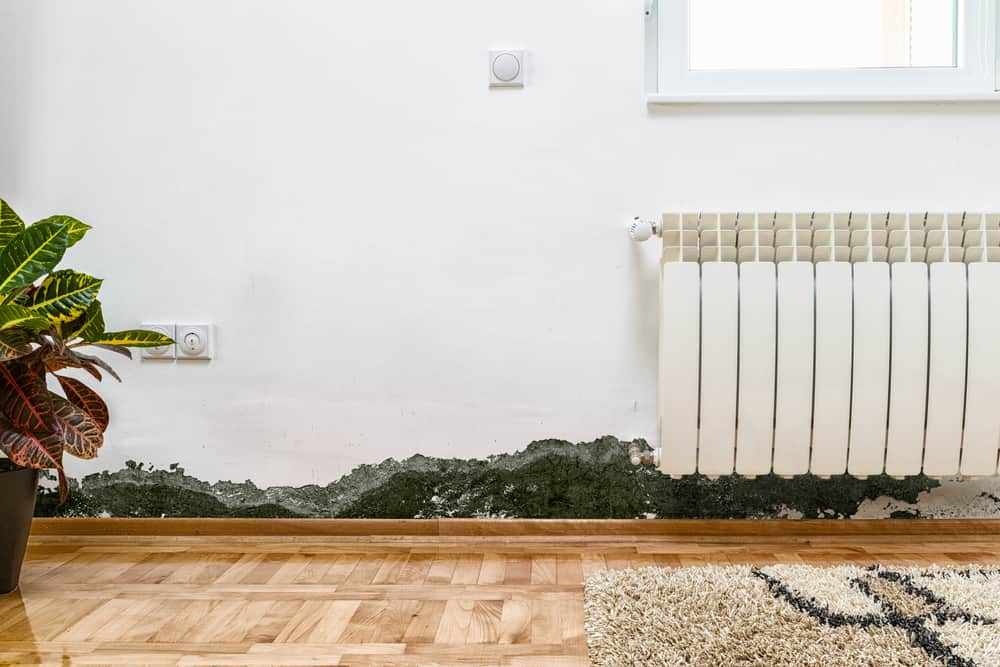
Homes throughout Oyster Bay whether you’re in the hamlet itself, over in Oyster Bay Cove, or closer to Cove Neck tend to be older, more complex, and more exposed to ambient moisture than the post-war subdivisions further south in Nassau County. Oyster Bay Harbor pushes humidity levels well above the 60% threshold where mold accelerates, and that’s before you factor in a stone foundation, original plaster walls, or an attic that’s never been properly ventilated. When we handle remediation correctly, we’re not just clearing mold we’re removing the conditions that let it grow in the first place.
That means you get to stop wondering whether it’s coming back. You get documentation that protects your investment when it’s time to sell. You get a home that’s genuinely healthier not just one that looks cleaner than it did last week. For a property worth over a million dollars in this market, that’s not a small thing.
Certified Mold Remediation Company in Oyster Bay
We’ve been working in Nassau and Suffolk County homes since the mid-1990s. That’s long enough to have worked inside the kind of homes that define Oyster Bay Victorian-era colonials, estate properties near Sagamore Hill, older ranches with crawl spaces that haven’t been touched in decades. This isn’t a national franchise that opened a Long Island location last year. We have genuine roots here, and we understand what these homes actually need.
Every technician on our staff holds individual IICRC certification not just the company as a whole. That distinction matters when someone is opening up walls in a home that’s been in your family for thirty years. You want to know the person doing the work has been trained and tested to a professional standard, not just employed by a company that checked a box.
We also handle reconstruction after remediation so you’re not left coordinating between two different contractors once the cleanup is done. One call, one team, start to finish.

Professional Mold Remediation Process in Oyster Bay
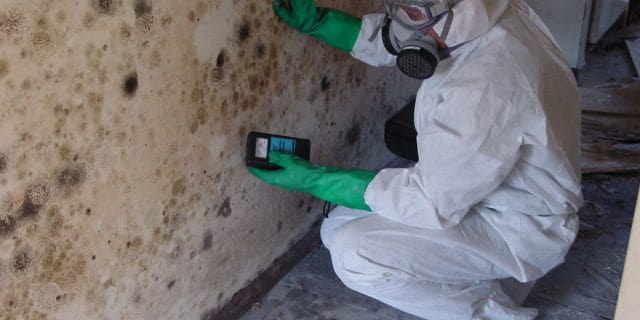
It starts with a 13-point mold inspection. That includes air testing, swab sampling, moisture level readings, infrared scanning for hidden mold behind walls or under floors, and a written report with lab results delivered within two to three business days. In older Oyster Bay homes where mold can be living inside a plaster wall or underneath original hardwood a visual walkthrough alone isn’t enough. The inspection is designed to find what you can’t see.
Once the scope is confirmed, remediation begins. Affected materials are contained and removed properly. Air movers and dehumidifiers are deployed and because every First Response truck arrives fully equipped, that work starts the moment our crew walks in. Mold growth begins within 48 hours of water intrusion, so there’s no value in waiting for a second truck to show up with equipment.
It’s worth knowing that New York State law requires the company doing the mold assessment and the company doing the remediation to be separate entities. We operate in full compliance with this and we’ll walk you through exactly what that means for your situation before anything starts. After remediation is complete, any drywall, insulation, or structural material that had to come out gets rebuilt. You’re not handed a half-finished room and a referral to a general contractor.
Ready to get started?
Basement and Attic Mold Remediation in Oyster Bay
Basement mold remediation in Oyster Bay is one of the most common calls we receive from North Shore Nassau County homeowners. Nassau County’s high groundwater table combined with the older foundation systems common throughout the hamlet and surrounding villages means basements and crawl spaces here are chronically at risk, especially after spring thaw or a nor’easter off Long Island Sound. If your basement has ever taken on water, there’s a real chance mold has followed.
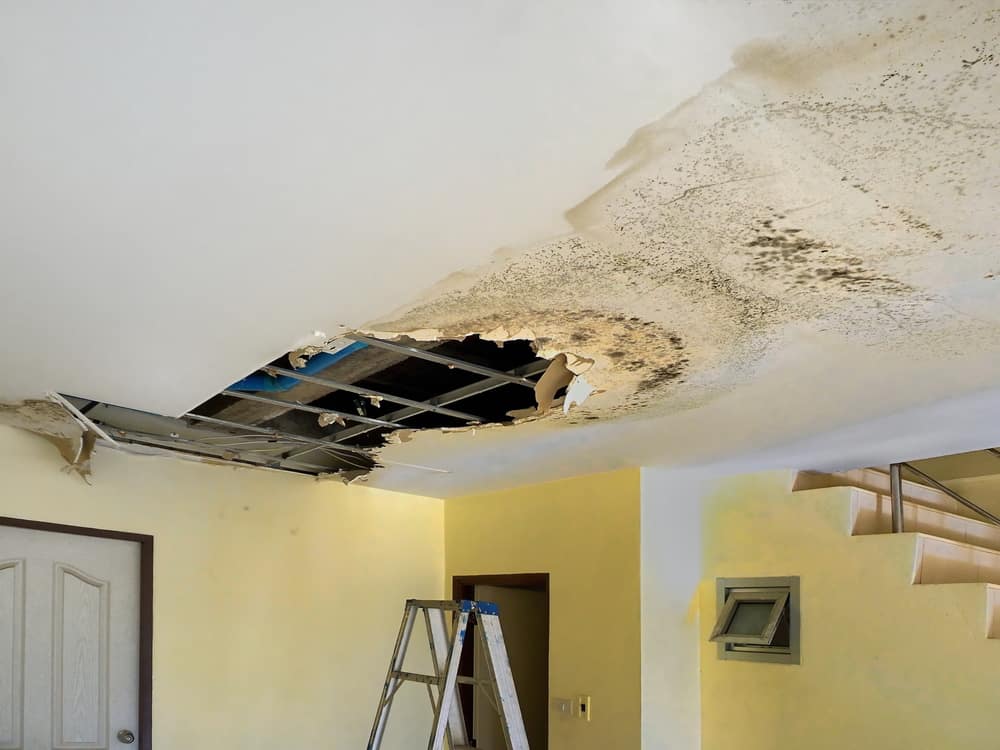
Attic mold remediation is the other scenario that comes up frequently in this area. Older homes with steep colonial or Victorian rooflines often have inadequate ventilation, and when warm air from the living space meets a cold roof deck in winter, condensation builds. Mold colonizes the sheathing quietly, and most homeowners don’t discover it until a home inspection flags it often right in the middle of a sale. With median home values around $1.3 million in Oyster Bay, that’s not a discovery you want to make without a plan.
Black mold remediation, crawl space mold remediation, and post-water-damage mold cleanup are all within our scope. So is the reconstruction that follows drywall, insulation, framing handled by the same team. Emergency mold remediation is available 24 hours a day, seven days a week, including weekends. If you’re dealing with active water intrusion right now, that window matters.
How much does mold remediation cost for an Oyster Bay home?
The honest answer is that it depends on scope, and scope in Oyster Bay can vary significantly. A contained basement mold issue in a newer home might fall in the $1,500 to $3,500 range. A larger remediation involving multiple areas say, an attic with widespread sheathing mold plus a crawl space with long-standing moisture damage can run $8,000 to $20,000 or more, particularly in older Oyster Bay homes where materials need to be carefully removed and replaced.
What drives cost in this area specifically is the age and complexity of the housing stock. Homes near Oyster Bay Harbor, in Oyster Bay Cove, or in the older sections of the hamlet often have original plaster walls, stone foundations, and building configurations that require more labor-intensive remediation than a standard 1990s colonial. Reconstruction after remediation replacing drywall, insulation, or framing adds to the total but is included in our scope rather than handed off to a separate contractor. Getting a thorough inspection with lab results first is the only way to give you an honest number.
What is the difference between mold remediation and mold removal?
Mold removal implies you can take every mold spore out of a space which isn’t realistic. Mold spores exist naturally in the air and in building materials. What remediation actually does is bring mold levels back to a normal, safe range, eliminate the active growth, and address the moisture conditions that caused it. The goal isn’t a sterile environment; it’s a healthy one.
The distinction matters because companies that promise “complete mold removal” are often using language that overstates what’s possible. Remediation done correctly with proper containment, HEPA filtration, removal of affected materials, and post-remediation clearance testing produces a result that is verifiably safe and documented. That documentation is what protects you during a home sale in a market like Oyster Bay, where buyers at this price point are doing thorough due diligence and their inspectors will ask questions.
Can mold come back after professional mold remediation is completed?
It can if the moisture source wasn’t fixed. That’s the part most homeowners don’t hear clearly enough. Mold is a symptom. Moisture is the problem. If a company remediates the mold but doesn’t identify and address what caused it a failed crawl space vapor barrier, a slow roof leak, condensation from an unventilated attic you’re looking at the same issue again within months.
In Oyster Bay specifically, recurring mold is a real risk because the underlying conditions here are persistent. Harbor humidity doesn’t go away in August. Older foundations don’t stop being permeable. If your home has a chronic moisture issue and many North Shore homes do the remediation scope needs to include a plan for that, not just cleanup of what’s currently visible. Our inspection process is built to identify root causes, not just surface growth, which is why the lab results and written report matter as much as the physical cleanup.
Does homeowners insurance cover mold remediation in New York?
Sometimes and the answer depends heavily on what caused the mold. In New York, most standard homeowners insurance policies will cover mold remediation if it resulted directly from a covered peril, like a burst pipe or storm-related water intrusion. If the mold developed from long-term neglect, a slow undetected leak, or chronic humidity which is common in older Oyster Bay homes most policies won’t cover it.
The documentation we provide lab results, moisture readings, written inspection reports, photographic evidence is exactly what insurance adjusters need to evaluate a claim. Having that paper trail from the start of the process gives you a much stronger position than trying to reconstruct the timeline after the fact. If you’re unsure whether your situation qualifies, a conversation with your insurer before remediation begins is worth having. We can work alongside that process and provide the documentation your claim requires.
Is mold in an older Oyster Bay home more difficult to remediate than a newer one?
Generally, yes and it’s worth understanding why before you get a quote. Older homes in Oyster Bay, particularly those built before 1960, often have plaster walls instead of drywall, stone or brick foundations instead of poured concrete, original wood framing that has absorbed decades of moisture, and attic structures with little to no modern ventilation. Each of those factors affects how mold grows, where it hides, and how it has to be removed.
Plaster walls, for example, don’t respond to moisture the same way modern drywall does mold can penetrate deeper into the substrate and be harder to detect with a visual inspection alone. Infrared scanning and air testing become more important in these environments, not optional add-ons. Stone foundations are inherently permeable and often show recurring moisture intrusion that has to be addressed structurally, not just cleaned. If you’re in a pre-war home anywhere in the hamlet or surrounding villages, expect the inspection to be thorough because the building deserves that level of attention.
What should I do if mold is found during a home inspection in Oyster Bay?
Don’t panic, but don’t ignore it either. A mold finding during a home inspection in Oyster Bay whether you’re the buyer or the seller needs to be addressed with documentation, not just a verbal agreement to “take care of it.” At the price points this market operates at, both sides of a transaction have significant financial exposure if the remediation isn’t handled correctly and documented properly.
If you’re the buyer, you want a certified mold remediation company to assess the scope independently and provide a written report before you close. If you’re the seller, having a documented, completed remediation on record with lab results confirming clearance is far more valuable than a discount negotiation at the closing table. Mold history causes roughly half of buyers to walk away from a purchase entirely, and in a market where homes are listed at $1 million or more, that’s a real number with real consequences. We can move quickly in time-sensitive real estate situations and provide the documentation both parties need to move forward with confidence.
Useful Links
Other Services we provide in Oyster Bay