
Mold Remediation in Quiogue, NY
When Quantuck Bay's Moisture Follows You Inside
Hear from Our Customers
Certified Mold Remediation Quiogue NY
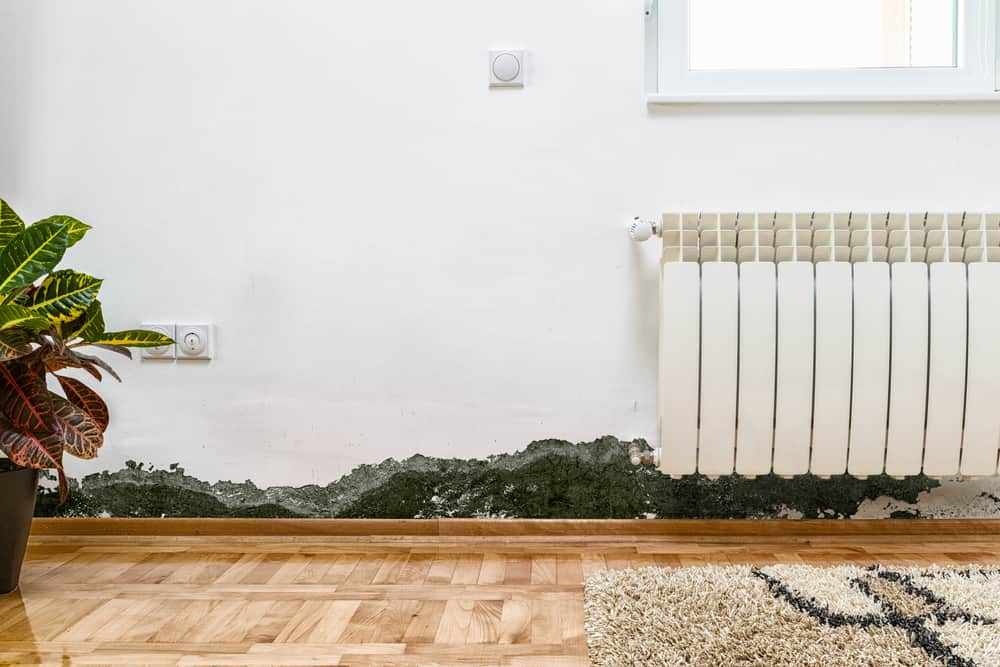
Mold doesn’t announce itself. On a low-elevation peninsula like Quiogue surrounded by Quantuck Bay and Aspatuck Creek, sitting at just 23 feet above sea level moisture works its way into crawl spaces, wall cavities, and attic assemblies quietly, sometimes for months before anyone notices. By the time you smell something off or see a discolored patch, the problem is usually bigger than what’s visible.
When mold remediation is done right, the air in your home actually feels different. Musty odors disappear. The respiratory irritation that you may have been attributing to allergies or the salty air clears up. If you’ve been waking up congested in a Quiogue property that sits right off the bay, that’s not always the coast sometimes it’s what’s growing behind your walls or under your floors.
For homeowners here, there’s also a financial reality. With median listing prices around $2.99 million, a documented mold problem can pull significant value off a property fast. Buyers walk away. Transactions stall. Professional mold remediation with a post-remediation clearance report to back it up protects what you’ve invested in your Quiogue property, whether you’re planning to sell or planning to stay.
Mold Remediation Companies Quiogue NY
We’ve been doing this work on Long Island for over three decades. That’s not a number we throw out to sound impressive it means we’ve worked through every storm cycle, every season, and every housing type the South Fork throws at a restoration company. We’ve been inside the older cottages, the converted farmhouses, and the waterfront estates that define Quiogue and the surrounding Southampton Town area.
Owner Richard Peterson holds personal New York State licenses in both mold assessment and mold remediation under Article 32 of the NYS Labor Law not a company-level credential, but his own. Every technician on our team is IICRC-certified. When the crew shows up to your property in Quiogue, the people walking through your door have been formally trained and tested, not just handed a truck and a checklist.
We also run an integrated cleaning division, which means we don’t hand you off to a second contractor when the remediation work is done. One company handles it start to finish and we’re available 24 hours a day, 7 days a week, because water intrusion on a bay-adjacent peninsula doesn’t wait for Monday morning.

Professional Mold Remediation Process Quiogue NY
It starts with a thorough assessment. Before anything gets removed or treated, we identify where the moisture is coming from. In Quiogue, that step matters more than most places. The water table on this peninsula is shallow, the bay humidity is persistent, and older homes in the hamlet many dating back to the early 20th century weren’t built with modern vapor barriers or attic ventilation systems. If we skip the source, the mold comes back. We don’t skip the source.
Once we know what we’re dealing with, we establish containment. That means protecting the unaffected areas of your home while we work negative air pressure, physical barriers, the full protocol. Then we remove the contaminated materials, treat the affected surfaces, and address the underlying moisture condition so the environment doesn’t just reset to what it was before.
When the work is complete, we don’t just pack up and call it done. Post-remediation air quality verification is a standard part of our process independent testing that confirms mold spore counts are back to normal levels. You get a clearance report. That document matters whether you’re satisfying a buyer’s inspector, filing an insurance claim, or simply making sure your family is genuinely safe. Under New York State’s Article 32, any remediation work done in Quiogue requires a licensed contractor and that license is something you can verify before anyone sets foot in your home.
Ready to get started?
Crawl Space and Attic Mold Remediation Quiogue NY
The most common mold scenarios we see in Quiogue properties fall into a few predictable categories and they’re all tied to the same root condition: a coastal peninsula with a high water table, older housing stock, and a significant number of homes that sit unoccupied through the colder months.
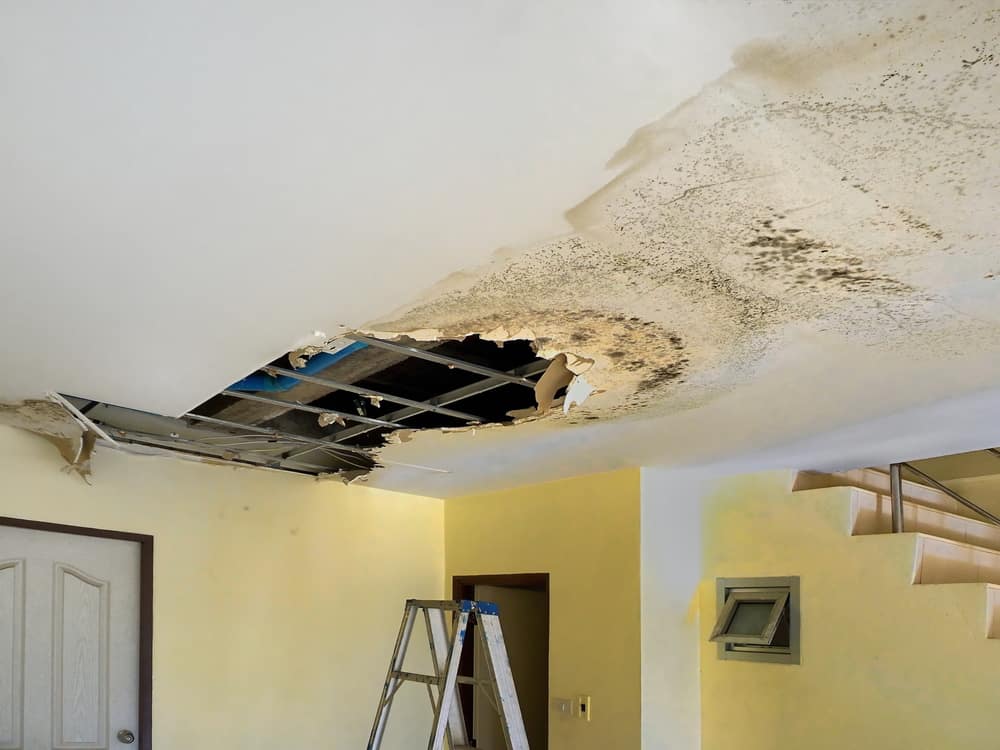
Crawl space mold remediation is one of the most frequent calls we get from this area. The older cottages and ranch-style homes throughout Quiogue often have crawl spaces sitting directly above moisture-saturated ground. Without an effective vapor barrier and proper ventilation, that groundwater migrates upward into the wood framing, insulation, and subfloor and mold follows. Attic mold is the other common scenario, driven by inadequate ventilation in older roof assemblies combined with the sustained summer humidity that comes with living on Quantuck Bay. When warm, humid bay air meets a cooler attic surface, condensation builds, and mold grows. Basement mold remediation, black mold remediation, and emergency mold remediation after storm flooding are also part of what we handle regularly in the Southampton Town area.
For seasonal homeowners opening a Quiogue property after a long winter, we also offer complete assessment and remediation for situations where moisture has been building undetected for months. Every service includes moisture source identification, containment, remediation, and post-remediation verification plus insurance documentation support if your claim involves homeowner’s or flood coverage.
How does Quiogue's bay-surrounded geography increase my home's mold risk?
Quiogue sits on a peninsula at just 23 feet above sea level, with Quantuck Bay to the south and Aspatuck Creek running along the eastern edge. That geography means the water table is consistently shallow throughout the hamlet, and ambient humidity especially from late spring through early fall rarely drops below the threshold where mold can grow on a damp surface. This isn’t occasional coastal exposure; it’s a baseline environmental condition that affects every property on the peninsula.
For homes with crawl spaces, that shallow water table means groundwater is in constant proximity to your foundation and framing. For homes with older attic assemblies that were built before modern ventilation standards, bay humidity creates persistent condensation against cooler surfaces. Both scenarios produce mold not because of a single event, but because the conditions are structurally favorable year-round. Understanding that reality is the first step toward managing it effectively rather than just reacting to it after the fact.
What does mold remediation cost for a Quiogue, NY property?
For most residential projects, professional mold remediation runs between $1,223 and $3,754, with a national average around $2,347. Crawl space remediation typically falls between $500 and $4,000 depending on the size and severity, and can exceed $6,000 when encapsulation is also needed. Attic mold remediation generally runs $1,500 to $9,000. Basement or structural mold situations can reach $10,000 or more when the contamination has spread into framing and subfloor materials.
In Quiogue specifically, the cost conversation often has a different frame than it does in other communities. When your property is valued at several million dollars, the cost of remediation isn’t the primary concern the cost of not remediating is. A documented mold problem in this real estate market can reduce a home’s value by 20 to 37 percent and cause buyers to walk away from transactions entirely. Getting an accurate scope assessment upfront from a licensed contractor who will show you exactly what was found and why each step is necessary is the best way to understand what you’re actually dealing with before committing to anything.
Is mold remediation covered by homeowner's insurance in Quiogue, NY?
It depends on the cause. Most homeowner’s insurance policies cover mold remediation when it results directly from a covered event a burst pipe, sudden water intrusion from a storm, or an appliance failure. What they typically don’t cover is mold that developed from long-term moisture issues, deferred maintenance, or flooding which in Quiogue is often handled under a separate flood insurance policy rather than a standard homeowner’s policy.
Because many Quiogue properties carry both homeowner’s and flood insurance, understanding which policy applies to a specific situation can get complicated quickly. The documentation requirements also differ between the two. We help customers work through that process identifying the cause of the moisture intrusion, documenting the damage in the format each insurer requires, and making sure the claim is supported by the right evidence. If you’re managing this remotely as a seasonal homeowner, having a single contractor who handles both the remediation and the insurance documentation is a real advantage.
How do I know if my seasonal Quiogue home has mold after being closed all winter?
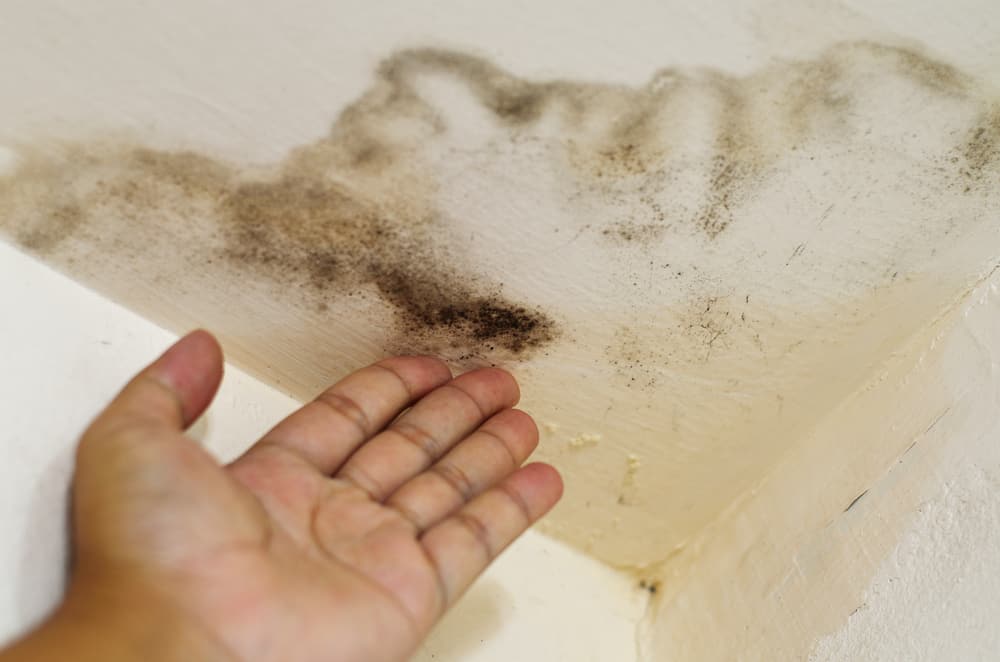
The most obvious signs are a persistent musty or earthy smell when you first open the property, visible discoloration on walls, ceilings, or in closets, and condensation staining around windows or on interior surfaces. But mold in seasonal homes often develops in areas you won’t see on a walkthrough inside crawl spaces, behind walls, in attic assemblies, and under flooring where a slow moisture source has been active for months without anyone present to notice it.
If your Quiogue property has been closed since fall and you’re opening it in late spring, a professional assessment is worth doing before you assume everything is fine. A winter with minimal heat cycling, a minor roof or flashing failure during a nor’easter, or a crawl space that accumulated condensation through a damp March can all produce significant mold growth that isn’t visible from the main living areas. The earlier you catch it, the smaller the scope and the lower the cost. Waiting until the smell becomes undeniable usually means the problem has already spread well beyond what was originally a manageable situation.
What's the difference between mold remediation and mold removal?
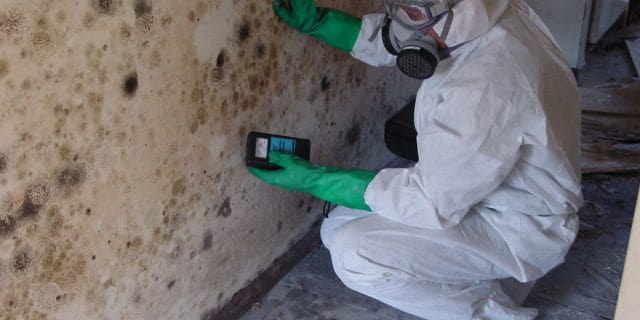
Mold removal typically refers to cleaning or treating visible mold on a surface wiping it down, applying a biocide, and moving on. It addresses what you can see. Mold remediation is a more complete process: it includes identifying the moisture source, establishing containment to prevent cross-contamination, removing affected materials that can’t be salvaged, treating the remaining surfaces, correcting the underlying moisture condition, and verifying through post-remediation air quality testing that the problem has actually been resolved.
The distinction matters especially in a coastal environment like Quiogue. If you treat the visible mold in a crawl space without addressing the groundwater migration or vapor barrier failure that caused it, you haven’t solved the problem you’ve delayed it. The mold will return, often in a larger area, because the conditions that produced it haven’t changed. Remediation, done properly, changes those conditions. That’s why post-remediation verification is part of our standard process it’s the confirmation that the work actually worked, not just that the visible mold is gone.
Does mold remediation in Quiogue require a licensed contractor under New York State law?
Yes. New York State’s Article 32 of the Labor Law, which took effect in January 2016, requires that anyone performing mold remediation hold a valid state-issued license. This applies to every project in Quiogue, regardless of size. It also prohibits the same company from performing both the mold assessment and the mold remediation on the same project a consumer protection measure designed to prevent inflated scopes driven by a financial interest in finding more mold.
This matters practically for Quiogue homeowners in a couple of ways. First, hiring an unlicensed contractor creates real exposure insurance claims can be denied, and the work may not meet the standard required for a post-remediation clearance report that satisfies a real estate transaction. Second, in a market where national companies run location-targeted pages with no genuine local presence, verifying a contractor’s license before work begins is the clearest way to separate legitimate operators from those who are simply generating leads. Richard Peterson’s NYS mold assessment and mold remediation licenses are personal credentials that can be confirmed directly through the New York State Department of Labor’s online verification system.
Useful Links
Other Services we provide in Quiogue