
Mold Remediation in Quogue, NY
When a Closed-Up Quogue Home Reopens to a Mold Problem
Hear from Our Customers
Professional Mold Remediation Quogue, NY
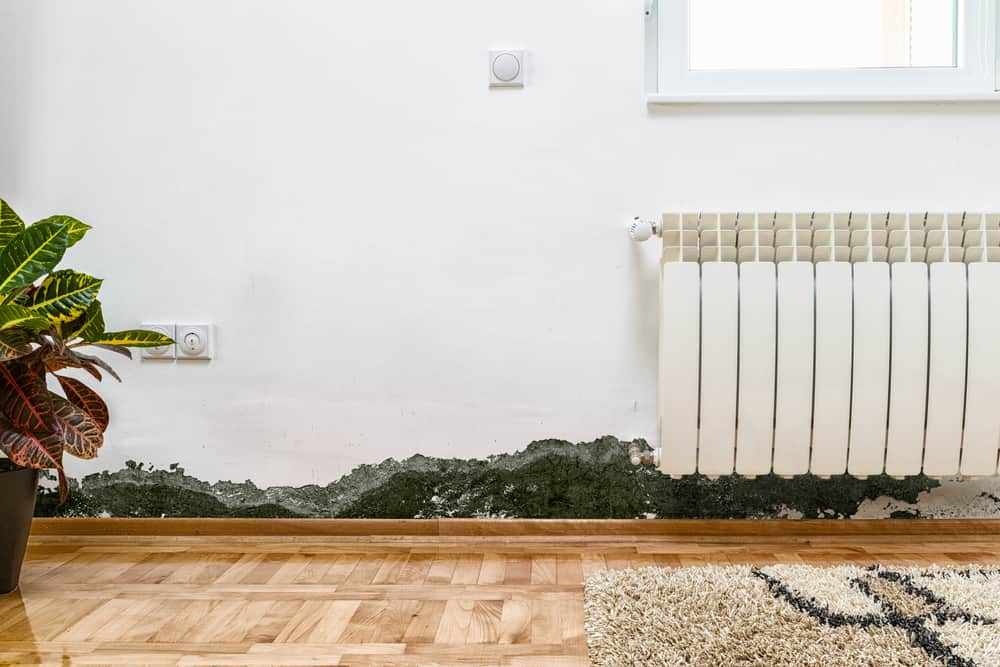
Opening your Quogue home in late May shouldn’t mean walking into a musty smell or finding black growth creeping up a crawl space wall. But for a lot of homeowners here, that’s exactly what happens because the home sat closed from October through Memorial Day while a slow leak, a failed sump pump, or months of unventilated coastal humidity quietly did its work.
When mold remediation in Quogue, NY is done right, you get more than a clean surface. You get confirmation in writing, from a licensed contractor that the air quality in your home is back to normal. That matters whether you’re spending the summer there, getting ready to rent it, or preparing to sell. Buyers’ attorneys in this market don’t take verbal assurances. They want documentation, and a proper remediation produces exactly that.
There’s also the structural side of it. Quogue’s housing stock is old the Historic District alone has over 250 shingle-style homes, some dating back to the 1700s. These properties weren’t built with modern moisture barriers or vapor retarders, which means crawl spaces, wall cavities, and attic framing are genuinely vulnerable. Getting the mold out is one thing. Making sure the conditions that caused it are corrected before you close the house again that’s what keeps it from coming back next spring.
Certified Mold Remediation Companies Quogue, NY
We’ve been working on Long Island properties for approximately 31 years. Our owner, Richard Peterson, holds personal New York State licenses in both mold assessment and mold remediation contracting issued under Article 32 of the Labor Law, verifiable through the NYS Department of Labor. That’s not a company credential filed away somewhere. It’s his individual license, which means he’s personally accountable for every job we do in Quogue and across the Island.
Every technician on our team is IICRC-certified not just the supervisor, but the people actually doing the work inside your home. In a village where properties routinely sell above $2 million, that level of credentialing isn’t a bonus. It’s the baseline you should expect.
We’ve worked across the full range of Long Island’s coastal housing stock including the kind of Victorian-era construction, unencapsulated crawl spaces, and storm-exposed barrier beach properties that define Quogue. From Dune Road to the South Village, this isn’t unfamiliar territory for us. We understand the specific challenges that Quogue’s waterfront location and seasonal occupancy patterns create, and we build our approach around those realities.
Mold Damage Repair Process Quogue, NY
It starts with finding where the moisture is actually coming from. Visible mold is easy to spot. The source a compromised roof after a nor’easter, a vapor barrier that’s been failing for years, a drainage issue around the foundation often isn’t. Before anything is removed, we identify and map the moisture source. Skipping that step is the reason mold comes back.
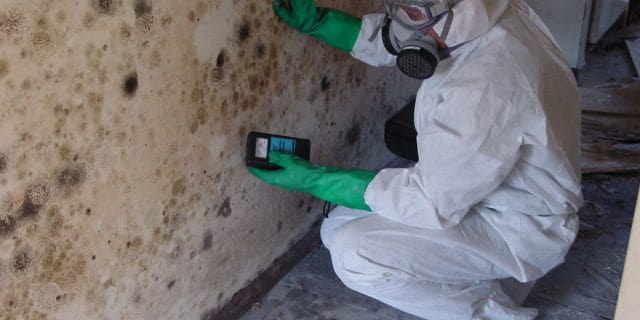
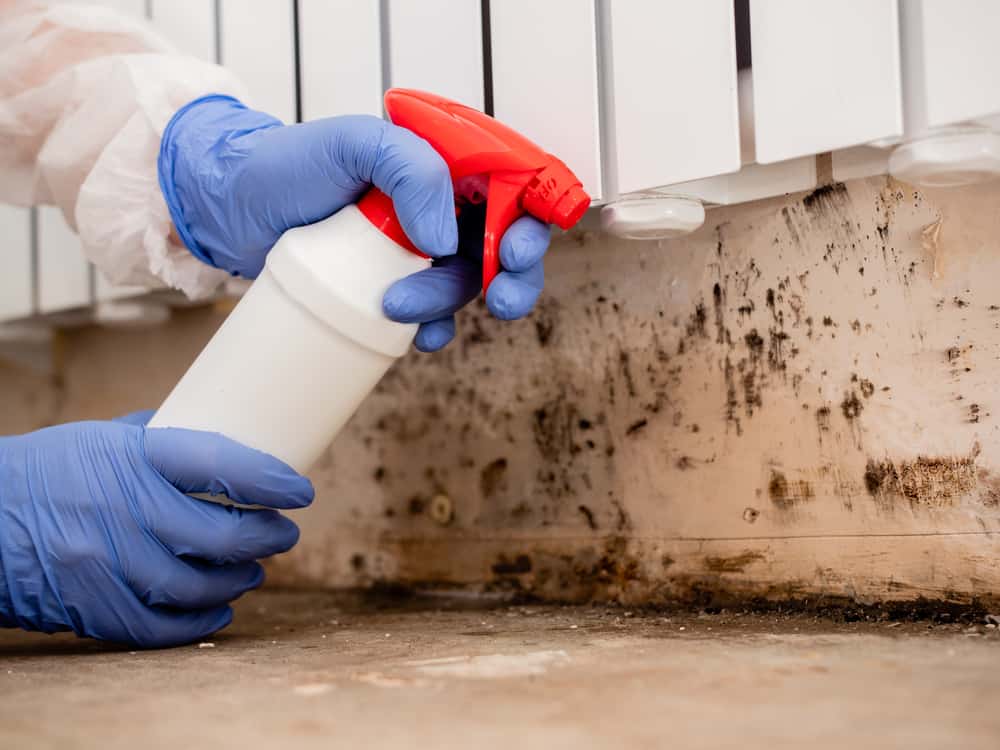
Once the source is confirmed, we contain the affected area using negative air pressure and physical barriers to prevent spores from spreading to other parts of your home during remediation. HEPA vacuuming, antimicrobial treatment, and removal of contaminated materials follow all performed by IICRC-certified technicians following the S520 Standard for Professional Mold Remediation. In Quogue’s older homes, this sometimes means working carefully around historic plaster walls, original wood framing, or tight crawl space access points that require specific handling.
After the remediation work is complete, we conduct post-remediation verification independent air quality testing that confirms spore counts have returned to normal levels. You receive a written clearance report. That document is what satisfies a buyer’s attorney, an insurance adjuster, or simply your own peace of mind before the summer season begins. It’s also worth noting: if any structural work requires a permit through the Village of Quogue Building Department, that should be confirmed before work begins and we’ll help you understand what applies to your specific project.
Ready to get started?
Black Mold Remediation Services Quogue, NY
Mold remediation in Quogue, NY isn’t a one-size situation. A Dune Road oceanfront home that took on water during a storm surge presents a completely different scope than a crawl space under a Victorian cottage on Quogue Street that’s been accumulating moisture for years. We adapt our service to what’s actually there.
Crawl space mold remediation in Quogue, NY is one of our most common calls and for good reason. The village is effectively surrounded by water: Quantuck Bay to the west, Shinnecock Bay to the east, tidal creeks running through the interior, and the Atlantic to the south. Crawl spaces in this environment deal with constant ambient humidity, and many of the older homes here were never built with the encapsulation systems that would protect them. Attic mold remediation in Quogue, NY comes up frequently too, especially after storm season when roof integrity has been compromised and moisture has had months to work its way into unventilated attic framing.
Beyond the remediation itself, our integrated cleaning division handles the full cycle structural drying, antimicrobial treatment, and final cleaning so you’re not coordinating a separate crew after the remediation work is done. One company, one scope, one point of contact. For a seasonal homeowner trying to get a property ready before July 4th, that matters more than most people realize until they’re in the middle of it.
What causes mold to grow in Quogue homes that are closed for winter?
Quogue’s seasonal occupancy pattern is one of the biggest drivers of serious mold problems in the village. When a home is closed after Labor Day and not reopened until Memorial Day, any moisture event that happens in between a slow roof leak from a nor’easter, a burst pipe during a cold snap, condensation buildup in an unventilated crawl space goes completely undetected. What might have been a small, containable issue in October can become a full infestation by May, simply because no one was there to catch it early.
The coastal environment compounds this significantly. Quogue is surrounded by Quantuck Bay, Shinnecock Bay, tidal creeks, and the Atlantic Ocean, which means ambient humidity is elevated even when no active water event has occurred. Crawl spaces and attics in homes that aren’t ventilated or climate-controlled during the off-season absorb that moisture steadily over months. By the time you’re back in the spring, the conditions have been ideal for mold growth for a long time. That’s why a spring inspection including the crawl space and attic should be part of every seasonal opening routine in Quogue.
How much does mold remediation cost in Quogue, NY?
Cost depends heavily on where the mold is, how far it’s spread, and whether the moisture source requires correction as part of the scope. For most residential projects, mold remediation nationally runs between $1,200 and $3,800, with the average around $2,300. Crawl space and attic remediation both very common in Quogue can run higher, sometimes reaching $6,000 to $9,000 or more depending on the extent of contamination and the structural involvement.
In Quogue specifically, the age and construction of the home matters significantly. Older properties in the Historic District some dating back to the 1700s often have more complex remediation scopes because of original wood framing, plaster walls, and crawl spaces that weren’t built with modern moisture management in mind. A written estimate with a clear scope of work is always the right starting point. That way you know exactly what’s included, what the post-remediation verification process looks like, and what documentation you’ll receive at the end which is particularly important if you’re dealing with an insurance claim or a real estate transaction.
Does homeowner's insurance cover mold remediation in Quogue, NY?
It depends on the cause of the mold. Most standard homeowner’s insurance policies will cover mold remediation if it resulted from a covered peril like a burst pipe or sudden water damage from a storm. What they typically won’t cover is mold that developed from long-term moisture buildup, deferred maintenance, or gradual seepage. In Quogue, where many properties also carry NFIP flood insurance and sometimes a separate wind policy through the New York FAIR Plan, figuring out which policy covers which damage can get complicated fast especially when a storm event is involved.
Documenting the damage correctly from the start is critical. The way a claim is written, and the way the cause of damage is described, can determine whether it’s covered or denied. Working with a licensed mold remediation contractor who understands how to document damage for insurance purposes and who can communicate directly with adjusters makes a real difference in how that process goes. We help Quogue homeowners navigate the claims process and ensure the documentation produced during remediation meets what insurers actually need to process a claim.
What is the difference between mold remediation and mold removal in Quogue, NY?
Mold removal implies you’re taking mold out which sounds complete, but isn’t always. Mold remediation in Quogue, NY is the more accurate term for what a licensed contractor actually does: it includes identifying the moisture source, containing the affected area to prevent spore spread, removing contaminated materials, treating surfaces with antimicrobial agents, and verifying through post-remediation air quality testing that the environment has returned to normal levels.
The distinction matters practically because mold spores are microscopic they don’t stay where you can see them. If containment isn’t set up correctly, remediation work can actually spread spores to unaffected parts of a home. And if the moisture source isn’t corrected, new mold growth will follow the same path the old growth did. In a Quogue home that sits unoccupied for eight months every year, a remediation that doesn’t address the root cause just means you’ll be dealing with the same problem or a bigger one when you open the house next spring.
Do I need a licensed contractor for mold remediation in New York State?
Yes and this isn’t a technicality. New York State’s Article 32 of the Labor Law, which took effect in 2016, makes it illegal to perform mold remediation without a valid state-issued license. Any company performing mold remediation in Quogue, NY must hold a NYS Mold Remediation Contractor License, and any individual performing the abatement work must hold a NYS Mold Abatement Worker Certification. The law also prohibits the same company from performing both the mold assessment and the mold remediation on the same project that separation exists to protect you from conflicts of interest.
Hiring an unlicensed contractor creates real exposure. If your insurance company discovers that unlicensed work was performed, they can deny the claim. If the work is done incorrectly which is far more likely without licensed oversight you have no legal recourse. And in Quogue’s real estate market, a remediation performed by an unlicensed contractor won’t produce the documentation that a buyer’s attorney or title company will accept. The license is verifiable through the NYS Department of Labor, and any contractor you hire should be able to give you their license number without hesitation.
How do I know if my Dune Road or waterfront property in Quogue has mold after a storm?
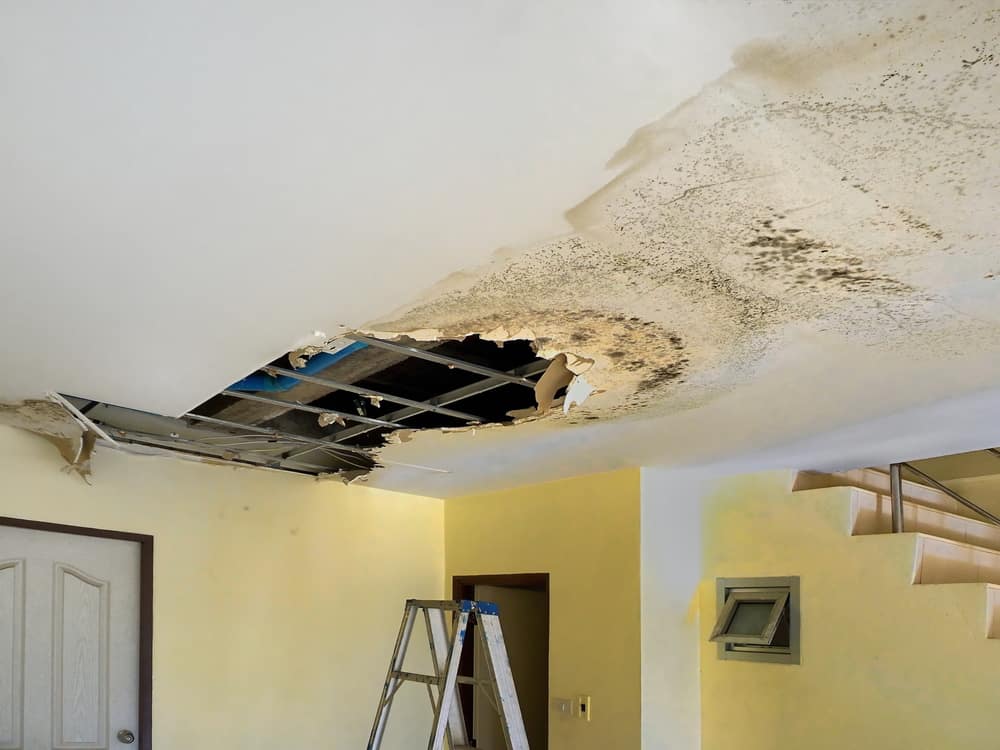
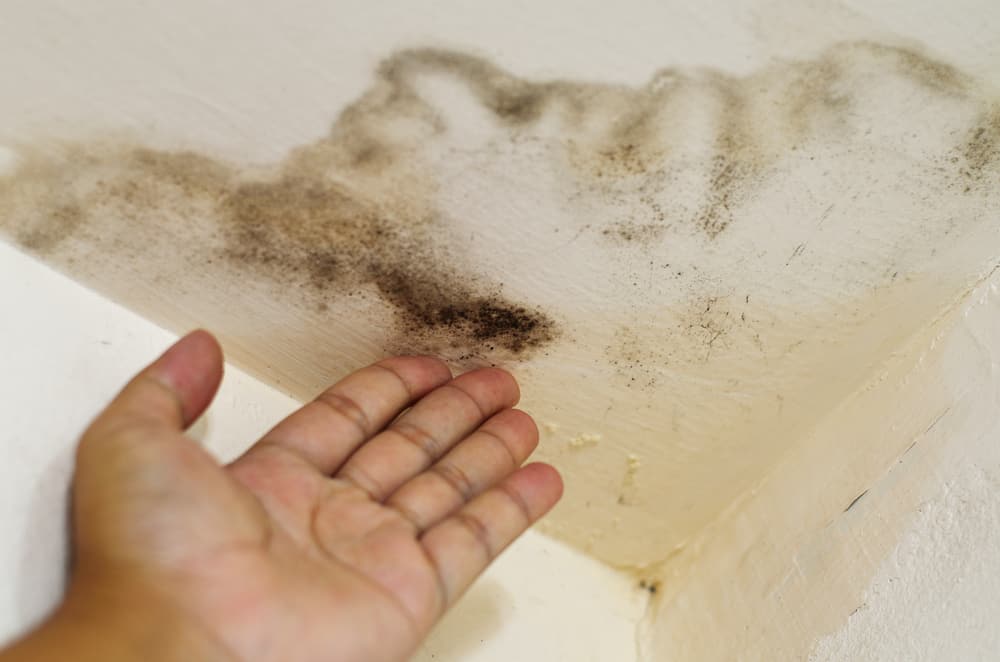
The most obvious signs are a persistent musty smell, visible discoloration on walls or ceilings, or condensation on surfaces that shouldn’t have it. But in Dune Road properties and bay-facing homes in Quogue, mold after a storm often starts in places you can’t see inside wall cavities that absorbed moisture from wind-driven rain, under flooring where water pooled, or in crawl spaces that took on water during storm surge. The Village of Quogue has documented recurring flooding on Dune Road, and these properties face direct Atlantic storm exposure that most Long Island homes simply don’t experience.
If your home was exposed to a storm event even if there’s no obvious visible damage a professional moisture assessment is worth doing before you assume everything is fine. Mold can begin growing within 24 to 48 hours of water intrusion, and by the time it’s visible, it’s already been developing for a while. For a seasonal property that won’t be reopened for weeks or months after a storm, that window is especially unforgiving. We’re available 24/7 to get someone in quickly after a significant weather event that’s the most effective way to prevent a manageable moisture problem from becoming a full remediation project.
Useful Links
Other Services we provide in Quogue