
Hear from Our Customers
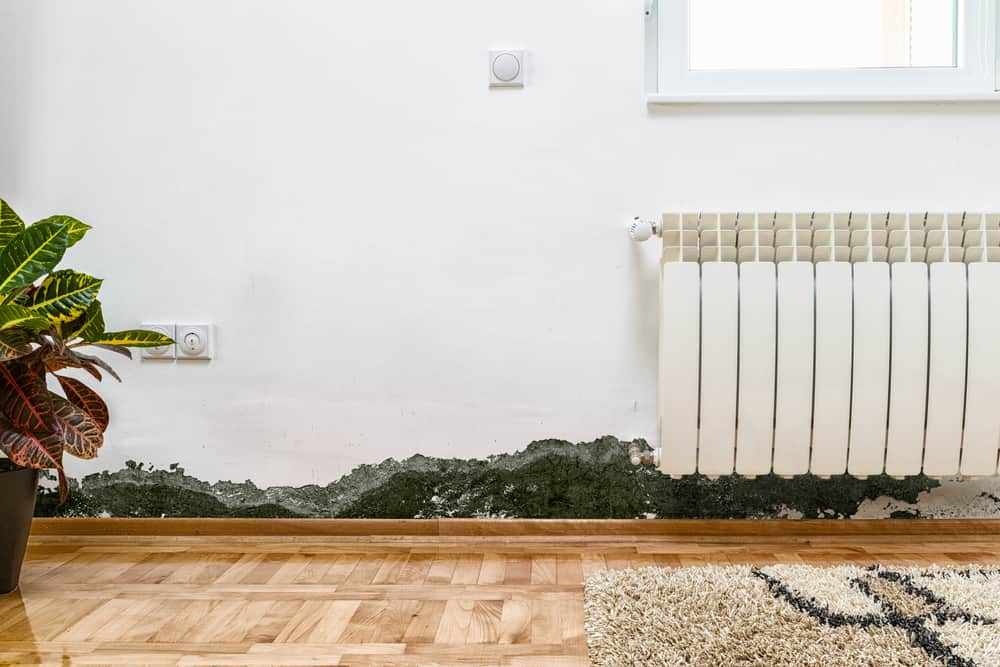
The musty smell that hits you when you open the basement door isn’t just unpleasant — it’s a sign that something is actively growing inside your home. In Rocky Point, that problem tends to run deeper than most homeowners expect. The combination of Long Island Sound humidity, sandy coastal soil, and a housing stock that was largely built as seasonal summer cottages means moisture gets in, stays in, and does its damage quietly — often in crawl spaces and wall cavities you never think to check.
When mold remediation is done right, the air in your home actually changes. Respiratory irritation, chronic stuffiness, and that low-grade feeling that something’s off — those things improve when the source is gone. For families with kids in the Rocky Point Union Free School District, that’s not a small thing. Indoor air quality is directly tied to how your household breathes and sleeps, and it matters more in an older home than anywhere else.
Beyond health, there’s the financial side. A home in Rocky Point is worth close to $500,000 on today’s market. Mold that goes untreated doesn’t stay contained — it spreads into structural materials, compromises your home’s value, and creates a much larger remediation scope than what you started with. Getting ahead of it is always less expensive than waiting.
We’re a Long Island-based, owner-operated company that has been doing this work since before most of the mold remediation industry had formal licensing requirements. Our owner, Richard Peterson, holds a personal New York State license in both mold assessment and mold remediation — not a company-level credential, but his own, verifiable license through the NYS Department of Labor. Every technician on our team carries individual IICRC certification. That means the people physically working inside your Rocky Point home have been formally trained and tested — not just hired and handed equipment.
We serve the North Shore corridor, including Rocky Point, Shoreham, Miller Place, and Sound Beach. We understand the specific housing stock in this area — the converted summer cottages along the Sound, the crawl space foundations common to North Shore construction, the wooded lots adjacent to the Pine Barrens that create drainage and attic moisture problems. That’s not a marketing line. It’s 31 years of walking into homes exactly like yours in Rocky Point.
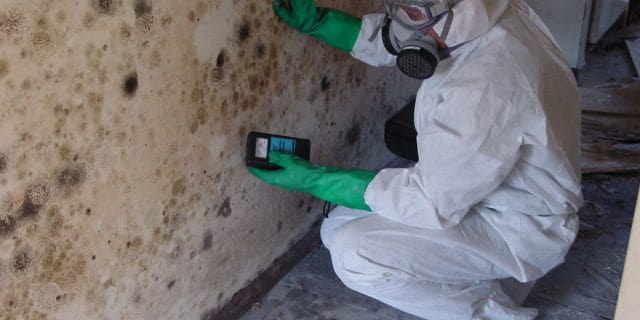
It starts with a thorough assessment. Before anything is removed or treated, we identify the source of the moisture. In Rocky Point, that might be hydrostatic pressure from the sandy coastal soil pushing against a crawl space foundation, a gutter system overwhelmed by pine needle accumulation from a wooded lot near the Pine Barrens Preserve, or water intrusion from the last significant nor’easter that came through. Finding the source isn’t optional — it’s what separates a permanent fix from a problem that comes back six months later.
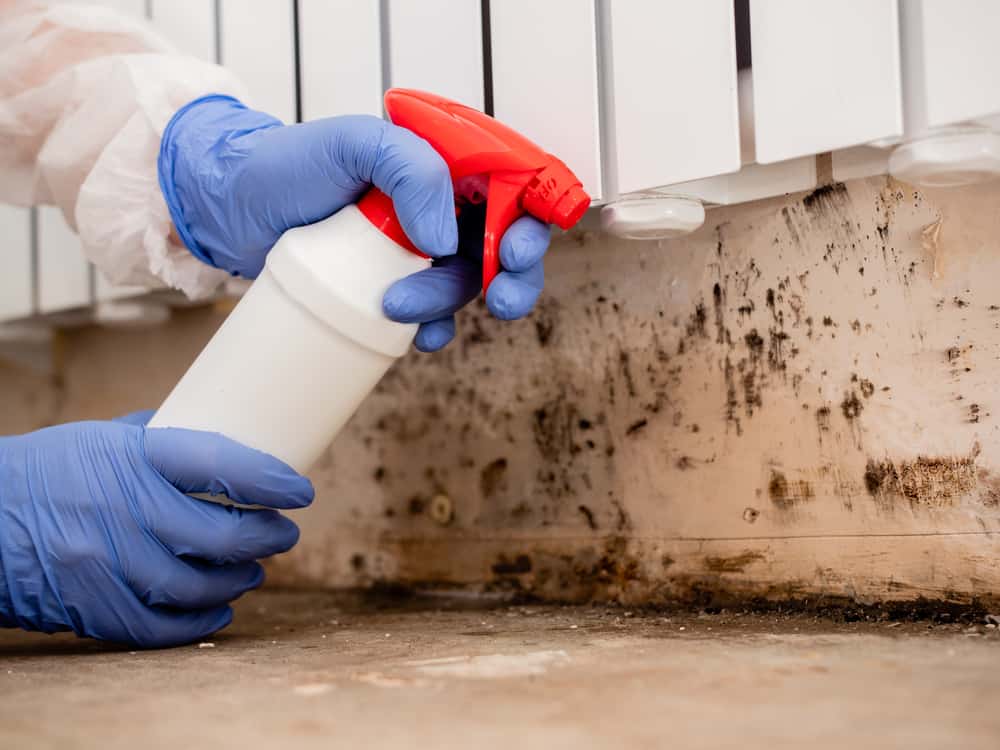
Once the source is mapped, we set up containment to keep mold spores from spreading to unaffected areas of your home during the removal process. Contaminated materials — insulation, drywall, structural framing where necessary — are properly removed and disposed of. We treat surfaces with antimicrobial agents, and HEPA vacuuming clears the remaining particulate from the air and affected areas.
After remediation, post-remediation verification is standard — not an add-on. Independent air quality testing confirms that spore counts have returned to normal levels, and you receive a clearance report documenting the result. That report matters for insurance claims, real estate transactions, and your own peace of mind. It’s also worth knowing that any structural repairs associated with the remediation — replacing drywall or framing — may require a building permit through the Town of Brookhaven. We’ll walk you through what applies to your specific job.
Ready to get started?
Mold doesn’t limit itself to one part of a house, and in Rocky Point, it tends to show up in the spaces that are hardest to see. Crawl space mold remediation is one of our most common calls from this area — and for good reason. North Shore construction relied heavily on crawl space foundations, and without a proper vapor barrier and adequate ventilation, those spaces trap moisture year-round. If your home was built before 1980 and you’ve never had the crawl space professionally inspected, there’s a real chance something is growing under your floor right now.
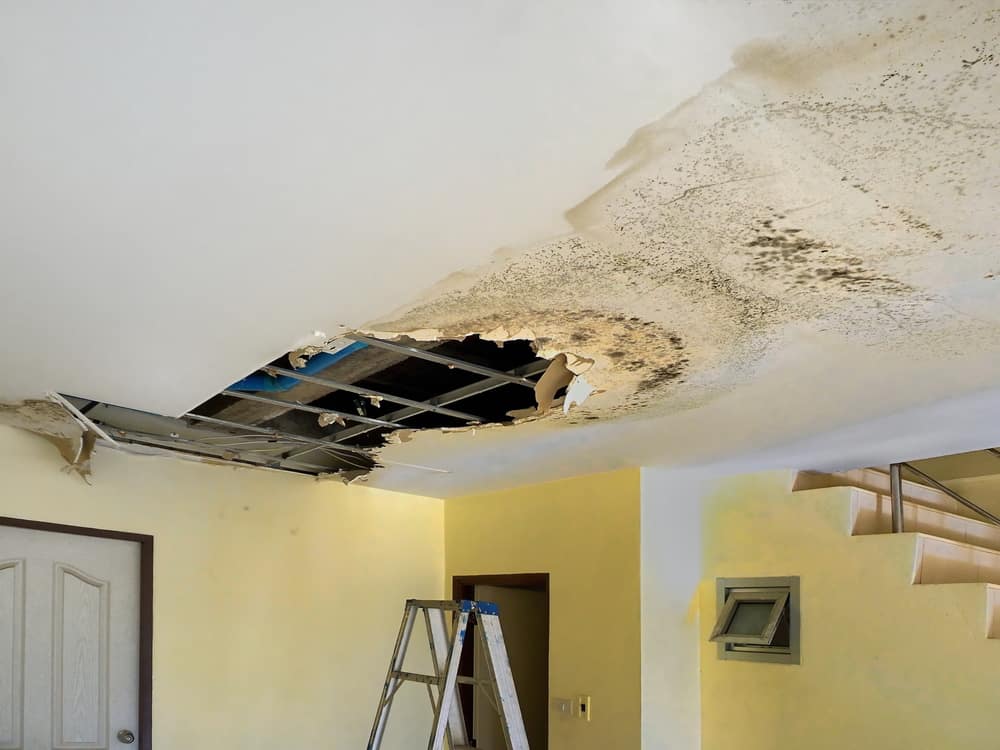
Attic mold remediation in Rocky Point is another frequent need, especially for homes with wooded lots near the Pine Barrens. Pine needle and leaf debris clogs gutters, water backs up under shingles, and the attic becomes a slow-developing mold environment that most homeowners don’t discover until it’s already significant. Basement mold remediation is equally relevant after storm flooding — Rocky Point has documented flooding events, and every inch of standing water that sits in a basement creates a 24-to-48-hour window before mold begins to grow.
Black mold remediation follows the same containment and removal process, with particular attention to personal protection protocols for our technicians and air quality verification afterward. We offer emergency mold remediation around the clock — because a nor’easter doesn’t wait for Monday morning. We also handle the full cleanup after remediation is complete, so you’re not left coordinating a second company to finish what we started. One call, one team, one result.
Most residential mold remediation projects in the Rocky Point area fall somewhere between $1,200 and $3,800, depending on the size of the affected area, the type of materials involved, and how far the mold has spread before it’s caught. Crawl space remediation — one of the most common scenarios in Rocky Point given the prevalence of crawl space foundations in North Shore construction — typically runs between $500 and $4,000, and can climb higher if encapsulation is needed to prevent moisture from returning through the soil.
Attic remediation tends to range from $1,500 to $9,000 depending on how extensively the roof decking, rafters, and insulation have been affected. The earlier you catch it, the less it costs. What drives scope up in Rocky Point specifically is the age of the housing stock — homes built as summer cottages in the 1940s and 1950s often have original building materials that absorb moisture more readily than modern construction, which means mold penetrates deeper before it becomes visible. A written estimate after a proper assessment is the only honest way to give you an accurate number for your specific home.
Mold removal implies taking out what’s visible — wiping a surface, spraying a product, calling it done. Mold remediation is a more complete process: it includes identifying the moisture source, containing the affected area to prevent spore spread, removing contaminated materials where necessary, treating surfaces with antimicrobial agents, and verifying through air quality testing that the mold is actually gone. The distinction matters because mold that isn’t fully addressed comes back.
In older Rocky Point homes — particularly those with crawl spaces, original wood framing, or aging insulation — mold rarely stays on the surface. It grows into porous materials, and those materials have to be properly removed, not just wiped down. Any company telling you they can handle a significant mold problem with a surface spray and a shop vac is not giving you remediation. They’re giving you a temporary result that will cost you more to fix correctly later.
It depends on the cause. If the mold resulted from a sudden, covered event — like a burst pipe or storm flooding — your homeowner’s insurance policy may cover the remediation. If the mold developed over time due to a slow leak, chronic humidity, or deferred maintenance, most policies will not cover it. That distinction is important in Rocky Point, where nor’easter flooding is a documented risk and where the age of the housing stock means slow-developing moisture problems are common.
One thing that can affect your claim regardless of cause is whether the remediation was performed by a licensed contractor. New York State’s Article 32 mold licensing law requires that anyone performing professional mold remediation hold a valid state-issued license. If you hire an unlicensed operator and your insurer discovers it, your claim can be denied. Richard Peterson’s NYS mold remediation contractor license is verifiable through the Department of Labor — which means any claim tied to work we perform stands on solid ground from a documentation standpoint.
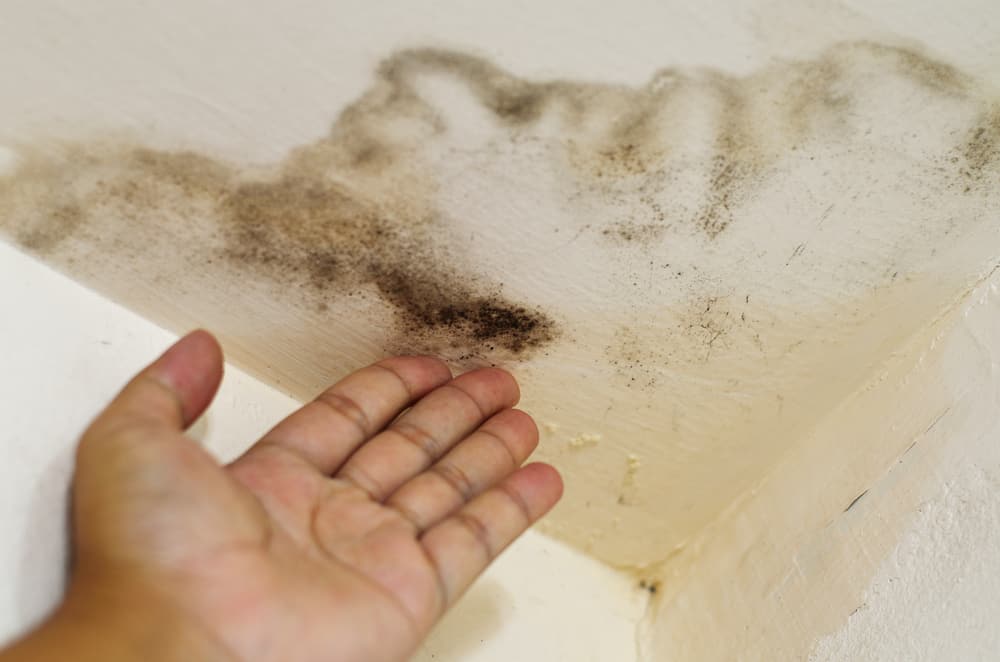
The most common signs are a persistent musty smell, unexplained allergy or respiratory symptoms that improve when you leave the house, visible water staining on ceilings or walls, and a history of water intrusion — whether from a storm, a plumbing issue, or chronic basement dampness. In Rocky Point specifically, crawl spaces and attics are the two areas most likely to harbor hidden mold because they’re rarely accessed and have the moisture conditions that mold needs to grow.
If your home was built before 1980 — which describes the majority of Rocky Point’s housing stock — and you’ve never had a professional mold assessment, that’s reason enough to schedule one. Homes that originated as summer cottages and were later converted to year-round use often have moisture vulnerabilities built into their original construction: inadequate vapor barriers, poor crawl space ventilation, and attic insulation that wasn’t designed for the thermal demands of four-season occupancy. A professional assessment with moisture mapping will tell you what’s actually happening inside your home, not just what’s visible on the surface.
In most cases, yes — but it depends on the location and scale of the mold problem. If the affected area is contained to a crawl space, attic, or a single room and proper containment barriers are in place, most homeowners can remain in other parts of the house without significant risk. If the mold is widespread, involves a central HVAC system that could distribute spores, or if anyone in the household has asthma, significant mold allergies, or a compromised immune system, temporary relocation during active remediation is the safer choice.
This is a conversation worth having before work begins, not after. We’ll give you a straight answer based on the actual scope of your specific job — the location of the mold, the size of the affected area, and the containment setup required. For Rocky Point families with children, the answer to this question matters, and you deserve a clear one rather than a vague response with no follow-through.
Because the moisture source was never fixed. This is the most common reason recurring mold happens after a remediation — the mold was removed, but whatever was feeding it was left in place. In Rocky Point, the usual culprits are hydrostatic pressure from the sandy coastal soil pushing moisture through foundation walls, a compromised or missing vapor barrier in a crawl space, inadequate drainage around the foundation perimeter, or a gutter system that’s been overwhelmed by debris from wooded lots near the Pine Barrens and is directing water toward the house instead of away from it.
Treating the mold without addressing the source is like patching a roof leak from the inside — you’re managing the symptom, not the problem. The right remediation process starts with moisture mapping to identify exactly where the water is entering and why. Once that’s documented and corrected as part of the scope, the conditions that allowed mold to grow in the first place no longer exist. That’s what makes the difference between a one-time fix and a recurring expense that follows you for years.
Useful Links
Other Services we provide in Rocky Point