
Hear from Our Customers
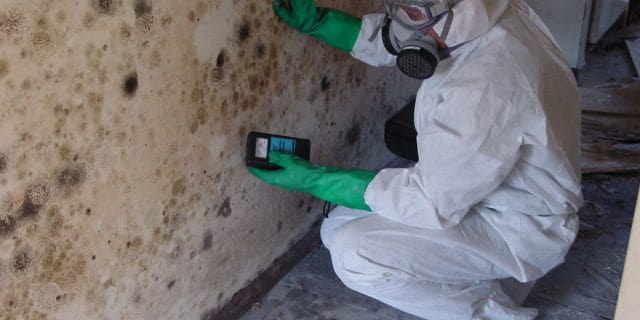
Mold doesn’t stay in one place. It spreads through wall cavities, into attic framing, behind bathroom tile, and along crawl space joists — often for months before you notice anything. By the time there’s a visible patch or a musty smell, the problem is almost always bigger than it looks. What you actually need isn’t a surface wipe-down. You need someone who finds all of it, removes it properly, and makes sure the conditions that caused it are addressed so it doesn’t come back.
For homes in Saddle Rock, that last part matters more than it does in most places. The village sits directly along Little Neck Bay, and the ambient humidity that comes off the water doesn’t give your home a break — not in summer, not in fall, not during a wet spring when groundwater is pushing up against foundations that were built a century ago. Homes here face year-round moisture pressure, and a remediation that only treats the visible mold without resolving the underlying moisture source will have you back in the same situation within months.
When the job is done correctly, what you get is a home that’s clean at a level you can document — lab-verified air quality, written clearance results, and a remediation report that holds up to scrutiny from a buyer’s attorney, an insurance adjuster, or your own peace of mind. In Saddle Rock, where the median home value sits at $1.73 million, that documentation isn’t optional. It’s the difference between a mold history that follows your property and one that’s been properly resolved.
We’ve been serving Nassau County homeowners since the late 1990s. That’s not a marketing number — it means we’ve worked through nor’easters, coastal flooding events, and the kind of slow-building moisture problems that older North Shore homes develop over decades. We know Saddle Rock. We know what happens to crawl spaces and attic framing in homes built along Little Neck Bay. We know how the village’s incorporated status and Board of Trustees handle building permits and code compliance. That context shapes how we approach every job.
Every technician who walks into your Saddle Rock home holds individual IICRC certification — not just the company, but each person on the crew. That’s a distinction most companies in this market can’t make. We also carry a dedicated Nassau County line (516-698-1776), which means when you call, you’re reaching a local team — not a national call center routing your job to whoever’s available.
We’re not the right fit for every job, and we’ll tell you that honestly. But if you have a real mold problem in a home you’ve invested in, we’re built for exactly that.
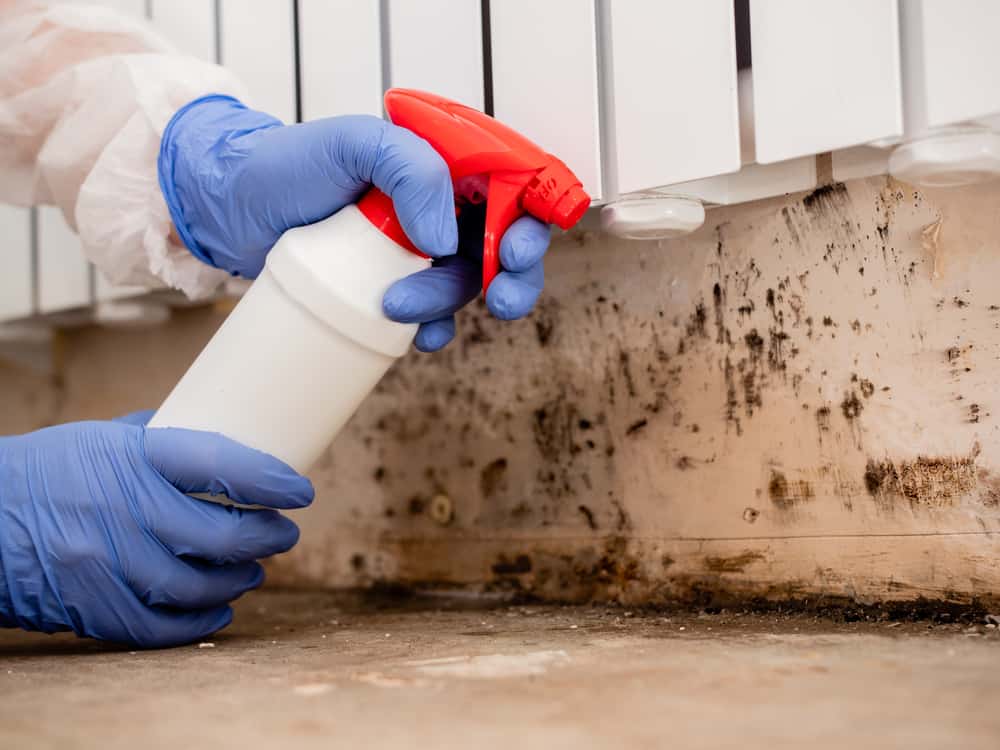
It starts with a 13-point inspection. That means air testing, surface swab sampling, infrared imaging to detect moisture behind walls and in crawl spaces, and moisture-level readings throughout the affected areas. We also compare indoor and outdoor mold particle counts — because in a coastal environment like Saddle Rock, elevated baseline outdoor spore levels can complicate what you’re actually dealing with indoors. Written lab results come back within two to three business days.
Once we have a clear picture of the scope, remediation begins with full containment of the affected area to prevent cross-contamination to other parts of your home. Mold is removed using IICRC-standard protocols, and the underlying moisture source — whether it’s a plumbing issue, inadequate crawl space ventilation, or water intrusion through an older foundation — is identified and addressed. Because Saddle Rock is an incorporated village with its own Board of Trustees and zoning authority, any structural work that requires permits gets handled in compliance with both village requirements and Nassau County building codes. We walk you through that process so nothing gets missed.
After remediation, we conduct post-clearance testing to verify the air quality meets acceptable standards before we consider the job complete. If the work required opening walls, removing drywall, or accessing structural framing, we handle the rebuild as well. You don’t need a second contractor. The space gets restored, documented, and handed back to you in better condition than we found it.
Ready to get started?
Mold remediation in Saddle Rock covers the full scope — from the initial inspection through post-clearance verification. The 13-point inspection includes air and surface sampling, infrared thermal imaging, and moisture mapping, with lab analysis and a written report. This level of documentation is especially relevant for Saddle Rock homeowners navigating a real estate transaction, because mold discovered during a buyer’s inspection doesn’t just delay a closing — it can reduce your sale price or kill the deal entirely. Having a certified remediation report on file changes that conversation.
Remediation itself includes full containment, HEPA filtration, mold removal from all affected materials, and treatment of surrounding surfaces to prevent recurrence. We handle attic mold remediation, basement mold remediation, and crawl space mold remediation — the three areas where Saddle Rock’s older housing stock and coastal moisture conditions tend to concentrate problems. Emergency mold remediation is available 24 hours a day, seven days a week, because water intrusion events from nor’easters or burst pipes during a freeze-thaw cycle don’t happen on a schedule.
If the remediation requires reconstruction — replacing drywall, rebuilding framing, restoring a finished space — we do that too. New York State’s 2016 Mold Law requires that the company performing your assessment and the company performing your remediation be separate entities. We operate in full compliance with that law, and we’ll explain exactly what that means for your specific situation before any work begins.
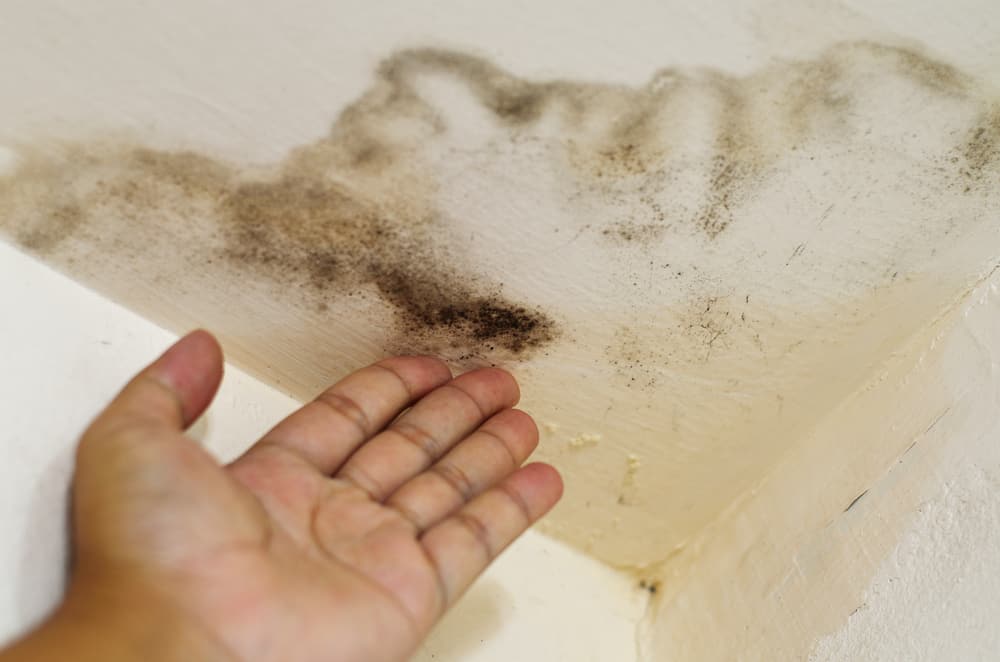
The most common signs are a persistent musty smell in a specific area of the home, visible discoloration on walls, ceilings, or around window frames, and unexplained respiratory irritation that improves when you leave the house. That said, mold in Saddle Rock homes frequently hides in places that aren’t visible at all — behind drywall in bathrooms, inside attic framing where roof penetrations have allowed moisture in, and in crawl spaces where groundwater pressure against older foundations creates consistent dampness.
If you’re not sure, the right move is a professional inspection with air testing — not a visual check. Air sampling measures the actual spore count inside your home and compares it to outdoor baseline levels. Given that Saddle Rock’s coastal position along Little Neck Bay keeps ambient outdoor spore counts relatively elevated, interpreting those results correctly requires someone who understands the local environment. A number that looks alarming in isolation might be normal for this area, and vice versa. That context is part of what a proper inspection provides.
The range for mold remediation in Nassau County runs roughly $2,300 to $3,754 for a contained, single-area problem — a bathroom, a section of basement wall, or a localized attic issue. Whole-house remediation or situations where mold has spread through multiple areas of an older home can run $10,000 to $30,000 or more, depending on the extent of contamination and whether reconstruction is required after materials are removed.
What moves the number up in Saddle Rock specifically is the age of the housing stock. Homes built in the early-to-mid 20th century often have unencapsulated crawl spaces, original plumbing that’s been slowly leaking for years, and attic ventilation that doesn’t meet current standards. When mold has had time to establish itself in structural framing or behind original plaster walls, the remediation scope expands. The inspection is what determines the real cost — and a thorough, documented inspection is worth paying for, because it tells you exactly what you’re dealing with rather than leaving you with a vague estimate that grows once the work starts.
Whether insurance covers mold remediation depends on the cause. If the mold resulted from a sudden, accidental water event — a burst pipe, an appliance failure, storm-driven water intrusion — most standard homeowners policies will cover at least a portion of the remediation cost. If the mold developed from long-term moisture buildup or a slow leak that went unaddressed, insurers typically classify it as a maintenance issue and deny the claim.
For Saddle Rock homeowners, this distinction matters because many of the moisture problems in older North Shore homes develop gradually — condensation in crawl spaces, slow foundation seepage during wet springs, inadequate attic ventilation that allows moisture to accumulate over years. The documentation from a professional inspection becomes critical here. A detailed inspection report that establishes the timeline and cause of the moisture intrusion is often the difference between a covered claim and an out-of-pocket expense. We provide that documentation as part of every inspection, and we can help you understand what your policy language actually says before you file.
Yes, and it matters quite a bit. Mold removal implies taking away what’s visible. Mold remediation means bringing mold levels back to a normal, naturally occurring baseline throughout the entire home — including areas you can’t see — and addressing the conditions that allowed mold to grow in the first place. Removal is a surface action. Remediation is a complete process.
In a home along the Great Neck Peninsula, where humidity from Little Neck Bay keeps indoor moisture levels elevated for much of the year, removal without remediation is a temporary fix. The mold comes back because the environment that supports it hasn’t changed. Proper remediation includes containment, HEPA filtration, treatment of surrounding materials, moisture source correction, and post-clearance air testing to confirm the job worked. That last step — clearance testing — is what separates a remediation you can document from one you just have to take someone’s word for.
A single-area remediation — one bathroom, one section of a basement, a localized crawl space issue — typically takes one to three days. Larger projects involving multiple areas of the home, structural material removal, or whole-house contamination can run a week or more, particularly when reconstruction is factored in after materials are removed.
Whether you need to vacate depends on the scope and location of the work. For contained jobs where the affected area can be fully sealed off from the rest of the living space, most families can remain in the home. For larger remediations involving significant airborne spore disturbance or work in central areas like HVAC systems, temporary relocation is the safer choice — especially if anyone in the household has respiratory sensitivities. We’ll give you a straight answer on this during the inspection phase, before any work starts, so you can plan accordingly rather than find out mid-project.
It can — but only if the moisture source that caused it was never resolved. Mold is a symptom of a moisture problem, not the problem itself. If remediation removes the mold but leaves the underlying condition in place — an unencapsulated crawl space, a foundation wall that seeps every spring, a bathroom exhaust fan that vents into the attic instead of outside — mold will return, usually within three to six months.
Saddle Rock’s environment makes this more relevant than it would be in an inland community. The humidity off Little Neck Bay, the groundwater pressure that builds during wet springs, and the age of the housing stock in this village all create persistent moisture pressure that doesn’t let up between seasons. A remediation that accounts for those conditions — one that identifies and corrects the moisture source, not just the mold — is what actually holds. That’s why post-remediation clearance testing matters: it confirms the job was done to a standard you can verify, not just a standard someone told you about.
Useful Links
Other Services we provide in Saddle Rock