
Mold Remediation in Shirley, NY
South Shore Homes Hide Mold Longer Than Most
Hear from Our Customers
Certified Mold Remediation Shirley, NY
There’s a difference between covering a mold problem and eliminating it. In Shirley, that distinction matters more than most places because the conditions that created the mold bay humidity, high groundwater near the Carmans River, crawl spaces in homes that were never built for year-round coastal living don’t go away on their own. If the source isn’t addressed, the mold comes back.
When remediation is done correctly, the air in your home stops carrying that musty, damp smell that creeps in after every rainstorm. Respiratory irritation eases. You stop worrying every time it rains whether the crawl space under your 1950s ranch is doing something you can’t see. Families with kids in the William Floyd School District don’t need another reason to stress about what’s in the air at home.
The other thing that changes is your position if you ever sell. Mold discovered during a home inspection in Shirley’s active real estate market can drop a sale price fast or kill a deal entirely. Documented, verified remediation with post-clearance air quality testing gives you something concrete to show a buyer. That’s not a minor detail. That’s leverage.
Mold Remediation Companies in Shirley, NY
We’ve been working in Shirley and across Long Island for approximately 31 years. That means we were here before Sandy, through Sandy, and through the decade of recurring moisture problems that followed in communities like Shirley and Mastic Beach. That kind of tenure isn’t a marketing number it’s the difference between a company that’s read about South Shore housing and one that’s opened the crawl spaces in it.
Owner Richard Peterson holds personal New York State licenses in both mold assessment and mold remediation verifiable through the NYS Department of Labor. That’s not a company-level credential kept in a filing cabinet. It’s his license, his name, his accountability. Every technician on our team carries IICRC certification, which means the people physically doing the work in your Shirley home have been trained and tested to the industry’s highest standard.
We also operate an integrated cleaning division alongside our restoration services. That matters because most companies stop when the structural work is done and leave the rest to you. We handle the full cycle from emergency response through final cleaning under one point of contact.

Professional Mold Remediation Process Shirley, NY
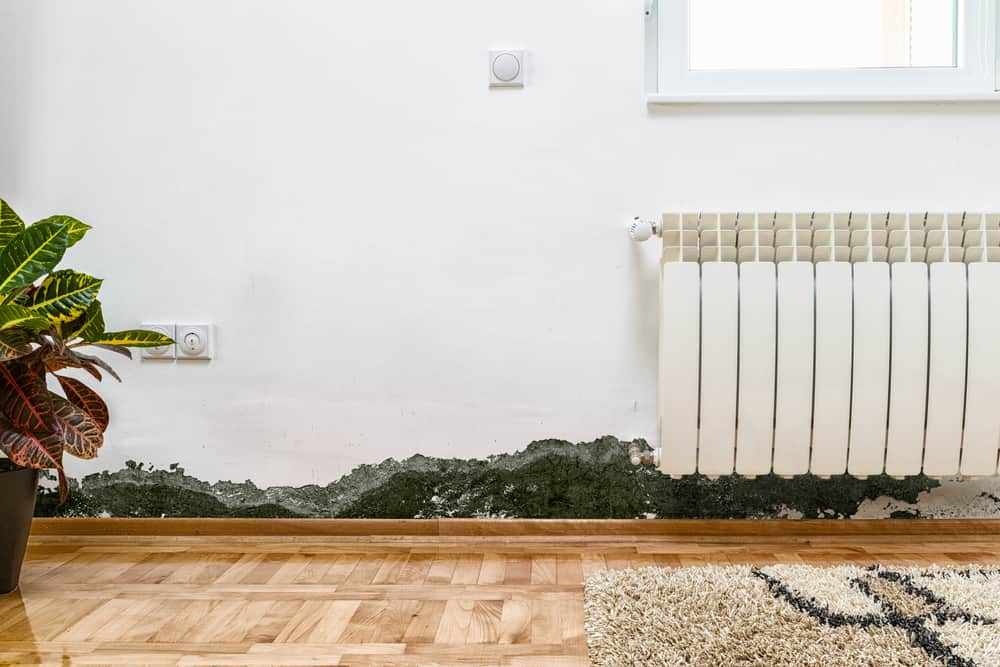
It starts with a thorough assessment. Before anything is removed or treated, we identify the source of moisture. In Shirley, that step is critical whether it’s groundwater pressing up through a slab near the Wertheim refuge wetlands, condensation building in an under-ventilated attic on a South Shore ranch home, or a crawl space that’s been absorbing bay humidity for years without a proper vapor barrier. Treating mold without finding the source is a short-term fix that will cost you again.
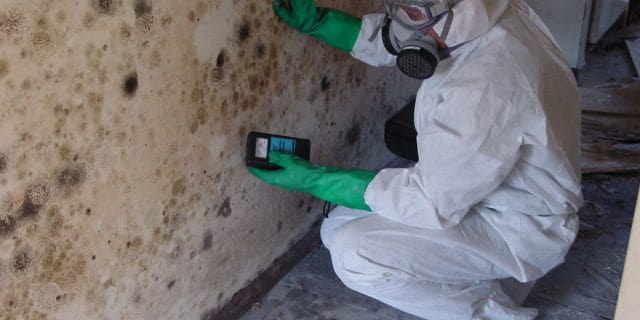
Once the source is mapped, we put containment in place. This isolates the affected area so that mold spores don’t migrate to clean parts of your home during the removal process. HEPA filtration runs continuously throughout the job. Contaminated materials are removed, structural surfaces are treated with EPA-registered antimicrobial agents, and everything is handled according to New York State’s Article 32 licensing requirements which govern how licensed mold remediation work must be performed in this state.
After the remediation work is complete, we conduct post-remediation verification testing. This is independent air quality testing that confirms mold spore counts have returned to normal levels before the job is considered finished. You get documentation not just a verbal assurance. That clearance report is what you’ll need for insurance claims, for real estate transactions, and for your own peace of mind knowing the work actually held.
Ready to get started?
Black Mold Remediation Shirley, NY
Mold remediation in Shirley covers the full range of where moisture problems show up in this community’s housing stock. Attic mold is common in the ranch-style and Cape Cod homes that dominate the hamlet inadequate ventilation lets warm, humid coastal air hit cold roof decking, and mold follows. Crawl space mold is prevalent in the bungalow-era homes that were converted from seasonal to year-round use without the vapor barriers or drainage systems that year-round living near the Great South Bay actually requires. Basement mold tends to surface after storm events a nor’easter, a sump pump failure, or a slow leak that went unnoticed for longer than it should have.
Under New York State law, the same company cannot legally perform both the mold assessment and the mold remediation on the same project. This consumer protection rule is worth knowing before you hire anyone. Richard Peterson’s dual licensure as both a certified mold assessor and a licensed remediation contractor means we can be transparent about where we fit in that process for your specific situation and help you navigate the steps correctly.
We offer emergency mold remediation around the clock. If water entered your home during a storm and you’re watching the clock on that 24-to-48-hour window before active mold growth begins, you don’t need a callback scheduled for tomorrow morning. You need someone who answers now.
Does mold from Hurricane Sandy still show up in Shirley homes today?
Yes, and it’s more common than most people expect. Shirley and the Mastic Beach area absorbed some of the most severe coastal flooding in all of Suffolk County during Sandy in October 2012. A lot of the emergency remediation done in the aftermath was incomplete homes were dried under pressure and time constraints, mold was painted over rather than removed, and moisture sources were never properly identified. More than a decade later, those same homes are dealing with the downstream consequences.
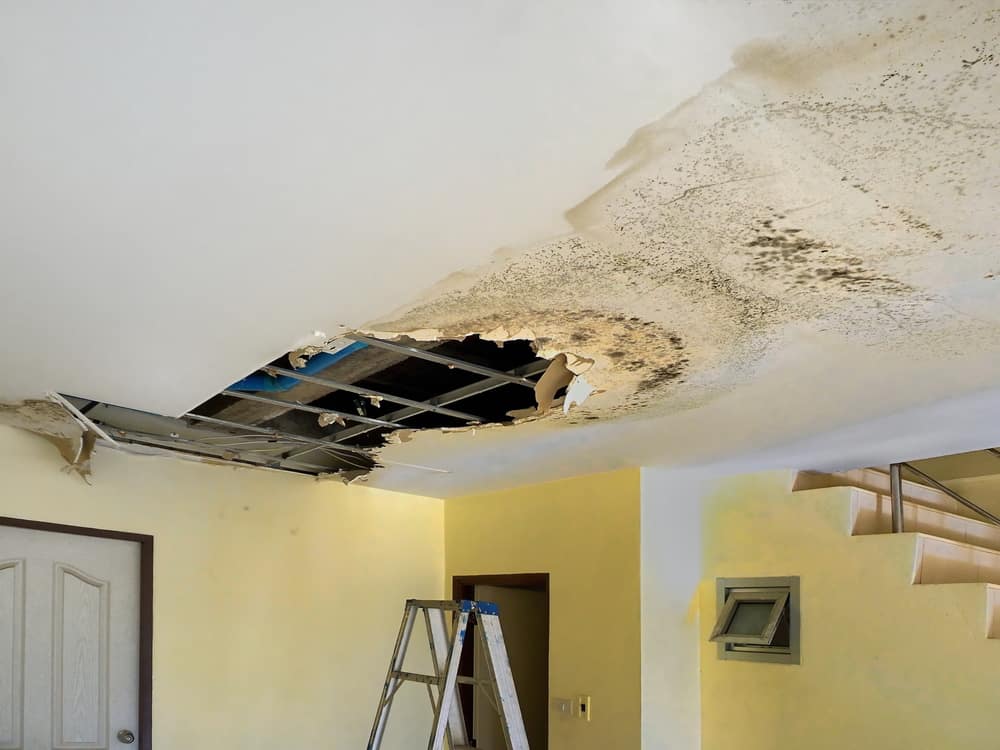
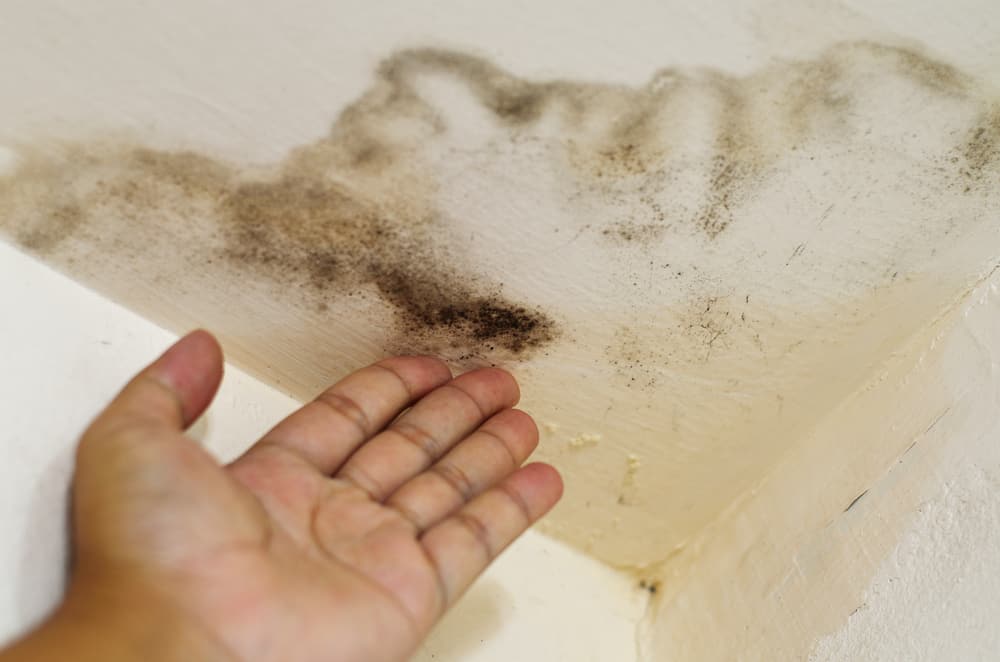
If your Shirley home flooded during Sandy and you’ve noticed a persistent musty smell, unexplained respiratory symptoms, or discoloration on walls or ceilings that keeps coming back, the problem may trace directly to that event. A proper assessment will tell you whether you’re dealing with new growth from a recent water intrusion or legacy mold that’s been building for years. Either way, the answer is the same: find the source, contain it, remove it, and verify the result with post-clearance air testing before you consider the job done.
How much does mold remediation typically cost in Shirley, NY?
Most residential mold remediation projects fall somewhere between $1,200 and $3,800, with the national average sitting around $2,347. Where your project lands in that range depends on where the mold is, how far it’s spread, and what materials need to be removed. Attic remediation in Shirley’s older ranch and Cape Cod homes can run $1,500 to $9,000 depending on the extent of the growth and how much roof decking or framing is affected. Crawl space work typically runs $500 to $4,000, and can go higher if encapsulation is needed to address ongoing moisture intrusion from the water table.
We don’t quote a firm number before we’ve seen the space. What we do is walk you through a realistic cost range based on what the assessment reveals, so you’re not hit with a number that doubled from the original estimate once work started. If there’s an insurance component to your situation, documentation from the assessment phase is what drives the claim, and getting that right from the start saves a lot of headaches later.
What are the most common signs of mold in a Shirley crawl space?
The most obvious sign is smell a persistent musty or earthy odor that gets stronger after it rains or during humid summer months when the Great South Bay pushes moisture inland. In Shirley’s bungalow-era homes, many of which sit on crawl spaces that were never designed for year-round coastal humidity, that smell often means mold has been growing on the wood framing, insulation, or subfloor materials for longer than you’d want to know.
Other signs include floors that feel soft or springy in certain spots, visible discoloration or dark staining on subfloor materials visible from inside the crawl space, and condensation on pipes or structural members during warm months. If your home was built in the 1950s or 1960s and the crawl space hasn’t been assessed recently particularly if you’ve had any water intrusion events it’s worth having it looked at. High groundwater conditions near the Carmans River and the bay mean moisture is pressing against these spaces from below year-round, not just during storms.
Is mold remediation covered by homeowner's insurance in New York?
It depends on how the mold started. Homeowner’s insurance in New York typically covers mold remediation when it’s the direct result of a sudden and accidental event a burst pipe, a storm surge that came through a door or window, a sump pump that failed during a nor’easter. What it generally won’t cover is mold that developed over time due to deferred maintenance, a slow leak that was ignored, or moisture intrusion that wasn’t addressed after a previous event.
For Shirley homeowners, the insurance question gets complicated quickly especially if the mold problem traces back to Sandy-related flooding, a prior FEMA claim, or an NFIP flood insurance policy. The documentation from your assessment phase is critical: it needs to establish the source of the moisture, the timeline of the damage, and the scope of the remediation required. We help customers organize that documentation in the format insurers actually need, which makes the difference between a claim that moves forward and one that stalls out over missing paperwork.
How long does mold remediation take for a typical Shirley home?
A straightforward surface mold situation in a single area say, mold on basement drywall after a sump pump failure can often be completed in one to two days. More involved projects, like attic remediation in a ranch-style home where mold has spread across roof decking, or a crawl space job that requires vapor barrier installation alongside the remediation work, typically run three to five days. Larger or more structurally complex situations can extend beyond that.
The timeline also depends on drying. If there’s active moisture still present in the structure, drying time has to be built into the schedule before remediation can be completed effectively treating mold in a space that’s still wet just sets you up for a repeat call. In Shirley, where coastal humidity means ambient moisture levels stay elevated even in summer, that drying phase sometimes takes longer than it would in an inland community. Post-remediation air quality testing adds a final step at the end, but it’s what gives you the documentation that the job is actually finished not just visually complete.
Why can't the same company do both the mold assessment and the remediation in New York?
New York State’s Article 32 mold licensing law specifically prohibits a single company from performing both the assessment and the remediation on the same project. The reasoning is straightforward: if the company assessing your mold is also the one getting paid to remove it, there’s a financial incentive to find more mold than actually exists. Separating those two functions removes that conflict and gives you an independent baseline before any remediation work begins.
In practice, this means you’ll need a licensed mold assessor to evaluate your home and produce a written remediation protocol, and then a separately licensed remediation contractor to carry out the work. Richard Peterson holds personal NYS licenses in both categories, which means we can be transparent about exactly where we fit in that process for your specific situation and help you understand the steps without having to navigate it alone. If you’re in Shirley and you’ve already had an assessment done by another party, that protocol is what drives the remediation scope and working from a documented plan is always the right way to start.
Useful Links
Other Services we provide in Shirley