
Mold Remediation in South Farmingdale, NY
South Shore Humidity Has a Favorite Target Your Crawl Space
Hear from Our Customers
Basement Mold Remediation South Farmingdale NY
The air in your home feels different. That low-grade musty smell you’d stopped noticing the one that hits you every time you open the basement door disappears. You stop worrying about what your family is breathing, and you stop putting off the conversation about what to do about it.
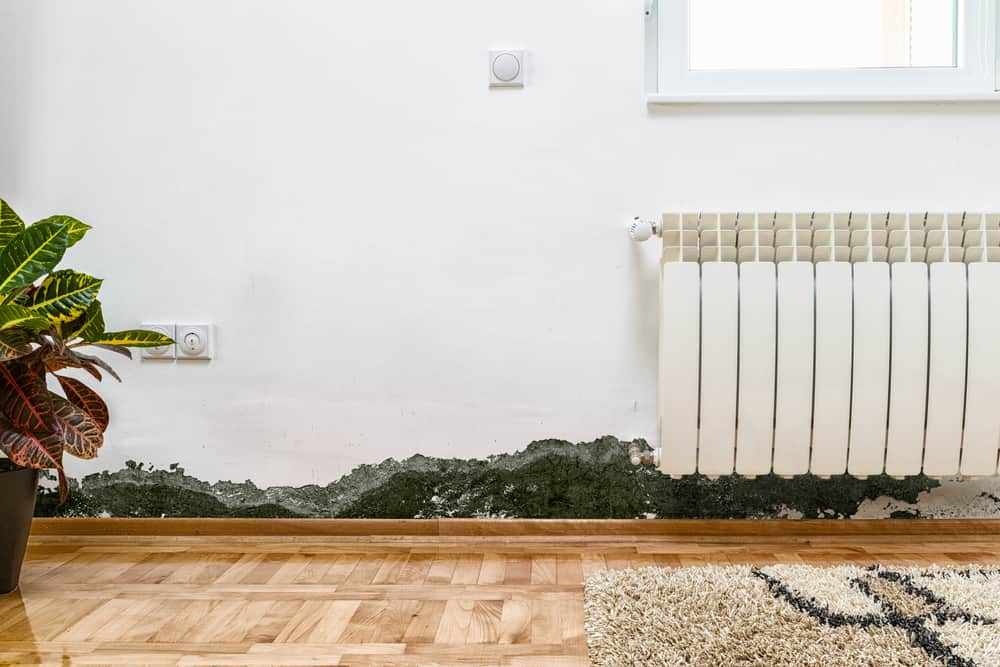
For South Farmingdale homeowners, that relief matters more than most people realize. The South Shore humidity that rolls in off the Atlantic doesn’t let up in summer, and the older block-foundation basements common throughout this hamlet are not built to hold it out. Add a heavy rain event the kind that regularly triggers Nassau County flash flood warnings covering Farmingdale and you have standing water in a space that was already fighting a losing battle against moisture. Mold can begin colonizing within 48 hours of that water intrusion. Most homeowners don’t see it for weeks.
Getting it handled properly also protects what your home is actually worth. Properties in South Farmingdale are selling between $550,000 and $900,000 right now. A documented mold problem can cut that value by 20% or more, and half of buyers walk away entirely when they find one. Professional mold remediation isn’t just a health decision it’s a financial one.
Certified Mold Remediation Companies South Farmingdale NY
First Response Restoration and Cleaning Inc. has been serving Nassau and Suffolk County homeowners for close to three decades. That’s not a corporate tagline it means we’ve worked in homes on Merritts Road, responded to storm calls after the Southern State Parkway flooded, and seen exactly what South Shore humidity does to the crawl spaces and attic insulation in 1960s ranch homes throughout South Farmingdale.
Every technician who walks into your South Farmingdale home is individually IICRC certified not just the company, every person on the crew. We arrive fully equipped on the first visit: air movers, dehumidifiers, moisture monitors, and everything needed to start containment immediately. No site visit followed by a return trip. No subcontractors. No guesswork.
We’re locally accountable in a way a national franchise simply can’t be. When your neighbor recommends us, that recommendation means something because we’ve earned it on Long Island, one job at a time, for nearly 30 years.
Professional Mold Remediation Process South Farmingdale NY
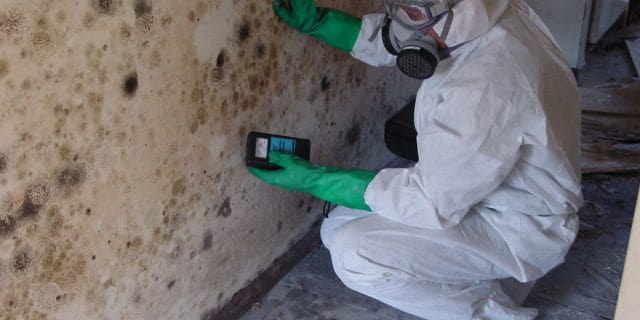
It starts with a thorough inspection not a visual scan and a verbal ballpark, but a 13-point assessment that includes air testing, swab sampling, infrared imaging to find hidden moisture behind walls, and a full written report with lab results delivered within two to three business days. That documentation matters if you’re filing an insurance claim, and it matters even more if you’re planning to sell.
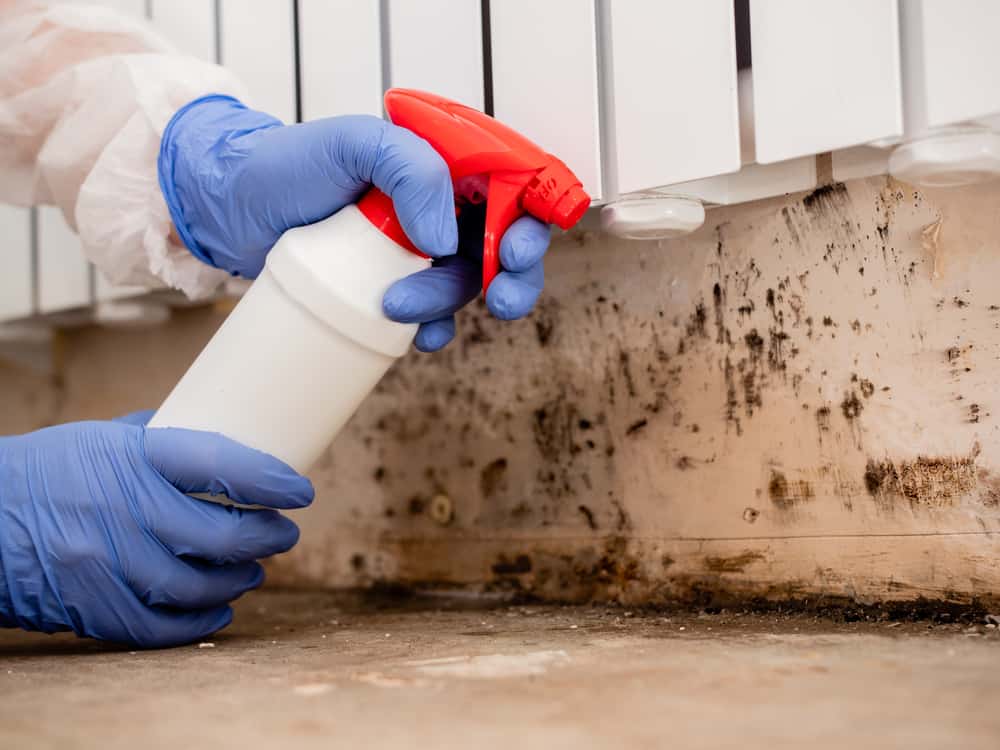
Once the scope is confirmed, we establish full containment to keep mold spores from spreading to unaffected areas of your home. Then remediation begins removing mold-affected materials, treating surfaces with EPA-registered antimicrobials, and running commercial-grade air filtration throughout the process. In South Farmingdale’s older homes, that often means pulling drywall or insulation that’s been holding moisture behind it for longer than you’d expect. We also identify and address the moisture source itself the groundwater seepage, the slow roof leak over a flat ranch section, the crawl space with no vapor barrier because treating visible mold without fixing what caused it is just delaying the next call.
New York State law requires that mold assessment and mold remediation be handled by separate licensed entities. We operate in full compliance and will walk you through what that means for your specific situation before anything starts. After remediation, we handle reconstruction drywall, insulation, whatever needs to be rebuilt so you’re not left coordinating a second contractor.
Ready to get started?
Black Mold Remediation and Cleanup South Farmingdale NY
The homes in South Farmingdale weren’t designed with modern moisture management in mind. Cape Cods with unventilated attic spaces, ranch homes with dirt-floor crawl spaces, hi-ranches with block-wall basements that seep after every significant rain these are the exact conditions where mold takes hold and stays hidden until it’s a real problem. Our mold remediation services are built around what’s actually common here, not a generic checklist.
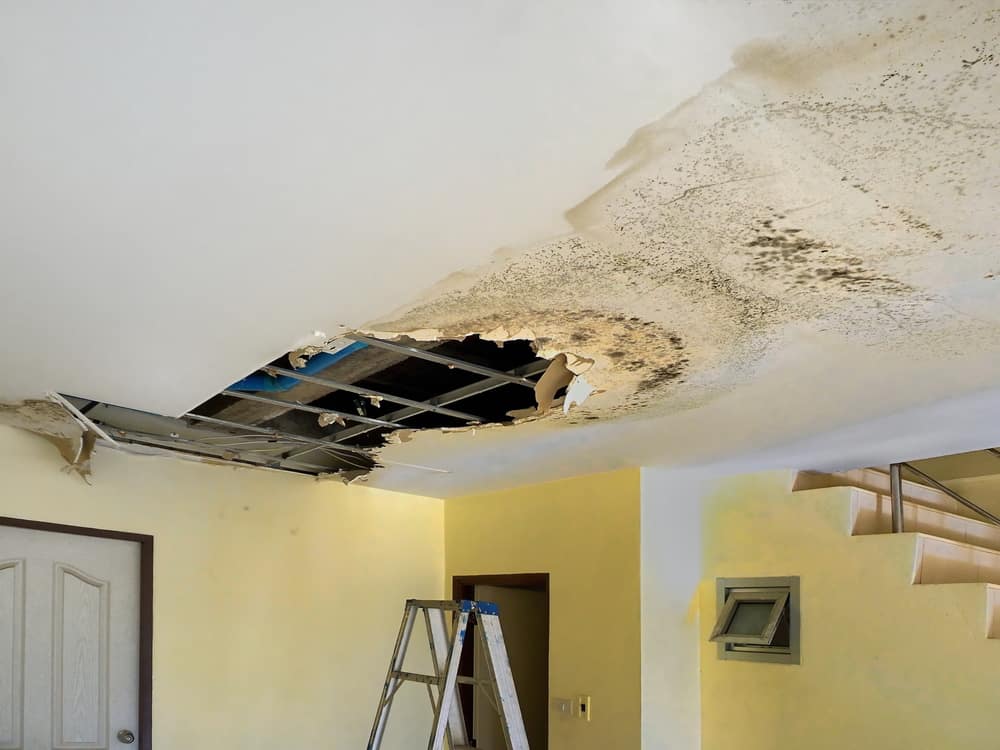
Basement mold remediation in South Farmingdale typically involves treating block or poured concrete walls, addressing groundwater intrusion points, and replacing insulation or drywall that has absorbed moisture over time. Crawl space mold remediation often requires vapor barrier installation or replacement alongside the mold removal itself because without it, the problem comes back. Attic mold remediation in ranch-style homes frequently traces back to inadequate ventilation or a slow roof leak that went undetected for a season or two.
Beyond the mold itself, we coordinate directly with your insurance company and provide the lab-backed documentation adjusters require. We offer emergency mold remediation around the clock because Nassau County storms don’t wait for Monday morning, and neither should your response. From the initial inspection through full mold damage repair and reconstruction, this is handled by one team, under one roof, with one point of contact throughout.
How do I know if my South Farmingdale basement actually has a mold problem?
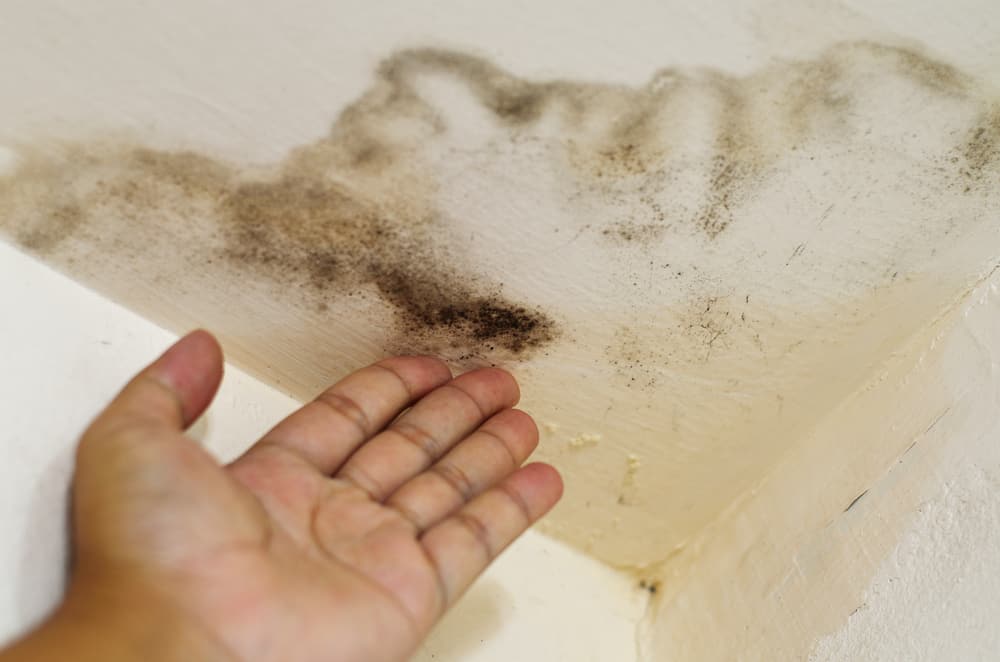
The most obvious sign is a persistent musty smell the kind that’s strongest near the floor or in corners where moisture collects. Visible dark spots on walls, insulation, or wood framing are another clear indicator, though mold in South Farmingdale’s older block-foundation basements often grows behind drywall or inside wall cavities where you can’t see it at all.
That’s why a visual check isn’t enough. If your basement has experienced any water intrusion even minor seepage after a heavy rain, which is common in this hamlet during Nassau County flash flood events there’s a real chance mold is present in areas you haven’t looked. A proper air quality test and moisture assessment will tell you what’s actually there, where it is, and how far it’s spread. That’s always the right starting point before any decisions are made.
What does mold remediation typically cost for a South Farmingdale home?
Cost depends on the size of the affected area, the type of mold, and how deeply it’s penetrated the materials involved. For a contained basement or crawl space situation in a typical South Farmingdale ranch or Cape Cod, you’re generally looking at somewhere in the $1,500 to $4,000 range. Larger infestations particularly ones that have spread through wall cavities, insulation, or into an attic can run higher, sometimes $6,000 to $15,000 or more depending on what reconstruction is needed after remediation.
The number that matters most, though, is what ignoring it costs. South Farmingdale homes are currently valued between $550,000 and $900,000. A documented mold problem at the time of sale can reduce that value by 20% or more that’s a potential six-figure hit on your equity. The cost of professional mold remediation is almost always a fraction of what an unaddressed problem will cost you at closing.
Can mold come back after it's been professionally remediated?
It can but only if the moisture source that caused it wasn’t properly addressed. Mold doesn’t grow without moisture. If a remediator removes the visible mold but doesn’t identify and fix the underlying problem a failed vapor barrier in a crawl space, groundwater seeping through a block foundation, inadequate attic ventilation in a ranch home the conditions for regrowth are still there. It’s one of the most common complaints homeowners have after a bad remediation experience.
This is why identifying and correcting the moisture source is a non-negotiable part of every job we do. In South Farmingdale specifically, that often means addressing drainage issues around older foundations, improving crawl space ventilation, or tracing a slow roof leak that’s been feeding an attic mold problem through multiple seasons. The mold removal is only as permanent as the fix underneath it.
Does homeowners insurance cover mold remediation in Nassau County?
It depends on the cause. If the mold resulted from a sudden, covered event a burst pipe, a storm-related roof leak, or flooding from a specific incident your homeowners policy may cover the remediation costs, sometimes in full. If the mold developed gradually over time due to ongoing moisture issues or deferred maintenance, most standard policies will not cover it. That distinction matters, and it’s worth reviewing your policy carefully before assuming coverage applies.
What helps most in a claim situation is documentation specifically, a written inspection report with lab results that establishes the cause, the scope, and the timeline. Nassau County insurance adjusters expect that level of detail, and without it, claims are frequently denied or reduced. We provide that documentation as a standard part of every inspection, and we’ll coordinate directly with your insurer throughout the process so you’re not managing that conversation alone while also dealing with a mold situation in your home.
What is the difference between mold remediation and mold removal?
Mold removal implies that all mold is physically taken out which sounds straightforward but isn’t entirely accurate or even possible. Mold spores exist naturally in the air and in building materials. The goal isn’t to achieve zero mold, because that’s not a realistic or measurable standard. Mold remediation is the correct term for what we actually do: reducing mold levels to a safe, normal range, removing and treating affected materials, addressing the moisture source, and restoring air quality so the environment is safe to occupy.
The distinction matters because companies that promise “complete mold removal” are often overstating what the process delivers which can be a red flag. Remediation done correctly, following the ANSI/IICRC S520 standard, brings your home back to a healthy baseline. That’s the standard every certified technician on our team is trained to and held to on every job in South Farmingdale and across Nassau County.
Is it safe to stay in my South Farmingdale home during mold remediation?
In most cases, yes but it depends on the location and extent of the mold, and on how the containment is set up. For a contained crawl space or basement situation, most families can remain in the home during remediation as long as the affected area is properly sealed off and negative air pressure is maintained to prevent spores from migrating into living spaces. We use commercial-grade air filtration and full containment barriers as standard practice on every job.
Where temporary relocation becomes worth considering is when mold is present in HVAC systems, in multiple rooms, or in areas that can’t be fully isolated from the living space particularly if anyone in the household has respiratory sensitivities, allergies, or a compromised immune system. South Farmingdale’s older homes sometimes have HVAC configurations that make containment more complex, and we’ll give you a straightforward answer about what’s realistic for your specific layout before work begins. There’s no reason to make that call without the full picture in front of you.
Useful Links
Other Services we provide in South Farmingdale