
Mold Remediation in South Valley Stream, NY
South Valley Stream Homes Have a Flood Risk Score of 6 Your Mold Problem Needs More Than a Flashlight Inspection
Hear from Our Customers
Certified Mold Remediation South Valley Stream, NY
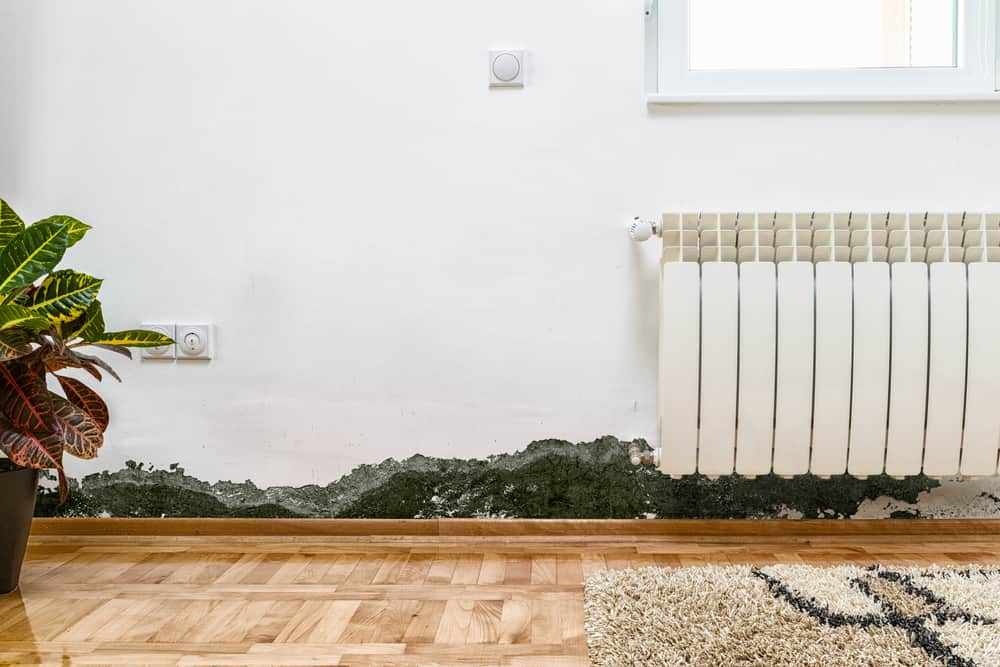
Most mold problems in South Valley Stream don’t start with a flood you can see. They start with a water table that’s been quietly pushing moisture through an aging basement slab for months, or a poorly ventilated attic in a Cape Cod that’s been holding summer humidity above 60% since June. By the time you notice the smell or the discoloration, the mold has already been growing long enough to matter.
When the remediation is done right, you’re not just getting clean walls you’re getting a home where the underlying moisture pathway has been identified and addressed. That means the mold doesn’t come back in six weeks. For a home valued at nearly $500,000 in a hamlet with Nassau County’s highest property taxes, that’s not a minor distinction. Mold that returns is money wasted and a problem that compounds.
The other thing that changes is clarity. After a proper remediation, you’ll have a written lab report documenting what was found, what was removed, and what the post-remediation air quality looks like. That documentation protects you whether you’re filing an insurance claim, selling the home, or simply want to know the job was actually finished.
Professional Mold Remediation Company South Valley Stream
We’ve been serving Nassau County homeowners for close to three decades, including the split-levels and brick ranch homes of South Valley Stream, North Woodmere, and Mill Brook long before Superstorm Sandy put this area on the federal storm recovery map and we’re still here, fully equipped, on every call.
What sets us apart isn’t just longevity. Every technician who walks into your South Valley Stream home carries individual IICRC certification not a company-level credential that one person earned and everyone else borrows. That distinction matters when the person entering your basement is the one making decisions about what gets removed, what gets treated, and what gets tested.
We handle the full scope: inspection, remediation, and reconstruction. If walls come down, they go back up. One company, one call, one point of contact through the entire process including any permitting required through the Town of Hempstead.
Emergency Mold Remediation Process South Valley Stream, NY
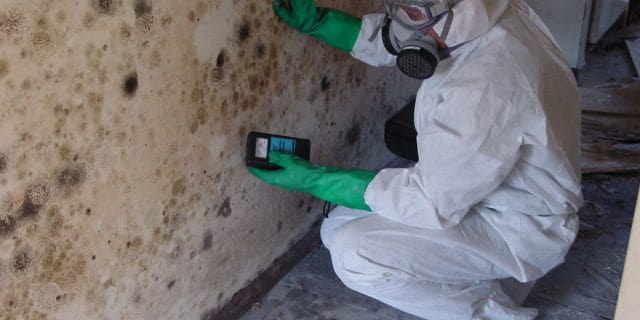
It starts with a real inspection not a visual walkthrough with a clipboard. We use air testing, swab sampling, infrared imaging, and moisture level readings to build a complete picture of what’s happening inside your walls, beneath your floors, and above your ceiling. The written lab report comes back within two to three business days and tells you exactly what was found, how severe it is, and what remediation looks like. No guesswork, no verbal estimates.
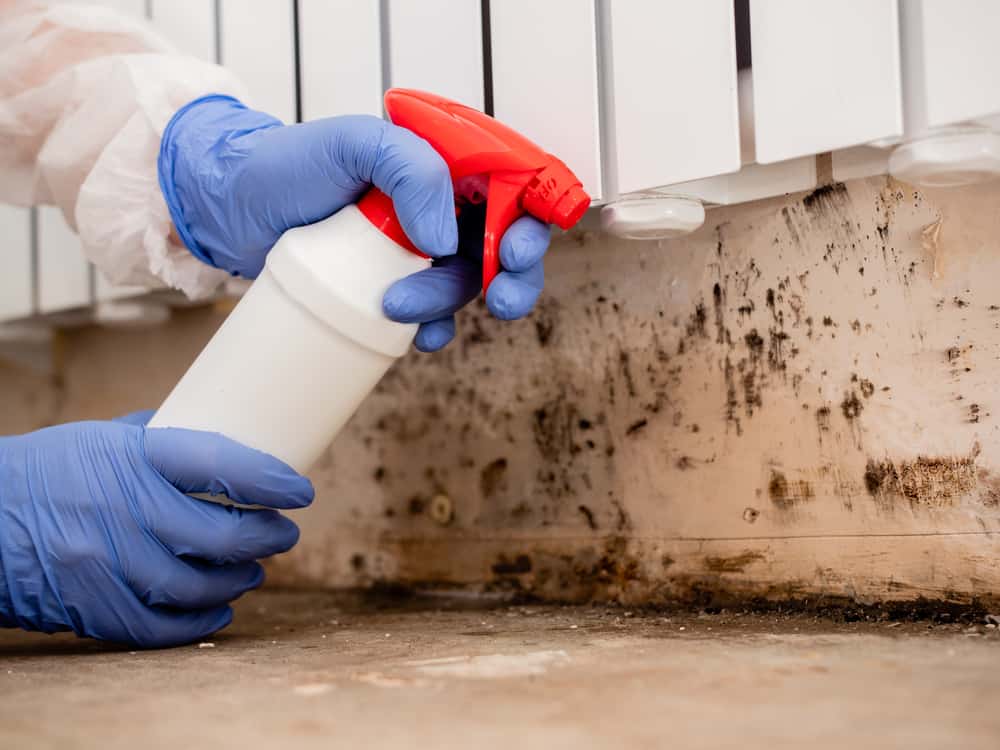
Once the scope is confirmed, the remediation work begins with full containment. Affected areas are isolated to prevent spores from spreading into the rest of the home a critical step in older South Valley Stream homes where HVAC systems and open floor plans can distribute airborne particles quickly. Mold-damaged materials are removed, surfaces are treated with antimicrobial agents, and HEPA air filtration runs throughout the process.
After remediation, clearance testing confirms the job is done. If reconstruction is needed new drywall, insulation, flooring we handle that work in-house, including any building permits required through the Town of Hempstead. New York State law also requires that the company performing the assessment cannot be the same company performing the remediation, so we coordinate that process transparently and in full compliance.
Ready to get started?
Basement and Attic Mold Remediation South Valley Stream
The housing stock in South Valley Stream is concentrated in the 1940–1969 construction era Cape Cods, split-levels, and brick ranches with full basements, plaster walls, and original drainage systems that were never designed for today’s storm frequency. That combination creates specific vulnerabilities that a generic remediation approach won’t fully address.
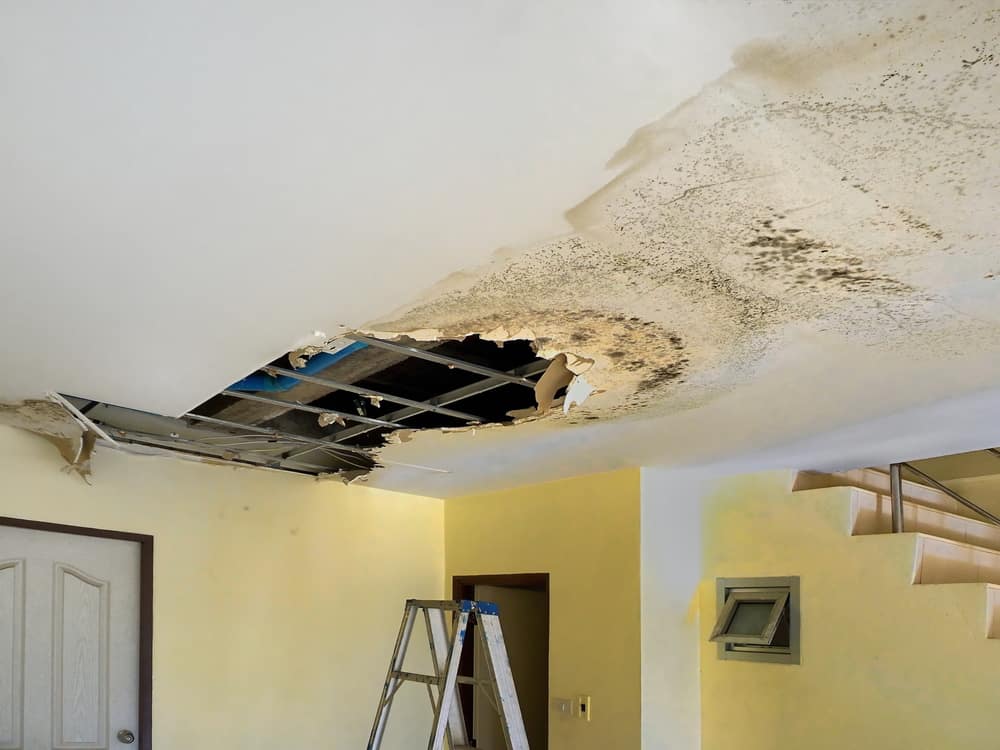
Basement mold remediation in South Valley Stream means accounting for groundwater intrusion, not just surface moisture. When Nassau County’s water table rises after a nor’easter or a heavy spring thaw, it pushes upward through aging foundation slabs a slow, hidden moisture source that sustains mold growth long after the rain stops. Attic mold remediation in Cape Cod and split-level homes means working in tight, low-clearance spaces where summer humidity off the south shore has been quietly feeding mold on roof sheathing and insulation for months. Crawl space mold remediation follows the same principle: find the moisture source first, treat the mold second, and seal the pathway so it doesn’t come back.
We also handle black mold remediation, post-storm mold cleanup, and mold damage repair for homes that experienced water intrusion during past flood events including homes in the North Woodmere and Mill Brook sections that may still carry hidden mold from flooding that was never fully dried and treated within the critical 48-hour window.
Why does South Valley Stream have such a high mold risk compared to nearby towns?
South Valley Stream carries a flood risk score of 6 out of 10 compared to neighboring Valley Stream’s score of just 1 out of 10. That gap isn’t a rounding error. It reflects South Valley Stream’s lower elevation, proximity to drainage channels, and Nassau County’s naturally high water table, all of which combine to make water intrusion a recurring reality rather than a rare event.
On top of that, the overwhelming majority of homes here were built between 1940 and 1969. Those homes have plaster walls that absorb and hold moisture, original basement waterproofing systems that are long past their effective life, and drainage setups including dry wells documented as failing in the North Woodmere section that can’t keep up with today’s storm volume. When you layer an aging housing stock on top of elevated flood risk and Long Island’s coastal humidity, you get conditions where mold doesn’t need a dramatic flood event to establish itself. It just needs time and moisture, and South Valley Stream provides both.
How do I know if my home has hidden mold after a past flooding event?
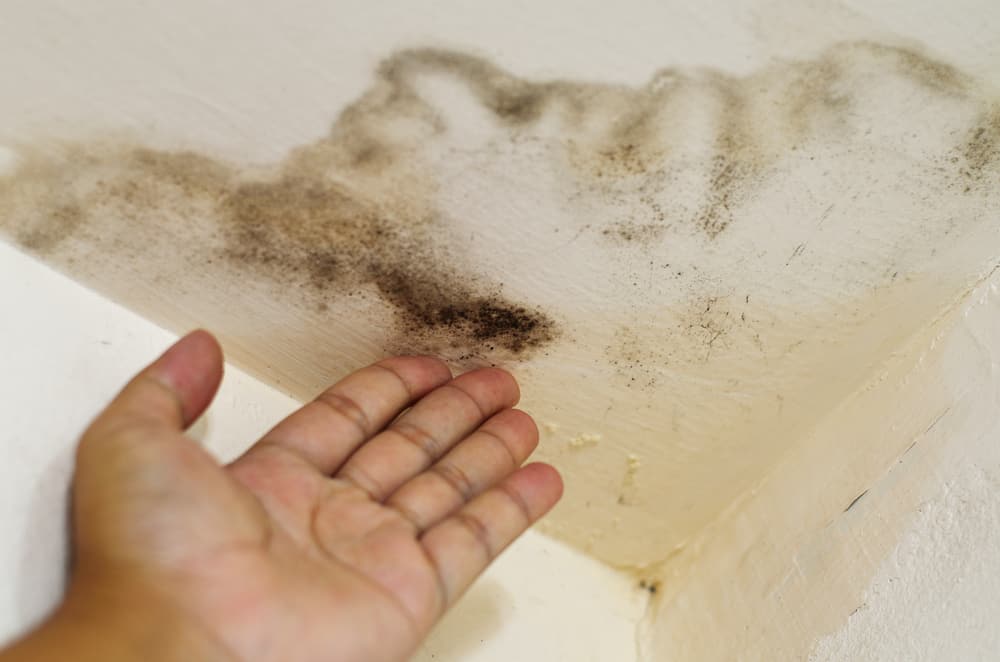
The honest answer is that you probably can’t tell without testing. Mold that grows inside wall cavities, beneath flooring, or in attic insulation doesn’t always produce visible discoloration or a strong odor especially in older South Valley Stream homes with plaster walls, where the surface can look fine while the structure behind it is actively colonized.
South Valley Stream was specifically named in New York State’s post-Sandy storm recovery planning, which means a meaningful number of homes here experienced serious water intrusion in October 2012. If that water wasn’t fully dried and treated within 48 hours which is the window before mold growth begins there’s a real possibility that hidden mold has been present for years. An inspection that includes air sampling and infrared imaging is the only way to know for certain. A visual walkthrough alone won’t find what’s behind your walls.
What's the difference between mold remediation and mold removal?
Mold removal implies you can simply take the mold out and be done with it. Remediation means addressing the full problem the mold, the moisture source that caused it, and the air quality in the affected space. In a hamlet like South Valley Stream, where the underlying conditions that produce mold (high water table, coastal humidity, aging home construction) aren’t going anywhere, removal without remediation is essentially a temporary fix.
Professional mold remediation includes containment to prevent cross-contamination, physical removal of mold-damaged materials, antimicrobial treatment of affected surfaces, HEPA air filtration throughout the process, and post-remediation clearance testing to confirm the space is clean. It also means identifying where the moisture is coming from whether that’s a failing basement waterproofing system, inadequate attic ventilation, or groundwater intrusion through an aging foundation so the remediation actually holds.
Does homeowners insurance cover mold remediation in New York?
It depends on the cause. Most standard homeowners insurance policies in New York will cover mold remediation if the mold resulted directly from a covered event like a burst pipe, an appliance leak, or storm-related water intrusion. What they typically won’t cover is mold that developed gradually due to ongoing moisture issues, deferred maintenance, or flooding from groundwater which, given South Valley Stream’s elevated flood risk and high water table, is a common scenario here.
The practical step is to document everything before any work begins. Photographs, moisture readings, and a written inspection report from a certified professional create the paper trail your insurance adjuster needs to evaluate the claim. Our inspection process produces exactly that kind of documentation lab-backed, written, and specific enough to support a claim. If you’re unsure whether your situation qualifies, that documentation gives you something concrete to work with rather than a verbal description of what someone saw on a walkthrough.
How long does mold remediation take for a typical South Valley Stream home?
For a contained area a single basement room, a section of attic, or a crawl space professional mold remediation typically takes one to three days. Larger or more complex jobs, particularly in homes where mold has spread through multiple areas or where reconstruction is needed after materials are removed, can run five to seven days or longer.
In South Valley Stream’s older Cape Cod and split-level homes, the timeline can be affected by a few specific factors. Plaster walls take longer to open and treat than modern drywall. Tight attic spaces and low-clearance crawl spaces require more setup time for containment and equipment. And if the job requires a building permit through the Town of Hempstead for post-remediation reconstruction, that process adds time to the overall project though having a single contractor handle both the remediation and the rebuild keeps that coordination as straightforward as possible.
Is it safe to stay in the house during mold remediation in South Valley Stream?
It depends on where the mold is and how extensive the remediation work is. For smaller, contained jobs a section of basement wall or a limited area of attic it’s often possible to remain in the home if the affected area is properly sealed off from the living space. For larger jobs involving significant mold growth, black mold remediation, or work that requires opening walls in occupied areas, temporarily relocating during the active remediation phase is the safer choice, especially if children or anyone with respiratory sensitivities lives in the home.
South Valley Stream has a meaningful school-age population, and the health stakes of mold exposure are highest for kids respiratory irritation, asthma triggers, and allergic reactions are all documented effects of prolonged mold exposure. We’ll give you a straight answer about whether your specific situation warrants leaving during the work, based on the scope confirmed by the inspection not a blanket policy designed to upsell you on a larger job.
Useful Links
Other Services we provide in South Valley Stream