
Mold Remediation in Stony Brook, NY
Stony Brook Homes Hold Moisture We Get It Out for Good
Hear from Our Customers
Certified Mold Remediation Stony Brook, NY
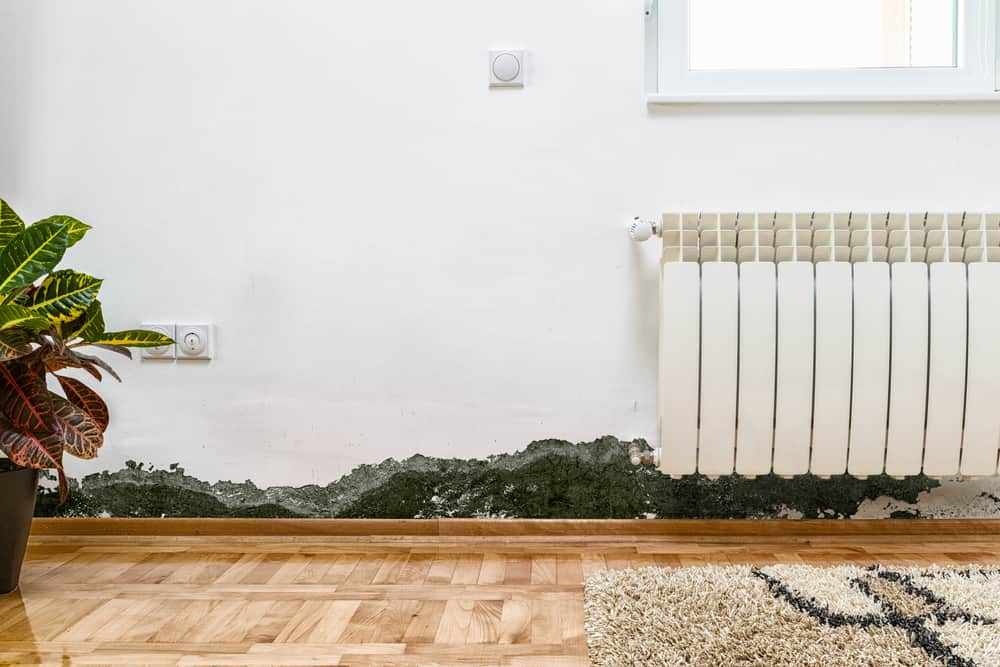
Stony Brook sits right on the harbor. That’s part of what makes it a great place to live and part of what makes it one of the harder places on Long Island to keep a home dry. The ambient humidity off Stony Brook Harbor doesn’t disappear when summer ends. It moves into crawl spaces, settles into attic framing, and finds its way behind the walls of homes that were built in the 1950s and 60s before vapor barriers and modern ventilation were standard. When mold gets into those spaces, you’re not just dealing with a cosmetic problem. You’re dealing with something that affects the air your family breathes every day.
After we complete professional mold remediation in Stony Brook, NY, the difference isn’t just visual. Musty odors that you’ve gotten used to the kind that hit you when you open the basement door are gone. The respiratory irritation that you’ve been chalking up to seasonal allergies starts to ease. And if you’re in the middle of a home sale, or planning one, you have the clearance documentation that protects your transaction and your asking price in one of Long Island’s most competitive real estate markets.
The bigger outcome is that it doesn’t come back. That only happens when we find the moisture source not just the mold and address both. We separate a real fix from a temporary one, especially in a North Shore community where the conditions that created the problem in the first place aren’t going anywhere.
Professional Mold Remediation Stony Brook, NY
First Response Restoration and Cleaning Inc. has been doing this work on Long Island for about 31 years. That’s not a marketing number it means we’ve been in Stony Brook homes and throughout the North Shore through every major storm system, every flooding event, and every season of coastal humidity that this area produces. We’ve seen what happens to the older housing stock in communities like Stony Brook when water gets in and doesn’t get addressed properly.
What makes us different in this specific market is straightforward: owner Richard Peterson personally holds both a New York State mold assessor license and a mold remediation contractor license under Article 32 of the NYS Labor Law. Those are individual professional licenses verifiable through the NYS Department of Labor not a company-level claim buried in fine print. When you hire us for mold remediation in Stony Brook, the person accountable for your job is licensed by name.
We also carry IICRC-certified technicians and an integrated cleaning division, which means we handle the full scope from initial containment through final post-remediation cleaning without handing you off to a second company. One crew, one process, one point of accountability from start to finish.
Mold Damage Repair Process Stony Brook, NY
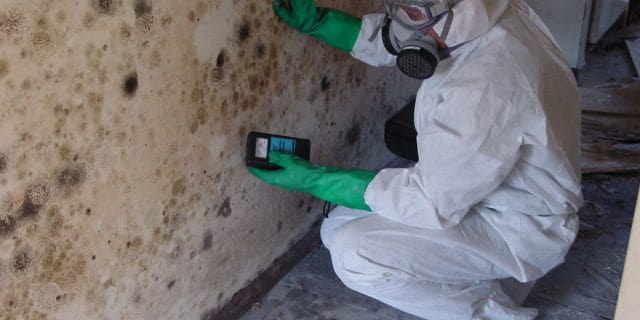
We start with an honest assessment. Before anything is removed or treated, we identify where the moisture is actually coming from. In Stony Brook, that often means checking crawl spaces under ranch-style homes in the post-war residential developments, inspecting attic framing in older colonials where ventilation hasn’t kept up with the area’s humidity levels, and looking carefully at basement walls and floors in homes that took on water during storm events including the 2023 flooding that collapsed Harbor Road and prompted a Suffolk County State of Emergency. If we don’t find the source, the mold comes back. That’s not acceptable, so we don’t skip that step.
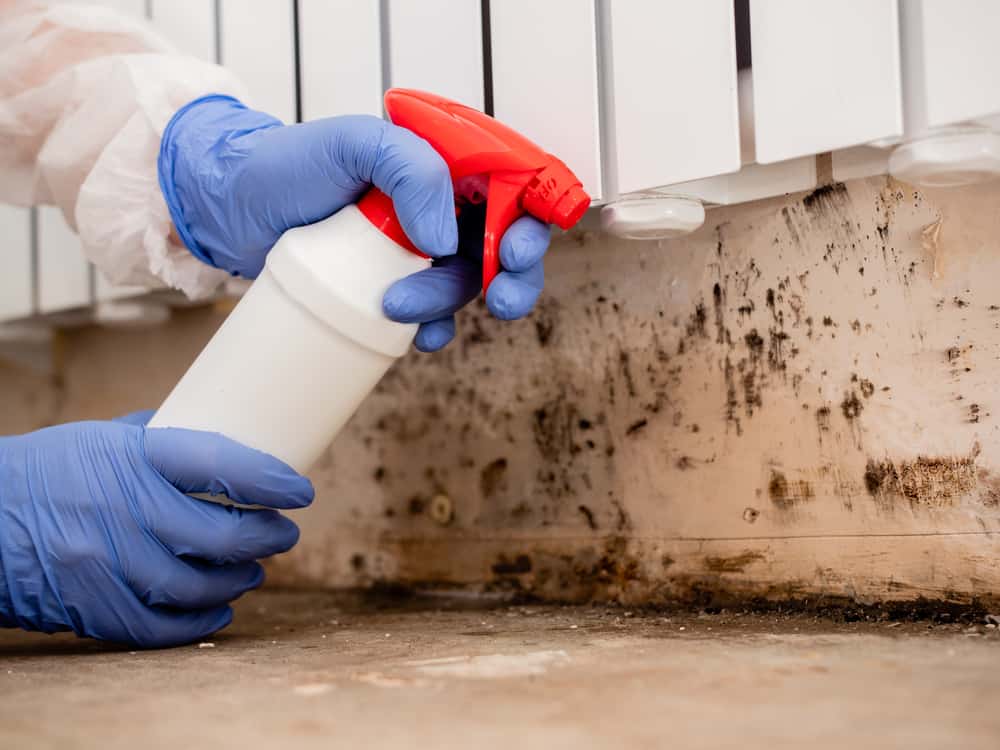
Once we know what we’re dealing with, we set up proper containment to prevent spores from spreading to unaffected areas of your home. Then we remove the contaminated materials, treat the underlying surfaces with antimicrobial solutions, and dry everything to the moisture levels required by the IICRC S520 standard. Because we’re operating in Stony Brook under New York State Article 32, every step of that process follows state-mandated protocols and the same licensed owner who assessed the scope is accountable for how the work is carried out.
The job isn’t done when the visible mold is gone. Post-remediation verification independent air quality testing that confirms spore counts have returned to normal is a standard part of what we do, not an add-on. You get the clearance report, which matters whether you’re staying in the home or selling it.
Ready to get started?
Basement and Attic Mold Remediation Stony Brook, NY
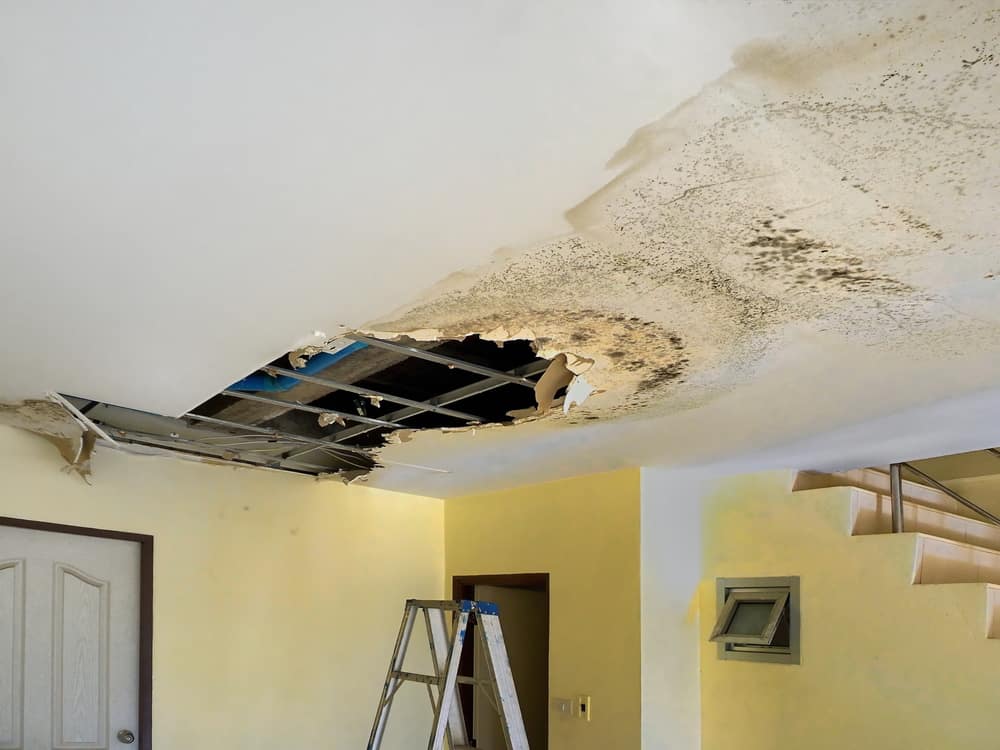
Mold remediation in Stony Brook, NY covers a lot of ground depending on where the problem is. Basement mold remediation is one of the most common calls we get in the Three Village area older homes with unfinished basements, limited vapor barriers, and proximity to the water table create the kind of persistent moisture environment that mold thrives in. Attic mold remediation is a close second, driven by the temperature and humidity differentials that build up in homes where the original insulation and ventilation weren’t designed for the coastal air that comes off Long Island Sound. Crawl space mold remediation is especially relevant for the ranch-style homes throughout Stony Brook’s post-war residential developments, where ground moisture has nowhere to go.
Across all of those scenarios, what you’re getting from us is the full cycle: moisture source identification, containment, removal of contaminated materials, antimicrobial treatment, structural drying, and post-remediation verification with a written clearance report. If the Town of Brookhaven requires permits for any structural repairs that accompany the remediation drywall replacement, framing repair, insulation reinstallation we walk you through what’s needed so nothing creates a problem down the road during a sale or inspection.
We also help with insurance documentation. If your mold problem traces back to a covered water event, we provide the damage documentation in the format your insurer needs. For Stony Brook homeowners who dealt with water intrusion following the 2023 storm event, that documentation process matters and we know how to handle it.
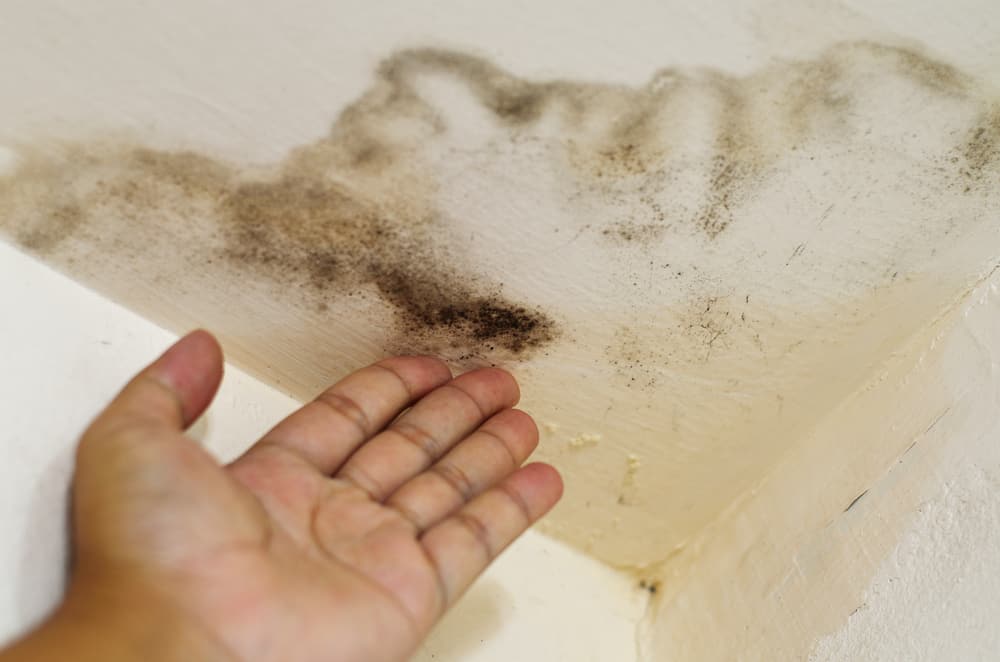
How much does mold remediation cost in Stony Brook, NY?
The honest answer is that it depends on where the mold is, how far it’s spread, and what materials are affected. For most residential jobs in Stony Brook, NY, professional mold remediation falls somewhere between $1,223 and $3,754. Larger jobs significant attic infestations, extensive basement remediation, or situations where mold has spread into wall cavities and structural framing can run from $5,000 to $15,000 or more.
What drives cost up in Stony Brook is usually one of two things: the age of the housing stock or delayed response time. Homes built in the 1950s and 60s which make up a significant portion of the Three Village area often have construction details that make mold harder to fully access and remove. And the longer a mold problem goes unaddressed, the more it spreads. Getting an accurate number means having us assess the actual scope in your specific home, not quoting a flat rate over the phone.
What is the difference between mold remediation and mold removal in Stony Brook, NY?
Mold removal is exactly what it sounds like physically taking out the visible mold. Mold remediation in Stony Brook, NY is a broader, more complete process. It includes identifying the moisture source that allowed the mold to grow, containing the affected area so spores don’t spread during the work, removing contaminated materials, treating surfaces with antimicrobial agents, drying everything to proper moisture levels, and verifying through air quality testing that the environment is back to normal.
The distinction matters practically because mold removal without remediation is a temporary fix. If the moisture source isn’t addressed whether that’s a slow plumbing leak, inadequate crawl space vapor barrier, poor attic ventilation, or residual ground moisture from a flooding event the mold returns. In Stony Brook, where harbor humidity and an older housing stock create persistent moisture conditions, doing only half the job means doing it twice.
Can I stay in my house during mold remediation?
It depends on the size and location of the affected area. For smaller, contained jobs a section of basement wall or an isolated crawl space many homeowners stay in the home during remediation without issue. The containment barriers and negative air pressure systems we use are specifically designed to prevent spores from migrating into living spaces during the work.
For larger jobs, or situations where mold has spread into HVAC systems or central areas of the home, temporary relocation during the active remediation phase is the safer choice. If you have family members with asthma, mold sensitivities, or respiratory conditions which is a real consideration in a community where many Stony Brook residents are aware of and attentive to indoor air quality we’ll give you a straightforward recommendation based on what we actually find, not a blanket answer. The goal is to make the right call for your household, not to complicate the job.
How do I know if a mold remediation contractor in Stony Brook is actually licensed?
New York State requires that anyone performing professional mold remediation hold a valid license under Article 32 of the NYS Labor Law. That law has been in effect since January 1, 2016, and it covers both mold assessors and mold remediation contractors they’re separate licenses, and the law also prohibits the same company from performing both the assessment and the remediation on the same job, specifically to prevent conflicts of interest.
To verify that a contractor is licensed, you can look up their license number directly through the New York State Department of Labor’s online database. Any legitimate operator in Stony Brook should be able to give you that number without hesitation. Owner Richard Peterson holds both licenses individually not a company filing, but a personal professional license tied to his name. That’s the level of accountability that Article 32 was designed to require, and it’s the standard you should hold every contractor to before signing anything.
My Stony Brook basement flooded how do I know if I have mold?
Mold starts growing within 24 to 48 hours of water intrusion, which means if your basement took on water whether from the kind of severe storm event that hit Stony Brook in 2023 or from a more routine flooding situation and it wasn’t dried out completely and quickly, there’s a real chance mold is already present. It doesn’t always show up as visible black growth. It can develop inside wall cavities, under flooring, behind baseboards, and in insulation all places where moisture lingers long after the standing water is gone.
The signs to watch for are a persistent musty smell, visible discoloration on walls or floors, or new respiratory symptoms in household members that weren’t there before the flooding. If you’re not sure, a professional moisture assessment is the right first step. We can map where moisture levels are still elevated in your basement, identify whether mold is actively growing in hidden areas, and give you a clear picture of what you’re dealing with before you decide what to do next.
Does mold come back after professional remediation in Stony Brook, NY?
It can but only if the moisture source wasn’t found and fixed as part of the remediation. The mold itself doesn’t regenerate after it’s properly removed and treated. What happens in cases where it returns is that the underlying condition that allowed it to grow in the first place was never addressed. In Stony Brook, that’s usually something structural: a crawl space without an adequate vapor barrier, attic ventilation that can’t keep up with the coastal humidity that comes off the harbor and Long Island Sound, aging plumbing with a slow leak inside a wall, or a basement drainage situation that wasn’t corrected after a flooding event.
When we complete a remediation job, post-remediation verification through independent air quality testing confirms that spore counts are back to baseline. That clearance report is your documented proof that the job was done correctly. But the longer-term protection comes from addressing the source and that’s a conversation we have at the beginning of every job, not as an afterthought at the end.
Useful Links
Other Services we provide in Stony Brook