
Mold Remediation in Uniondale, NY
Uniondale's Aging Homes Deserve More Than a Surface Fix
Hear from Our Customers
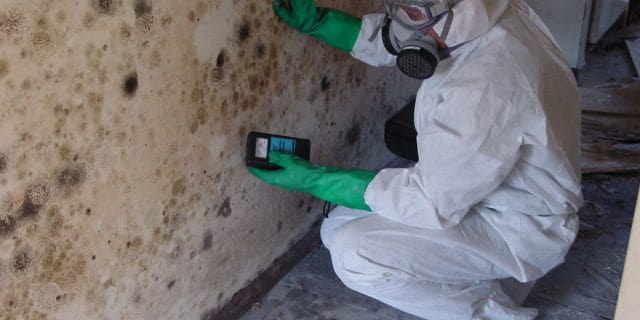
Basement Mold Remediation Uniondale NY
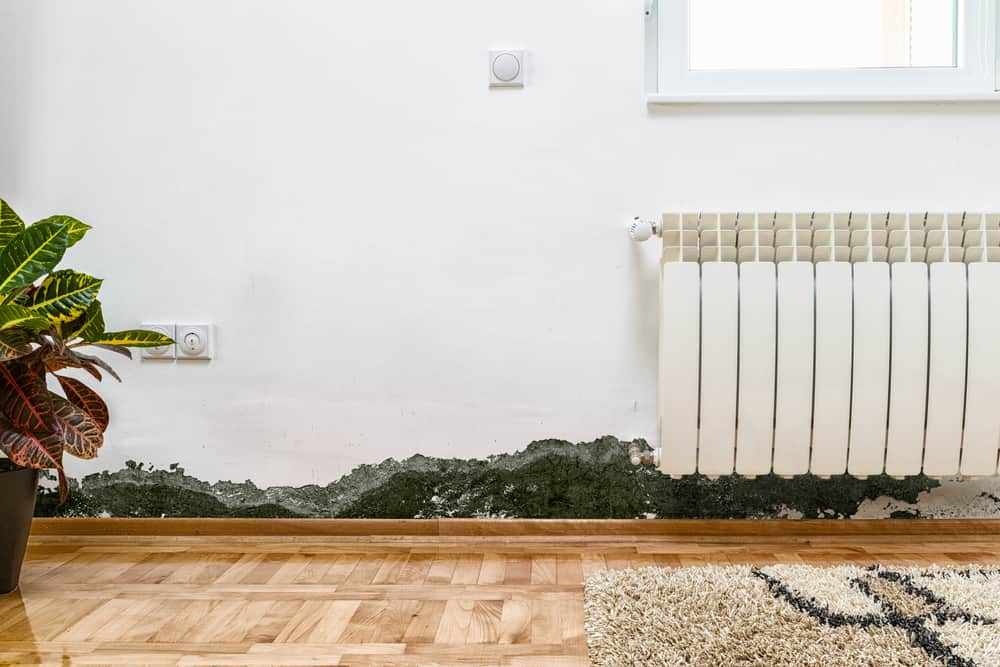
Mold doesn’t just look bad it affects how your home feels, how the air smells, and how your family breathes every single day. Once it’s properly remediated, not just wiped down, that changes. Rooms stop smelling musty. You stop second-guessing whether that cough is something to worry about. You can open a closet or walk into a basement without bracing yourself.
For Uniondale homeowners specifically, this matters more than people realize. Most of the homes south of Hempstead Turnpike were built in the 1940s through 1960s before modern vapor barriers, before updated ventilation standards, before anyone thought much about what happens when moisture gets trapped inside a low-pitch Cape Cod attic for decades. That housing stock is beautiful and well-loved, but it’s also exactly the kind of structure where mold finds its way in and stays.
Add Nassau County’s humid summers, the documented sump pump failures during heavy rain events, and the hydrostatic pressure that pushes moisture through aging foundation walls every spring and you’ve got conditions that make mold remediation less of a “someday” issue and more of a “sooner than you think” one. Getting it handled right the first time protects your air quality, your family, and an asset that’s now worth well over half a million dollars.
Certified Mold Remediation Companies Uniondale NY
We’ve been serving Uniondale and Nassau County homeowners for nearly 30 years. That’s not a corporate talking point it means we’ve worked through post-Sandy remediation calls, helped families on Jerusalem Avenue and Uniondale Avenue protect homes they’ve owned for generations, and built a reputation in a market where word travels fast and bad work doesn’t stay quiet for long.
Every technician who walks into your home holds individual IICRC certification. Not the company the person. That distinction matters when you’re letting someone tear into your walls or treat your attic. You’re not trusting a brand name. You’re trusting a trained, credentialed professional who knows what proper mold remediation actually looks like.
We also operate in full compliance with New York State’s Article 32 Mold Law, which prohibits the same contractor from both assessing and remediating mold on the same property. That law exists to protect you. Any company that offers a free inspection and then hands you a remediation quote in the same visit is operating outside of it.
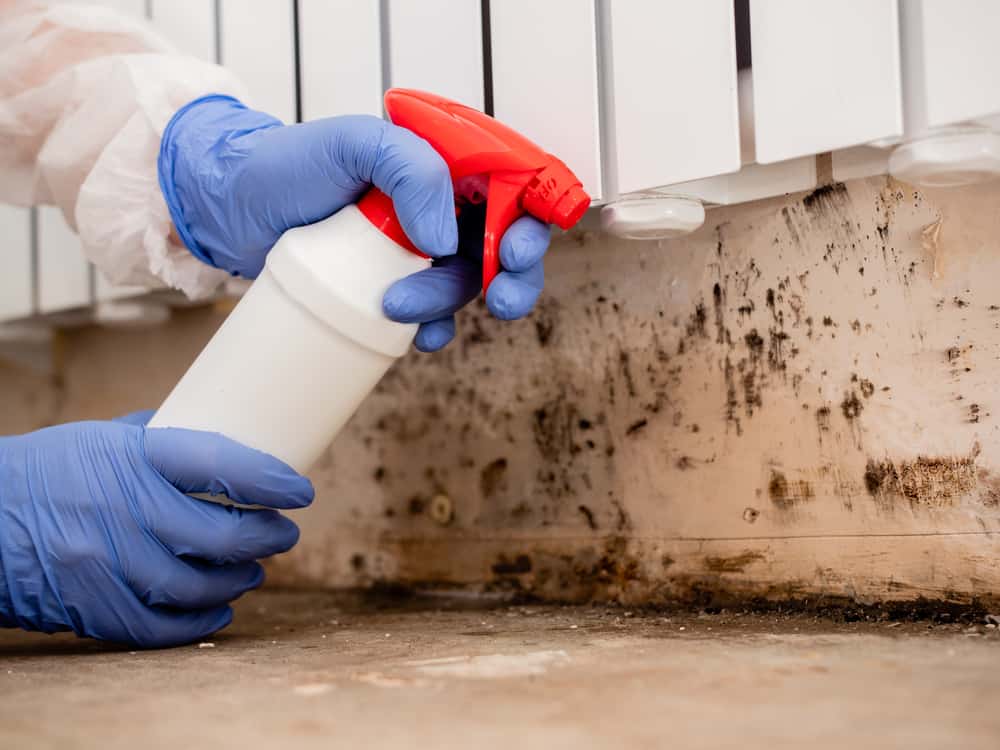
Professional Mold Remediation Process Uniondale NY
It starts with a 13-point mold inspection not a quick walkthrough, but a thorough assessment that includes air testing, surface swab sampling, infrared imaging to find moisture hiding behind walls, and moisture level measurements throughout the affected areas. Lab results come back in writing within two to three business days. You’ll know what you’re dealing with, where it is, and how serious it is before any remediation work begins.
From there, a licensed mold assessor separate from the remediation team, as required by New York State Article 32 prepares a written remediation plan. This step protects you legally and ensures the work is scoped correctly before anyone picks up a tool. In Uniondale’s older housing stock, this matters: mold in a 1950s Cape Cod doesn’t always show up where you’d expect it, and skipping the assessment phase is how problems get missed and come back.
Remediation follows the plan containment, removal, treatment, and drying. Our trucks arrive fully equipped with dehumidifiers, air movers, and moisture monitors, so the work begins on arrival, not after a second trip. Once remediation is complete, an independent licensed assessor performs post-clearance testing to confirm the job is done. If structural repairs are needed drywall, insulation, framing we handle that too, so you’re not left coordinating a separate contractor to finish what was started.
Ready to get started?
Attic and Crawl Space Mold Remediation Uniondale NY
Mold remediation in Uniondale isn’t one-size-fits-all, because the homes here aren’t. The Cape Cods and minimal traditionals that make up most of the residential neighborhoods south of Hempstead Turnpike come with specific vulnerabilities low-pitch attics with poor ventilation, basements without modern waterproofing, crawl spaces that trap humidity through Nassau County’s long, wet summers. Our services are built around those realities, not a generic service checklist.
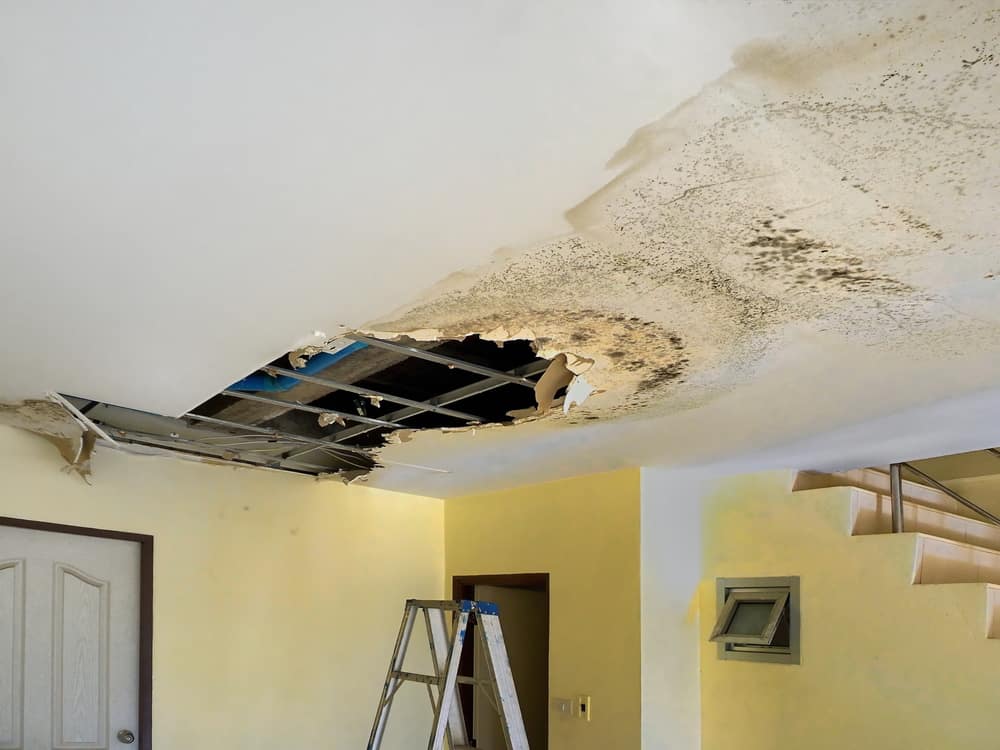
Attic mold remediation addresses one of the most common and least visible problems in this housing stock. Many Uniondale homeowners don’t discover attic mold until a home inspector flags it during a sale at which point you’re under time pressure with a half-million-dollar transaction on the line. Basement mold remediation covers the aftermath of sump pump failures, spring moisture intrusion, and the slow seepage that aging foundation walls allow over time. Crawl space mold remediation handles the moisture that accumulates in the tight, poorly ventilated spaces beneath older homes throughout central Nassau County.
Every service includes the full scope: inspection, lab analysis, a written remediation plan, containment, removal, treatment, post-remediation clearance testing, and reconstruction if needed. We also provide documentation structured specifically to support homeowners insurance claims because navigating what your policy covers after a water event or mold discovery shouldn’t fall entirely on you.
Does homeowners insurance cover mold remediation in Uniondale, NY?
It depends on what caused the mold. Most homeowners insurance policies in Nassau County will cover mold remediation if it resulted from a sudden and accidental covered event a burst pipe, a sump pump failure during a storm, or an appliance leak. What they typically won’t cover is mold that developed slowly over time due to ongoing moisture issues or deferred maintenance.
The documentation you provide matters enormously. Insurance adjusters need written inspection reports, lab results, moisture readings, and photographs that clearly connect the mold to a covered event. Our 13-point inspection process produces exactly that kind of documentation. Our reports are structured to give adjusters what they need, which reduces back-and-forth and helps claims move faster. If you’re unsure whether your situation qualifies, getting a proper inspection done first gives you something concrete to bring to your insurer rather than filing blind.
How much does mold remediation cost, and what affects the price?
The national average for mold remediation runs around $2,300, but that number covers a wide range of situations. A contained basement mold issue in an otherwise dry home is a very different job than attic mold that’s spread across an entire roof deck in a 70-year-old Cape Cod. The main factors that drive cost are the square footage affected, where the mold is located in the home, what type of mold is present, and whether structural materials need to be removed and replaced after remediation.
In Uniondale specifically, attic remediation in post-war Cape Cods tends to be more involved than it looks from the outside low clearance, limited ventilation, and older sheathing materials all add complexity. Basement jobs that follow a sump pump failure can range significantly depending on how long the water sat before it was addressed. Getting a written estimate based on your actual inspection results not a ballpark over the phone is the only way to know what you’re really looking at.
What is New York State's mold law, and how does it protect me?
New York State Labor Law Article 32 took effect on January 1, 2016, and it applies directly to Nassau County. The law does two important things: it requires separate licensing for mold assessment and mold remediation, and it prohibits the same contractor from performing both on the same property. The intent was to eliminate the conflict of interest that happens when a company does a “free inspection” and then hands you a remediation quote with no independent check on whether the findings are accurate or the scope is justified.
Under Article 32, any mold remediation work on areas larger than 10 square feet requires a licensed contractor. A written remediation plan must be prepared by a licensed assessor before work begins, and post-remediation clearance testing must be performed by an independent party to confirm the job was successful. If a company shows up, tells you that you have a serious mold problem, and offers to fix it on the spot that’s a red flag, and potentially a legal violation. Knowing this law exists gives you a straightforward way to filter out companies that aren’t operating above board.
How quickly can mold grow after a basement flood or water leak?
Mold can begin growing within 24 to 48 hours of a moisture event. In Uniondale’s older homes, where basements often lack modern waterproofing and crawl spaces trap humidity, that window is even more consequential. A sump pump failure during a nor’easter on a Friday night can become a visible mold problem by Sunday if the water isn’t addressed and the space isn’t properly dried.
This is why the speed of the first response matters as much as the quality of the remediation itself. Getting water extracted, surfaces dried, and dehumidification running within that 24 to 48 hour window can prevent mold growth from starting at all which is dramatically less expensive and less disruptive than remediating an established colony. We’re available 24 hours a day, 7 days a week, and our trucks carry the drying equipment needed to start that process on arrival.
How do I know if I have mold if I can't see anything obvious?
Visible mold is actually the easier scenario you know what you’re dealing with. The more common situation is a persistent musty smell, unexplained allergy symptoms, or a home inspector flagging elevated moisture readings without visible growth. In Uniondale’s post-war housing stock, hidden mold is particularly common in three places: behind drywall in basements where moisture has been seeping through foundation walls, inside attic cavities where poor ventilation has allowed humidity to accumulate for years, and inside wall cavities near older plumbing that’s been leaking slowly.
A proper inspection uses more than a flashlight. Infrared imaging can detect temperature differentials that indicate moisture behind surfaces, air testing captures spore counts that indicate active mold even where nothing is visible, and swab sampling confirms what type of mold is present. If you’ve had any water event in the past year, noticed a smell that doesn’t go away, or are preparing to sell a home and want to know what a buyer’s inspector might find a full 13-point inspection gives you answers, not guesses.
Can mold come back after remediation, and how do I prevent it?
Mold can come back but only if the underlying moisture problem wasn’t addressed. Remediation removes the existing mold and treats the affected surfaces, but if the source of moisture is still active, new mold growth is just a matter of time. This is one of the most important distinctions between a company that does the job right and one that does the minimum. Proper remediation includes identifying and documenting the moisture source, not just treating what’s visible.
In Uniondale, the most common recurring moisture sources are aging sump pump systems that fail under heavy load, foundation walls in homes built before modern waterproofing standards, and attic ventilation that was never adequate for the roof pitch and insulation configuration of mid-century Cape Cods. Addressing those root causes whether through drainage improvements, foundation sealing, or ventilation upgrades is what makes remediation stick. Post-remediation clearance testing, required under New York State Article 32, confirms the job was successful before the project is closed out. That test is your verification, in writing, that the mold is gone not just covered up.
Useful Links
Other Services we provide in Uniondale