
Mold Remediation in Village of the Branch, NY
When the Nissequogue Floods, Mold Moves Fast
Hear from Our Customers
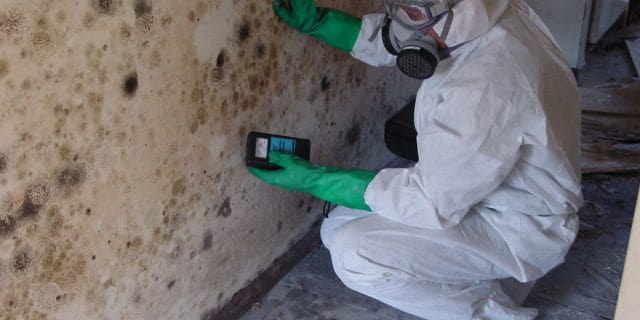
Basement Mold Remediation, Village of the Branch
Mold doesn’t announce itself. It grows behind walls, under flooring, inside attic framing, and in crawl spaces often for months before anyone notices. By the time there’s a smell or a visible patch, it’s already spread. Getting it fully removed, not just surface-treated, is the difference between a solved problem and one that comes back.
For homeowners in Village of the Branch, that risk is especially real. The Nissequogue River watershed has flooded this area repeatedly including the August 2024 dam break at Blydenburgh County Park that sent hundreds of thousands of gallons into the Smithtown area, put nearly four feet of water in Smithtown Town Hall’s basement, and triggered a Federal Emergency Declaration. Homes that took water during that event and weren’t professionally dried within 72 hours are still at risk today.
Beyond flooding, the older housing stock throughout Village of the Branch most of it built in the 1950s, with some structures in the historic district dating back to the 1700s wasn’t built with modern moisture management in mind. These homes don’t have the vapor barriers, ventilation systems, or insulation details that newer construction does. That makes them more vulnerable, and it makes thorough, experienced remediation more important. When mold is fully addressed, the air quality improves, the odor clears, and your home’s value is protected not just patched over.
Certified Mold Remediation Companies, Smithtown NY
We’ve been working in Suffolk County for approximately 31 years. That’s not a marketing number it means we’ve been here through every major storm cycle, every Nissequogue River flooding event, and every shift in how this work is done and regulated. We know Village of the Branch and the surrounding North Shore community intimately.
Owner Richard Peterson holds personal New York State licenses in both mold assessment and mold remediation contracting under Article 32 of the Labor Law the state requirement that’s been in effect since 2016 and that many operators quietly sidestep. His name is on the license, not just the company’s. Every technician on our team carries IICRC certification, meaning the people doing the actual work in your home have been trained and tested against the industry’s own standard, the IICRC S520.
Village of the Branch is a community that holds its service providers to a high standard the kind of place where people check credentials, ask questions, and expect straight answers. That’s exactly the environment we were built for.
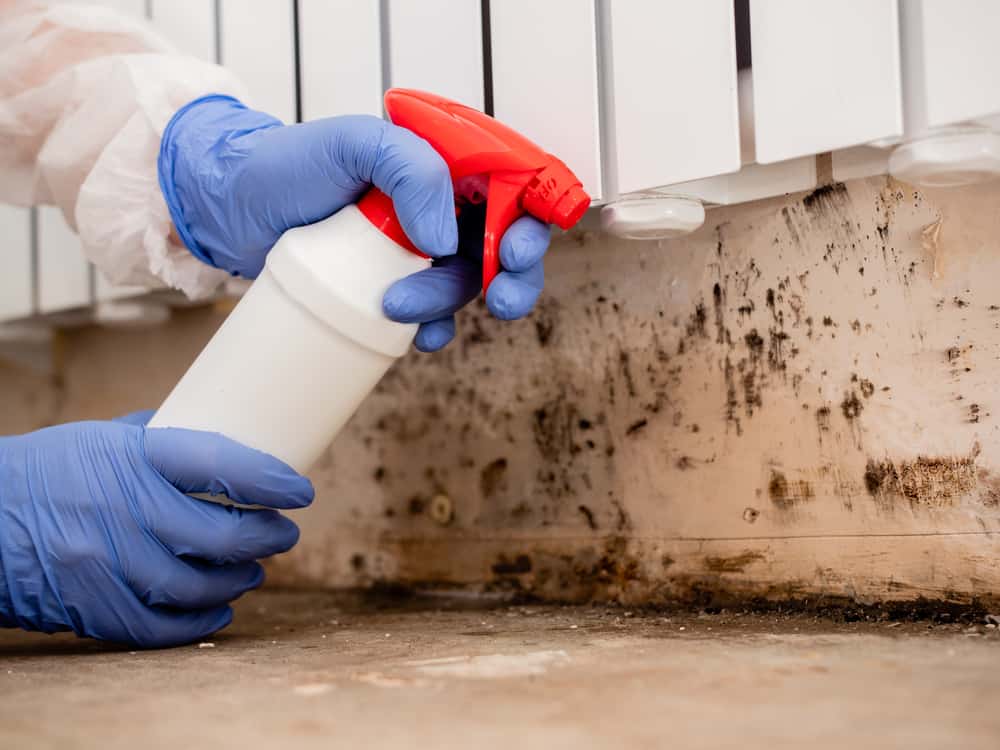
Professional Mold Remediation Process, Village of the Branch
The first thing that happens is a thorough assessment. Before anything is removed or treated, the source of the moisture has to be identified because removing mold without fixing what caused it is just temporary. In a Village of the Branch home, that source could be groundwater infiltration after a rain event, inadequate attic ventilation driving condensation onto roof sheathing, a crawl space without a proper vapor barrier, or water that entered during a flooding event and was never fully dried out. We map where the moisture is, where the mold is, and what’s driving both.
From there, we contain the affected area to prevent spores from spreading to unaffected parts of your home. Contaminated materials are removed drywall, insulation, framing if necessary and the area is treated with antimicrobial agents. For homes in or near Village of the Branch’s historic district, this step requires particular care: older construction materials, plaster walls, and original structural framing need to be handled with precision to avoid collateral damage to fabric that can’t be replaced.
Once remediation is complete, we conduct independent air quality testing to verify that spore counts have returned to normal levels. You get a written clearance report something your insurance company, your real estate attorney, or your own peace of mind may require. Then our cleaning division handles the final restoration of all affected surfaces and contents, so you’re not coordinating a second crew to finish what we started.
Ready to get started?
Black Mold Remediation and Cleanup, Village of the Branch NY
Our mold remediation service in Village of the Branch covers the full scope not just what’s visible. That means moisture mapping, containment setup, physical removal of contaminated materials, structural drying, antimicrobial treatment, and post-remediation air quality verification. The clearance report you receive at the end is the documentation that confirms the job was done correctly, and it’s the same document your insurance carrier will ask for if you’re filing a claim related to storm damage or water intrusion.
For homes in the historic district where structures date back several centuries and original materials carry real preservation value we adapt our remediation approach accordingly. Work that might be straightforward in a 1970s split-level requires more deliberate handling in a 1700s-era structure. Our team understands that distinction and works to protect what can be preserved while removing what cannot.
Because we also operate an integrated cleaning division, the job doesn’t stop at remediation. Final cleaning of all affected areas, contents, and surfaces is handled by our company under the same contract. For attic mold remediation, crawl space mold remediation, basement mold remediation, or emergency mold remediation following a flood event the full cycle is covered. Most residential projects in Village of the Branch fall in the range of $1,223 to $3,754, with larger structural projects or attic remediation running higher depending on the extent of contamination.
Does homeowner's insurance cover mold remediation in Village of the Branch, NY?
It depends on how the mold originated. Most homeowner’s insurance policies will cover mold remediation if it’s the direct result of a sudden, accidental event like a burst pipe, a failed sump pump, or water intrusion from a storm. Given that Village of the Branch and the surrounding Smithtown area experienced a Federal Emergency Declaration after the August 2024 Nissequogue River flooding, many homes in this area may have qualifying events on record that support a claim.
What insurance typically won’t cover is mold that developed gradually over time due to neglect, deferred maintenance, or a slow leak that wasn’t addressed. The key is documentation. You need photographs, moisture readings, a written scope of work, and a post-remediation clearance report to support a claim. We help homeowners understand what their policy is likely to cover, document the damage in the format carriers require, and walk you through the claims process from start to finish which is something most remediation companies don’t offer.
What is the difference between mold remediation and mold removal?
Mold removal typically refers to physically cleaning or wiping away visible mold which addresses what you can see but doesn’t resolve the underlying contamination or the moisture conditions that caused it. Mold remediation is the complete process: identifying the moisture source, containing the affected area, removing contaminated materials, treating surfaces with antimicrobial agents, and verifying through air quality testing that spore counts have returned to safe levels.
In practical terms, mold removal is what a homeowner might attempt with bleach and a sponge. Mold remediation is what we perform when the problem is inside wall cavities, in attic framing, beneath flooring, or in a crawl space. For homes in Village of the Branch particularly the older construction throughout the area surface-level cleaning almost never addresses the full extent of the problem. The mold you can see is rarely all the mold that’s there.
How quickly does mold start growing after basement flooding in Village of the Branch?
Mold begins growing within 24 to 48 hours of water intrusion under the right conditions and basements in Village of the Branch provide exactly those conditions: organic materials like drywall and wood framing, limited airflow, and sustained moisture. After a flooding event tied to the Nissequogue River or a significant rain event, the window to act is short.
If your basement took water and wasn’t professionally dried within that 72-hour window, mold growth is likely already underway even if you can’t see it yet. The musty smell that develops in the days or weeks after a flood is usually the first sign. By that point, the mold has already colonized porous materials and spread beyond the original wet zone. A professional assessment at that stage will map exactly where the contamination is, including areas behind walls and under flooring that a visual inspection won’t catch.
Is mold in older North Shore Long Island homes more difficult to remediate?
Older homes do present specific challenges that newer construction doesn’t. Homes built in the 1950s which make up a significant portion of the housing stock in Village of the Branch often lack modern vapor barriers, have original insulation that holds moisture more readily, and were built with construction practices that didn’t account for the moisture management demands we understand today. When mold establishes itself in that kind of environment, it tends to penetrate more deeply into porous materials.
For homes in or near Village of the Branch’s historic district, where some structures date back to the 1700s, the remediation process requires additional care. Plaster walls, original wood framing, and historic architectural details can’t simply be torn out and replaced or at least, not without significant consequence. We know how to work within those constraints: removing what has to go, treating what can be preserved, and doing it without causing collateral damage to materials that have historic and financial value. That’s not a skill set every company brings to a job in this community.
How much does mold remediation cost in Village of the Branch, NY?
Most residential mold remediation projects in Village of the Branch fall between $1,223 and $3,754, with a national average around $2,347. That range covers the majority of standard projects a single affected room, a section of basement wall, or a localized crawl space issue. Attic mold remediation tends to run higher, typically $1,500 to $9,000, because attic spaces are larger, less accessible, and often require more extensive material removal. Crawl space remediation generally runs $500 to $4,000 for standard projects.
For a community where the median home value exceeds $700,000, professional mold remediation is a proportionate investment. An unresolved mold problem or one that was surface-treated rather than fully remediated can cost significantly more in the long run: failed real estate transactions, price concessions during sale negotiations, recurring remediation calls, and potential health consequences for the people living in the home. Getting it done correctly the first time is the more cost-effective path, and it’s the only path that produces a clearance report you can actually stand behind.
How do I verify that a mold remediation contractor in Village of the Branch is actually licensed?
New York State requires mold assessors and remediation contractors to hold individual licenses under Article 32 of the Labor Law a requirement that’s been in effect since January 1, 2016. These are personal licenses, not company-level certifications, which means the license belongs to a specific named individual, not just the business entity. You can verify any contractor’s license directly through the New York State Department of Labor’s public license lookup tool by searching the individual’s name or license number.
This matters in practice because some companies have a licensed person on paper while unlicensed workers perform the actual job on-site. Village of the Branch, as an incorporated village with its own governance and zoning authority, holds contractors to a standard of accountability that residents expect and licensing is the baseline. At First Response Restoration and Cleaning Inc., owner Richard Peterson holds personal NYS licenses in both mold assessment and mold remediation contracting. His license is publicly verifiable, and he is personally accountable for the work our company performs in your home.
Useful Links
Other Services we provide in Village Of The Branch