
Mold Remediation in Water Mill, NY
When a Seasonal Home Sits Dark All Winter, Mold Doesn't Wait for Spring
Hear from Our Customers
Mold Damage Repair in Water Mill, NY
You stop wondering. That’s the first thing. No more second-guessing whether the musty smell is something serious, whether it’s spreading behind the drywall, or whether your family is breathing air that isn’t safe. When mold remediation is done right source identified, contamination removed, air tested and cleared you get your home back without an asterisk on it.
For Water Mill homeowners, the stakes around that outcome are higher than almost anywhere else in the country. This is the third most expensive ZIP code in the United States. A mold problem that’s handled halfway doesn’t just linger it follows the property. It shows up in inspection reports, it stalls real estate transactions, and it chips away at a home value that took years to build. Remediation that ends with a verified clearance report protects that value in a way that a quick surface treatment never will.
The coastal environment here adds another layer. Mecox Bay, the Atlantic, Mill Pond the ambient humidity around Water Mill is relentless, especially from fall through early spring when many properties sit empty. Moisture finds its way into crawl spaces, attic cavities, and wall assemblies in ways that aren’t always obvious until the damage is already done. Getting ahead of it or resolving it completely when it’s found means you’re not dealing with the same problem again next season.
Certified Mold Remediation Companies in Water Mill, NY
We’ve been working on Long Island properties since before most of the current competition existed. Our owner, Richard Peterson, holds personal New York State licenses in both mold assessment and mold remediation not a company-level credential, but his own professional licenses issued under Article 32 of the Labor Law. Every technician on our team is IICRC-certified, which means the people physically doing the work have been trained and tested to the industry’s own standard, not just supervised by someone who was.
We serve the full Southampton area, including Water Mill, and that includes the specific conditions that come with South Fork properties the coastal humidity off Mecox Bay, the seasonal vacancy patterns that let moisture problems develop undetected, and the large-footprint estate homes with crawl spaces that rarely get checked between Memorial Day and the following spring. Three decades of that kind of work builds a different kind of knowledge than a company that arrived here five years ago.
We also operate an integrated cleaning division alongside our remediation team. That matters because remediation leaves a job half-finished without it and Water Mill homeowners shouldn’t have to coordinate two separate companies to get their property back to where it needs to be.
Professional Mold Remediation Process in Water Mill, NY
It starts with a thorough assessment and moisture mapping not just finding where the mold is visible, but tracing where the moisture is coming from. In Water Mill, that source is almost never just one thing. It might be a roof penetration that let water in during a nor’easter, a crawl space vapor barrier that failed over the winter, or an HVAC condensate line that backed up in an unoccupied property. Without identifying the source, any remediation is temporary. That step comes first, every time.
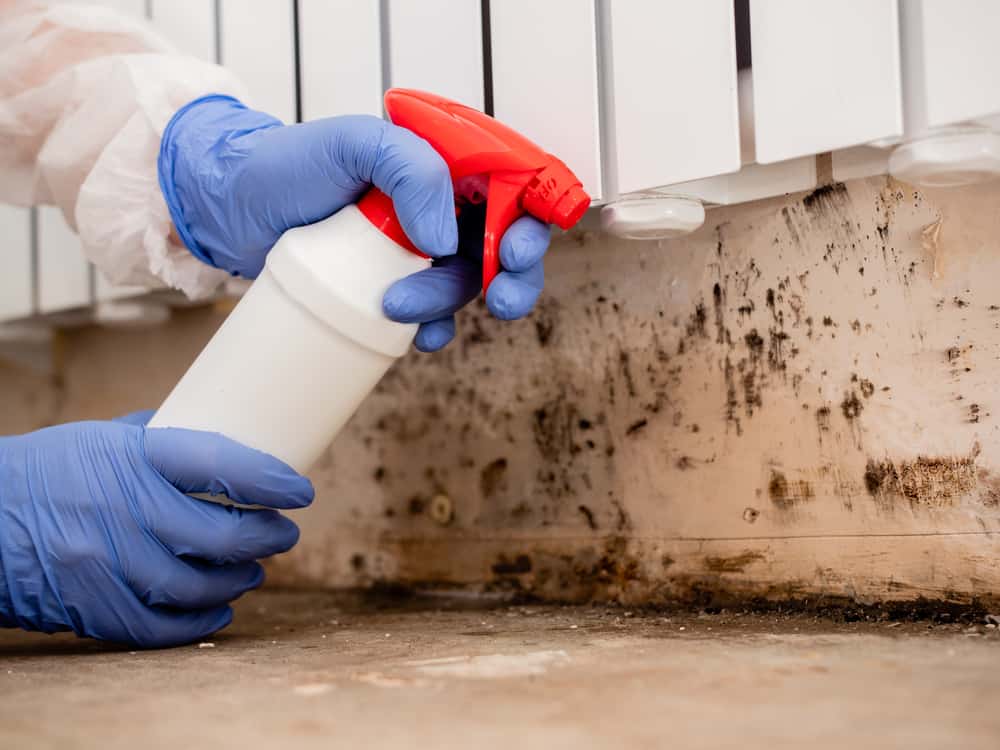
Once the source is identified and addressed, the affected area is contained using polyethylene barriers and negative air pressure to prevent spores from spreading to unaffected parts of the home. Contaminated materials drywall, insulation, framing if necessary are removed. The area is HEPA-vacuumed, treated with EPA-registered antimicrobials, and dried to confirmed safe moisture levels. This isn’t a spray-and-walk-away process. It’s methodical, and it’s documented at every stage.
The final step is post-remediation verification through independent air quality testing. That test produces a clearance report confirming that mold spore counts have returned to normal levels and that report is yours to keep. For properties involved in a real estate transaction, an insurance claim, or simply a homeowner who wants documented proof that the job was done right, that clearance report is the difference between a promise and evidence. Under New York State’s Article 32 requirements, all remediation work is performed by licensed contractors something worth verifying with any company you consider hiring.
Ready to get started?
Black Mold and Crawl Space Mold Remediation in Water Mill, NY
Mold remediation in Water Mill isn’t a single-size job. Attic mold looks different from crawl space mold. Basement mold after a sump pump failure is a different scope than black mold behind a bathroom wall. We handle all of it and our approach is shaped by what’s actually present, not a predetermined package.
Crawl space mold remediation is one of the most common calls we receive from Water Mill estate properties. Large crawl spaces beneath homes along Flying Point Road and the Mecox Bay waterfront tend to accumulate moisture from below-grade humidity and tidal influence, especially when dehumidification systems aren’t monitored during seasonal absences. Attic mold is another frequent issue summer air conditioning combined with inadequate ventilation creates condensation in roof cavities that can go unnoticed until it’s significant. Basement mold remediation often follows groundwater intrusion or HVAC issues in properties that sat unoccupied through a wet winter. We offer emergency mold remediation 24 hours a day, seven days a week, because mold emergencies in this market don’t wait for Monday morning and neither do we.
Every job includes the full cycle: assessment, containment, removal, antimicrobial treatment, structural drying, and post-remediation air quality verification. Our integrated cleaning division handles final surface and content cleaning after the structural work is complete, so the property is genuinely ready for occupancy not just technically remediated.
What should I do if I find mold in my Water Mill home after winter?
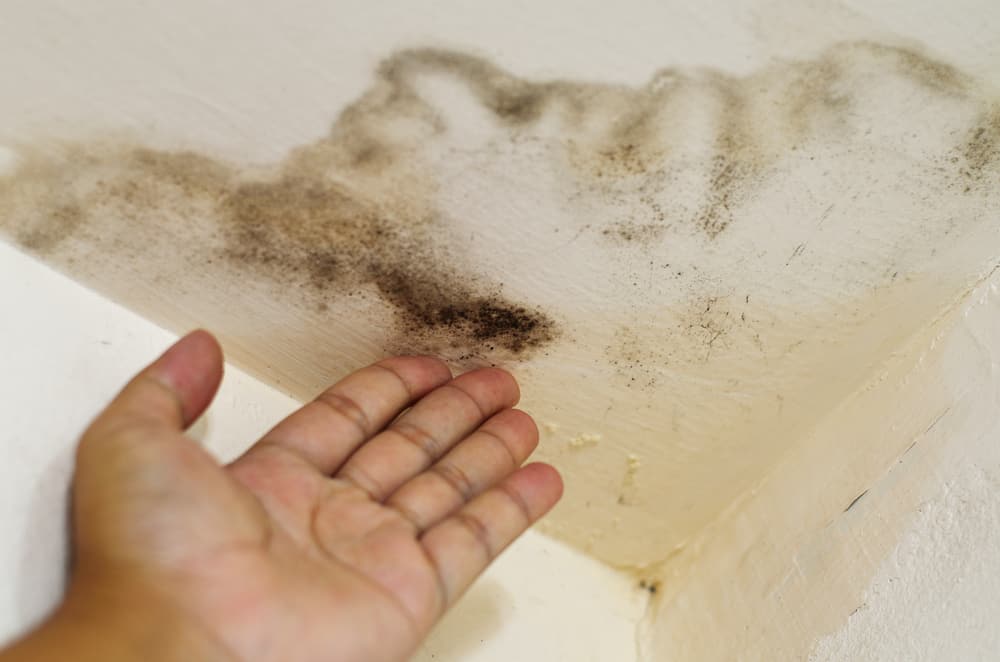
The most important thing is to not disturb it. Scrubbing, spraying bleach, or running fans through a mold-affected area can break up colonies and push spores into parts of the home that weren’t previously affected. If you’ve returned to your Water Mill property after an extended absence and discovered mold whether it’s a musty smell, visible discoloration, or something more extensive the right first step is a professional assessment by a licensed mold assessor.
Under New York State’s Article 32 law, mold assessment and mold remediation must be performed by separately licensed individuals or companies. That means the person who assesses the problem cannot be the same person who remediates it a protection designed to prevent inflated scopes and conflicts of interest. We can connect you with the assessment process and then handle the remediation once the scope is defined. Given how quickly mold can spread in Water Mill’s humid coastal environment, getting that assessment scheduled promptly rather than waiting to see if it gets worse is almost always the right call.
How much does mold remediation cost in Water Mill, NY?
The honest answer is that it depends on the size of the affected area, the type of mold, the materials involved, and whether structural components need to be removed and replaced. For most residential mold remediation projects in Water Mill, costs typically fall somewhere between $1,200 and $3,800. Crawl space mold remediation tends to run $500 to $4,000 or more depending on the size of the space and whether encapsulation is needed. Attic mold remediation generally ranges from $1,500 to $9,000. Basement mold can range from a few hundred dollars for surface-level issues up to $10,000 or more when structural materials are involved.
What’s worth keeping in mind in a market like Water Mill where the median home value exceeds $2 million is that the cost of a thorough remediation is almost always a fraction of what a mold finding costs you in a real estate transaction, an insurance dispute, or a recurrence that wasn’t addressed properly the first time. We provide written estimates before any work begins, so you know exactly what you’re approving.
Does mold remediation in Water Mill require a licensed contractor under New York State law?
Yes and this is something Water Mill homeowners should take seriously before hiring anyone. New York State’s Article 32 of the Labor Law, which went into effect on January 1, 2016, makes it illegal for any person or company to perform mold remediation without a valid license issued by the New York State Commissioner of Labor. That includes advertising mold remediation services without the license. The law also requires that mold assessment and mold remediation be performed by separate, independently licensed parties so a company that offers to assess and remediate in one transaction is operating outside the law.
You can verify a contractor’s license through the NYS Department of Labor’s online lookup tool before you hire anyone. Richard Peterson, our owner, holds personal NYS licenses in both mold assessment and mold remediation meaning the accountability sits at the ownership level, not just somewhere in a filing cabinet. In the Hamptons market, where the volume of high-value properties attracts a wide range of operators, verifying licensure before signing anything is basic due diligence.
Can mold in a Water Mill property affect a real estate sale or home inspection?
It can and in Water Mill’s real estate market, the consequences move fast. Research consistently shows that roughly 50% of potential buyers walk away from a transaction when mold is discovered during inspection, even if the mold has already been remediated. For properties transacting in the $3 million to $10 million range, that’s not a small exposure. Buyers and their attorneys increasingly require not just a remediation receipt, but a post-remediation clearance report independent air quality testing that confirms mold spore counts have returned to normal levels.
We include that clearance report as a standard part of every remediation job, not an add-on. If you’re dealing with a mold finding that’s threatening a closing timeline, the combination of 24/7 availability, our licensed remediation team, and documented post-remediation verification is what keeps the transaction on track. Sellers who can hand a buyer a certified clearance report are in a fundamentally different position than those who can only say the problem was “taken care of.”
How do I know if my Water Mill crawl space has a mold problem?
The most common signs are a persistent musty odor that doesn’t go away when you ventilate the home, visible dark discoloration on crawl space framing or insulation, and in some cases, allergy or respiratory symptoms that seem worse inside the home than outside. For seasonal properties in Water Mill, the challenge is that these signs often don’t appear until a homeowner returns after months away by which point a mold colony can be well established across joists, subfloor material, and vapor barriers.
Crawl spaces beneath Water Mill estate homes are particularly vulnerable because of their size and the below-grade humidity exposure from the area’s water table and proximity to Mecox Bay and the surrounding pond system. If your property uses a dehumidifier in the crawl space, it’s worth confirming that it was functioning and draining properly throughout the winter a failed dehumidifier in an unmonitored crawl space is one of the most common causes of significant mold growth we encounter on South Fork properties. A professional inspection is the only reliable way to assess what’s actually there.
What's the difference between mold remediation and mold removal?
Mold removal is one step inside a larger process. Remediation is the whole thing. When a company talks about “removing” mold, they’re describing the physical act of taking out contaminated materials drywall, insulation, framing. That’s necessary, but it’s not sufficient on its own. If the moisture source that caused the mold isn’t identified and corrected, new mold growth will follow the same path. If the area isn’t properly contained during removal, spores spread to unaffected areas of the home. If the space isn’t treated with EPA-registered antimicrobials and dried to confirmed safe moisture levels, residual contamination remains.
True mold remediation the kind that holds up in a real estate transaction, satisfies an insurance adjuster, and actually protects your family includes assessment, source correction, containment, physical removal, antimicrobial treatment, structural drying, and post-remediation air quality verification. That’s the process we follow on every job in Water Mill, and the clearance report at the end is what separates a completed remediation from a company’s word that the job is done.
Useful Links
Other Services we provide in Water Mill