
Mold Remediation in Wheatley Heights, NY
Your Wheatley Heights Home Deserves a Permanent Fix
Hear from Our Customers
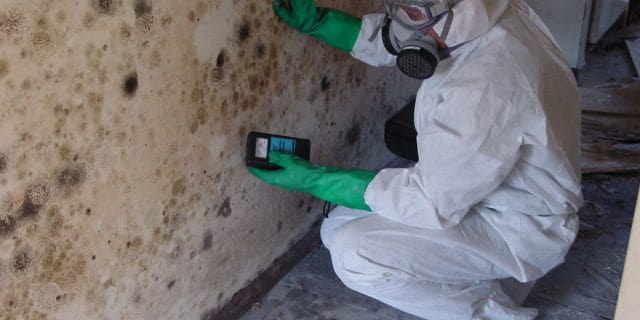
Basement Mold Remediation Wheatley Heights NY
The musty smell in your basement is not just an inconvenience. It is a signal that moisture has been sitting long enough for mold to take hold and in Wheatley Heights, that happens faster than most homeowners expect. The clay-heavy soil that runs through this area drains slowly and holds water against your foundation walls for days after a heavy rain. That sustained pressure finds cracks in older concrete block foundations the kind built in the 1950s and 1960s that make up most of the housing stock in Wheatley Heights and moisture works its way in quietly, often before you notice anything visible.
When mold remediation in Wheatley Heights is done correctly, the difference is immediate and lasting. The air in your home feels cleaner. The smell is gone not masked. Your basement, crawl space, or attic goes from a space you avoid to one you can actually use. And if you have children in the local school district or elderly family members at home, you are no longer exposing them to airborne spores every time the HVAC system cycles.
Beyond the health piece, there is a real financial argument here. Homes in Wheatley Heights carry significant value partly because of the school district, partly because of the community itself. A documented mold history without a documented remediation can reduce that value by 20 to 37 percent and stop a sale cold. A clearance report from a certified remediation does the opposite: it gives buyers and their attorneys something concrete, and it protects the equity you have built.
Certified Mold Remediation Companies Wheatley Heights NY
We have been working in Long Island homes for approximately 31 years. That includes homes throughout Wheatley Heights and the surrounding Town of Babylon the post-war ranches and Cape Cods in this community, the older colonials near the Deer Park border, the split-levels that back up to the Half Hollow Hills terrain. This is not a company that learned Long Island from a franchise manual. We learned it job by job, home by home, over three decades.
What sets us apart in the Wheatley Heights market is straightforward: our owner Richard Peterson personally holds New York State licenses in both mold assessment and mold remediation under Article 32 of the NYS Labor Law. That is the person running the company not a credential buried in the back office. Every technician on our team holds IICRC certification, meaning the people entering your home have been formally trained and tested, not just supervised on a few jobs.
We also run an integrated cleaning division alongside our restoration work, which means when the remediation is complete, the final cleaning of affected areas and contents is handled by the same team. No handoffs, no gaps, no second contractor to coordinate.
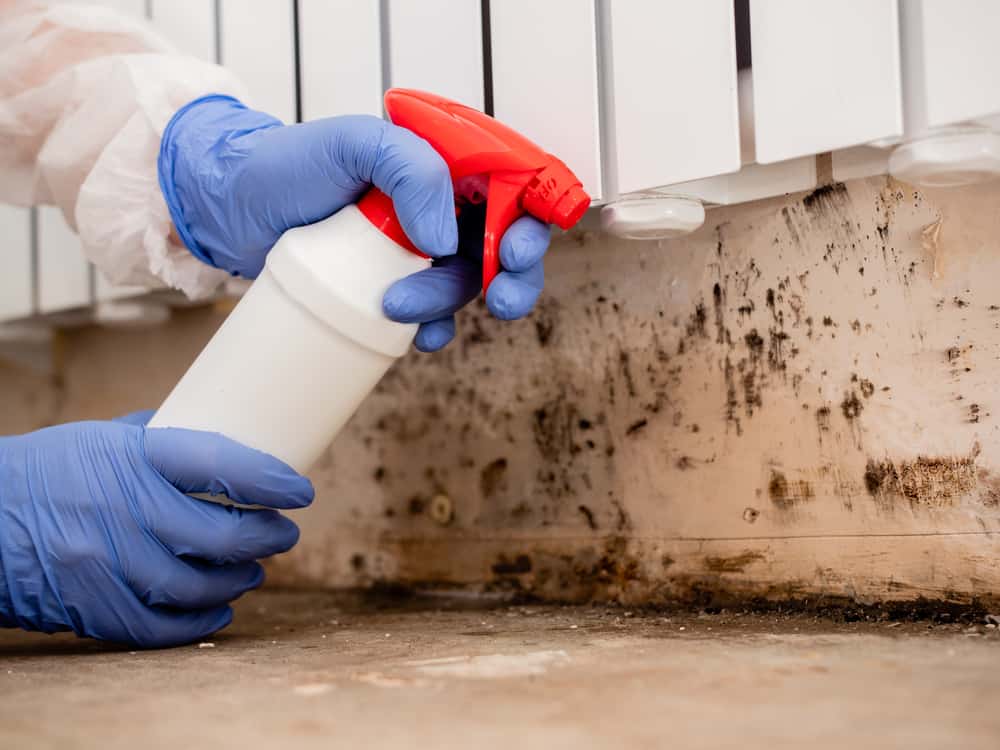
Professional Mold Remediation Process Wheatley Heights NY
The first thing that happens is a thorough assessment. Before anything is removed or treated, the source of moisture has to be identified. In Wheatley Heights, that usually means looking carefully at the foundation particularly in homes built before 1970, where concrete block walls and minimal waterproofing are the norm. Moisture mapping tells the full story: where water is entering, how far it has traveled, and what materials have been affected. Skipping this step is why mold comes back after a cheap remediation.
Once the source and scope are confirmed, containment goes up. Affected areas are isolated using physical barriers and negative air pressure to prevent spores from spreading to unaffected parts of the home while work is underway. This is not optional it is a requirement under the IICRC S520 standard that every certified technician on our team is trained to follow. Contaminated materials are removed, treated surfaces receive appropriate antimicrobial application, and structural drying equipment is deployed where needed.
The job is not complete when the equipment comes out. Post-remediation verification independent air quality testing confirms that mold spore counts have returned to normal levels before the clearance report is issued. In New York State, this documentation matters: it satisfies insurance carriers, it satisfies real estate attorneys, and it gives you something in writing that the job was done to standard. For homeowners in Wheatley Heights navigating a sale or an insurance claim, that report is not a formality it is the deliverable.
Ready to get started?
Black Mold Remediation Services Wheatley Heights NY
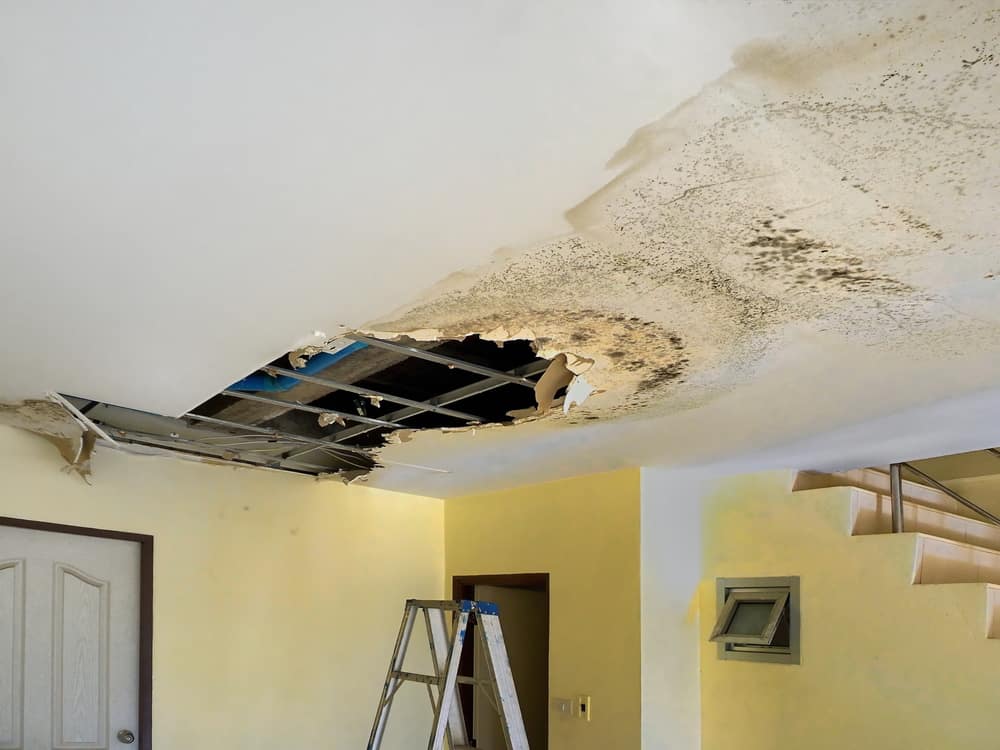
Mold remediation in Wheatley Heights, NY covers more ground than most homeowners initially expect and that is a good thing. The scope of a proper remediation is determined by where moisture has traveled, not just where mold is visible. In the older homes throughout Wheatley Heights, that often means the basement, the crawl space, the attic, or some combination of all three. Attic mold is especially common in this community during the summer months, when humid outdoor air meets a cooled roof deck and condensation forms on the sheathing. Basement mold remediation in Wheatley Heights is the most frequent call driven by the clay soil, the aging foundations, and the groundwater surges that follow the nor’easters that hit western Suffolk County regularly.
Black mold remediation in Wheatley Heights is handled with the same licensed, certified process regardless of the species involved. Stachybotrys what most people call black mold requires more aggressive containment and removal protocols, but the framework is the same: identify the source, contain the area, remove contaminated materials, treat surfaces, dry the structure, and verify with air quality testing before the job is closed.
We offer emergency mold remediation in Wheatley Heights around the clock. Many residents in this community commute out for work daily, which means water damage events are often discovered in the evening or on weekends. We are reachable and dispatchable at any hour because mold does not wait for Monday morning, and neither should you.
Does mold keep coming back in Wheatley Heights homes after remediation?
It can but only when the underlying moisture source was never properly addressed. This is the most common complaint from homeowners who have paid for remediation before and watched the problem return within a year. In Wheatley Heights specifically, the clay-and-sand soil composition creates persistent hydrostatic pressure against foundation walls. That pressure does not go away after a rain event it lingers for days, sometimes longer, depending on how saturated the ground is. If a remediator removes the visible mold without identifying and correcting where and how moisture is entering the structure, the conditions for mold growth are still there.
A proper remediation starts with moisture mapping before any mold is removed. That step tells the full story of what is happening inside your walls and under your floors not just what is visible on the surface. When the source is addressed as part of the remediation scope, the recurrence rate drops dramatically. Post-remediation air quality testing then confirms that the result is real, not just visual.
How much does mold remediation cost in Wheatley Heights, NY?
The honest answer is that it depends on where the mold is, how far it has spread, and what materials are affected. For most residential projects in Wheatley Heights, mold remediation costs fall somewhere between $1,200 and $3,800. Attic remediation tends to run higher often between $1,500 and $9,000 depending on the size of the attic and how far the mold has penetrated the sheathing. Crawl space mold remediation in Wheatley Heights typically falls in the $500 to $4,000 range. Basement remediation varies widely based on the extent of the moisture intrusion and what structural materials need to be removed.
What drives cost up is almost always scope that was not caught during the initial assessment which is why a thorough moisture mapping step at the beginning of the job matters so much. Ask any company you are considering to walk you through exactly how they assess scope before they give you a number, and make sure they are licensed under New York State’s Article 32 before you sign anything.
What is the difference between mold remediation and mold removal?
Mold removal implies that mold can be completely eliminated which is not accurate and not the right goal. Mold spores exist naturally in indoor and outdoor air at all times. The objective of professional mold remediation is to bring indoor spore counts back down to normal, naturally occurring levels and to remove the conditions that allowed mold to grow in the first place. That is a more honest and more durable outcome than simply scrubbing a surface and calling it done.
Remediation involves containment to prevent spores from spreading during the work, physical removal of contaminated materials, antimicrobial treatment of affected surfaces, structural drying to eliminate the moisture that supported growth, and post-remediation air quality testing to verify the result. Mold removal, as it is sometimes advertised by less credentialed operators, often means surface cleaning without the containment, source correction, or verification steps. In New York State, anyone performing mold remediation work is required to hold a valid license under Article 32 of the Labor Law so if a company is offering “mold removal” without mentioning licensure, that is worth asking about directly.
Is mold remediation in Wheatley Heights covered by homeowner's insurance?
Sometimes and the distinction that matters most is how the mold originated. If mold developed as a direct result of a sudden, accidental event a burst pipe, an appliance failure, a roof leak from a storm most standard homeowner’s insurance policies will cover the remediation as part of the water damage claim. If the mold developed gradually over time from a slow leak, chronic basement moisture, or deferred maintenance, most policies will not cover it, because insurers treat gradual damage differently than sudden events.
In Wheatley Heights, where basement moisture from clay soil and aging foundations is a long-standing issue in many homes, the line between sudden and gradual can be complicated. The documentation you provide to your insurance carrier matters enormously and that is where having a licensed, certified remediator who knows how to document damage in the format insurers require makes a real difference. We help homeowners work through the claims process, not just the remediation itself.
How long does mold remediation take in a typical Wheatley Heights home?
For most residential jobs in Wheatley Heights a basement, a crawl space, or an attic the active remediation work takes between one and five days depending on the scope. Structural drying, which runs after contaminated materials are removed, typically adds two to three additional days using commercial-grade dehumidification and air movement equipment. Post-remediation air quality testing and clearance reporting adds another day or two after drying is complete.
The total timeline from first call to clearance report is typically one to two weeks for a contained residential project. Larger or more complex jobs homes where moisture has traveled through multiple areas, or where significant structural material needs to be removed can take longer. The most important thing to understand is that rushing the drying phase to close a job faster is one of the primary reasons mold returns. Adequate drying time is not optional it is what makes the remediation hold.
Can my family stay in the house during mold remediation in Wheatley Heights?
In many cases, yes but it depends on where the mold is located and how extensive the contamination is. When mold is confined to a basement, crawl space, or attic and proper containment is in place, it is often possible for residents to remain in the home during the remediation work. The containment barriers and negative air pressure systems we use during a certified remediation are specifically designed to prevent spores from migrating to living areas while work is underway.
That said, households with young children, elderly residents, or anyone with respiratory sensitivities including asthma or mold allergies should take the recommendation of the licensed assessor seriously when displacement is suggested. If the mold is in a central HVAC system or has spread across multiple areas of the home, temporary relocation is the safer call. A licensed assessor can give you a clear, honest answer about your specific situation before work begins not a blanket policy that applies to every job the same way.
Useful Links
Other Services we provide in Wheatley Heights