
Hear from Our Customers
The air feels different. You stop second-guessing what that smell is. You’re not wondering whether the wall cavity behind your bathroom tile is hiding something you can’t see. That’s what our professional mold remediation in Atlantic Beach, NY actually delivers — not just a surface wipe-down, but documented proof that the problem is gone.
Atlantic Beach is a different environment than most of Nassau County. The barrier island sits between the Atlantic Ocean and Reynolds Channel, and that means persistent coastal humidity, salt air working against your building envelope, and a housing stock where most homes were built in the 1950s. That combination — aging construction, constant marine moisture, and limited airflow in older attic and crawl space designs — creates conditions where mold doesn’t just appear after a flood. It develops slowly, quietly, inside walls and above ceilings, often for months before anyone notices.
If your Atlantic Beach home was affected by Hurricane Sandy or any storm since, and you haven’t had a full inspection with air sampling and lab results, you may be living with a problem that was never fully resolved. Proper mold removal in Atlantic Beach, NY means knowing exactly what’s there, where it is, and having the lab report to prove it’s been eliminated — not just painted over.
First Response Restoration and Cleaning Inc. has been doing this work on Long Island for over three decades. That’s not a number we throw around lightly — it means we’ve worked in Nassau County coastal communities like Atlantic Beach through nor’easters, through Sandy, through the quiet seasonal damage that builds up in homes that sit vacant from October to May. We know what barrier island construction looks like from the inside.
Every technician on our team is IICRC-certified. Not just the person who gives you the estimate — every person who enters your home. In an industry where that’s not standard practice, it matters. We’re also fully licensed under New York State’s mold regulations, which legally require that mold assessment and mold remediation be handled separately and correctly — something not every company in this market gets right.
Atlantic Beach homeowners have trusted us because we show up with documentation, not just equipment. Whether you’re a year-round resident on Bay Boulevard or returning to a seasonal home after winter, we treat your property with the same standard every time.
It starts with a certified technician assessment — not a quick walkthrough, but a structured inspection using air sampling, surface swab sampling, boroscopic wall cavity examination, and non-invasive moisture measurement. The boroscopic camera is what lets us see inside your walls without opening them up. In a home built in 1958 with original plaster and vintage framing, that matters. You find out what’s actually there before any work begins.
Every sample we collect goes to an independent laboratory with chain-of-custody documentation — the same legal-grade standard used in insurance claims and real estate transactions. Results come back within 2 to 3 business days. From there, we build a remediation scope based on what the lab confirms, not what we assumed walking in.
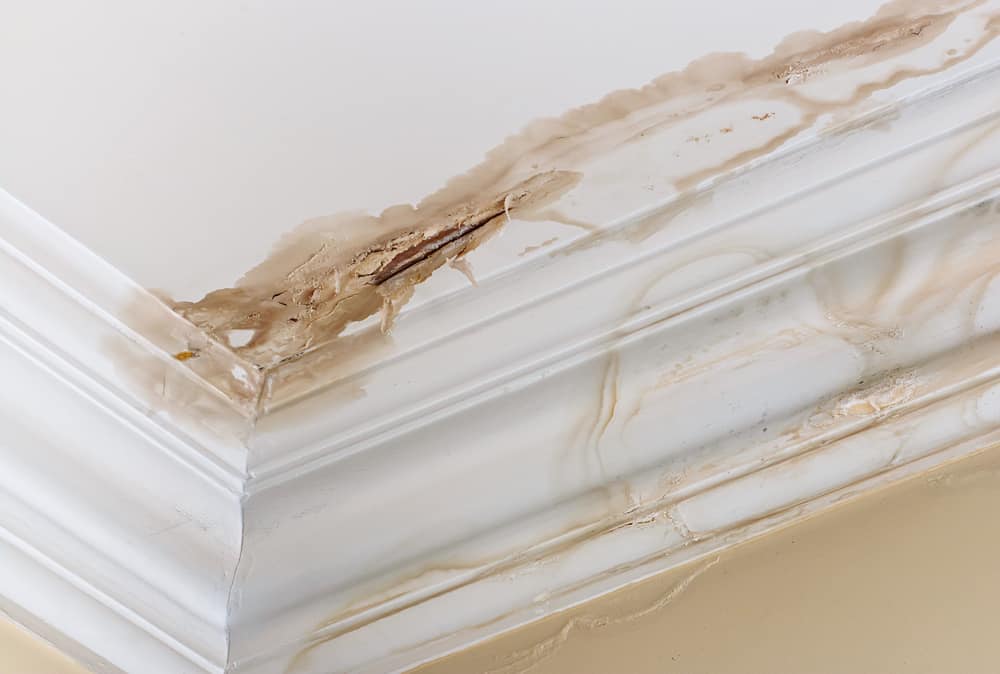
Remediation itself involves full containment of the affected area, HEPA air filtration, and removal of contaminated materials following the IICRC S520 standard. Because Atlantic Beach properties often have mold as a downstream result of water intrusion — whether from Reynolds Channel tidal flooding, storm surge, or aging roof and window seals — we also handle the water damage restoration side. Once remediation is complete, post-remediation clearance testing confirms the job is done. You get the lab report. The work isn’t finished until the numbers say it is.
Ready to get started?
Mold removal in Atlantic Beach, NY covers the full range of where moisture hides in coastal homes. Attic mold removal is one of the most common requests we see on the barrier island — the passive ventilation systems designed into mid-century homes were never built for today’s more airtight construction, and salt air moisture accumulates above ceilings in ways that don’t show up until you look. Basement and crawl space mold removal addresses the groundwater and tidal intrusion risk that comes with living at low elevation near Reynolds Channel. Bathroom mold removal handles the chronic high-humidity conditions that Atlantic Beach homes deal with year-round, not just in summer.
For homeowners dealing with insurance claims — especially post-storm situations — our documentation process is designed to support your case. Chain-of-custody lab reports, written remediation scopes, and post-clearance testing results give your adjuster exactly what they need. We also offer up to $500 toward your out-of-pocket deductible costs, which no other mold remediation company we’re aware of in the Long Island market currently offers.
New York State law prohibits the same company from performing both mold testing and mold remediation on the same property. We operate in full compliance with those licensing requirements. If a company offers to do both on the same job, that’s a red flag — and something Atlantic Beach homeowners at this price point shouldn’t overlook.
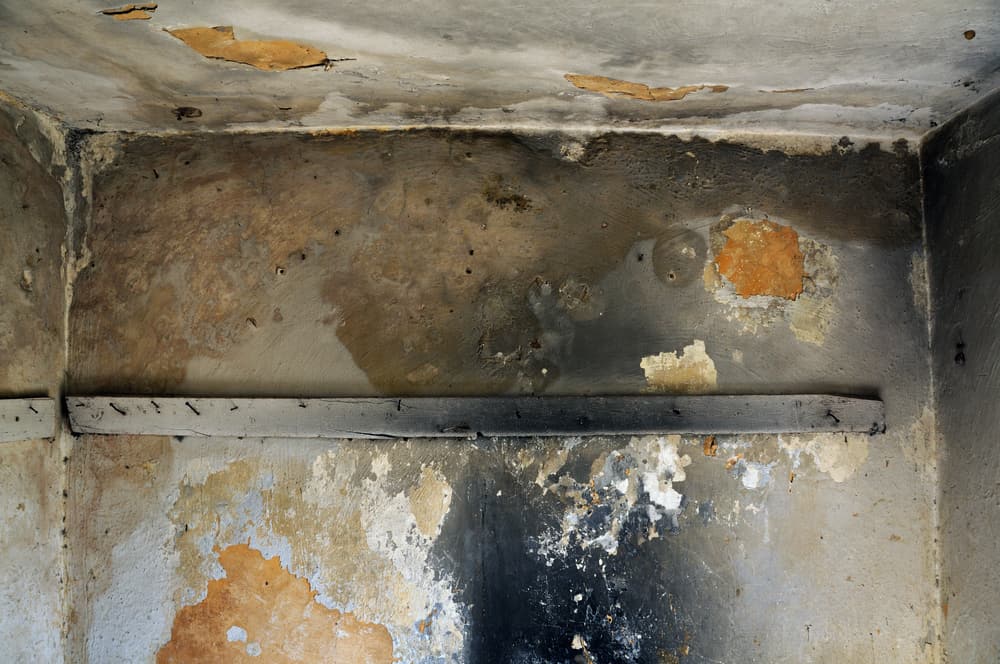
Yes — and the reasons are structural, not just environmental. Atlantic Beach sits on a narrow barrier island between the Atlantic Ocean and Reynolds Channel, which means nearly every property in the village is exposed to persistent coastal humidity on at least one side. Salt air degrades caulking and building envelope seals faster than in inland communities, and it does it consistently, year after year.
The bigger factor is the age of the housing stock. The median construction year for homes in Atlantic Beach is 1958, and roughly 20% of homes were built before 1940. Older homes have aging waterproofing, original-era attic ventilation that wasn’t designed for modern insulation levels, and decades of accumulated moisture history. In a coastal environment like Atlantic Beach, those vulnerabilities compound. Mold doesn’t need a flood to get started — it just needs a wall cavity that stays damp, which is exactly what barrier island construction tends to produce over time.
Most residential mold remediation jobs in Atlantic Beach fall somewhere between $2,300 and $7,000, though the final number depends on how much area is affected, which materials need to be removed, and whether water damage restoration is part of the scope. Attic mold removal in a mid-century barrier island home with original framing and limited access can run toward the higher end of that range. Crawl space and basement work in homes with groundwater or tidal intrusion history can also add to the scope.
The inspection phase is where the real number gets defined. Air sampling and lab analysis tell you exactly what you’re dealing with before any work begins, which means no surprises mid-project. For homeowners filing an insurance claim — which is common in Atlantic Beach after storm events — our documentation is built to support that process, and our deductible coverage program offers up to $500 toward your out-of-pocket costs. That’s not available through most mold companies on Long Island.
No. New York State law explicitly prohibits the same company from performing both mold assessment and mold remediation on the same property. This is a consumer protection law, and it exists for a good reason — a company that tests and remediates has a financial incentive to find a problem whether one exists or not. The law requires that these functions be handled by separately licensed entities.
This matters in Atlantic Beach because the mold remediation market draws a lot of companies that either don’t know this rule or ignore it. If you’re getting a quote and the same company is offering to test your home and then remediate it themselves, that’s a violation of state licensing requirements. Ask any contractor for their New York State Department of Labor mold license numbers — one for assessment, one for remediation — before you sign anything. At this price point and with homes worth $1 million or more on the line, that verification step is worth taking.
Mold can begin colonizing new surfaces within 24 to 48 hours of water intrusion. That’s the same window as a typical storm event — meaning by the time you’re assessing damage after a nor’easter or a Reynolds Channel flood surge, mold may already be taking hold inside your walls and beneath your flooring.
This is why response time matters as much as remediation quality. The longer water sits in structural cavities, the deeper the mold penetrates into framing, insulation, and drywall — and the more material has to come out. Atlantic Beach’s barrier island geography means storm-related water intrusion is not a rare scenario; it’s a recurring one. Homes that were flooded during Hurricane Sandy and not fully dried and remediated within that initial window are still showing mold problems today, years later. If your home has a flood history and you haven’t had a lab-confirmed inspection, that’s worth addressing before the next storm season.
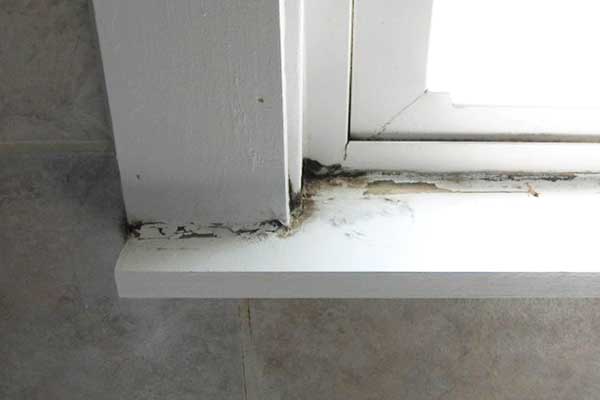
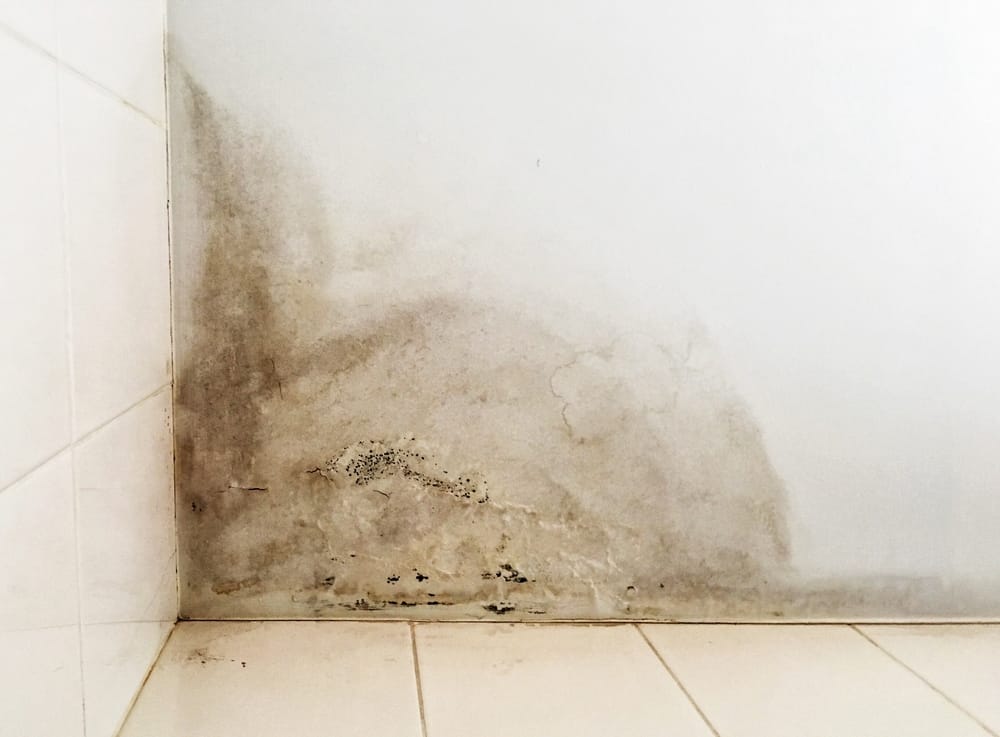
The most obvious signs are visible growth — dark patches on walls, ceilings, or grout lines — and a persistent musty odor that doesn’t go away after airing the house out. But in older Atlantic Beach homes, mold often develops in places you can’t see: inside wall cavities, above ceiling drywall, beneath original flooring, and in attic spaces where vintage ventilation systems have been allowing moisture to accumulate for decades.
Other indicators include unexplained allergy symptoms that improve when you leave the house, peeling paint or wallpaper along exterior walls, and water staining that reappears after being painted over. If your home sits on the bay side near Reynolds Channel, or if it has a crawl space or unfinished basement, those areas are worth prioritizing in any inspection. Seasonal homeowners returning to Atlantic Beach after winter should pay particular attention — a home that’s been closed up for months with the heat set low is exactly the environment where mold grows undetected for extended periods.
It depends on the cause. Most homeowners insurance policies in New York will cover mold removal if it’s a direct result of a covered peril — like storm surge flooding, a burst pipe, or wind-driven rain damage. What they typically won’t cover is mold that developed from long-term neglect, gradual leaks, or chronic moisture issues that weren’t addressed over time.
For Atlantic Beach homeowners, the post-storm scenario is the most common insurance mold claim. If your home took on water during a storm event and mold developed as a result, the key is documentation — and that documentation needs to be thorough enough to hold up with an adjuster. Our chain-of-custody lab reports, written remediation scopes, and post-clearance testing results are built specifically for that purpose. Many Atlantic Beach properties are also in designated FEMA flood zones, which adds a layer of complexity around how repairs are permitted and documented. We’re familiar with that process and can help you navigate what’s needed to get your claim supported correctly.
Useful Links
Other Services we provide in Atlantic Beach