
Mold Removal in Coram, NY
Coram's Aging Homes Hide Mold Where You Can't See It
Hear from Our Customers
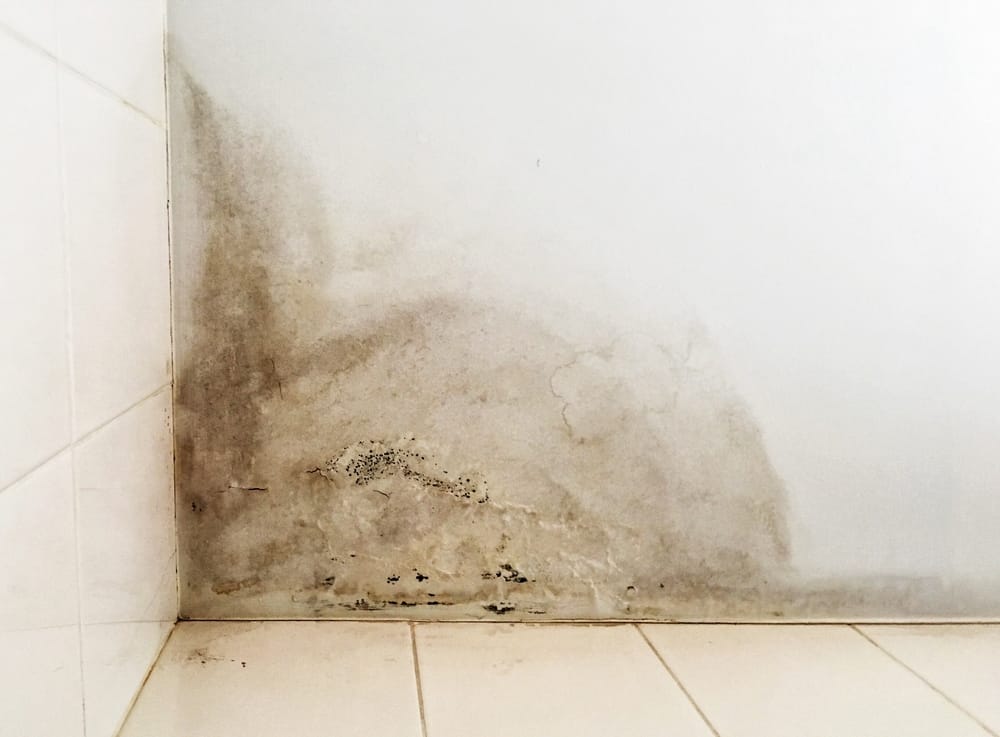
Professional Mold Removal Services Coram, NY
You stop second-guessing the air in your own home. That’s not a small thing especially if you’ve got kids in the Longwood School District, an elderly parent in the house, or anyone dealing with asthma or allergies. The World Health Organization links 21% of U.S. asthma cases to mold and dampness. When the source is removed not painted over, not bleached, actually removed that number becomes real and personal.
Coram’s housing stock makes this harder than it sounds. Most homes here were built in the 1970s and early 1980s, before vapor barriers and modern attic ventilation were standard. Ranch-style homes on sandy soil with a high water table which describes a significant portion of central Brookhaven Town are structurally predisposed to moisture problems. Groundwater rises through Pine Barrens soil and pushes into basement slabs. Crawl spaces that were never encapsulated hold moisture year-round. These aren’t freak events. They’re the predictable result of how these homes were built and where they sit.
Getting professional mold removal in Coram done right means the problem is gone not cosmetically treated. You’re not calling again in six months. You’re not watching it come back in the same corner. And your home’s air quality, resale value, and structural integrity are all better for it.
Mold Removal Companies in Coram, NY
We’ve been serving Long Island homeowners for over three decades. That’s not a number we throw around lightly it means we’ve been working in Suffolk County homes since before Article 32 mold licensing even existed in New York State. We’ve seen what happens when mold is handled wrong, and we’ve spent 31 years building a reputation on doing it right.
We know Coram specifically. We know the homes off Middle Country Road and the crawl spaces in the neighborhoods near Nicolls Road. We know the basements that flood after a nor’easter and the attics in ranch-style homes that nobody’s looked at in twenty years. That local familiarity isn’t just background knowledge it changes how we assess a job and what we look for when we get there.
We’re IICRC-certified, fully licensed under New York State’s Article 32 mold remediation law, bonded, and insured. We’re available 24/7 because water damage and mold don’t follow business hours. And what we quote before we start is what you pay no surprises, no upsells, no scope creep after the fact.
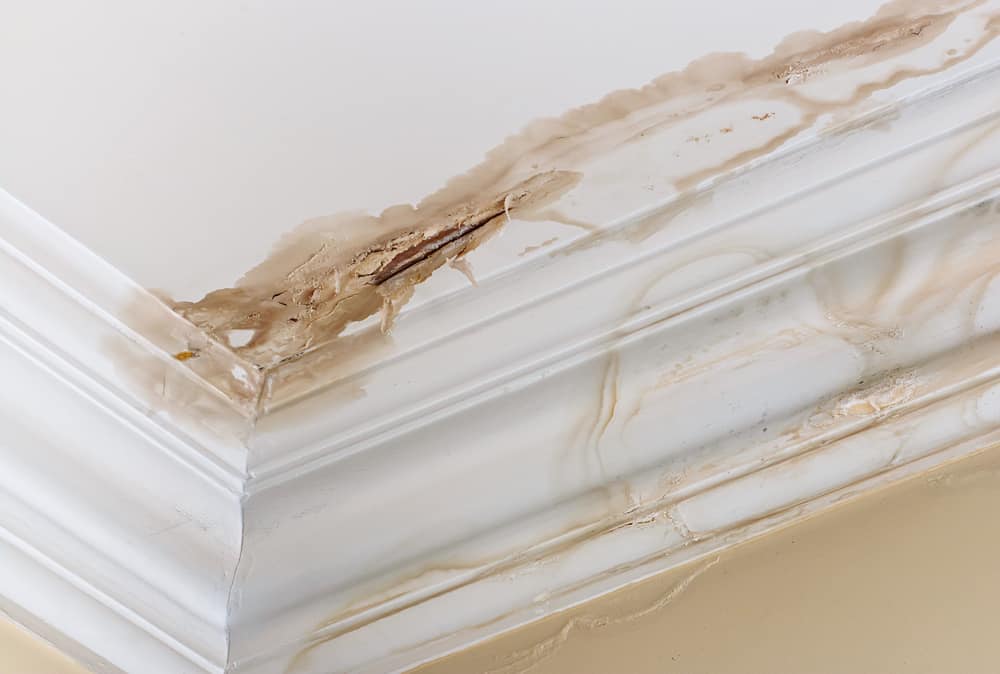
Safe Mold Removal Process Coram, NY
It starts with a thorough inspection. We use moisture sensors, thermal imaging, and particle counters to find mold beyond what’s visible including behind the finished drywall of older Coram basements where groundwater has been wicking through concrete block foundations for years without showing up on the surface. We want to know the full picture before anything else happens, because treating part of the problem is the same as not treating it.
Once we know what we’re dealing with, we contain the affected area using negative air pressure and physical barriers to prevent spores from spreading to the rest of your home during removal. This step matters more than most people realize improper containment is one of the most common ways mold remediation makes things worse before it makes them better. From there, mold-affected materials are physically removed, HEPA-filtered, and disposed of properly. Surfaces are treated and dried. If there’s a moisture source driving the problem a plumbing leak, a failing sump pump, groundwater intrusion through the slab we address that as part of the process, not as an afterthought.
New York State’s Article 32 regulations apply to every mold remediation job in Coram, and we operate in full compliance. After the work is done, we verify air quality before we leave. You’re not taking our word for it the results are measurable.
Ready to get started?
Residential and Commercial Mold Removal Coram, NY
Basement mold removal in Coram is one of our most common calls and for good reason. The combination of aging foundations, sandy Pine Barrens soil, and a water table that rises after sustained rain creates conditions that push moisture into basements and crawl spaces throughout the 11727 area. We handle the full scope: containment, physical removal, drying, dehumidification, and post-remediation verification.
Attic mold removal in Coram is the other call we get regularly, and it’s often the one homeowners don’t see coming. The low-pitched roofs on Coram’s ranch-style homes trap warm air from below against a cold roof deck in winter, and that temperature difference creates condensation on the sheathing. By the time it’s visible, it’s usually been growing for months. We also handle crawl space mold removal, bathroom mold removal, and HVAC-related mold throughout the home.
For commercial properties along the Route 25 corridor retail centers, office buildings, the Coram Center Plaza we offer commercial mold removal with the same standards and the same 24/7 availability. Whether it’s a restaurant with a kitchen exhaust issue or an office building with a roof leak that went unnoticed, we handle the full remediation and coordinate directly with your property manager or insurance carrier. One company, one process, one resolution.
How do I know if my Coram home has a mold problem I can't see?
The most reliable sign is often not visual it’s a persistent musty smell in a basement, crawl space, or attic that doesn’t go away regardless of how much you clean or ventilate. In Coram homes built in the 1970s and 1980s, mold frequently grows behind finished basement walls where groundwater has been slowly wicking through the foundation, or in attic sheathing where condensation has been building up through winter after winter. You might also notice allergy or asthma symptoms that improve when you leave the house and return when you come back that pattern is worth taking seriously.
The only way to know for certain is a professional inspection using moisture meters, thermal imaging, and air sampling. These tools detect elevated moisture and airborne spore counts in areas that look completely normal to the eye. If you’ve had any water intrusion event in your home a burst pipe, a flooded basement, a roof leak and it wasn’t dried out professionally within 48 to 72 hours, there’s a meaningful chance mold has already started. Don’t wait for it to become visible before you call.
Is black mold removal in Coram more expensive than regular mold remediation?
The cost of black mold removal depends less on the species of mold and more on how far it’s spread and what materials it’s affected. Stachybotrys what most people call “black mold” does require careful handling and proper containment, but the remediation process follows the same IICRC S520 protocol as other mold types. The bigger cost driver is scope: a localized patch in a bathroom is a very different job from black mold that’s spread through a finished basement or into wall cavities behind drywall.
In general, mold remediation in Coram ranges from roughly $1,200 to $6,000 depending on the size of the affected area and the materials involved. Attic jobs and basement jobs tend to be at the higher end of that range because of access, the volume of material involved, and the drying time required. The best way to get an accurate number is an on-site inspection we’ll give you a clear, written estimate before any work begins, and that number doesn’t change unless the scope genuinely changes and we tell you why before we proceed.
Will my homeowners insurance cover mold removal after a burst pipe or flooding?
It depends on the cause. Most standard homeowners insurance policies in New York cover mold remediation when it results directly from a covered water damage event a burst pipe, a failed appliance, or storm-driven water intrusion that’s covered under your policy. What they typically don’t cover is mold that developed gradually from long-term moisture issues like a slow foundation leak or chronic basement dampness, because insurers classify that as a maintenance issue rather than a sudden loss.
In Coram, the most common scenario we see is a pipe bursting during a hard freeze which happens regularly in uninsulated basement and crawl space areas during Long Island winters or a sump pump failing during a nor’easter power outage. Both of those events are typically covered, and the resulting mold remediation may be covered as part of the same claim. We work directly with insurance carriers to document the damage, support the claim, and make sure you’re not paying out of pocket for something your policy should handle. Call us before you assume it isn’t covered.
Can I just use bleach or store-bought products to remove mold myself?
Bleach works on non-porous surfaces like tile and glass it kills surface mold and removes the discoloration. The problem is that most mold in a home isn’t growing on non-porous surfaces. It’s growing into porous materials: drywall, wood framing, attic sheathing, insulation, crawl space subfloor. On those materials, bleach kills what’s on the surface but doesn’t penetrate deep enough to reach the root structure of the mold colony. The mold comes back, often within weeks, because the underlying growth was never actually eliminated.
There’s also a containment issue. When you disturb mold even with a sponge and bleach you release spores into the air. Without proper containment and HEPA filtration, those spores travel to other parts of your home and can start new colonies in places that weren’t originally affected. This is one of the most common ways a small, localized mold problem becomes a much larger one. Professional remediation uses containment barriers, negative air pressure, and HEPA air scrubbers specifically to prevent that from happening. If the mold is on a tile grout line in your shower, a store-bought cleaner is fine. If it’s anywhere else in your home, it’s worth a professional assessment before you touch it.
How long does mold removal take in a typical Coram home?
A straightforward bathroom or small crawl space job can be completed in a single day. Basement mold removal in Coram especially in older homes with finished walls, block foundations, and significant moisture intrusion typically takes two to three days when you factor in containment setup, physical removal, drying time, and post-remediation verification. Attic mold removal timelines depend heavily on the size of the attic and how extensively the sheathing and rafters are affected, but most attic jobs in Coram’s ranch-style homes run one to two days.
The drying and dehumidification phase is the part most people underestimate. After mold-affected materials are removed, the structural components underneath need to reach an acceptable moisture level before the area can be rebuilt or closed back up. Rushing that step is one of the most common reasons mold returns after remediation. We use commercial-grade dehumidifiers and monitor moisture levels throughout the drying process we don’t leave until the numbers are where they need to be. If you have a specific timeline concern a pending home sale, a tenant situation, or a scheduled contractor tell us upfront and we’ll work around it as much as the job allows.
Why does mold keep coming back in my Coram basement even after I've cleaned it?
Because cleaning the mold isn’t the same as removing the moisture source that’s feeding it. In Coram specifically, basement moisture problems are often structural groundwater rising through sandy Pine Barrens soil and pushing through concrete block foundations, condensation forming on cold basement walls during humid Long Island summers, or a drainage grade around the foundation that directs water toward the house instead of away from it. If any of those conditions are still present after you clean the mold, it will return. It’s not a question of how thoroughly you cleaned it.
Effective mold removal in Coram has to address both the mold colony and the moisture pathway that allowed it to grow. That might mean improving crawl space encapsulation, addressing a grading issue outside the foundation, servicing or upgrading a sump pump, or improving basement ventilation. We assess the moisture source as part of every inspection not as an add-on, but because treating mold without addressing what caused it is a short-term fix that wastes your money. If you’ve had the same mold problem return more than once in the same location, that’s a clear sign the source hasn’t been identified or resolved, and that’s exactly where a professional assessment adds the most value.
Useful Links
Other Services we provide in Coram