
Hear from Our Customers
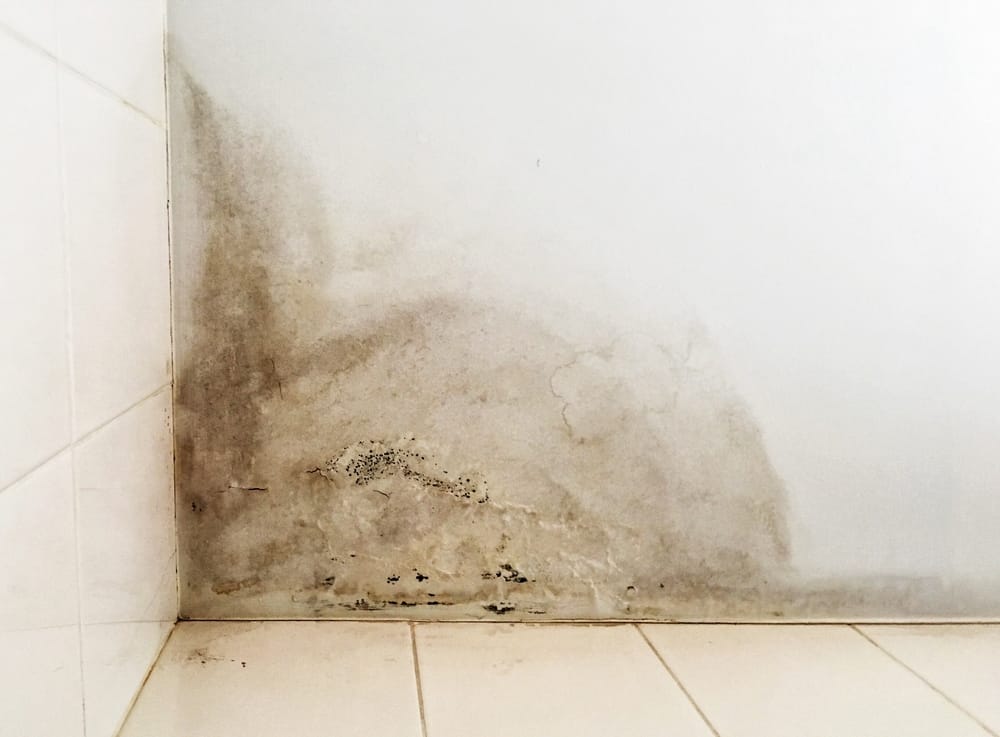
Most mold problems in Glenwood Landing don’t start with a visible patch on the wall. They start with a wet basement after a nor’easter, a crawl space that’s been holding moisture for years, or an attic that never had adequate ventilation in a home built before modern building codes existed. By the time you can see it or smell it, it’s usually been growing for a while.
When the source is found and the mold is properly removed — not painted over, not masked — the difference is immediate. The air in your home feels cleaner. The musty smell that you’d stopped noticing is gone. You’re not waking up wondering if the cough your kid has is from something in the walls.
Glenwood Landing’s position on Hempstead Harbor means the ambient humidity here runs higher than it does in inland Nassau County towns. That’s just the reality of living on the water. Pair that with housing stock that was primarily built in the 1940s — before vapor barriers, before current moisture management standards — and you have a community where hidden mold is genuinely common. Getting a real inspection, with real lab results, isn’t overcautious. For a home worth what yours is worth here, it’s the only approach that makes sense.
We’ve been serving Nassau County homeowners for over 31 years — one of the longest track records of any mold remediation operation on Long Island. That’s not a number we throw out to impress you. It means we’ve worked in homes exactly like yours throughout Glenwood Landing: prewar bungalows, 1940s colonials, waterfront properties along the North Shore, homes with crawl spaces that were never designed for today’s moisture loads.
Every technician who walks into your Glenwood Landing home holds IICRC certification. Not just our owner. Not just our senior staff. Everyone. We’re also fully licensed under New York State’s mold remediation requirements, which matters more than most people realize — and we’ll explain exactly what that means for your situation when you call.
We handle water damage restoration and mold remediation under one roof. If the moisture source isn’t fixed, the mold comes back. That’s not a upsell — it’s just how the problem actually works.
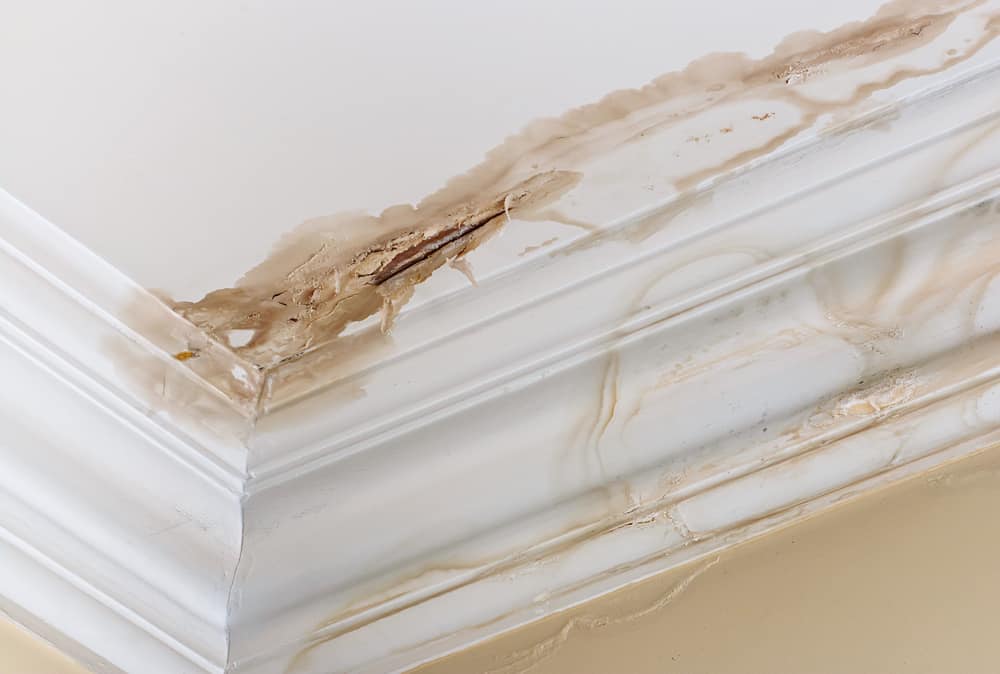
It starts with a five-point certified inspection. One of our licensed technicians assesses the visible conditions, takes air samples and surface swab samples, uses a borescope to check inside wall cavities without tearing anything open, and measures moisture levels throughout the affected areas. All samples go to a third-party lab under chain-of-custody documentation — the same standard accepted by insurance companies and real estate attorneys in Nassau County. You get the results in two to three business days.
If remediation is needed, we contain the affected area, remove the mold using industry-standard protocol, and treat the underlying surface. In Glenwood Landing’s older homes, that often means dealing with original plaster, lathe, or early drywall systems — materials that require a different approach than newer construction. We account for that. If the work involves removing structural materials, we’ll walk you through any permitting requirements under the Town of Oyster Bay or Town of North Hempstead, depending on which side of the town line your property sits on.
Once remediation is complete, post-clearance testing confirms the job is done. You receive a written lab report — not a verbal sign-off. That documentation matters whether you’re staying in the home, filing an insurance claim, or preparing it for sale.
Ready to get started?
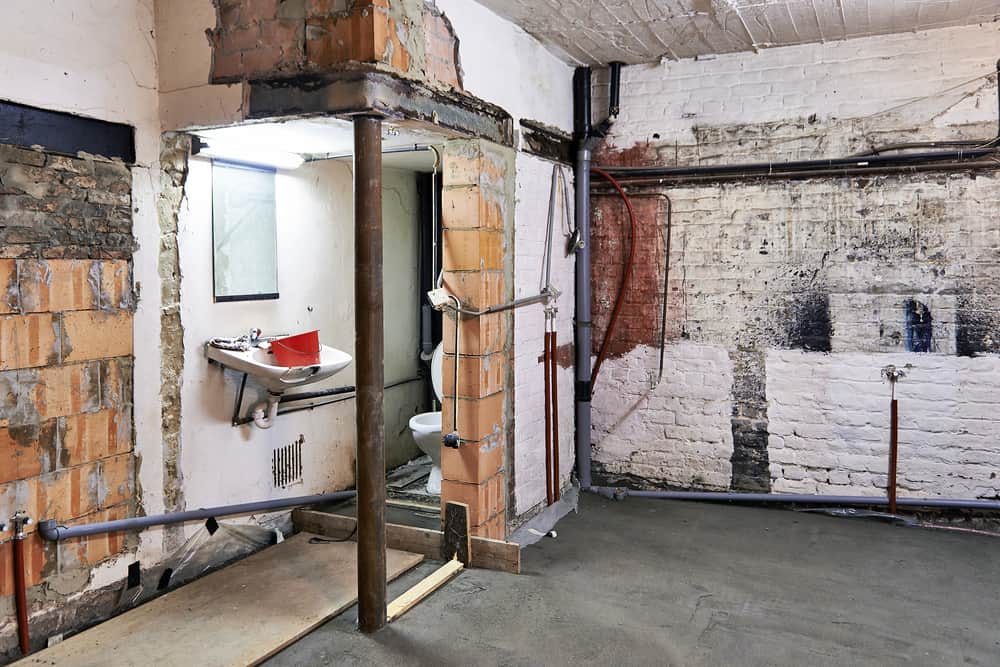
Mold removal in Glenwood Landing covers the full range of where moisture finds its way into North Shore homes. Attic mold is common here — older rooflines with dormers, gables, and decades of added-on sections create flashing points where water gets in. Basement mold removal is equally routine, especially after the kind of intense rainfall events that have hit Long Island’s North Shore in recent years. Crawl space mold removal, bathroom mold removal, and toxic mold cleanup in finished living areas are all part of what we handle on a regular basis.
For homeowners at The Residences at Glen Harbor or in any of the waterfront properties along Shore Road, the exposure profile is different but the risk is just as real — HVAC condensation, shared-wall moisture migration, and the general harbor humidity environment all create conditions where mold develops quietly before it’s ever visible.
We also work directly with insurance carriers. If your mold issue stems from a covered water damage event, we document everything in a format that supports your claim — and our deductible coverage program provides up to $500 toward your out-of-pocket deductible. No other mold remediation company serving Glenwood Landing offers that. We handle both residential mold removal and commercial mold removal, and every job ends with lab-confirmed clearance documentation you can actually use.
Yes, and it’s not a minor factor. Waterfront and near-waterfront properties experience persistently higher ambient humidity than inland communities — that’s a function of proximity to open water, prevailing winds off Long Island Sound, and the natural tendency of low-lying coastal terrain to hold moisture. Glenwood Landing sits directly on Hempstead Harbor, which means the entire hamlet deals with a microclimate that is measurably more favorable to mold growth than communities even a few miles inland in Nassau County.
The harbor exposure compounds what’s already a challenging situation in older homes. When you have 1940s construction — uncoated concrete block foundations, crawl spaces without modern drainage systems, attic ventilation that doesn’t meet current standards — and you layer waterfront humidity on top of that, the conditions for hidden mold growth are genuinely common. It doesn’t mean every home has a problem. It means the risk is higher here than in most of Nassau County, and a professional inspection is worth doing if you’ve had any water intrusion, noticed a persistent smell, or simply haven’t had the home assessed in years.
Mold can begin colonizing within 24 to 48 hours of water intrusion — and that timeline doesn’t slow down because it’s inconvenient. After a nor’easter or a heavy rainfall event hits Long Island’s North Shore, the window between water entering your basement and mold establishing itself is very short. The August 2024 storm that dropped up to 10 inches of rain across Nassau County’s North Shore and prompted states of emergency is a recent example of exactly how quickly conditions can escalate.
The other thing to understand is that surface drying isn’t the same as structural drying. You can run a shop vac, pull up wet carpet, and have the floor looking dry within a day — but the framing, insulation, and wall cavities behind the drywall can hold moisture for weeks. That’s where mold grows without anyone seeing it. If your basement took on water and you didn’t have a restoration company address the structural moisture, there’s a real chance mold is already present even if you can’t see or smell it yet. The sooner you get an inspection, the smaller the remediation scope tends to be.
No — and this is something every homeowner in Glenwood Landing should understand before hiring anyone. New York State law under Article 32 of the Labor Law explicitly prohibits the same licensed company from performing both the mold assessment and the mold remediation on the same property. The law exists to prevent a conflict of interest: a company that profits from remediation work shouldn’t be the one deciding how much remediation you need.
In practice, this means you need a licensed mold assessor to conduct the inspection and testing, and a separately licensed mold remediator to do the actual removal work. Some companies ignore this or work around it in ways that aren’t fully compliant. If a contractor offers to test your home and then immediately quote you for removal without explaining this separation requirement, that’s a red flag. We operate in full compliance with New York State’s licensing requirements and will walk you through exactly how the process works — including how to coordinate the assessment and remediation phases so nothing falls through the cracks.
The honest answer is that it depends on the scope, and scope varies significantly based on where the mold is, how far it’s spread, and what materials are involved. Nationally, professional mold remediation runs between $10 and $25 per square foot for most jobs, with attic, crawl space, and basement work often running $15 to $30 per square foot. Average projects nationally come in around $2,300 — but in Nassau County’s North Shore market, you should expect pricing at or above the higher end of those ranges.
For Glenwood Landing specifically, the age of the housing stock matters. Remediating mold in a 1940s home with original plaster and lathe walls is more involved than working in newer drywall construction — the materials behave differently, and the remediation approach has to account for that. The best way to get an accurate number is through a proper inspection, not a phone estimate. What we can tell you is that the cost of professional mold removal in Glenwood Landing is a fraction of what a mold issue costs you at resale — research consistently shows mold problems can reduce a home’s value by 20% to 37%. On a home worth $900,000 or more, that math is not hard to do.
It depends on the size and location of the affected area. For small, contained jobs — a bathroom, a section of basement wall, a limited attic area — most homeowners stay in the home during remediation without issue. The affected area is sealed off with containment barriers and negative air pressure to prevent spores from spreading to other parts of the house. As long as you’re not in the containment zone, daily life can continue relatively normally.
For larger jobs — significant black mold removal in a finished living area, toxic mold cleanup that covers multiple rooms, or situations where the HVAC system is involved — temporary relocation is sometimes the safer and more practical choice. This is especially relevant in Glenwood Landing homes where older construction means less separation between living areas and affected spaces. We’ll give you a straight answer about what’s realistic for your specific situation during the inspection phase, before any work begins. You won’t be asked to make that decision based on a guess.
In New York, sellers are required to disclose known material defects — and a mold problem qualifies. In Glenwood Landing’s real estate market, where median home values range from roughly $872,000 to well over a million dollars, buyers and their attorneys take mold disclosures seriously. A disclosed mold history without proper remediation documentation will almost certainly trigger a price negotiation, a demand for remediation as a condition of sale, or a buyer walking away entirely. Research consistently shows that 50% of interested buyers exit after learning a home had a mold problem.
What buyers, their attorneys, and their lenders actually require is lab-confirmed clearance documentation — not a contractor’s verbal assurance that the mold is gone, and not a proprietary assessment form. They want a third-party laboratory report, produced under chain-of-custody documentation, showing that post-remediation air and surface samples came back clean. That’s exactly what we provide at the conclusion of every job. If you’re preparing your Glenwood Landing home for sale and you’ve had any prior water damage, flooding, or mold history, getting that documentation in order before you list is the move that protects your asking price.
Useful Links
Other Services we provide in Glenwood Landing