
Hear from Our Customers
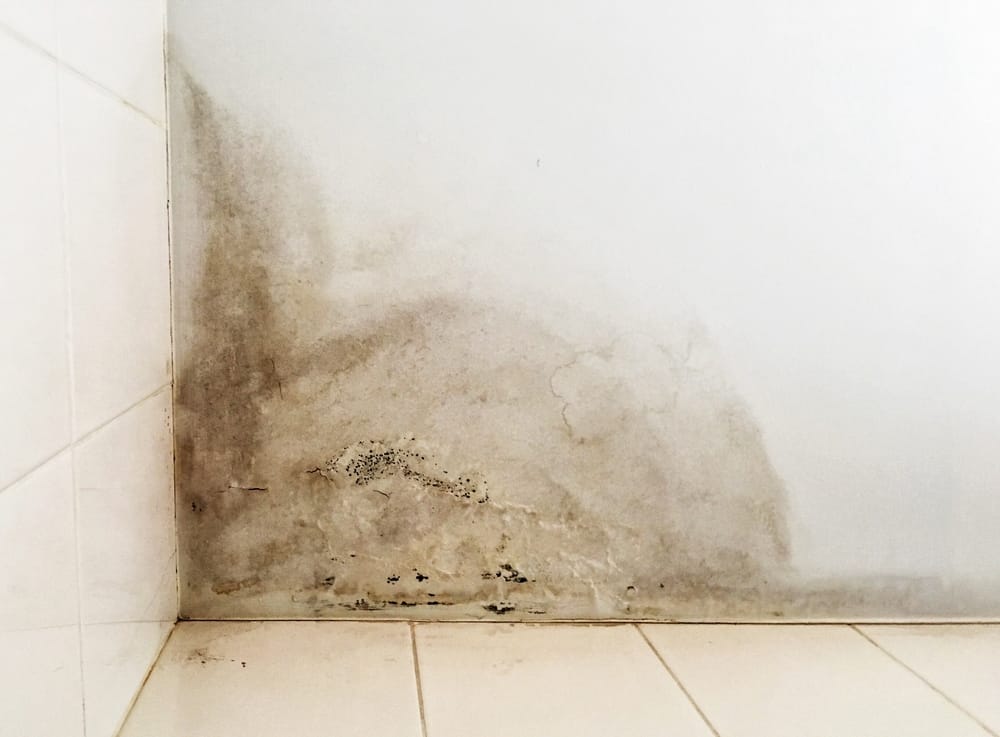
You stop guessing. That’s the first thing. No more wondering if the musty smell in the hallway is seasonal or structural. No more debating whether the dark spot behind the bathroom tile is surface-level or something that’s been growing inside the wall for months. When mold removal is done right — with air sampling, lab analysis, and post-remediation clearance testing — you get a documented answer, not a verbal one.
In Great Neck Plaza specifically, that documentation matters more than most places. If you’re in one of the village’s 90-plus multi-family residential buildings, a mold problem doesn’t stay in one unit. It travels through shared walls, common HVAC systems, and stacked plumbing lines. Getting it handled fast — and getting the paperwork to prove it — protects you from tenant complaints, code enforcement visits, and the kind of liability that follows a landlord who ignored a habitability issue.
For homeowners and co-op owners, the stakes are just as real. Great Neck Plaza sits on a peninsula surrounded by Manhasset Bay, Little Neck Bay, and Long Island Sound. The ambient humidity here never fully drops — November averages over 72% relative humidity, and even the driest month of the year still sits above 65%. That baseline moisture, combined with the age of the local building stock, means mold isn’t a one-time event. It’s a recurring condition that needs a real fix, not a coat of paint and a prayer.
We’ve been handling water damage and mold remediation across Nassau and Suffolk Counties for over three decades. That’s not a number thrown out for effect — it means our team has worked through nor’easters, coastal flooding events, and the full range of water intrusion scenarios that affect North Shore communities like Great Neck Plaza. We know how moisture moves through pre-war plaster. We know what a pipe leak looks like after it’s been hidden inside a mid-century mixed-use building for six months.
What separates us from most of the competition in this market is straightforward: every technician who walks into your property is individually IICRC-certified. Not just the owner. Not just the crew lead. Every person on the job. Our owner also holds personal New York State Department of Labor mold licensing, which is a legal requirement for mold remediation work in this state — and one that not every contractor operating in Nassau County can confirm.
If you’re a property manager overseeing one of the multi-family buildings along Grace Avenue or Middle Neck Road, or a homeowner navigating a mold disclosure before a real estate closing, you need a company whose credentials are airtight. That’s what you get here.
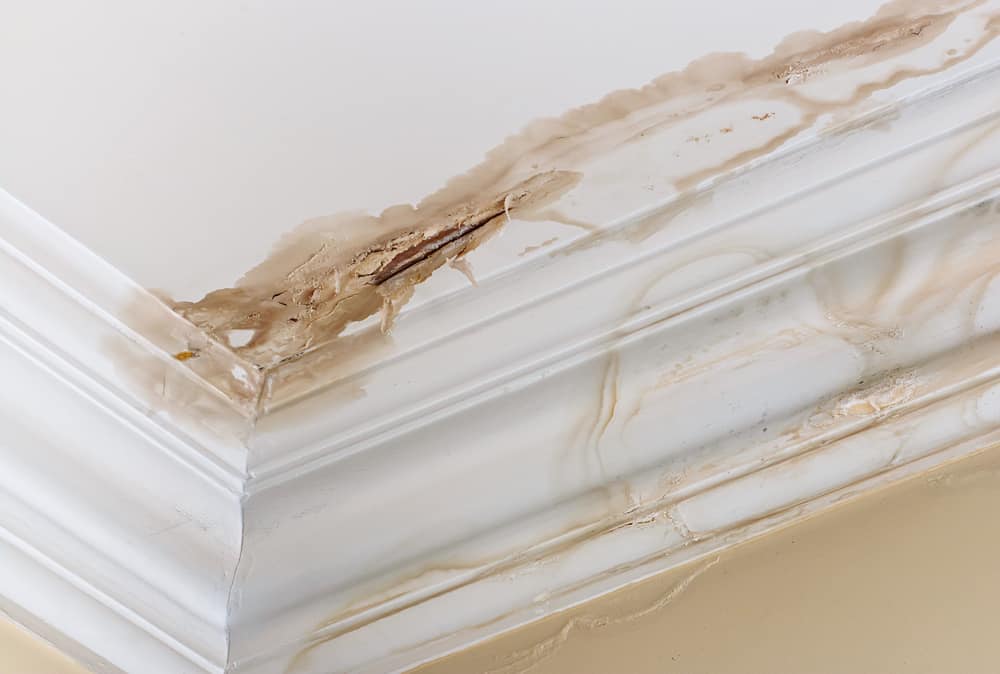
It starts with a 5-point inspection — and not just a visual walkthrough. The inspection includes air sampling, surface swab sampling, moisture level readings, identification of the water intrusion point that caused the problem, and a boroscopic wall cavity examination. That last part matters in Great Neck Plaza, where a significant portion of the building stock was constructed between the 1920s and 1960s. A boroscope lets our technician see inside wall cavities without tearing anything apart — so you find out what’s actually in there before deciding on scope.
All samples go to an independent laboratory with chain-of-custody documentation attached. Results come back in two to three business days. That’s not an estimate — it’s lab-analyzed data with species identification and spore counts. From there, we build a remediation plan around what the lab actually found, not a worst-case assumption designed to inflate the job.
Remediation itself uses containment protocols that matter in a dense downtown village. When you’re in a building where the next unit is twelve inches away and foot traffic runs past your front door on Middle Neck Road, containment isn’t optional — it’s how the job gets done without creating a problem for your neighbors or your business. Once remediation is complete, post-remediation clearance testing confirms the result. You get a lab report that says the space is clear. That’s the finish line — not when the crew packs up, but when the lab confirms it.
Ready to get started?
Great Neck Plaza isn’t a single-family suburban neighborhood. It’s a dense, mixed-use village with co-op apartments, multi-story residential buildings, restaurant kitchens, retail storefronts, and professional offices — all packed into one-third of a square mile. Mold removal here isn’t one-size-fits-all, and the company you call needs to be equipped for the full range.
We handle residential mold removal across all unit types — bathrooms, basements, attics, crawl spaces, and wall cavities in older construction. For the village’s multi-family residential buildings, our team is experienced with the specific challenges of stacked-unit remediation: containing the work so it doesn’t migrate to adjacent units, coordinating with property managers, and producing the documentation that Nassau County’s Housing Department and code enforcement officers actually require. If a tenant has filed a habitability complaint and the Building Department is involved, the chain-of-custody lab report we provide is exactly the kind of evidence that closes the file.
On the commercial side, we work around operating schedules. A restaurant on Cuttermill Road can’t shut down for three days. A retail business in the Gardens of Great Neck Shopping Center can’t have containment equipment blocking the entrance during business hours. We’ve handled commercial mold remediation in active downtown environments and know how to structure the work so the disruption is minimal and the documentation is complete. We also cover up to $500 toward your insurance deductible — a program no other mold remediation provider identified in the Great Neck Plaza market currently offers.
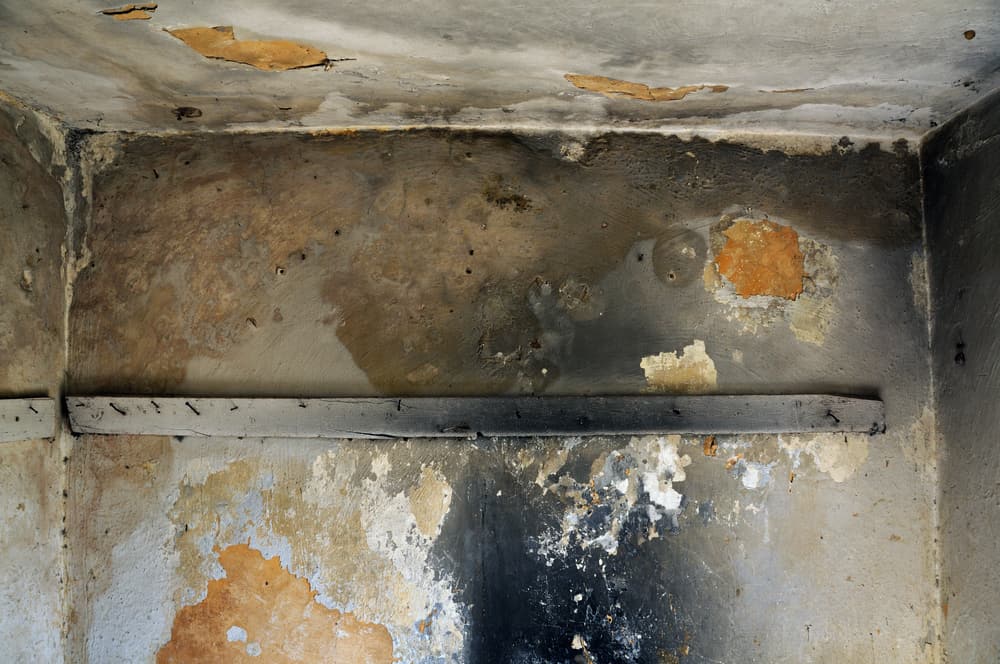
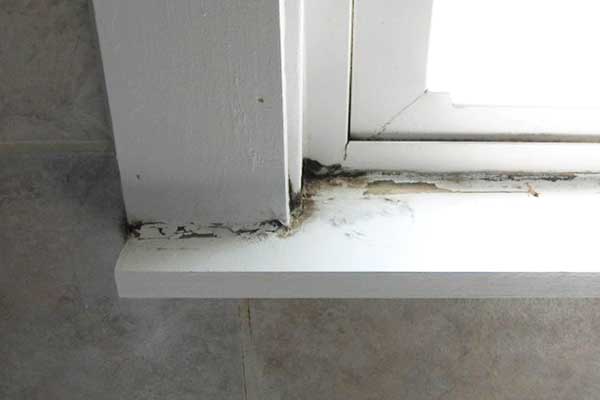
A musty smell that doesn’t go away, discoloration around baseboards or window frames, or a recurring allergy-like reaction that clears up when you leave the building — these are the signs that usually point to hidden mold, not surface-level growth you can see and wipe down. In Great Neck Plaza’s older residential buildings, where plaster walls and layered flooring systems are common, mold can establish itself inside wall cavities for months before it’s visible on the surface.
The only way to know for certain is a proper inspection that goes beyond a visual check. We use a boroscopic camera to look inside wall voids without demolition, combined with air sampling and surface swabs that get sent to an independent lab. If mold is present — and the lab identifies the species and concentration — you’ll have documented proof of what you’re dealing with and a clear picture of the remediation scope. Guessing based on smell alone isn’t enough, especially when you’re dealing with older construction that hides moisture well.
Mold removal costs vary depending on the size of the affected area, the species involved, and how far the growth has spread — but for most residential jobs in Great Neck Plaza, you’re typically looking at a range between $500 and $6,000 or more for larger or more complex situations. Commercial jobs in multi-story or multi-unit buildings can run higher depending on scope and containment requirements.
Whether insurance covers it depends on the cause. If the mold resulted from a sudden, accidental water event — a burst pipe, an appliance failure, storm water intrusion — most homeowner and property insurance policies will cover remediation as part of the water damage claim. If it’s the result of long-term neglect or gradual moisture buildup, coverage is less certain. We work directly with insurance carriers and provide the chain-of-custody lab documentation that adjusters require to process a claim. We also offer up to $500 toward your deductible, which helps offset the out-of-pocket cost on covered claims — something worth asking about when you call.
“Black mold” is a term that gets used loosely, and it causes a lot of unnecessary panic — but it also causes some people to underreact when they shouldn’t. The mold most commonly associated with the term is Stachybotrys chartarum, which does produce mycotoxins and can cause serious health issues with prolonged exposure. But black-colored mold isn’t always Stachybotrys, and Stachybotrys isn’t always black. You can’t identify mold species by color alone.
What matters is the lab result. Air sampling and surface swabs sent to an independent laboratory will identify the specific species present, the spore concentration, and whether the levels are elevated compared to outdoor baseline readings. In Great Neck Plaza’s older multi-family buildings — where shared HVAC systems can distribute spores across multiple units — knowing exactly what you’re dealing with is important before deciding on remediation scope. Any mold growth inside a living or working space should be taken seriously, but the right response starts with accurate identification, not a worst-case assumption based on color.
Yes — and in the type of multi-family residential buildings that make up a significant portion of Great Neck Plaza’s housing stock, it happens more easily than most people expect. Mold spores travel through shared HVAC systems, move through gaps in common walls, and migrate along plumbing chases that run vertically through stacked units. A water intrusion event on the fourth floor of a building on Grace Avenue can show up as mold growth on the third floor weeks later, even if the lower unit had no visible water damage.
This is one of the reasons that documentation and containment are so important in multi-unit remediation. We use containment protocols designed to isolate the affected area and prevent cross-contamination during the remediation process. Post-remediation air sampling is conducted in the treated space and, when necessary, in adjacent units to confirm that spore levels have returned to normal. If you’re a property manager dealing with a mold complaint in one unit, it’s worth having the adjacent units inspected as a precaution — especially in buildings with older, less airtight construction.
The timeline depends on the scope of the job. A contained bathroom mold issue in a single unit might be resolved in one to two days. A larger remediation involving multiple rooms, wall cavity work, or structural drying after water damage can take several days to a week. Post-remediation clearance testing adds two to three business days for lab results, but that phase doesn’t require the crew to be on-site.
Whether you need to vacate depends on the size of the affected area, the mold species identified, and the remediation methods being used. For smaller, well-contained jobs, it’s often possible to remain in the home in unaffected areas. For larger jobs — particularly those involving toxic mold species or significant airborne spore counts — temporary relocation during active remediation is the safer choice. We’ll give you a clear recommendation based on the lab results and the specific conditions in your property. In a dense village like Great Neck Plaza, where units share walls and ventilation, erring on the side of caution during an active remediation is usually the right call.
It’s not legally required in New York State, but in practice — especially in Great Neck Plaza’s co-op and condominium market — it’s often functionally mandatory. Co-op boards frequently request mold inspection documentation as part of the purchase approval process. Real estate attorneys routinely recommend inspections as a condition of sale when there’s any history of water damage or visible moisture issues. Buyers who skip the inspection and discover mold after closing have limited recourse.
For sellers, a pre-listing mold inspection gives you the chance to identify and remediate any issues before they become a negotiating problem or a deal-killer. In a market where median property values in Great Neck Plaza sit around $390,000, a mold discovery during a buyer’s inspection can result in significant price reductions or a collapsed transaction entirely. For buyers, an independent mold inspection — conducted by a separately licensed assessor, as required under New York State law — gives you documented confidence before you commit. We provide post-remediation clearance reports that satisfy both co-op board requirements and real estate transaction documentation standards.
Useful Links
Other Services we provide in Great Neck Plaza