
Hear from Our Customers
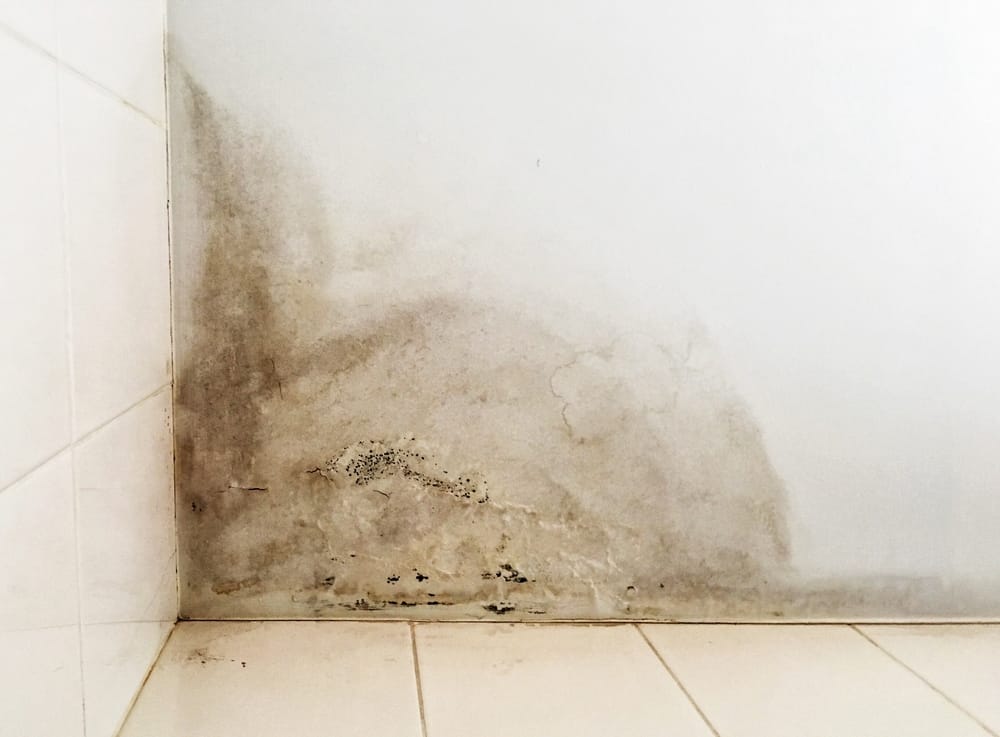
The homes in Manhasset Hills were built between the 1940s and 1960s — and nearly all of them were. That’s not a knock on the neighborhood. It’s just the reality that split-levels and ranch-style homes from that era weren’t designed with today’s vapor barriers, insulation standards, or ventilation requirements. Basements that have absorbed decades of Long Island humidity, attics with original insulation that holds moisture like a sponge, crawl spaces that haven’t seen daylight since the Eisenhower administration — these are the conditions that make mold a recurring problem here, not a fluke.
When we complete professional mold remediation in Manhasset Hills correctly, the air in your home changes. The musty smell that you’ve been chalking up to “old house” goes away. The respiratory irritation that follows your family into winter — when the windows are shut and the air just recirculates — stops being a mystery. For a community with as many healthcare workers as Manhasset Hills has, that’s not a small thing. You already understand what prolonged mold exposure does to airways, to immune systems, to kids.
There’s also the financial side. With homes in Manhasset Hills averaging over $1.1 million, a mold problem discovered during a buyer’s inspection isn’t just an inconvenience — it’s a negotiating crisis. Documented, lab-confirmed remediation with post-clearance testing gives you something real to hand to a real estate attorney or an insurance adjuster. Not a verbal assurance. Actual proof.
We’ve been working in Nassau and Suffolk County homes for 31 years. That’s not a corporate talking point — it’s just a fact about a company that has been doing this work on Long Island since before most of the current competitors in this market existed. We know the housing stock in Manhasset Hills. We know what the basements look like in the Cherrywood Homes development. We know what happens to attic insulation in a North Shore winter when ice dams push meltwater through a roofline that’s been weathering nor’easters for six decades.
Every technician on our team is IICRC-certified — not just the owner, not just the crew leads. Every single person who enters your home. We’re also fully licensed under New York State’s mold remediation requirements, which is more than can be said for every company showing up in local search results. Some of what ranks for “mold removal near Manhasset Hills” are aggregator websites with out-of-state phone numbers routing your call to whoever picks up. We’re a real Long Island company, and we’re accountable to the people we serve in Manhasset Hills.
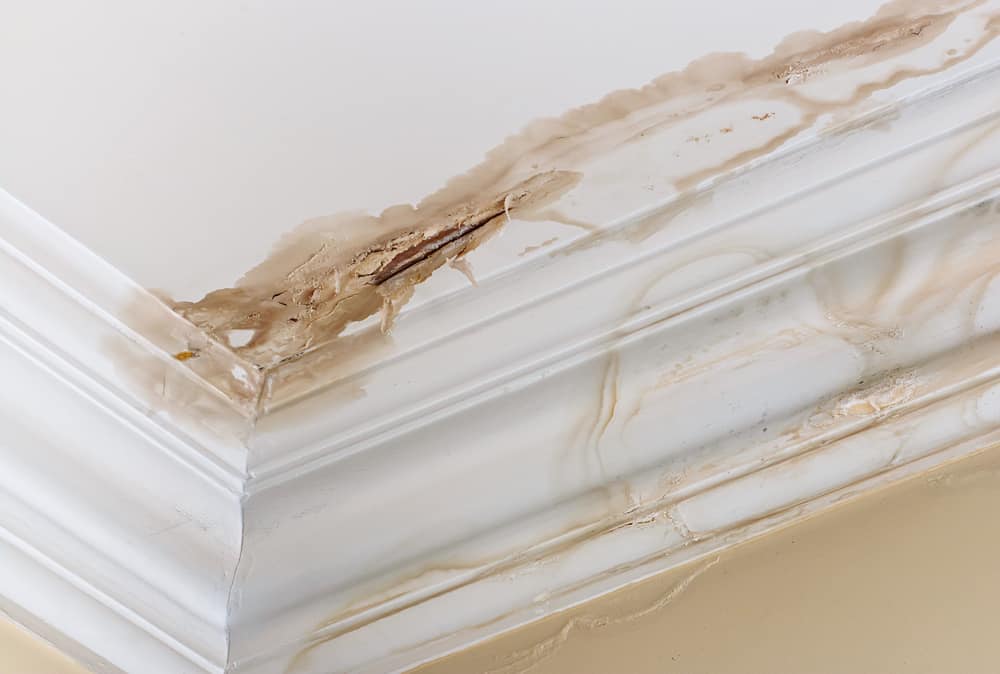
It starts with inspection — and not just a visual walkthrough. Our certified technicians run a five-step assessment that includes air sampling, surface swab sampling, non-invasive moisture measurement, and boroscopic wall cavity examination. That last one matters in homes like yours. A boroscope lets us look inside wall cavities without tearing anything open, which is how we find mold that’s been growing behind drywall for months without a single visible sign. All samples go to an independent lab. Results come back in two to three business days, with chain-of-custody documentation that holds up in an insurance claim or a real estate transaction.
Once we know what we’re dealing with, remediation begins. We set up containment to prevent cross-contamination. Affected materials are removed and disposed of properly. HEPA air filtration runs throughout the process. We also address the moisture source — because mold removal in Manhasset Hills that ignores the underlying water intrusion problem is just a temporary fix. Whether that’s a failed basement waterproofing system, a slow roof leak from ice dam damage, or an HVAC condensation issue, we handle the water damage side as well.
After remediation, we run post-clearance testing using the same air and surface sampling protocol from the initial inspection. The results go back to the lab. If the numbers don’t confirm that mold levels have returned to normal, we’re not finished. New York State’s mold remediation licensing requirements mean we operate under real regulatory accountability — and our process reflects that.
Ready to get started?
We handle residential mold removal in Manhasset Hills across the full range of what these homes actually deal with — basement mold removal after storm-driven flooding or hydrostatic pressure, attic mold removal from ice dams and inadequate ventilation, bathroom mold removal from years of humidity with no mechanical exhaust, and crawl space mold removal in ranch-style homes where moisture has nowhere to go. We also handle commercial mold removal in Manhasset Hills for any business properties in the area along Marcus Avenue, New Hyde Park Road, or the surrounding corridors.
Every job includes the five-point inspection protocol, lab-confirmed sampling, containment, HEPA filtration, material removal, moisture source correction, and post-remediation clearance testing. That documentation — the chain-of-custody report, the lab results, the clearance certificate — is yours to keep. It’s what satisfies home inspectors, insurance adjusters, and real estate attorneys in a market where your home is worth over a million dollars and the stakes of getting this wrong are real.
For jobs covered under homeowners insurance, we offer up to $500 toward your out-of-pocket deductible. No other mold removal company identified in this area offers that. It’s not a gimmick — it’s a straightforward way to reduce the financial stress of an already stressful situation, and it reflects how we think about working with homeowners in Manhasset Hills who are navigating a claim while also trying to protect a significant asset.
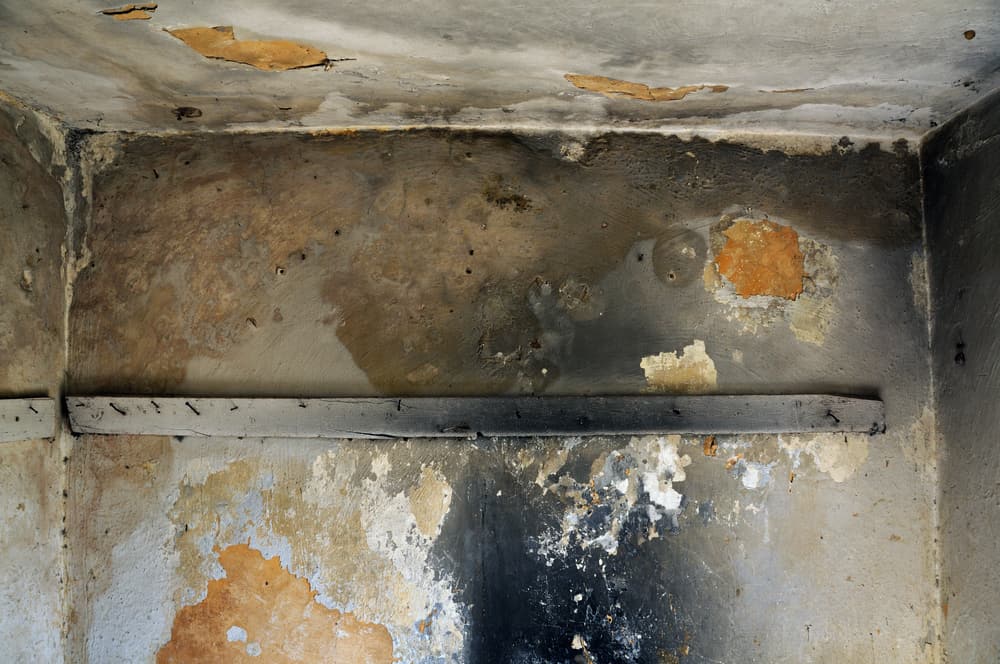
Mold can begin growing within 24 to 48 hours of water intrusion — and that window doesn’t pause for weekends or holidays. In Manhasset Hills, where the majority of homes have basements and the area sits in Nassau County’s path for nor’easters and heavy spring rain events, basement flooding is one of the most common triggers for mold growth we see. Hydrostatic pressure from saturated ground pushes water through foundation walls and floor joints in homes that have been managing that pressure for 50 or 60 years.
The practical implication is that you should not wait to call after a flood. Even if the water appears to have dried on its own, moisture trapped inside wall cavities, under flooring, or in insulation continues to feed mold growth long after the surface looks dry. We operate 24/7 for exactly this reason — because the 48-hour clock starts the moment water enters your home, not the next business day.
The national average for mold remediation runs around $2,300, with a range typically between $500 and $7,000 depending on the size of the affected area, where the mold is located, and how much structural material needs to be removed. In Manhasset Hills, where homes are predominantly post-war split-levels and ranch styles with aging basements and original wall systems, the scope can vary significantly — a contained bathroom mold situation is a very different job than attic mold that’s spread across original insulation and sheathing after years of ice dam infiltration.
The most accurate way to know your cost is to get a proper inspection first. Our inspection process includes lab-confirmed sampling, not just a visual estimate, which means the remediation scope is based on actual data rather than a guess. For jobs that go through homeowners insurance, we also offer up to $500 toward your deductible, which reduces your out-of-pocket cost directly. Most homeowners in Manhasset Hills find that the cost of professional mold removal is a fraction of what a failed home sale or a significant price reduction would cost them.
The term “black mold” gets used loosely, and it’s worth being clear about what it actually means. Stachybotrys chartarum — the species most commonly called black mold — is one of several mold types that produce mycotoxins and can cause serious respiratory symptoms, particularly in children, elderly residents, and people with compromised immune systems. Not every dark-colored mold is Stachybotrys, and not every dangerous mold is black. The only way to know what you’re dealing with is lab testing.
In Manhasset Hills, where a significant portion of residents work in healthcare — many at North Shore University Hospital in adjacent Manhasset — the health implications of mold exposure are generally well understood. What’s sometimes underestimated is how effectively mold hides in the wall cavities and attic spaces of older homes. You can have a serious mold problem with no visible growth at all. Our boroscopic wall cavity examination and air sampling protocol are specifically designed to find what a visual inspection misses, and our lab results tell you exactly what species you’re dealing with and at what concentration.
No — and this is something every Manhasset Hills homeowner should know before hiring anyone. New York State law explicitly prohibits the same company from performing both mold assessment and mold remediation on the same property. The law is administered by the NYS Department of Labor and exists specifically to prevent conflicts of interest — a company that both diagnoses the problem and profits from fixing it has an obvious incentive to overstate the scope.
What this means practically is that you should be skeptical of any single company that offers to test your home and then immediately quote you for remediation in the same visit without disclosing how they’re structured to comply with this law. We operate within these requirements. Our mold inspection process uses certified assessors, and our remediation team is separately licensed under the state’s mold remediation contractor requirements. If a company you’re speaking with doesn’t know this law exists or can’t explain how they comply with it, that’s a red flag worth paying attention to.
It depends on the cause. Most homeowners insurance policies in New York cover mold removal when the mold resulted directly from a covered peril — a burst pipe, storm-related water intrusion, or an appliance failure, for example. What most policies do not cover is mold that resulted from long-term neglect, gradual leaking, or flooding from an external water source, which typically requires separate flood insurance.
In Manhasset Hills, where homes are aging and basement water intrusion from nor’easters and spring groundwater is common, the cause of the mold matters a great deal for your claim. Our chain-of-custody documentation and lab-confirmed inspection reports are structured to meet insurance company evidence standards, which makes the claims process significantly more straightforward. We also offer up to $500 toward your deductible on covered mold, water, or fire-related claims — so if your policy does apply, your out-of-pocket exposure is reduced from the start.
The job is finished when the post-remediation clearance testing confirms it — not when the technician says it looks good. After completing remediation, we run the same air and surface sampling protocol used in the initial inspection. Those samples go to an independent laboratory. If the results show that mold levels have returned to normal background concentrations, you receive a clearance certificate with the lab documentation attached. If they don’t, we continue the work.
This matters especially in Manhasset Hills, where homes routinely go through the real estate transaction process at values between $800,000 and $1.8 million. A buyer’s inspector, a real estate attorney, or an insurance underwriter is not going to accept a verbal assurance that mold remediation was completed. They want documentation. The clearance certificate and lab report we provide are exactly what satisfies that requirement — and they’re yours to keep for the life of your ownership, whether you’re staying in the home or eventually selling it.
Useful Links
Other Services we provide in Manhasset Hills