
Mold Removal in Mattituck, NY
Coastal Living Means Mold Finds More Ways In
Hear from Our Customers
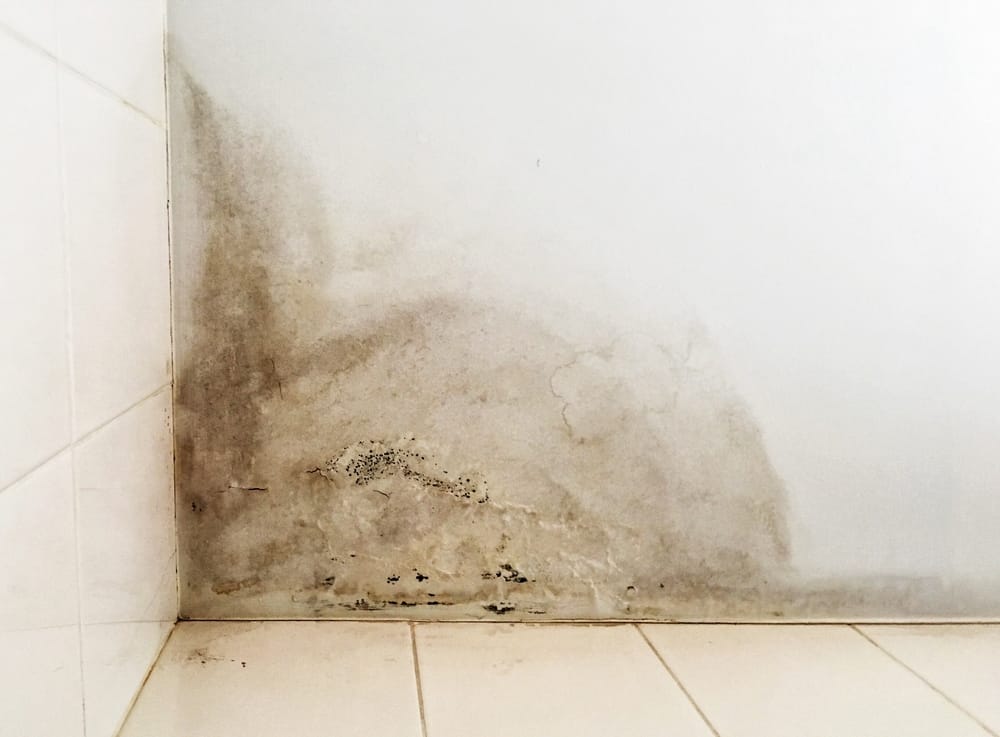
Residential Mold Removal Mattituck NY
The air feels different. You stop second-guessing the smell in the basement. You stop wondering if the cough that won’t quit has something to do with the house. When mold is properly removed not painted over, not masked your home becomes what it’s supposed to be again.
For Mattituck homeowners, that matters more than most people realize. A lot of homes here were built in the 1960s or earlier, and many sit within a short distance of Mattituck Inlet or Peconic Bay. That combination aging construction and constant coastal moisture means mold doesn’t just show up after a flood. It builds quietly inside crawl spaces, behind wall cavities, and under attic decking over months or years. Getting it out completely is the only outcome worth paying for.
There’s also the property value side of this. With median home values around $521,000 in Mattituck, unresolved mold isn’t just a health issue it’s a liability. New York real estate disclosure requirements mean a known mold problem can stall or kill a sale. A fully documented, professionally remediated home is a protected asset.
Mold Removal Companies Mattituck NY
First Response Restoration and Cleaning Inc. has been serving Long Island homeowners for over three decades. That’s not a number we throw around to sound impressive it’s what tells you we’ve seen the full range of what water and mold can do to a home in Mattituck and surrounding areas, and we’re still here because we handle it correctly.
We’re IICRC-certified under the ANSI/IICRC S520 Standard for Professional Mold Remediation, and fully licensed under New York State Article 32 of the NY Labor Law which has required mold remediation contractors to hold a state-issued license since 2016. We’re also bonded and fully insured. These aren’t optional extras. They’re the baseline for doing this work legally and correctly in New York.
We’ve worked throughout Suffolk County, including homes along the Sound Avenue corridor and properties near Mattituck Inlet that deal with the kind of recurring moisture issues that come with living on the North Fork. We know this area, and we know what it does to a house over time.
Professional Mold Removal Services Mattituck NY
It starts with a thorough assessment. Before anything gets touched, we identify where the mold is, where the moisture is coming from, and how far the growth has spread. In older Mattituck homes especially those with crawl spaces, uninsulated attics, or original wall framing that assessment matters more than people expect. Mold rarely stays where you first see it.
Once the scope is clear, we contain the affected area using negative air pressure to prevent spores from spreading to unaffected parts of your home. Then we get into the actual remediation: removing contaminated materials, treating surfaces with EPA-registered products, and running HEPA air scrubbers that pull particles as small as 0.3 microns out of the air. Every step follows the ANSI/IICRC S520 standard not a shortcut version of it.
After remediation, we don’t just pack up and leave. We verify the work through air quality testing and clearance checks to confirm the problem is resolved. If your situation involves an insurance claim which is common after the kind of storm surge and flooding events Mattituck sees we coordinate directly with your carrier, documenting everything they need to process the claim. You get a clean home and one less thing to manage.
Ready to get started?
Toxic Mold Cleanup Mattituck NY
Basement mold removal is one of the most frequent calls we get from Mattituck homeowners, and it makes sense. The water table on the North Fork sits high, and when a nor’easter pushes water up through Mattituck Creek or storm surge rolls in from the Sound, basements and crawl spaces take the hit first. We handle full basement mold removal and crawl space mold removal including the moisture source, not just the visible growth.
Attic mold removal is the other side of the coin. Older homes along Sound Avenue and the surrounding corridors often have attic spaces with inadequate ventilation, and when warm interior air meets a cold roof deck in winter, condensation builds up over months. By the time it’s visible, the growth is usually more extensive than it looks from the hatch. We assess the full attic, treat it properly, and address the ventilation issue so it doesn’t come back.
We also handle bathroom mold removal, commercial mold removal for Mattituck’s wineries, farm operations, and rental properties, and full black mold removal for situations involving Stachybotrys after prolonged water exposure. Every job residential or commercial is approached the same way: find it all, remove it correctly, and make sure it’s verified before we close the job.
Why does mold keep coming back in my Mattituck basement every year?
Recurring basement mold in Mattituck almost always traces back to the same root cause: moisture that was never fully addressed. The water table on the North Fork is high, and properties near Mattituck Inlet or Peconic Bay are especially prone to seasonal groundwater intrusion that seeps through basement slabs and crawl space floors. If the mold was cleaned without fixing the moisture source whether that’s a drainage issue, a failing sump pump, or inadequate vapor barrier it will come back.
The other common factor is that mold remediation done without proper containment or HEPA filtration often leaves spores behind in the air and on surrounding surfaces. Those spores settle, find moisture, and the cycle starts again. A proper remediation job addresses both the growth and the conditions that allowed it and that’s the only way to break the pattern. If you’ve had mold removed before and it returned, the first question to ask is whether the original job included a moisture assessment and a clearance test.
How much does professional mold removal typically cost in Mattituck, NY?
Mold removal costs in Mattituck vary based on the size of the affected area, the type of mold, and how far the growth has spread into structural materials. For a contained bathroom or small area, you’re generally looking at $500 to $1,500. Basement mold removal and crawl space mold removal which are the most common scenarios on the North Fork typically run $1,500 to $6,000 depending on scope. Attic mold removal, which often involves more square footage and structural material, can range from $1,000 to $4,000 or more.
What affects cost most is how long the moisture problem went undetected. In Mattituck, where a meaningful portion of homes are used seasonally or sit vacant during winter months, it’s not uncommon to find mold that’s been growing for months before anyone noticed. The longer it goes, the more material is affected, and the more the remediation scope grows. Getting an assessment early even if you’re not sure you have a problem is almost always cheaper than waiting until it’s obvious.
Is mold remediation in Mattituck covered by homeowners insurance?
It depends on what caused the mold, and the answer matters a lot for North Fork homeowners who often carry multiple policies. Standard homeowners insurance typically covers mold remediation when it results from a covered peril like a burst pipe, a roof leak after a storm, or sudden water damage. It generally does not cover mold that developed from long-term moisture buildup, deferred maintenance, or gradual seepage.
Many Mattituck homeowners also carry flood insurance through the National Flood Insurance Program (NFIP), which is separate from standard homeowners coverage and has its own rules about what qualifies. After a coastal flooding event storm surge from the Sound, tidal backup through Mattituck Creek you may be dealing with two separate claims under two separate policies. That’s a complicated situation to navigate on your own. We work directly with insurance carriers, document the damage in the format adjusters need, and help you understand what’s covered before the work begins. We’ve handled enough post-storm claims on the North Fork to know how to move through the process efficiently.
What's the difference between mold removal and mold remediation?
These two terms get used interchangeably, but they’re not quite the same thing. Mold removal refers to the physical act of taking mold out of a space removing contaminated drywall, cleaning surfaces, treating materials. Mold remediation is the full process: assessment, containment, removal, air filtration, verification, and addressing the moisture source that caused the growth in the first place.
The distinction matters because mold removal without remediation is incomplete. If you remove the visible mold but don’t address the moisture, don’t filter the air, and don’t verify through clearance testing that spore levels are back to normal, you haven’t solved the problem you’ve just delayed it. Under New York State Article 32, licensed mold remediation contractors are required to follow a documented process that goes well beyond surface cleaning. That legal framework exists for a reason: incomplete mold work in an older home with hidden cavities and persistent coastal moisture which describes a lot of Mattituck’s housing stock can leave a family exposed to ongoing health risks without even knowing it.
How do I know if I have black mold, and is it more dangerous than other types?
Black mold specifically Stachybotrys chartarum gets a lot of attention, and some of it is warranted. It’s a toxigenic mold that produces mycotoxins and tends to grow in areas with prolonged, severe moisture exposure: flooded basements, water-damaged wall cavities, crawl spaces that have been wet for extended periods. Those are exactly the conditions that show up in Mattituck homes after a major flooding event or an undetected pipe failure in a seasonally vacant property.
That said, many other mold species are also harmful and require professional remediation they’re just not as visually alarming. Cladosporium, Aspergillus, and Penicillium are common indoor molds that can cause significant respiratory issues, especially for older adults and anyone with asthma or allergies. Given that Mattituck’s median resident age is 49 and many homeowners are retirees spending significant time at home, the health stakes of any mold problem not just black mold are real. The only way to know what you’re dealing with is through proper testing and assessment, not a visual guess.
Can I stay in my home during mold remediation, or do I need to leave?
It depends on the size and location of the affected area. For a small, contained bathroom or closet job, you can often remain in the home as long as the remediation area is properly sealed off. For larger jobs significant basement mold removal, attic mold removal, or any situation where mold has spread through a major portion of the living space temporary relocation is usually the safer call, particularly for anyone with respiratory sensitivities, young children, or elderly family members in the home.
During remediation, we establish negative air pressure containment barriers that prevent spores from migrating into unaffected areas. HEPA air scrubbers run continuously throughout the job. Even with these controls in place, a home with active remediation work happening in a basement or crawl space will have elevated dust and activity that most people are better off avoiding for the duration. We’ll give you a straight answer about what’s realistic for your specific situation during the assessment not a blanket answer designed to make scheduling easier for us.
Useful Links
Other Services we provide in Mattituck