
Hear from Our Customers
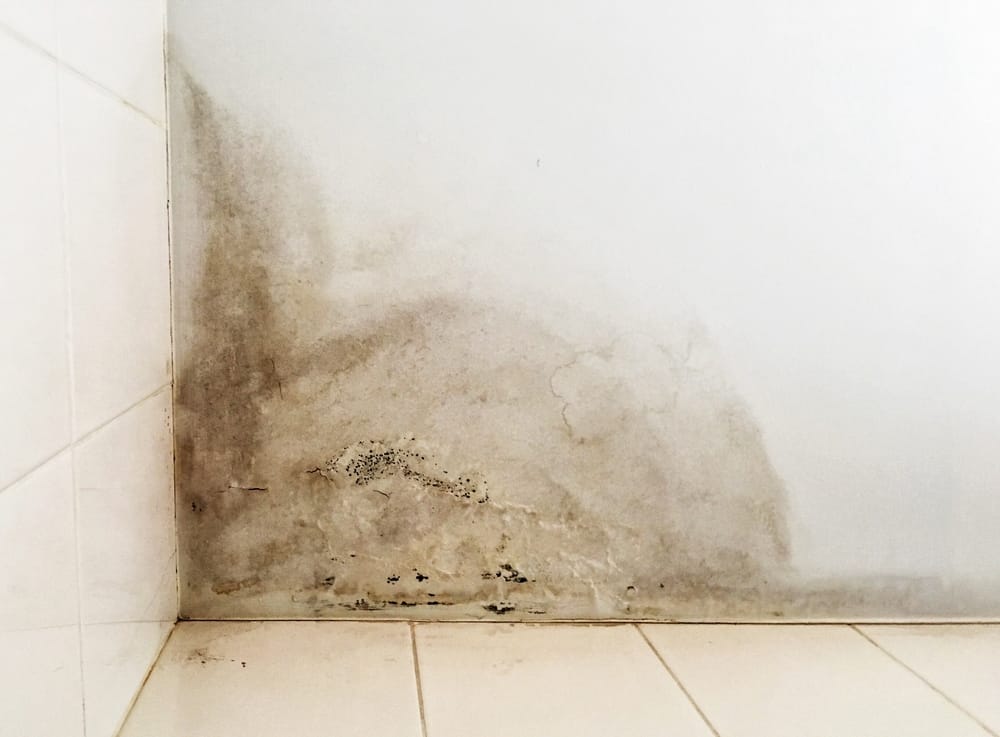
Finding mold is stressful enough. What makes it worse is not knowing how far it’s spread — especially in a home where the walls are plaster, the basement is stone, and the attic spans thousands of square feet. The goal of professional mold remediation isn’t just to remove what you can see. It’s to find what you can’t, eliminate it completely, and give you documented proof that it’s gone.
Mill Neck’s geography makes this more complicated than it sounds. Surrounded by Oyster Bay Harbor, Mill Neck Bay, and Cold Spring Harbor on three sides, properties here face a level of ambient moisture and storm exposure that most Nassau County communities don’t. Salt air accelerates the deterioration of window seals and roofing. Coastal humidity keeps interior moisture levels elevated through the summer. And when a nor’easter pushes water against a 100-year-old foundation, the results show up weeks later — behind walls, under flooring, and inside wall cavities where no flashlight reaches.
After a proper remediation, you’re not left guessing. You have lab-confirmed clearance results, documented chain-of-custody reports, and the confidence that the moisture source — not just the mold — has been addressed. That’s the difference between a fix that lasts and one that doesn’t.
We’ve been handling mold, water damage, and restoration work across Nassau and Suffolk Counties for over three decades. That’s 31 years of working in the specific building types, coastal conditions, and regulatory environment that Long Island homeowners actually live with — including the estate properties and older construction that define Mill Neck and the broader Oyster Bay area.
What sets us apart isn’t just tenure. Every single technician who walks into your home holds IICRC certification — not just the supervisor, not just the owner, but every member of the crew. That’s a standard most companies in this space don’t hold themselves to, and it’s non-negotiable for us.
We’re also fully licensed under New York State Department of Labor requirements for both mold inspection and mold remediation, and we operate 24/7. When water gets into a waterfront property at 2 a.m. during a nor’easter, the 48-hour clock on mold growth doesn’t wait for business hours — and neither do we.
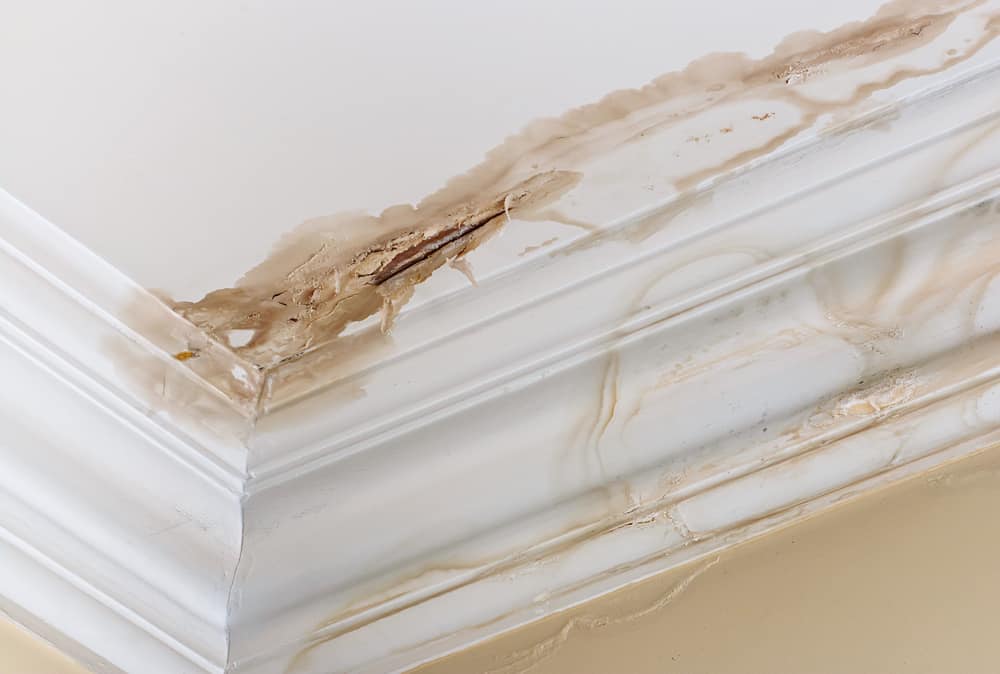
It starts with a thorough inspection — not a quick walkthrough. We use a 5-point protocol that includes certified technician assessment, air sampling, surface swab sampling, boroscopic wall cavity examination, and non-invasive moisture measurement. That boroscopic step matters a lot in Mill Neck, where plaster walls and original wood framing in older estate homes can hide mold colonies that a standard visual inspection would completely miss.
Samples are sent to an accredited lab with chain-of-custody documentation — the kind that holds up for insurance claims and real estate transactions. Results come back in 2 to 3 business days. From there, a remediation plan is built around what the data actually shows, not assumptions.
During remediation, the affected area is contained under negative air pressure, HEPA filtration runs throughout the job, and all mold-affected materials are properly removed and treated. Because we also handle water damage restoration, the underlying moisture source gets addressed in the same engagement — not handed off to another contractor. Once the work is done, post-remediation clearance testing confirms the results. You get a documented lab report, not a verbal assurance. For properties in Nassau County’s flood-prone North Shore corridor, that documentation isn’t optional — it’s the whole point.
Ready to get started?
We handle the full scope of mold-related work — inspection, remediation, clearance testing, and the water damage restoration that causes most mold problems in the first place. For Mill Neck homeowners managing large estate properties, that full-service capability matters. A 10,000-square-foot home with a sprawling basement, multiple attic spaces, a carriage house, and a crawl space isn’t a standard job, and it shouldn’t be treated like one.
Our specific services include toxic and black mold removal, attic mold removal, basement mold removal, crawl space mold removal, and bathroom mold cleanup — all performed by IICRC-certified technicians under proper containment protocols. Air and surface sampling is included at both the inspection and post-remediation clearance stages, with lab documentation produced at each step. For homeowners navigating an insurance claim after a storm event or flooding, we work directly with adjusters and provide the chain-of-custody documentation that supports the claim.
We also offer a deductible coverage program that provides up to $500 toward your out-of-pocket deductible costs — something no other mold remediation company found in the Mill Neck area offers. New York State law also requires that the company performing mold testing and the company performing remediation be separately licensed — we can walk you through how that works before any work begins, so you’re protected from the start.
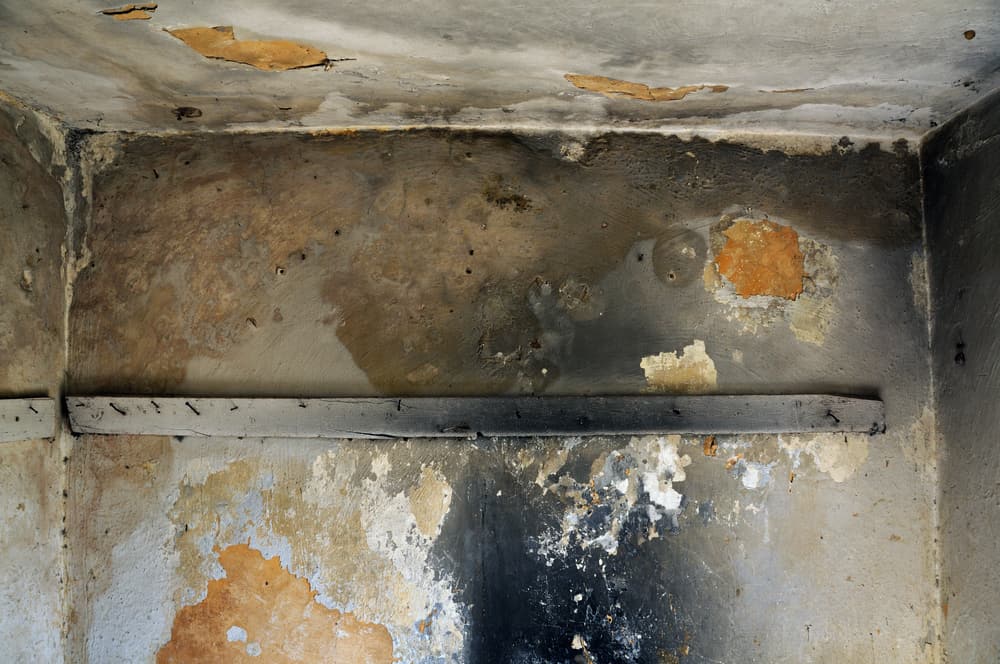
Yes — and the timeline is shorter than most people expect. Mold can begin growing within 24 to 48 hours of water intrusion, which means a flooding event during a nor’easter or a storm surge from Oyster Bay Harbor doesn’t give you much of a window. By the time the water recedes and you’re assessing the damage, the conditions for mold growth may already be in place.
This is especially relevant for Mill Neck properties because of the village’s three-sided waterfront exposure. Water doesn’t just come in through one direction — it can infiltrate through aging foundation walls, deteriorating window seals, and crawl spaces that weren’t built with modern waterproofing. If your property has experienced any flooding, even minor, it’s worth having it inspected before the 48-hour mark becomes a mold problem that requires full remediation. The faster you call, the more options you have.
The national average for mold remediation runs around $2,300, but that number reflects smaller, more straightforward jobs. For the larger estate properties common in Mill Neck and the surrounding Oyster Bay area, the actual cost depends on the square footage affected, the number of spaces involved — basement, attic, crawl space, outbuildings — and the extent of any underlying water damage that needs to be addressed alongside the mold.
Professional mold removal typically runs $10 to $25 per square foot for standard spaces, and $15 to $30 per square foot for areas like attics and crawl spaces where access is more difficult. Before any work begins, you should receive a written, itemized estimate that clearly outlines what’s included — containment, HEPA filtration, removal, treatment, and post-remediation clearance testing. If a company gives you a number without walking through the scope first, that’s a red flag. We also offer up to $500 toward your deductible if you’re filing an insurance claim, which helps offset out-of-pocket costs.
No — and this is something every homeowner in Mill Neck should know before hiring anyone. New York State law prohibits the same licensed company from performing both mold assessment and mold remediation on the same property. This consumer protection law exists specifically to prevent conflicts of interest: a company that profits from remediation has a financial incentive to find mold even when the problem is minor or nonexistent.
In practice, this means your mold assessment needs to be performed by a separately licensed assessor, and the remediation work is performed by a separately licensed remediator. We’re fully licensed under New York State Department of Labor requirements and operate within this legal framework. We’ll walk you through the correct sequence before any work starts — so you understand your rights, the process is done legally, and your documentation holds up if you need it for an insurance claim or a real estate transaction.
Attic mold is a winter-specific problem, and it’s particularly common in the older, larger homes that define Mill Neck’s housing stock. The mechanics are straightforward: warm, moist interior air rises and finds its way into attic spaces. When that air hits cold roof decking — especially in a home built before modern vapor barriers and insulation standards existed — condensation forms on the wood. That moisture, combined with the organic material of the wood itself, creates exactly the conditions mold needs to grow.
The problem is that it often develops invisibly through the winter and isn’t discovered until spring, by which point it may have spread across large sections of the attic decking. In a Gold Coast–era estate with a complex roofline, multiple dormers, and an attic spanning thousands of square feet, the affected area can be significant before anyone notices. A properly ventilated attic with adequate insulation can reduce this risk, but if you’re seeing dark staining on attic decking or noticing a musty smell in upper-floor rooms during late winter or spring, it’s worth having it inspected.
This is one of the most common concerns for homeowners dealing with older construction — and it’s a legitimate one. Mold inside wall cavities doesn’t always produce visible signs on the surface, especially in homes with plaster walls, which are common in the estate properties throughout Mill Neck. You might notice a persistent musty smell, unexplained allergy symptoms that improve when you leave the house, or visible moisture staining that suggests water has been getting in somewhere.
The most reliable way to check without destructive opening is boroscopic wall cavity examination — a technique that uses a small camera inserted through a minimal access point to view inside the wall cavity directly. We include this as part of our 5-point inspection protocol. Combined with air sampling and non-invasive moisture measurement, it gives a clear picture of what’s happening inside the wall without requiring you to tear out drywall or plaster based on a guess. If mold is found, the remediation plan is built around the actual findings — not a worst-case assumption.
It does — and in a market like Mill Neck, the financial stakes are significant. Research consistently shows that mold issues can reduce a home’s resale value by 20 to 37 percent, and roughly half of interested buyers walk away entirely once mold is disclosed. On a property valued at $3 million or more — which is not unusual in Mill Neck, where sale prices run 3 to 4 times the Nassau County average — that’s a potential loss of $600,000 to over $1 million.
The good news is that properly documented remediation actually works in your favor during a sale. Buyers and their attorneys want to see lab-confirmed clearance results, chain-of-custody documentation, and a clear record of what was found and how it was addressed. That paper trail is what converts a liability into a non-issue during due diligence. If you’re planning to list a property, having a professional mold inspection completed before listing — with full documentation — puts you in a much stronger position than disclosing a problem without a resolution on record.
Useful Links
Other Services we provide in Mill Neck