
Hear from Our Customers
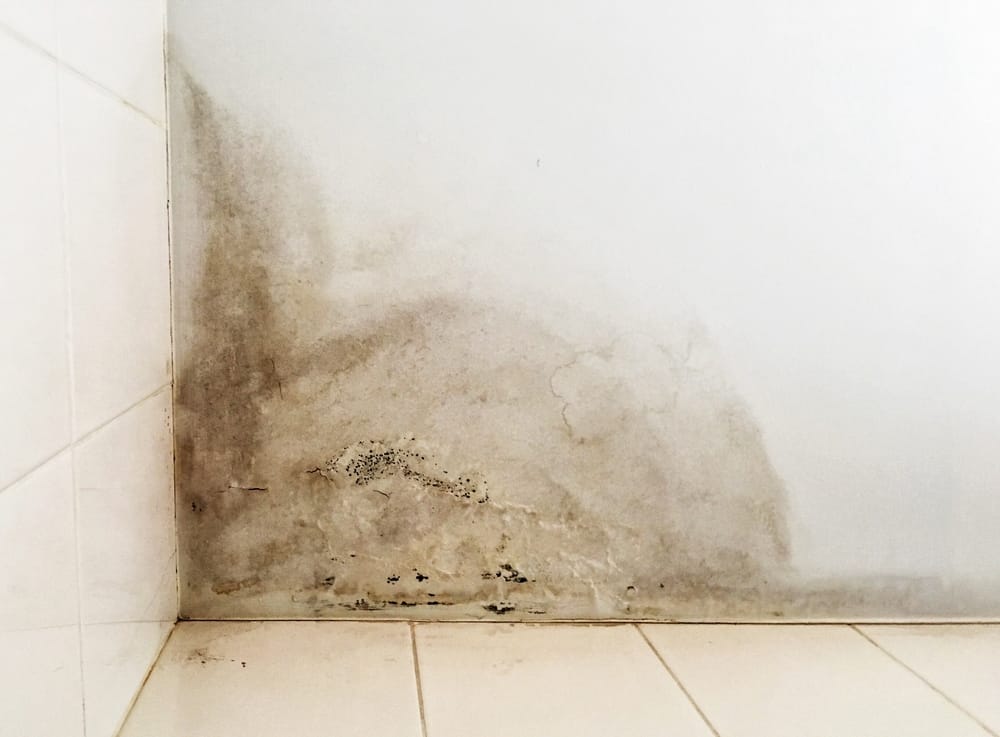
When mold takes hold in a North Amityville home — especially in the basements and crawl spaces of the ranch-style and Cape Cod homes that make up most of the neighborhood — it doesn’t stay put. It moves through wall cavities, into HVAC systems, and up into living spaces. The health impact follows. Mold exposure is directly linked to respiratory issues, worsening asthma, and chronic sinus problems. With nearly 39% of households in North Amityville having children under 18, that’s not a statistic to take lightly.
Professionally remediated mold means your home’s air quality is actually clean — not just surface-treated. It means the moisture pathway that fed the growth has been identified and addressed, not painted over. For a post-war home in North Amityville or anywhere along the South Shore, that matters more than it would in a newer build, because these homes have had decades to develop the cracks, settling, and degraded waterproofing that let moisture in quietly and consistently.
The difference you feel after proper mold removal is real — better air, no musty smell, no visible growth creeping back in three months. That’s what professional mold remediation in North Amityville actually delivers when it’s done right.
We’re headquartered in West Babylon — the community directly next to North Amityville, within the same Town of Babylon. That’s not a coincidence. We’ve been working in these neighborhoods for over three decades, which means we understand the specific conditions that drive mold problems here: the South Shore’s persistently high water table, the aging foundation walls in homes built between the 1940s and 1970s, and the seasonal flooding that hits North Amityville basements hard every spring.
We’re IICRC-certified under the ANSI/IICRC S520 Standard for Professional Mold Remediation and fully licensed under New York State’s Article 32 — the state law that has required mandatory mold remediation licensing since 2016. We’re also licensed, bonded, and insured. Our Suffolk County line — 631-587-5300 — connects you to a live person, not a voicemail, any time of day or night.
Customers consistently point to one thing: the estimate they received was the price they paid. No upsells, no surprises. In a community like North Amityville, where trust is earned and reputation matters, that’s the only way we know how to operate.
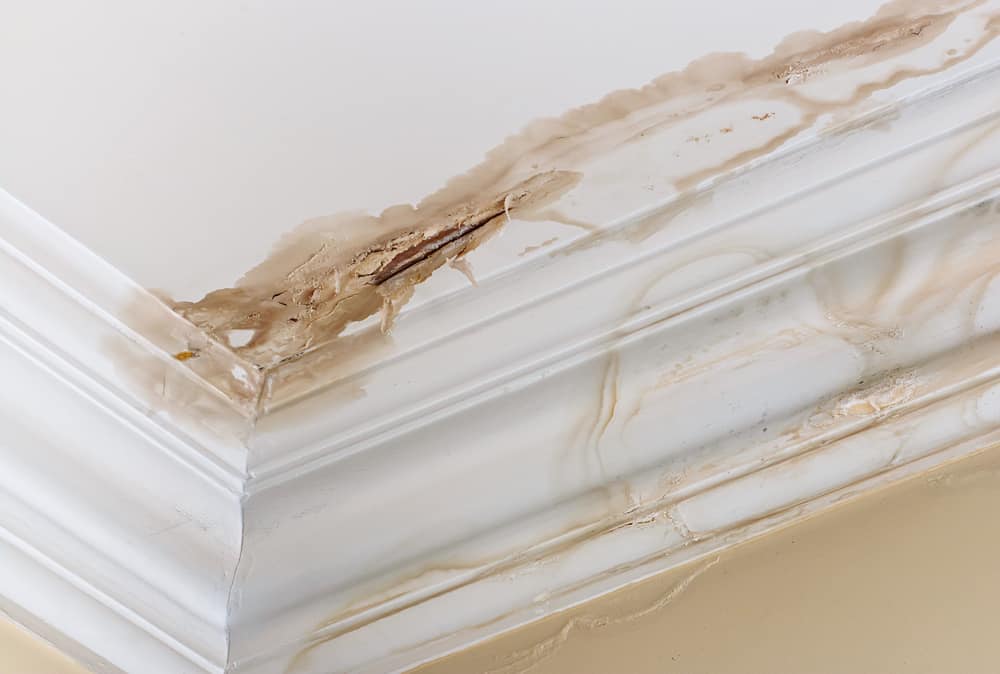
It starts with a thorough inspection. We use moisture detection equipment to find where water is actually entering the structure — not just where the visible mold is growing. In North Amityville’s older housing stock, that often means checking the basement slab, foundation walls, crawl spaces, and attic insulation, because the source is rarely obvious and rarely in just one place.
Once we know what we’re dealing with, we set up proper containment. That means negative air pressure barriers to keep spores from spreading to unaffected areas of your home during the removal process. In a densely populated hamlet like North Amityville — where homes sit close together and many properties have shared wall systems or adjacent structures — containment isn’t optional. It’s the difference between solving the problem and making it worse.
From there, we physically remove mold-affected materials, treat the structure with appropriate antimicrobial agents, and run HEPA air filtration throughout the space. If your remediation involves removing drywall, insulation, or structural materials — which is common in homes this age — we handle the documentation required for Town of Babylon building permits and work with your insurance carrier to support the claim. When we leave, we verify the results. You get a clean space, not just a cleaner-looking one.
Ready to get started?
Mold doesn’t show up the same way in every home, which is why a one-size approach doesn’t work here. In North Amityville, we regularly handle black mold removal in basements that have been dealing with slow water intrusion for years, attic mold in Cape Cod homes where poor ventilation traps warm, humid air against the roof deck every summer, crawl space mold in ranch-style homes where ground vapor has never been properly managed, and bathroom mold that keeps returning because the underlying moisture issue was never resolved. We also handle toxic mold cleanup in situations where air quality testing confirms elevated spore counts and the remediation scope needs to go further than surface treatment.
For residential mold removal in North Amityville, the process is adapted to the age and construction type of your home. These aren’t new builds with modern vapor barriers and tight envelopes — they’re homes with character and history that require a careful hand and real experience with older materials. We don’t tear out more than necessary, and we don’t leave you with a remediated space that still has an unresolved moisture problem underneath.
We also offer commercial mold removal in North Amityville for multi-family properties, small businesses, and commercial spaces. If you’re managing a rental property or a storefront and dealing with a mold issue, we can work around your schedule and meet the documentation requirements your situation demands.
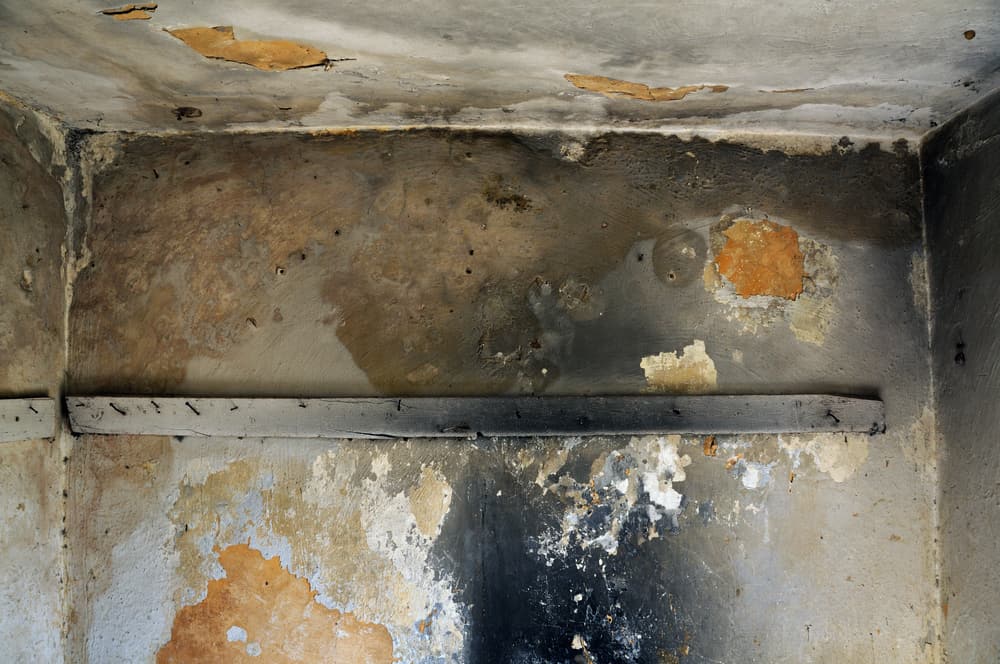
A musty smell — especially in the basement or a closed-off room — is often the first sign. But in North Amityville’s older homes, mold frequently grows inside wall cavities, behind original plaster, and underneath flooring where it’s completely invisible from the surface. If your home has experienced any basement flooding, slow leaks, or you’ve noticed condensation forming regularly on walls or windows, there’s a real possibility that mold has already established itself somewhere you haven’t looked.
The most reliable way to know for certain is a professional inspection using moisture meters and, where warranted, air sampling. These tools detect elevated moisture levels and airborne spore concentrations that your eyes can’t catch. Given the South Shore’s high groundwater table and the age of most homes in North Amityville, we’d always recommend an inspection over guessing — especially if anyone in the household has been experiencing unexplained respiratory symptoms or worsening allergies.
Mold removal cost in North Amityville depends on three main factors: how much area is affected, where the mold is located, and whether structural materials like drywall or insulation need to be removed and replaced. A contained bathroom mold situation might run in the range of $500 to $1,500. A basement or crawl space remediation — which is far more common in South Shore homes — typically falls between $1,500 and $5,000 depending on the extent of the growth and the condition of the underlying structure. Attic mold in a Cape Cod home, where the roof deck and rafters are affected, can push higher depending on square footage.
The most important thing to understand is that the estimate you receive from us is the price you pay. We give you a written quote before any work begins, and we don’t manufacture urgency or add line items after the fact. If your homeowners insurance covers any portion of the remediation — which depends on the cause of the moisture damage — we’ll help you document the claim properly so you’re not leaving money on the table.
Black mold — technically Stachybotrys chartarum — does produce mycotoxins that can cause serious health effects, particularly in people with asthma, respiratory conditions, or compromised immune systems. That said, not every dark-colored mold you see is Stachybotrys, and not every mold situation is equally dangerous. What matters more than the species is the extent of the growth and your level of exposure to it.
In North Amityville, where nearly 40% of households have children under 18 and many homes have basements that have dealt with water intrusion for years, the practical answer is: don’t wait to find out. Prolonged mold exposure — even from less toxic species — is linked to chronic respiratory issues, sinus problems, and worsening asthma. The World Health Organization has connected dampness and mold to 21% of U.S. asthma cases. Whether or not the mold in your basement is technically “toxic,” it doesn’t belong there, and it won’t go away on its own.
It depends on what caused the moisture. If the mold resulted from a sudden, covered event — a burst pipe, an appliance leak, or storm-related water intrusion — your homeowners insurance policy will often cover at least a portion of the remediation. If the mold developed over time from a slow leak or long-term moisture accumulation, most standard policies won’t cover it, because insurers classify that as a maintenance issue rather than a sudden loss.
For North Amityville homeowners, this distinction matters because many of the moisture problems we encounter have a mixed history — a home that’s had minor water intrusion for years finally gets hit with a more significant event, and now the mold is extensive. Documenting the cause correctly is critical to a successful claim. We work directly with insurance carriers and know how to present the damage in a way that accurately reflects what happened and maximizes your coverage. We’ll walk you through what to expect before the adjuster ever shows up.
Because cleaning the surface doesn’t fix the source. This is the most common reason mold returns — someone scrubs the visible growth with bleach or a store-bought cleaner, it disappears for a few weeks, and then it’s back. Surface treatment kills what’s visible but doesn’t address the moisture that’s feeding the growth underneath. In North Amityville’s post-war homes, that moisture source is usually structural: a foundation wall that’s allowing groundwater to seep through, a crawl space with no vapor barrier, or an attic with inadequate ventilation trapping humidity against the roof deck every summer.
Professional mold remediation addresses both the growth and the conditions that allowed it. That means identifying the moisture pathway, physically removing affected materials where necessary, and treating the structure — not just the surface. If the source isn’t resolved, no amount of cleaning will keep it from coming back. That’s why we don’t consider a job done until we’ve traced the moisture to its origin and addressed it as part of the remediation scope.
“Mold removal” is the common term people search for, but technically, it’s not fully accurate — you can’t remove every mold spore from a home because mold spores exist naturally in the air everywhere. What professional mold remediation actually does is bring the mold levels in your home back down to normal, safe concentrations by physically removing affected materials, containing and filtering airborne spores, and treating the structure to prevent regrowth.
In practical terms for a North Amityville homeowner, the distinction matters because it sets realistic expectations. A company that promises to “remove all mold” from your home is making a claim that isn’t scientifically possible. What we promise is that the affected areas will be remediated to the standards set by the ANSI/IICRC S520 — the same standard used by commercial and institutional remediation teams — and that the conditions driving the growth will be addressed so it doesn’t come right back. That’s what actually solves the problem.
Useful Links
Other Services we provide in North Amityville