
Mold Removal in Port Jefferson, NY
Harbor Air and Old Homes Don't Forgive Mold
Hear from Our Customers
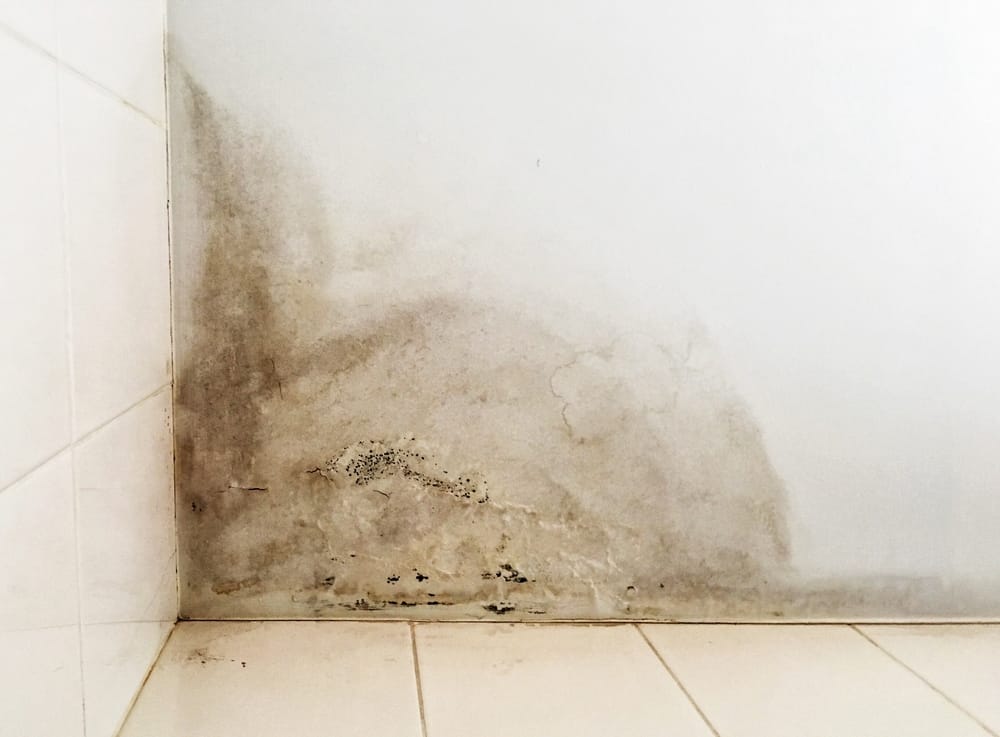
Residential Mold Removal Port Jefferson, NY
Mold doesn’t announce itself. It hides behind walls, under floors, inside attic cavities and by the time you smell it or see it, it’s usually been growing for a while. When it’s properly removed, not just sprayed and covered, the difference is real. The air feels different. The space stops triggering headaches and congestion. And you stop wondering what’s behind that wall.
In Port Jefferson, that outcome takes on a specific weight. A significant share of homes here were built before 1940 original plaster walls, older wood framing, crawl spaces without modern vapor barriers. Those structures hold moisture in ways newer builds don’t, which means mold has more places to take hold and more time to spread before anyone notices. Getting it fully out of a home like that requires more than a surface treatment.
Then there’s the harbor. Properties near Lower Port and the waterfront deal with persistent marine air year-round the kind of baseline humidity that keeps mold conditions active even when there hasn’t been a visible water event. After proper remediation, with the source addressed and the affected materials removed, that cycle finally stops. Your home can actually dry out and stay that way.
Mold Removal Companies in Port Jefferson, NY
First Response Restoration and Cleaning Inc. has been serving Nassau and Suffolk County homeowners since the early 1990s. That’s not a number pulled from a marketing sheet it’s three decades of showing up for Long Island properties through nor’easters, post-storm flooding, and everything in between. Companies that cut corners don’t last 31 years in a referral-driven market.
Every technician on our team is IICRC-certified under the ANSI/IICRC S520 standard for professional mold remediation. We hold a New York State Article 32 mold remediation license a legal requirement in this state since 2016 and are fully licensed, bonded, and insured. That matters more than most homeowners realize until something goes wrong with an unlicensed crew.
Port Jefferson’s housing stock from the hillside homes above the harbor to the older properties near Mather Hospital and Belle Terre is exactly the kind of environment we’ve been working in for decades. This isn’t a franchise dispatching whoever’s available. We’re a local company that knows Port Jefferson’s North Shore and treats your home accordingly.
Professional Mold Removal Services Port Jefferson, NY
It starts with a thorough assessment. Before any work begins, one of our certified technicians identifies where the mold is, what’s causing it, and how far it’s spread. In Port Jefferson’s older homes, that often means looking beyond the obvious inside wall cavities, in attic spaces where condensation collects against aging roof decking, and in crawl spaces where ground moisture has no real barrier to stop it.
Once the scope is clear, containment goes up. Negative air pressure is established to prevent spores from migrating into unaffected areas of your home during the removal process. This isn’t optional it’s required under the ANSI/IICRC S520 standard, and it’s the step that separates a real remediation from a cosmetic one. Affected materials are physically removed, not treated in place and left to regrow.
After removal, HEPA air filtration clears the space of airborne particulates. The work is then documented for post-remediation verification which matters especially if you’re filing a homeowners insurance claim tied to storm flooding or a burst pipe. New York State’s Article 32 law also requires that mold assessment and remediation be handled by separate licensed entities, so the clearance testing after the job is done by an independent assessor. That’s a built-in check that protects you, and we operate within that framework from start to finish.
Ready to get started?
Toxic Mold Cleanup and Mitigation Port Jefferson, NY
Mold in Port Jefferson doesn’t stick to one room. Basement mold removal is one of our most common calls especially after storm events push groundwater into hillside properties or harbor flooding reaches ground-floor structures near Lower Port. Attic mold removal is just as frequent, particularly in older homes where heating systems push warm air into cold attic spaces and condensation builds on wood decking that’s been there since the mid-20th century. Bathroom mold removal, crawl space mold removal, and black mold removal in walls and behind finishes round out the most common scenarios we handle throughout the village.
Beyond the remediation itself, we handle the full recovery. Water removal, structural drying, dehumidification, and final cleaning including carpet, upholstery, and air duct cleaning are all part of what we do. That matters in a place like Port Jefferson, where mold rarely shows up without a water damage story behind it. You don’t have to coordinate three different contractors during one of the more stressful weeks of your homeownership.
We also offer commercial mold removal in Port Jefferson for the village’s waterfront businesses, restaurants, and property managers dealing with the persistent moisture challenges that come with operating near the harbor. The same certified process, adapted for business environments where downtime is real money.
How much does mold removal cost in Port Jefferson, NY?
The honest answer is that it depends on the scope and scope varies significantly in Port Jefferson’s older housing stock. A contained bathroom mold situation in a newer build is a different job than attic mold removal in a pre-1940 home with original wood framing and no vapor barrier. Generally, mold remediation costs range from around $1,200 on the lower end for smaller, contained areas, up to $4,000 or more for larger spaces like full attics or basements with significant spread. Black mold removal or situations involving structural material replacement will typically fall toward the higher end of that range.
What you should expect from us is a clear estimate before work begins not a low number to get in the door followed by additions once the job is underway. We provide transparent pricing upfront. Customers have specifically noted that the price quoted was the price charged, with no surprises at the end. If your situation involves a homeowners insurance claim which is common after storm flooding near the harbor the documentation we provide can support that process directly.
Is mold common in older Port Jefferson homes, and why?
Yes, and there are a few reasons that are specific to this area. Port Jefferson has a meaningful percentage of homes built before 1940, and the median construction year across the village is 1972. Those older structures were built before modern moisture management standards existed original plaster walls absorb and hold moisture differently than modern drywall, wood framing often lacks vapor barriers, and crawl spaces in hillside properties were typically left unfinished and unprotected against ground moisture infiltration.
Layer on top of that Port Jefferson’s geographic position a harbor town on Long Island Sound’s North Shore, where marine air keeps baseline humidity elevated year-round and you have conditions that make mold a recurring problem rather than a one-time event. The village’s hilly topography also creates drainage patterns that push groundwater toward foundation walls and into basements in ways that flat suburban communities don’t experience. If your home was built before the 1980s and you haven’t had a mold inspection, it’s worth knowing what’s actually in your walls, attic, and crawl space.
What should I do immediately after my Port Jefferson basement floods?
Act fast mold can begin colonizing surfaces within 24 to 72 hours of water exposure. The first priority is stopping the water source if it’s ongoing, then getting standing water removed as quickly as possible. Do not wait to see if it dries on its own. In a basement or crawl space with older construction, moisture absorbs into wood, concrete, and any remaining insulation quickly, and once that happens, surface drying isn’t enough to prevent mold growth underneath.
Once the water is out, the drying process needs to be thorough and verified not just “it looks dry.” Industrial dehumidification and air movers are used to bring moisture levels down to acceptable ranges, and moisture readings are taken at multiple points to confirm the space is actually dry before any restoration work begins. In Port Jefferson, where storm flooding near the harbor and groundwater infiltration in hillside properties are both documented issues, this step is where a lot of DIY attempts fall short. We respond 24/7 and can begin water removal and drying the same day.
Does homeowners insurance cover mold removal in Port Jefferson?
It depends on the cause. Most homeowners insurance policies in New York will cover mold remediation when it results directly from a covered peril a burst pipe, storm flooding, or sudden water damage. What they typically won’t cover is mold that resulted from a long-term moisture problem, like a slow leak that went unaddressed for months or chronic condensation in an attic that was never properly ventilated.
For Port Jefferson homeowners dealing with mold after a coastal storm or a flooding event near the harbor, there’s a reasonable chance the underlying water damage is covered. The key is documentation having a licensed, certified contractor on-site quickly, with proper records of the damage scope, the cause, and the remediation process. We handle insurance documentation as part of the job, which means you’re not trying to reconstruct the timeline or gather records after the fact. New York State’s Article 32 licensing requirement also matters here: insurance carriers may deny claims if the remediation work was performed by an unlicensed contractor, so making sure your company is properly licensed from the start protects your claim.
How do I know if the mold in my home is actually dangerous?
The honest answer is that you can’t tell by looking at it. Color is not a reliable indicator of toxicity black mold is a term that gets used loosely, but not all dark-colored mold is Stachybotrys (the species most associated with serious health effects), and some mold species that appear lighter can still cause significant respiratory irritation and immune responses. The only way to know what you’re dealing with is through professional testing by a licensed mold assessor.
What you can pay attention to is how your household is responding to the environment. Persistent congestion, worsening asthma symptoms, headaches that clear up when you leave the house, or a musty odor that won’t go away these are signals worth taking seriously. In Port Jefferson’s older homes, where mold can grow inside wall cavities and attic spaces for extended periods before becoming visible, the health effects often show up before the mold does. A licensed mold assessment, performed by a separate entity from the remediation contractor as required under New York’s Article 32 law, gives you an accurate picture of what’s present and where.
Why should I hire a licensed mold remediation contractor in Port Jefferson instead of a general contractor?
In New York State, mold remediation is a licensed trade under Article 32 of the Labor Law. That law has been in effect since 2016, and it exists because improperly handled mold remediation can make the problem significantly worse disturbing mold colonies without proper containment spreads spores to unaffected areas of the home, and surface treatments that don’t address the source material leave the mold in place to regrow. A general contractor is not legally authorized to perform paid mold remediation work in New York without holding this specific license.
Beyond the legal issue, there’s a practical one. IICRC-certified mold remediation technicians are trained specifically in containment protocols, negative air pressure setup, HEPA filtration, and source material removal the steps that actually stop mold from coming back. A general contractor doing drywall replacement without those protocols in place is patching over a problem, not solving it. For Port Jefferson homeowners with properties worth $700,000 or more, the cost of doing this wrong mold that returns, insurance claims that get denied, or structural damage that wasn’t caught far exceeds the cost of hiring a properly licensed and certified remediation company from the start.
Useful Links
Other Services we provide in Port Jefferson