
Mold Removal in Sag Harbor, NY
Historic Homes and Bay Air Demand More Than a Bleach Spray
Hear from Our Customers
Professional Mold Removal Services Sag Harbor
When mold is properly removed not painted over, not sprayed with store-bought cleaner, but actually remediated the air in your home changes. You stop noticing that musty smell when you walk through the door. The coughing that nobody could explain starts to ease. If you have older family members or grandchildren spending time in the house, that matters more than most people realize. Sag Harbor has a senior population well above the national average, and mold-related respiratory irritation hits that age group hardest.
There’s also the property side of this. A home in the Village Historic District or in one of the SANS waterfront communities isn’t just a place to live it carries real financial and in many cases generational weight. Mold left untreated doesn’t stay contained. It spreads through wall cavities, into attic sheathing, under flooring. By the time it’s visible, the damage behind it is usually worse. Catching it and clearing it properly protects the structural integrity and the value of what you’ve built or inherited.
Sag Harbor’s humidity averages between 70 and 81 percent through the summer months, with Gardiners Bay, Sag Harbor Bay, and Noyac Bay surrounding the village on multiple sides. That’s not a temporary weather pattern it’s a year-round moisture reality that older homes were never built to handle alone. Professional mold removal in Sag Harbor isn’t a one-time panic response. For many homeowners here, it’s a necessary part of maintaining a property that was built long before vapor barriers and mechanical ventilation existed.
Licensed Mold Removal Company Sag Harbor, NY
We’ve been doing this work across Suffolk County since the early 1990s. That’s not a number thrown out for effect it means our team has worked through every type of coastal Long Island property, from bay-front cottages in the SANS communities to pre-Civil War structures in the Sag Harbor Village Historic District. We know what old-growth wood framing looks like when it’s been holding moisture for a decade. We know what a crawl space under a Noyac Road seasonal home looks like after a winter with no heat.
Every technician on our team is IICRC-certified under the ANSI/IICRC S520 standard, and we hold full licensure under New York State Article 32 the law that governs all paid mold remediation work in the state. We’re also fully bonded and insured, which matters when the home you’re working in is listed on the National Register of Historic Places. Transparent pricing, direct insurance coordination, and 24/7 availability aren’t add-ons here they’re how we’ve operated for three decades.
Mold Remediation Process Sag Harbor, NY
It starts with a thorough assessment. Moisture meters, air sampling, and a physical inspection of the areas most likely to harbor mold crawl spaces, attic sheathing, basement walls, bathroom cavities, and anywhere water has touched. In Sag Harbor’s older housing stock, that inspection goes deeper than it would in a newer build. Plaster walls, unventilated attic spaces, and stone or brick foundations all create conditions that drywall-and-modern-insulation homes simply don’t have.
Once the scope is clear, containment goes up before anything is disturbed. Negative air pressure and physical barriers prevent spores from spreading to unaffected areas of the home. This step is non-negotiable skipping it is how a manageable bathroom mold problem becomes an attic-and-wall-cavity crisis. From there, affected materials are removed, treated, or HEPA-vacuumed depending on the surface type. For historic properties in the Village Historic District or the SANS communities, the goal is always to remove only what’s necessary and preserve original materials wherever possible.
After remediation, the space is treated and dried down to safe moisture levels. If your project involves structural repairs or restoration work following water damage, we handle that too so you’re not managing two separate contractors. Before the job is closed out, post-remediation air testing confirms the space is clear. Under New York State Article 32, the assessment and remediation must be performed by separate licensed entities, and we coordinate that process for you so nothing falls through the cracks.
Ready to get started?
Residential Mold Removal Services Sag Harbor, NY
The type of mold removal you need depends entirely on where the mold is, how far it’s spread, and what’s underneath it. Attic mold removal in Sag Harbor is one of the most common calls older homes with inadequate ridge ventilation trap warm, humid air against cold roof sheathing all winter, and by spring, the damage is already done. Basement and crawl space mold removal are close behind, particularly for properties near the village’s 55 acres of DEC freshwater wetlands, where groundwater levels stay elevated and soil moisture presses against foundation walls year-round.
For seasonal properties especially the mid-century homes in Sag Harbor Hills, Azurest, and Ninevah that sit closed from October through May undetected mold growth is the most common issue. No heat, no ventilation, no dehumidification for six months in a coastal environment creates ideal conditions for mold to establish and spread before anyone sets foot in the house. If you’re opening up a summer home and something smells off, that’s not just age. That’s biology, and it needs to be assessed before anyone spends extended time inside.
Black mold removal, toxic mold cleanup, bathroom mold removal, and commercial mold removal for Sag Harbor businesses along Main Street or in the harbor district are all within scope. Costs for mold remediation in Sag Harbor typically run between $1,500 and $6,000 depending on the size and location of the affected area attic and crawl space projects tend to sit at the higher end of that range. Every project starts with a clear, written estimate. What you’re quoted is what you pay.
Does homeowners insurance cover mold removal costs in Sag Harbor, NY?
It depends on the cause, and that distinction matters more than most people realize. If the mold resulted from a sudden, covered event a burst pipe, storm flooding, or an appliance failure your policy likely covers at least part of the remediation. If it developed gradually due to deferred maintenance or ongoing moisture issues, most standard policies won’t cover it. The challenge is that insurance companies don’t always make this easy to navigate, especially when you’re dealing with a high-value home policy or a seasonal property with a more complex coverage structure.
We coordinate directly with insurance carriers and document the damage in the format adjusters need to process a claim efficiently. For Sag Harbor homeowners many of whom carry umbrella policies, multi-property coverage, or specialty coverage for historic homes having someone who handles that process rather than leaving it to you is a real advantage. The goal is to maximize what your policy covers so you’re not paying out of pocket for something that should be covered.
How quickly can mold spread after water damage in a coastal home?
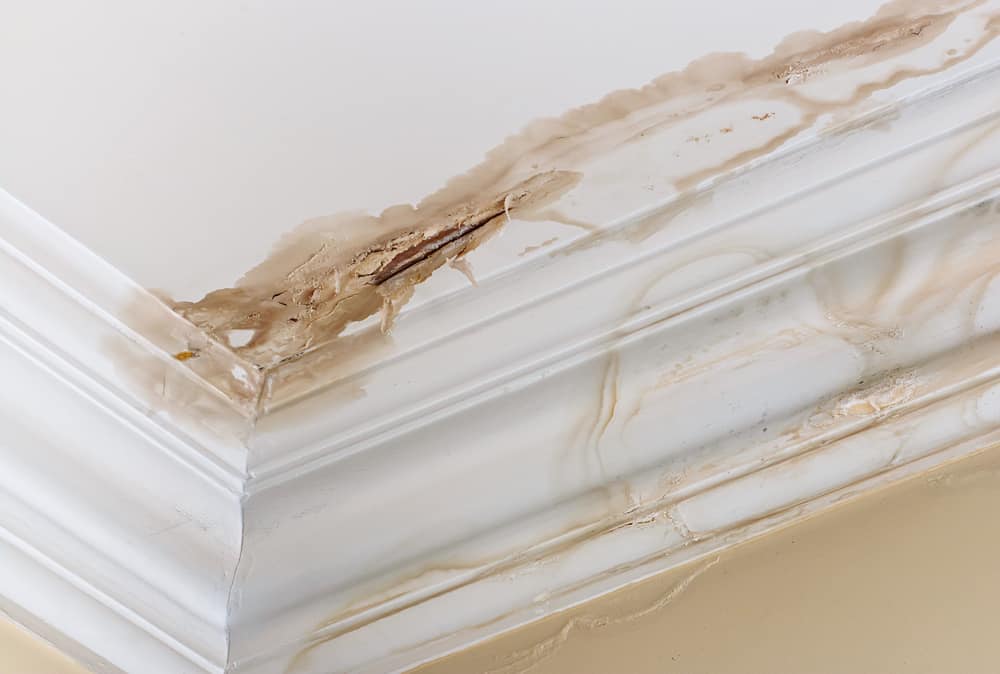
Mold can begin colonizing within 24 to 48 hours of a water event and spread significantly within 72 hours. In Sag Harbor where ambient humidity already runs between 70 and 81 percent through the summer that timeline can compress further because the air itself is already saturated. A storm surge event, a burst pipe in an unoccupied seasonal home, or even a slow roof leak during a nor’easter can set the process in motion faster than most homeowners expect.
That’s why we operate 24 hours a day, seven days a week. Calling within the first 24 hours of discovering water intrusion is the single most effective thing you can do to limit both the mold damage and the overall remediation cost. The longer moisture sits in an old-growth wood frame or behind original plaster, the more material has to come out and in a historic Sag Harbor home, that’s not just a cost issue, it’s a preservation issue.
What's the difference between mold removal and mold remediation?
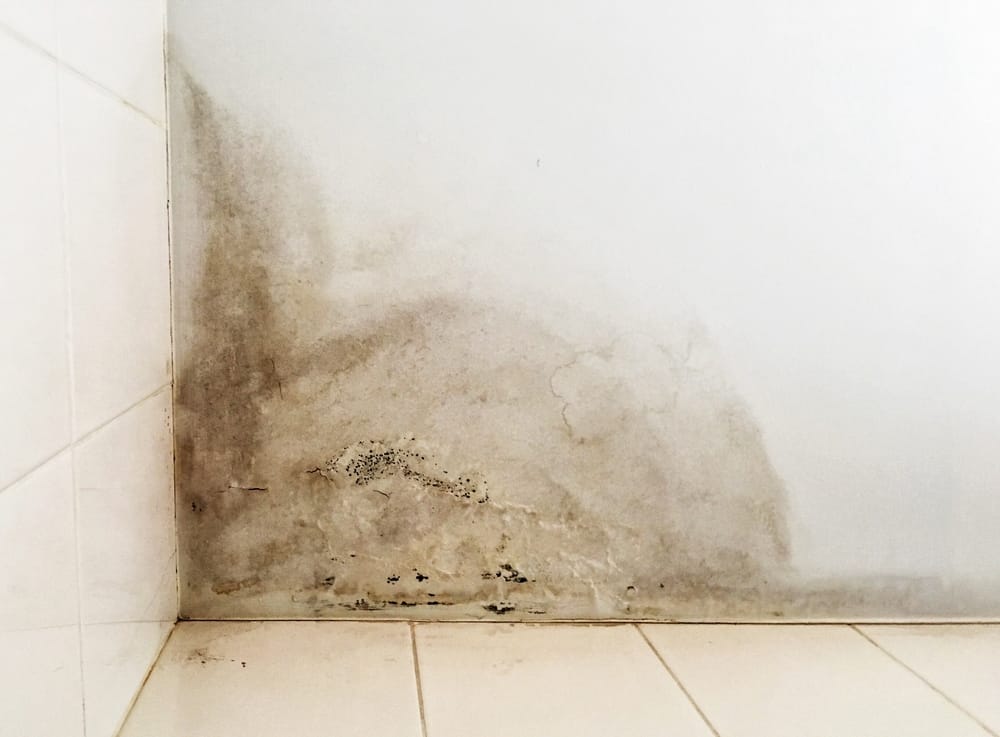
Mold removal suggests you’re taking out what’s visible. Mold remediation is a full process: assessment, containment, physical removal, antimicrobial treatment, drying, and post-remediation verification. The distinction matters because visible mold is almost never the whole story. Mold grows in the direction of moisture, and in Sag Harbor’s older housing stock homes with plaster walls, unfinished crawl spaces, and no vapor barriers the moisture source is rarely at the surface.
Treating only what you can see leaves the underlying conditions intact and the hidden growth untouched. Within weeks or months, the problem returns. True remediation under the ANSI/IICRC S520 standard addresses the full scope: finding the moisture source, eliminating the active growth, verifying the air quality after the work is done, and confirming the space is safe before the containment comes down. That’s the standard we work to on every project.
Is mold in a Sag Harbor historic home harder to remediate than a newer house?
In some ways, yes and it requires a different approach. Historic homes in the Sag Harbor Village Historic District were built with materials and construction methods that are no longer standard: original plaster over wood lath, old-growth timber framing, stone or brick foundations with no waterproofing membrane, and attic spaces with little to no mechanical ventilation. These materials are porous, they hold moisture longer, and they’re often irreplaceable. You can’t just rip out a plaster wall in a home that’s on the National Register of Historic Places and swap it for drywall without considering the preservation implications.
The remediation approach in a historic property has to be more deliberate. The goal is to remove what’s contaminated, treat what can be saved, and preserve original materials wherever the mold hasn’t compromised them structurally. Our 31 years of work across Suffolk County’s oldest coastal properties means our team understands how to work in these structures without causing additional damage which is just as important as clearing the mold itself.
How do I know if my seasonal home in Sag Harbor has mold after being closed all winter?
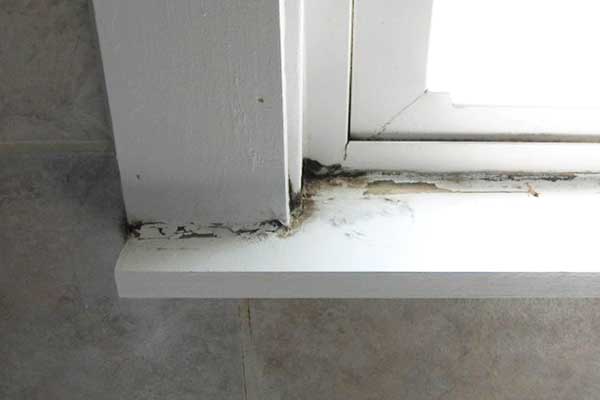
The most obvious sign is smell a musty, earthy odor that hits you when you open the door in spring. But mold doesn’t always announce itself that clearly, especially in the early stages. Other indicators include visible discoloration on walls, ceilings, or window frames; condensation staining around exterior walls; peeling paint or wallpaper; and unexplained allergy-like symptoms in anyone spending time in the house.
For seasonal properties in the SANS communities Sag Harbor Hills, Azurest, and Ninevah the risk is particularly high because these homes often sit unheated and unventilated from October through May in one of the most humid coastal environments on Long Island. A professional assessment when you open up for the season is the most reliable way to know what you’re dealing with before your family starts spending extended time inside. If mold is present, catching it in April or May is dramatically less expensive and less disruptive than discovering it mid-summer when the house is in full use.
Does New York State require a license to perform mold remediation in Sag Harbor?
Yes, and this is one of the most important questions you can ask before hiring anyone. New York State Labor Law Article 32 requires all contractors performing paid mold assessment or mold remediation to hold a state-issued license. The law also requires that the mold assessor and the mold remediation contractor be separate entities one company cannot legally perform both functions on the same project. This rule has been in effect since January 1, 2016, and was enacted in direct response to the contractor abuses that followed Hurricane Sandy, which caused widespread flooding and mold damage across eastern Long Island, including the Sag Harbor area.
The practical consequence for homeowners is real: work performed by an unlicensed contractor can void an insurance claim, expose you to legal liability, and most importantly leave the mold problem inadequately treated. Before any contractor starts work in your home, ask for their Article 32 license number and verify it. We hold full licensure, and every project is structured to comply with the assessment and remediation separation requirement. It’s not a formality it’s the legal standard that protects you.
Useful Links
Other Services we provide in Sag Harbor