
Hear from Our Customers
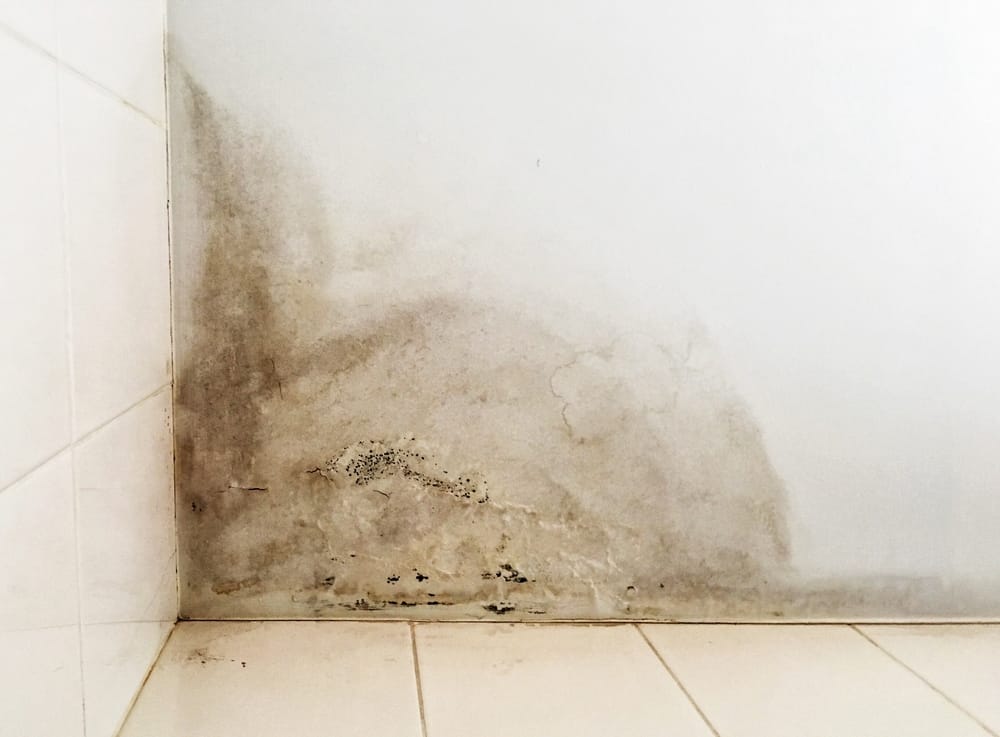
Most mold companies remove what’s visible and move on. The moisture that caused it — the slow seep through an aging foundation, the condensation building in an attic that hasn’t been properly ventilated since the Eisenhower administration — stays behind. And within weeks, you’re back to square one. That’s not remediation. That’s a temporary fix on a permanent problem.
University Gardens homes were largely built between 1940 and 1969, before modern vapor barriers and ventilation standards were code requirements. That era of construction, combined with Nassau County’s coastal humidity and the community’s dense, 2,000-tree canopy trapping moisture against foundations and gutters, creates conditions where mold doesn’t need much of an invitation. A blocked downspout, one wet winter, one slow pipe — that’s enough.
When the job is done right, you get more than a clean surface. You get documented proof — lab-confirmed clearance testing with chain-of-custody records — that your home is actually safe. For a property worth close to a million dollars in a community governed by UGPOA covenants since 1927, that documentation isn’t a bonus. It’s what protects your investment when it’s time to sell, refinance, or simply sleep without worrying about what’s growing behind your walls.
We’ve been doing restoration work on Long Island for over three decades. That means our team has worked through nor’easters, post-storm flooding, burst pipes in January, and every moisture event Nassau County throws at older homes — including the kind of slow, hidden damage that’s common in University Gardens’ aging housing stock on the Great Neck peninsula.
Every technician is IICRC-certified. Not just the project lead — every person who sets foot in your home. That’s a standard we hold ourselves to because anything less is unacceptable. We also carry full NYS Article 32 licensing, which is required by New York State law for any mold remediation work performed for compensation.
What sets us apart isn’t a single credential — it’s the combination. Water damage restoration and mold remediation handled by one team, start to finish. No handoffs, no gaps, no returning moisture problem three months later.
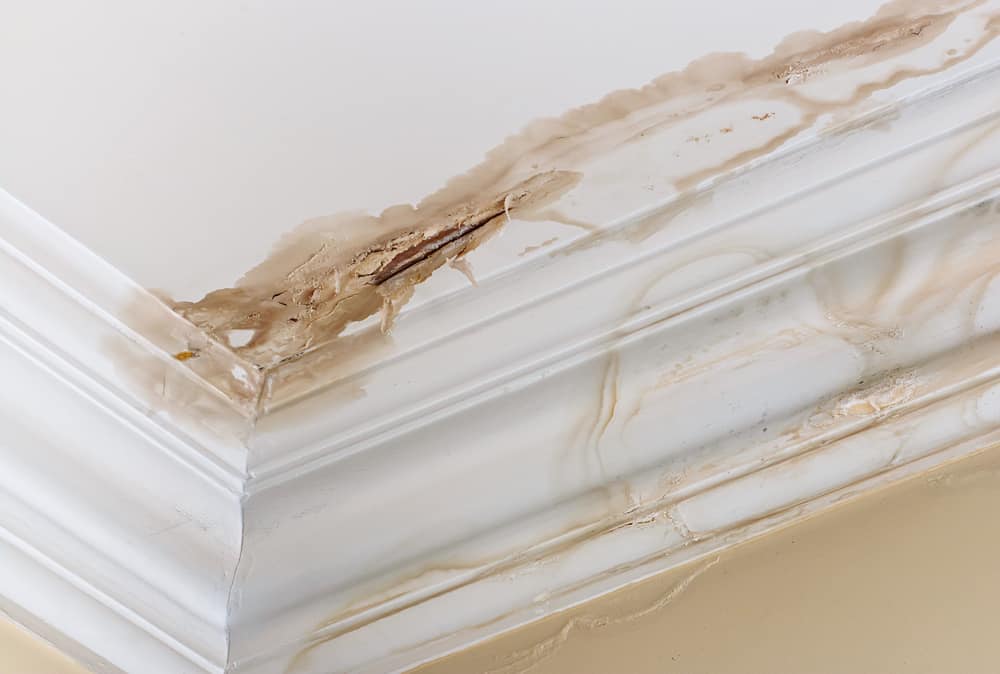
It starts with a 5-point inspection: a certified technician walks the property, collects air and surface swab samples, uses a boroscope to check inside wall cavities without tearing anything open, and measures moisture levels throughout the affected areas. If mold is hiding behind the plaster walls of your University Gardens colonial or under the subfloor of a partially finished basement, this process finds it. Lab results come back within 2 to 3 business days with full chain-of-custody documentation.
From there, a licensed mold assessor produces a written remediation plan — which is a legal requirement under New York State’s Article 32 law before any remediation work can begin. That plan drives everything. Containment goes up, affected materials are removed, and the underlying moisture source gets addressed at the same time. This is where most companies stop short. We don’t hand off the water damage portion to a separate contractor — it’s handled in the same scope of work.
Once remediation is complete, post-clearance testing confirms the results. You receive lab-confirmed documentation showing your home meets safe mold levels. For University Gardens homeowners navigating insurance claims or preparing for a property transaction in a high-value market, that paperwork matters. The job isn’t considered done until the lab says it’s done.
Ready to get started?
Basement mold removal, attic mold removal, crawl space mold removal, bathroom mold removal — the location changes, but the standard doesn’t. In University Gardens, the most common calls involve basements with groundwater seepage through aging concrete-block foundations, attics with inadequate ventilation where winter condensation builds on cold roof sheathing, and crawl spaces that haven’t seen proper moisture control in decades. Nassau County’s clay-heavy soil doesn’t drain quickly, which means spring rains and snowmelt sit against your foundation longer than you’d expect.
For commercial properties along University Gardens’ Northern Boulevard corridor, the same NYS Article 32 requirements apply — licensed assessor, written remediation plan, licensed remediation contractor. We handle both residential and commercial mold remediation in Nassau County, with the same certified team and the same documentation standard on every job.
One thing worth knowing: under New York State law, the company that performs your mold inspection cannot legally be the same company that performs the remediation. We operate on the remediation side and coordinate with licensed assessors to keep your project compliant from start to finish. And if you’re filing an insurance claim, the deductible coverage program — up to $500 toward your out-of-pocket costs — is available for qualifying mold, water, and fire-related claims. No other mold remediation provider in the Great Neck area offers that.
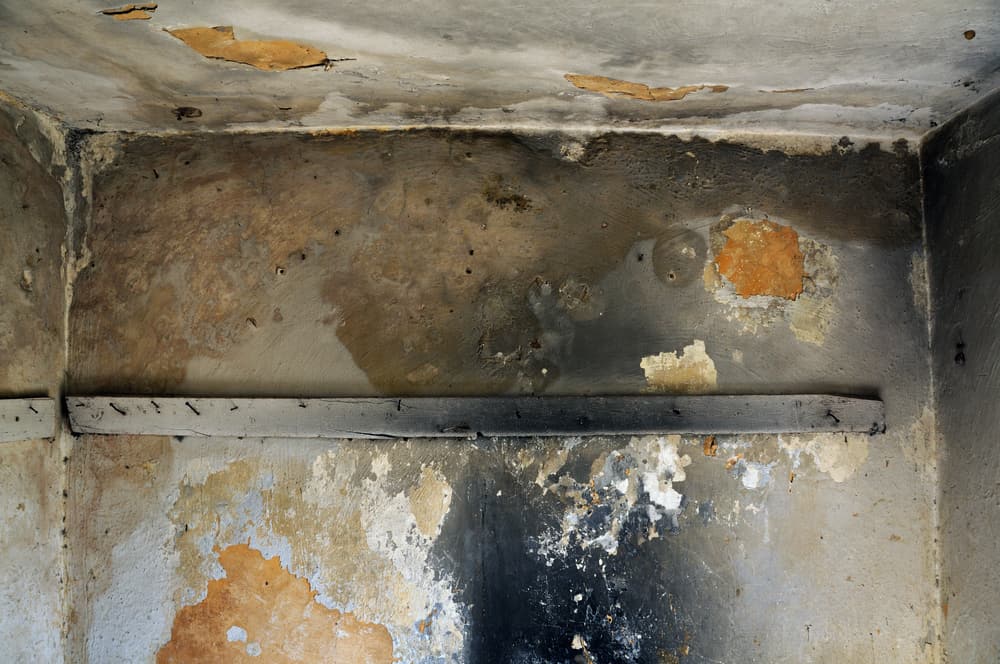
It can — and the reason is Nassau County’s coastal climate. Long Island’s North Shore sits close enough to Long Island Sound that summer humidity stays elevated for months. In those conditions, mold can begin colonizing a wet surface in as little as 24 to 36 hours. That’s meaningfully faster than the 48-hour benchmark often cited nationally, and it’s why a slow pipe leak or a backed-up gutter in a University Gardens home can turn into a serious mold problem before you’ve even noticed the moisture.
University Gardens compounds this with its housing stock. Homes built between 1940 and 1969 — the majority of the community — were constructed without modern vapor barriers or ventilation standards. That means moisture that gets in doesn’t leave easily. Basements, attics, and wall cavities in these older structures hold dampness in ways that newer construction doesn’t. If you’ve had any water event in your home — flooding, a slow leak, ice dam damage — getting a professional inspection done quickly isn’t overcautious. It’s the right call given how fast things can develop here.
No — and this is one of the most important things to understand before you hire anyone. Under New York State’s Article 32 law, which has been in effect since 2016, the company that assesses your mold cannot legally be the same company that remediates it. These must be two separate licensed entities. A licensed mold assessor has to produce a written remediation plan before any remediation contractor can begin work. Violating this requirement can result in fines of up to $10,000 per violation.
This matters for University Gardens homeowners because some contractors — especially unlicensed or out-of-area operations — either don’t know this law exists or choose to ignore it. If a company offers to do your inspection and your remediation as a single bundled service under the same license, that’s a red flag. We operate on the remediation side and work with licensed assessors to keep your project fully compliant with Article 32 from the first step to the last.
The honest answer is that it depends on scope, location within the home, and how far the mold has spread. Nationally, the average cost for professional mold remediation runs around $2,300, with most jobs falling somewhere between $373 and $7,000. For attic, basement, and crawl space work — the most common jobs in University Gardens’ older housing stock — costs typically run $15 to $30 per square foot depending on the extent of the damage and materials involved.
What affects cost most in University Gardens specifically is the age of the home. Older construction often means more hidden growth, more complex containment, and materials that have absorbed moisture over decades. A bathroom mold situation in a 1955 colonial is a different job than the same issue in a newer build. The best way to get an accurate number is to have a licensed assessor evaluate the scope first — that written remediation plan will give you a real picture of what you’re dealing with before any work begins. And if you’re filing a homeowners insurance claim, the deductible coverage program through us can offset up to $500 of your out-of-pocket costs.
The most obvious sign is visible dark spotting — usually gray, green, or black — on basement walls, floor joists, or around any area where water has entered. But in the kind of older poured-concrete and concrete-block basements common in University Gardens homes, mold often establishes itself in places you’re not looking: behind stored items along exterior walls, under carpet or flooring, inside wall cavities near the sill plate, and around any penetration point where pipes or utilities enter the foundation.
Beyond what you can see, musty odor is a reliable indicator. If your basement consistently smells damp or earthy even when there’s no visible standing water, mold is likely present somewhere in the structure. Allergy symptoms that improve when you leave the house — congestion, eye irritation, respiratory discomfort — are another signal worth taking seriously. Nassau County’s spring thaw and heavy rainfall seasons are when most basement mold problems surface, because groundwater pressure against aging foundations peaks during those months. If you haven’t had a professional inspection in a few years, spring is the right time to schedule one.
It depends on the cause and your specific policy. Most standard homeowners insurance policies in New York cover mold remediation when it results from a sudden, covered water event — a burst pipe, an appliance failure, storm-related water intrusion. What they typically don’t cover is mold that resulted from long-term neglect, gradual leaks, or flooding from outside the home (which usually requires separate flood insurance).
The documentation piece is critical here. Insurance adjusters want to see a clear chain of events: the water event, the resulting damage, and the remediation work. Our inspection process produces chain-of-custody documentation and lab reports that meet legal evidence standards — exactly what you need to support a claim. If your claim is approved and you have a deductible to cover, our deductible assistance program can put up to $500 back in your pocket on qualifying claims. If you’re unsure whether your situation qualifies, call us at 516-541-0500 and ask — our team can walk you through what documentation you’ll need before the adjuster gets involved.
Possibly — and it’s worth understanding the layers of oversight that apply specifically to University Gardens. As an unincorporated hamlet in the Town of North Hempstead, any remediation work that involves structural modifications — removing drywall, replacing framing, opening walls — may require a building permit from the Town’s Building Department. That’s the standard municipal layer.
What makes University Gardens different from most other Nassau County communities is the University Gardens Property Owners Association, which has governed the community through recorded deed covenants since 1927. The UGPOA requires that complete plans for property development be submitted to the UGPOA Board for review. While this primarily applies to exterior modifications, any remediation work that affects the visible structure or exterior of your home should be handled by a contractor who understands that this community has a second layer of review beyond the town permit process. Working with a company that has 31 years of Nassau County experience — and understands the difference between what North Hempstead requires and what the UGPOA expects — means you’re not discovering compliance issues after the work is already done.
Useful Links
Other Services we provide in University Gardens