
Mold Removal in Village of the Branch, NY
When the Nissequogue Floods, Mold Follows Fast
Hear from Our Customers
Basement Mold Removal in Smithtown, NY
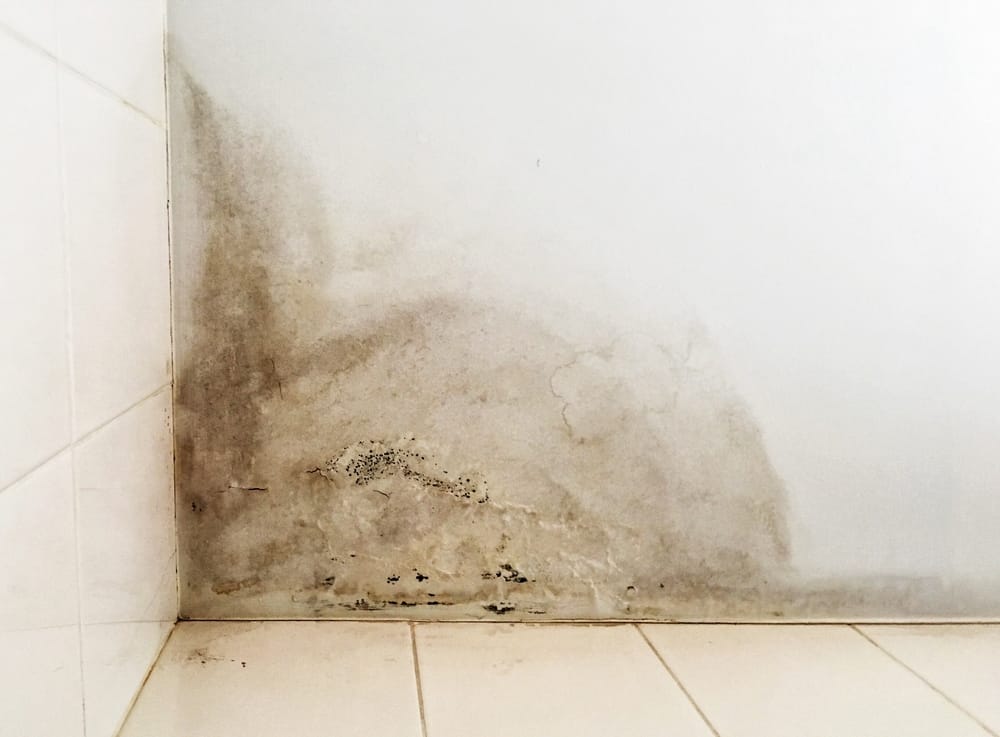
There’s a difference between a basement that looks dry and one that actually is. In Village of the Branch, where homes built between 1940 and 1969 sit on older foundations with little to no waterproofing, moisture doesn’t just sit on the surface it works into the framing, the insulation, and the walls. By the time you see mold, it’s already been growing for a while.
What changes after professional mold removal isn’t just the visible growth it’s the air quality, the smell, and the confidence that your family isn’t breathing something harmful. For households with kids, that matters more than any cosmetic fix. And in a community where 37% of households have children under 18, it’s not a minor concern.
Your home’s value matters here too. With median property values pushing $711,000 to over $850,000, a mold problem that isn’t fully documented and cleared can follow a home through a sale, kill a deal, or force a price reduction. A proper remediation with post-clearance testing and written documentation protects what you’ve built here, not just what’s growing in the corner of your basement.
Licensed Mold Remediation Company, Suffolk County
We’ve been serving Nassau and Suffolk County homeowners since the early 1990s. That’s three decades of north shore basements, aging attics, crawl spaces with bare earth floors, and post-storm calls from Village of the Branch to the South Shore. We’ve worked through Hurricane Sandy’s aftermath, through Nissequogue River flood events that displaced hundreds of families across the township, and through every seasonal pattern Long Island throws at older homes.
We’re IICRC-certified and fully licensed under New York State Article 32 the law that requires mold remediation contractors to be licensed by the NYS Department of Labor. That’s not a checkbox. It’s the difference between work that holds up and work that doesn’t.
When you call our Suffolk County line at 631-587-5300, you’re reaching a team that already knows the construction era of most homes in Village of the Branch, the flood risk tied to the Northeast Branch of the Nissequogue River, and exactly what remediation looks like in a home that was built before modern waterproofing standards existed.
Professional Mold Removal Services, Village of the Branch
It starts with an assessment. Before anything is touched, a licensed mold assessor evaluates the affected areas, identifies the moisture source driving the growth, and puts together a written remediation plan. Under New York State law, the assessor and the remediation contractor must be separate parties so there’s no conflict of interest in what gets recommended or how much work gets scoped.
Once the plan is in place, our certified technicians set up containment to keep spores from spreading to unaffected areas of your home. We use negative air machines and HEPA air scrubbers to control the environment during removal. Affected materials drywall, insulation, wood framing in some cases are removed, treated, and disposed of properly. In Village of the Branch’s older homes, especially those in or near the Historic District along Middle Country Road, we work carefully around original materials that can’t simply be ripped out and replaced like newer construction.
After remediation, an independent licensed assessor returns for post-clearance testing air and surface sampling that objectively confirms the mold is gone and your air quality is safe. That written clearance report is what your insurance carrier needs, what a future buyer’s inspector will look for, and what gives you actual confidence the job is done.
Ready to get started?
Attic and Crawl Space Mold Removal, Smithtown NY
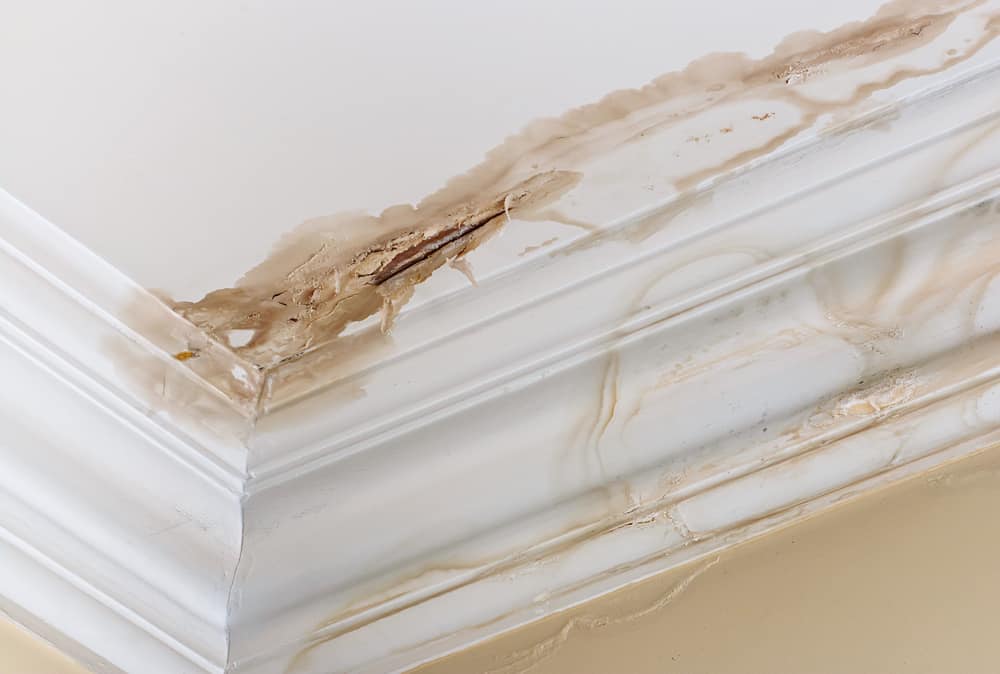
Mold in Village of the Branch shows up in predictable places and a few that catch homeowners off guard. Basements are the most common call, especially after the Nissequogue River watershed floods and groundwater pushes through older block foundations. But attic mold is just as common in homes from this era. Warm air rises from heated living spaces into cold, under-ventilated attics, condenses against the roof sheathing, and feeds mold colonies that can go undetected for years. Crawl spaces with bare earth floors and no vapor barrier are another frequent source one that Smithtown-area home inspectors flag regularly.
We handle residential mold removal across all of these environments basements, attics, crawl spaces, bathrooms, and wall cavities as well as commercial mold removal for businesses along the Route 111 corridor. The full scope of what’s included goes beyond just removing visible growth. It covers containment setup, source moisture treatment, structural drying, material removal where necessary, and coordination with your insurance carrier if the damage follows a covered water event.
We also handle the full restoration side drywall replacement, repainting, and final cleaning so you’re not left coordinating three separate contractors after the mold is gone. One call, one company, start to finish.
How quickly does mold spread after my Village of the Branch basement floods?
Faster than most people expect. Mold spores can begin colonizing wet surfaces within 24 to 48 hours of water intrusion, and within 72 hours, growth can spread to areas well beyond the original wet zone wall cavities, subfloor material, framing. In Village of the Branch, where basements in homes built between 1940 and 1969 often have limited waterproofing and older block foundations, water moves into the structure quickly after a flooding event tied to the Nissequogue River watershed or a major storm.
That 72-hour window is why we operate 24 hours a day, seven days a week. Calling the morning after a flood is already cutting it close. Waiting until Monday because it happened on a Saturday night is the difference between a contained remediation and a whole-house mold event. If your basement took on water, the clock is already running call immediately.
Does homeowners insurance cover mold removal costs in New York?
It depends on what caused the mold. If the mold followed a covered water event a burst pipe, storm damage, or an appliance leak your homeowners insurance policy will often cover the remediation costs, provided the damage is properly documented and the claim is filed correctly. If the mold is the result of long-term moisture or neglected maintenance, most policies will not cover it.
For Village of the Branch homeowners dealing with mold after a Nissequogue River flooding event or a major storm, the documentation piece is critical. Insurance carriers need a detailed damage report, a written remediation plan from a licensed assessor, and post-clearance testing results to process a claim properly. We work directly with insurance carriers and handle that documentation throughout the process, so you’re not left piecing together paperwork while also managing a mold problem in your home.
What does mold removal actually cost for a Smithtown-area home?
Most residential mold remediation projects fall somewhere between $1,200 and $6,000, depending on the size of the affected area, where the mold is located, and how far it has spread. Basement mold removal typically runs $1,500 to $6,000. Attic mold removal which is common in Village of the Branch’s older housing stock due to inadequate ventilation in homes built before modern building codes generally falls between $1,000 and $4,000. Bathroom or isolated surface mold is usually on the lower end of the range.
What drives the cost up is almost always delay. A mold problem that’s caught early and is limited to one area is a fraction of the cost of one that’s had weeks or months to spread into framing, insulation, and adjacent rooms. The most expensive call we get is always the one that waited. Getting an assessment done quickly before you know exactly how bad it is is almost always the financially smarter move.
Is a mold removal contractor in New York required to be licensed?
Yes, and it’s not optional. Under New York State Article 32 of the NY Labor Law, all mold assessment and mold remediation contractors must be licensed by the NYS Department of Labor. The law also requires that the assessor and the remediation contractor be separate, independent parties the same company cannot legally assess and remediate the same project, because that creates a financial conflict of interest in scoping the work.
This matters for Village of the Branch homeowners for two concrete reasons. First, unlicensed mold work is not performed to the legal standard, which puts your family’s health at risk and leaves the problem potentially unresolved. Second, if you file an insurance claim for mold damage and the remediation was performed by an unlicensed contractor, your carrier can deny the claim entirely. Before any contractor starts work in your home, ask for their NY State mold license number. A legitimate company will give it to you without hesitation.
My Village of the Branch home was built in the 1950s am I at higher risk for mold?
Realistically, yes. The majority of Village of the Branch’s housing stock dates from 1940 to 1969, a construction era that predates modern foundation waterproofing membranes, vapor barriers, and attic ventilation standards. Poured concrete and block foundations from that period absorb groundwater rather than repel it. Attic spaces were built with minimal ridge ventilation, which means warm, humid air from the living space has nowhere to go it condenses against the cold roof sheathing and feeds mold over time.
Add in the fact that Village of the Branch sits within the Nissequogue River watershed an area where federal officials have documented over 900 homes affected by recurring flooding and older homes here face a combination of chronic groundwater pressure and acute flood risk that newer construction in other parts of Suffolk County simply doesn’t deal with in the same way. If your home is from this era, a professional inspection of your basement, attic, and crawl space is worth doing even if you haven’t seen visible mold yet.
How do I know the mold is actually gone after remediation is complete?
You don’t rely on our word you get independent testing. Under New York State law, the same contractor who performs the remediation cannot also perform the post-remediation assessment. That conflict-of-interest rule exists specifically to protect homeowners from a company that has a financial reason to say the job is done when it isn’t.
After we complete remediation in your Village of the Branch home, an independent licensed assessor returns to conduct post-clearance testing air sampling and surface sampling that objectively measures whether mold spore levels are back within normal range and whether any visible growth remains. The results come back as a written clearance report. That document is what your insurance carrier needs to close a claim, what a home inspector will look for if you ever sell, and what gives you actual confidence not just our assurance that your home is safe. If the clearance test comes back with elevated readings, the work isn’t done, and remediation continues until it passes.
Useful Links
Other Services we provide in Village Of The Branch