Professional Carpet Cleaning After Water Damage Events
When water hits your carpet, you have 24-48 hours before mold starts growing. Here's what Nassau County homeowners need to know about professional carpet cleaning after water damage.
Share:

Summary:
Your basement just flooded. Or a pipe burst in the upstairs bathroom. Maybe the washing machine overflowed while you were at work. Now you’re standing in your living room looking at soaked carpet, and the question hits you: Can this be saved, or does it all need to go?
You’re not just worried about the carpet itself. You’re thinking about mold, about what’s happening underneath where you can’t see, about whether your kids are safe playing on this floor next week. And somewhere in the back of your mind, you’re already dreading the insurance call.
Here’s what you actually need to know about professional carpet cleaning after water damage, and why the next 48 hours matter more than anything else.
Professional Carpet Cleaning Methods After Water Damage
Not all carpet cleaning is the same, especially after water damage. The method that works for regular maintenance doesn’t cut it when you’re dealing with saturated padding, contaminated water, or the race against mold growth.
We use hot water extraction, which carpet manufacturers specifically recommend for water damage scenarios. This method injects hot water and cleaning solution deep into carpet fibers, then immediately extracts it along with dirt, bacteria, and contaminants. The key difference from rental machines is extraction power. Professional truck-mounted systems remove 85-95% of moisture and embedded soil, while portable units typically manage 60-75%.
That difference matters when you’re trying to get carpets dry within the critical 24-48 hour window before mold takes hold. Every hour that carpet stays wet, moisture is wicking deeper into the padding and subflooring where you can’t see it.
How Carpet Steam Cleaning Actually Works for Water Damage
Most people call it steam cleaning, but what we actually use is hot water extraction. Real steam cleaning uses temperatures above 212°F, which can damage carpet fibers, cause shrinkage, and actually set certain stains permanently. Hot water extraction uses water hot enough to sanitize and clean effectively, typically between 150-200°F, without converting to pure steam.
Here’s how the process works when you’re dealing with water damage. First, our technicians assess the extent of saturation. We’re checking the carpet surface, yes, but also the padding underneath and the subflooring below that. Water doesn’t just sit on top. It seeps down, and in the first hour after flooding, drywall can wick moisture 12-18 inches above the visible water line through capillary action. The same thing happens with carpet padding.
Next comes extraction. Our professional equipment removes standing water first, then the deep cleaning begins. The hot water and cleaning solution get injected under pressure into the carpet pile, agitating fibers to release trapped dirt, bacteria, and contaminants. The vacuum system immediately extracts this dirty water. The pressure and suction are calibrated based on your carpet type. Synthetic fibers like nylon and polyester can handle more aggressive treatment than natural wool fibers.
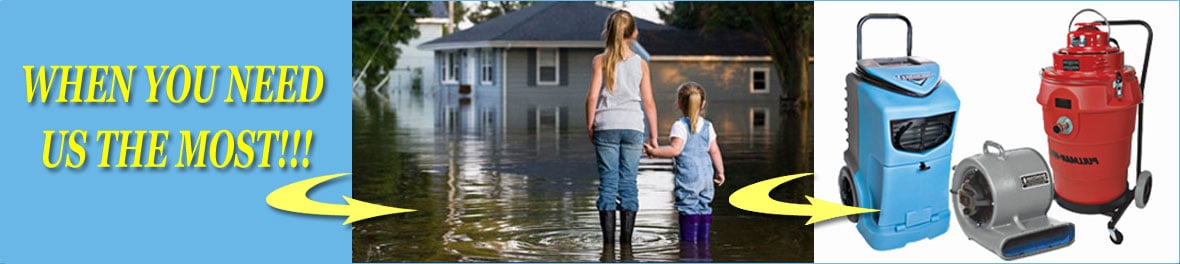
After extraction, we position dehumidifiers and air movers strategically throughout the affected area. These aren’t the fans you buy at a hardware store. Industrial dehumidifiers pull moisture out of the air and materials continuously, creating conditions that prevent mold growth. Air movers direct airflow across carpet surfaces and into padding to speed evaporation. With professional equipment, carpets typically dry within 6-8 hours. Without it, you’re looking at 12-24 hours or longer, and every extra hour increases mold risk.
The final step is antimicrobial treatment. Even if the water source was clean, once it’s been sitting in your carpet for hours, bacteria starts multiplying. Professional-grade antimicrobial solutions kill existing bacteria and create a protective barrier against future growth. This step is especially critical in Nassau County, NY’s humid coastal climate, where moisture problems tend to persist longer than in drier regions.
When Professional Carpet Cleaning Can Save Your Carpets
The question everyone asks is whether their carpet can be saved or if they’re looking at complete replacement. The answer depends on three factors: the water source, how long the carpet stayed wet, and what’s happening with the padding underneath.
Clean water sources give you the best chance of salvaging carpets. If a supply line broke, a toilet tank overflowed (not the bowl), or rainwater came through a window, that’s considered clean water. It doesn’t contain sewage or significant contamination. If professional extraction and cleaning happens within 24-48 hours, most carpets can be fully restored. The padding might need replacement, but the carpet itself often survives.
Gray water is trickier. This includes discharge from washing machines, dishwashers, or shower drains. It contains some contaminants like soap, debris, or mild bacteria, but it’s not sewage. Gray water can be treated if you act fast. Beyond 48 hours, the contamination level increases as bacteria multiply, and replacement becomes the safer option.
Black water means replacement in almost every case. This is sewage backup, toilet overflow from the bowl, or outdoor floodwater that’s picked up contaminants from the ground. Nassau County, NY homeowners along the South Shore know this scenario well after coastal storm events. Black water contains pathogens, chemicals, and bacteria that create serious health risks. Even after professional cleaning, the risk of lingering contamination in carpet fibers and padding is too high, especially if you have young children or anyone with respiratory issues in the home.
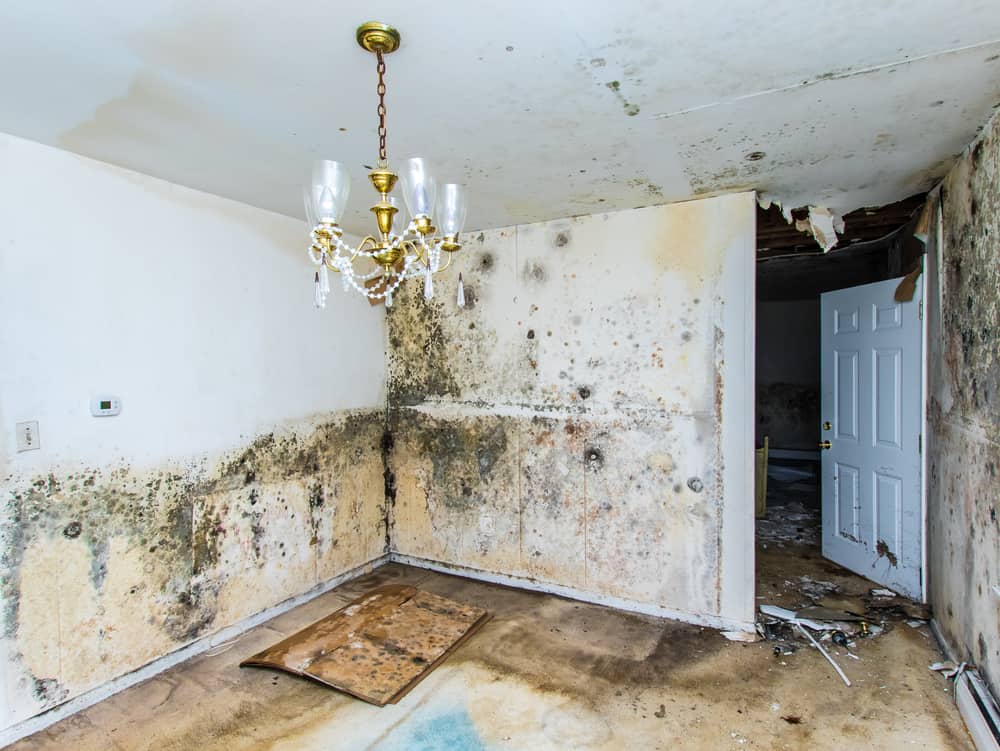
Time is the other critical factor. Mold spores exist everywhere, but they need moisture to germinate and grow. On wet organic materials like carpet backing and padding, mold can start growing within 24-48 hours under warm conditions above 70°F. Once mold establishes itself in carpet, it’s nearly impossible to eradicate completely. Most homeowners opt for replacement at that point because the health risks outweigh the cost of new carpet.
The padding underneath deserves special attention. Carpet padding absorbs water like a sponge and holds it longer than the carpet fibers above. Even when the carpet surface feels dry, the padding can still be saturated. Wet padding becomes a breeding ground for mold and bacteria, and it rarely survives water damage. We often pull up the carpet, remove and dispose of wet padding, treat the subflooring, install new padding, and reinstall the carpet. This approach saves the carpet while eliminating the hidden moisture problem underneath.
Your carpet’s age and condition before the water damage also matters. Many Nassau County, NY homes were built in the 1970s, and if your carpet is original or decades old, water damage might be the signal to replace it entirely rather than invest in restoration. On the other hand, if you have high-quality carpet that’s relatively new, professional restoration can extend its life significantly and save thousands compared to replacement.
Upholstery Cleaning for Water-Damaged Furniture
Carpets aren’t the only casualty when water damage hits. Furniture gets soaked too, and the same urgency applies. Upholstered sofas, chairs, and ottomans can harbor moisture in foam cushions and fabric that leads to mold growth and permanent odors if not treated quickly.
Professional upholstery cleaning for water damage follows a similar process to carpet restoration but requires more careful handling. Furniture fabrics vary widely in how they respond to moisture and cleaning solutions. Our technicians inspect the fabric type, check colorfastness, and determine the safest cleaning approach. Some delicate materials can’t handle hot water extraction and require specialized dry-cleaning methods.
The challenge with furniture is that water doesn’t just affect the surface fabric. It seeps into cushion foam, wood frames, and internal structures. A soaked cushion can take days to dry without professional equipment, creating the perfect environment for mold and mildew. We extract water from cushions, treat fabric with appropriate cleaning solutions, and use air movers to ensure complete drying of all furniture components.
Furniture Cleaning Methods for Different Water Damage Scenarios
The approach to furniture cleaning depends heavily on the water source and fabric type. For clean water damage on synthetic fabrics, hot water extraction works well. The process involves pre-treating stained areas, applying hot water and cleaning solution to fabric surfaces, and immediately extracting the moisture. Professional equipment ensures the fabric doesn’t become oversaturated, which could damage foam or wooden frames underneath.
Natural fabrics like cotton, linen, or wool require lower temperatures and gentler treatment to avoid shrinkage. Leather and suede need completely different approaches, often involving specialized leather cleaners and conditioners rather than water-based methods. With 35+ years of experience, we know these distinctions and assess each piece individually rather than using a one-size-fits-all approach.
For gray or black water contamination, furniture often can’t be salvaged. The health risks are too significant, especially with porous materials like fabric and foam that absorb contaminated water deeply. Even after professional cleaning, there’s no guarantee that all pathogens have been eliminated from the interior cushioning. In these cases, replacement is the safer choice.
Timing matters just as much with furniture as it does with carpet. Mold can start growing on wet upholstery within the same 24-48 hour window. Once you smell that musty odor or see discoloration, mold has likely established itself. At that point, even professional cleaning might not fully eliminate the problem, and the furniture may need to be discarded.
One often-overlooked issue is what’s happening underneath the furniture. If a sofa has been sitting on wet carpet for hours or days, moisture has likely transferred to the furniture’s base and legs. Wooden furniture can warp, swell, or develop mold on surfaces that were in contact with wet flooring. We check these hidden areas with moisture meters and infrared imaging technology to find problems you can’t see with the naked eye.
When to Replace vs. Restore Water-Damaged Furniture
The decision to restore or replace water-damaged furniture follows similar logic to carpet decisions, but with additional considerations about structural integrity and value. High-quality, expensive pieces warrant professional restoration attempts, especially if the water source was clean and treatment happens quickly. A $3,000 sofa that’s only two years old deserves professional evaluation before you haul it to the curb.
Lower-value furniture or pieces that were already showing wear might not justify restoration costs. If you were planning to replace that old chair anyway, water damage just accelerates the timeline. The cost of professional upholstery cleaning, potential reupholstering, and structural repairs can sometimes exceed the replacement value of mid-range furniture.
Antique or sentimental pieces present a different calculation. Even if restoration costs exceed replacement value, the emotional or historical significance might make professional treatment worthwhile. We can often save furniture that seems beyond hope, but you need realistic expectations about what the final result will look like and whether all odors can be eliminated.
The contamination level matters enormously. Clean water damage to a quality piece of furniture caught within 24 hours has a good restoration prognosis. Sewage backup that soaked a sofa for two days before discovery means that furniture is going to the dump regardless of its original value. The health risks simply aren’t worth it.
Structural damage is another deciding factor. Water can weaken wooden frames, cause joints to separate, and warp support structures. If the frame integrity is compromised, you’re not just looking at upholstery cleaning. You need furniture repair or rebuilding, which adds significantly to costs. A professional assessment can determine whether the piece is structurally sound enough to warrant the investment in cleaning and restoration. This is where working with us makes a differenceyou get one team handling assessment, restoration, and any necessary repairs rather than coordinating multiple contractors.
Getting Professional Help for Water-Damaged Carpets in Nassau County, NY
Water damage creates a narrow window for action. The first 24-48 hours determine whether your carpets and furniture can be saved or need replacement. Professional carpet cleaning using hot water extraction, combined with proper drying equipment and antimicrobial treatment, gives you the best chance of restoring materials affected by clean water sources.
The decision to restore or replace depends on the water source, how long materials stayed wet, and whether mold has begun growing. Clean water caught early often means successful restoration. Contaminated water or delayed treatment usually means replacement is the safer, healthier choice.
What matters most is getting an expert assessment quickly. Waiting to see if things dry on their own or trying DIY solutions with rental equipment often makes the problem worse and eliminates restoration options that would have worked with faster professional intervention. For Nassau County, NY homeowners dealing with water damage from coastal storms, burst pipes in aging homes, or appliance failures, we provide the fast response, professional equipment, and experienced technicians needed to make the right call for your specific situation.
Article details:
- Published by:
- First Response Restoration
- Published to:
- Last modified:
- August 6, 2026
Share:
Continue learning: