
Water Damage Restoration in North Wantagh, NY
North Wantagh Homes Don't Wait Neither Do We
Hear from Our Customers

Water Damage Repair in North Wantagh, NY
Most of the damage from a water event doesn’t happen when the water hits it happens in the hours after, when moisture keeps moving through walls, floors, and insulation while you’re trying to figure out what to do next. Mold can start colonizing within 24 to 48 hours. In a North Wantagh summer, with the humidity this area carries due to proximity to the south shore bays, that window gets even tighter.
North Wantagh’s housing stock is predominantly postwar construction most homes here were built between 1940 and 1969. That means wall cavities, subfloor assemblies, and pipe chases that weren’t designed with modern moisture barriers. Water doesn’t just sit on the surface in these homes. It travels. It wicks into framing, saturates insulation, and pools behind drywall in places that look completely dry from the outside. What you can’t see is exactly what causes the most expensive problems later.
When the job is done correctly full extraction, structural drying with commercial-grade equipment, moisture mapping throughout the affected area you get your home back without the mold call three months from now. You protect the equity you’ve built. And you don’t have to wonder whether it was actually handled or just looked like it was.
Water Damage Restoration Companies in North Wantagh, NY
We’ve been handling water damage restoration across Nassau and Suffolk Counties for over 30 years. That’s not a tagline it’s a track record built one job at a time in communities exactly like North Wantagh.
North Wantagh sits in the Town of Hempstead, with homes that carry decades of history and infrastructure to match. We’ve worked in these neighborhoods long enough to know where water hides in a house built in 1955, what the Town of Hempstead requires when structural repairs follow a water event, and why a sump pump failure near the Twin Lakes Preserve corridor hits differently than a pipe burst in a newer build.
Our technicians are IICRC-certified, trained to the ANSI/IICRC S500 Standard the same benchmark insurance companies use to evaluate whether a restoration job was done right. We also offer eligible clients up to $500 toward their insurance deductible, and we work directly with adjusters so you’re not fighting that battle alone while your home is drying out.
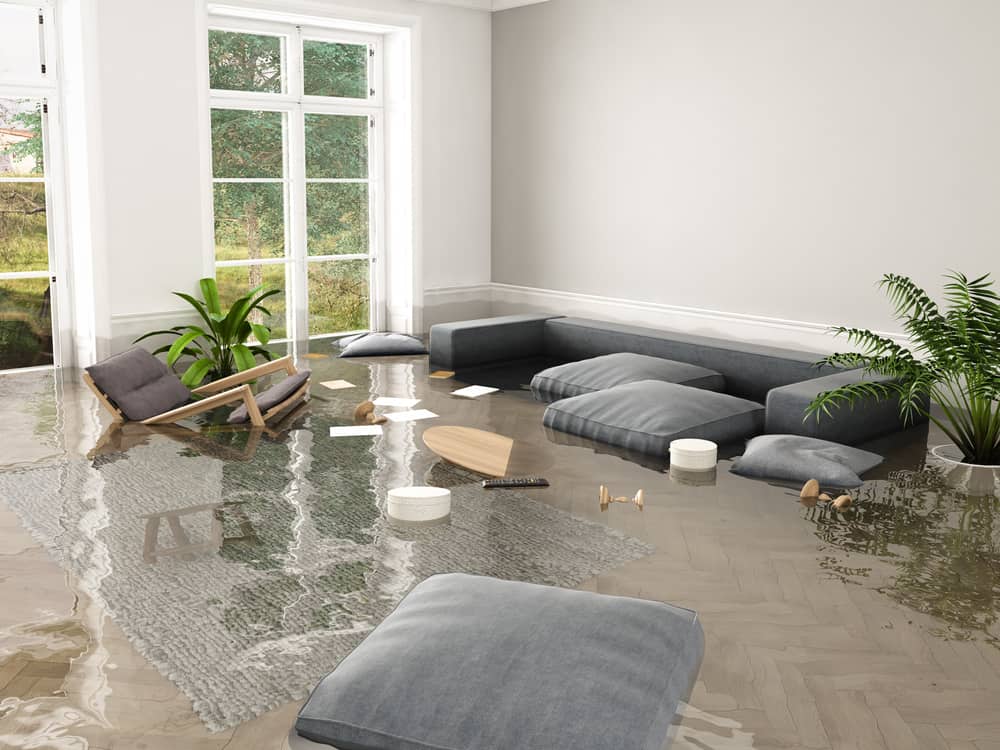
Emergency Water Extraction in North Wantagh, NY
When you call, you reach a real person. Not a voicemail, not a national call center routing system someone who can take the details, ask the right questions, and get a crew moving. We run dedicated lines for Nassau County (516-698-1776) and Suffolk County (631-587-5300), both answered around the clock.
Once on-site, the first priority is stopping the source and assessing the full scope of the damage not just what’s visible. We use professional moisture meters and thermal imaging to map where water has actually traveled, which in North Wantagh’s older homes often means inside wall cavities, under hardwood floors, and behind finished basement walls. That assessment drives everything that follows.
From there, we deploy commercial-grade water extraction equipment, industrial air movers, and dehumidifiers that pull moisture out of structural materials not just the air above them. When structural repairs are needed, we handle those too, and we’re familiar with the Town of Hempstead permitting process so the work is done correctly from start to finish. You get one point of contact, one accountable team, and a job that holds up.
Ready to get started?
Residential Water Damage Cleanup in North Wantagh, NY
Water damage restoration isn’t a single step it’s a sequence, and every part of it matters. We handle the complete process: emergency water extraction, structural drying, mold prevention treatment, air quality control, and reconstruction when needed. If your basement flooded after one of Nassau County’s increasingly heavy rain events, or a pipe froze and burst during a February cold snap, or a roof leak worked its way into the ceiling of a finished room we cover all of it under one roof.
For North Wantagh homeowners specifically, a few things come up regularly. Homes near the Twin Lakes Preserve corridor deal with groundwater pressure that can overwhelm aging sump systems. Older plumbing galvanized steel supply lines, cast iron drains fails in ways that newer construction simply doesn’t. And because North Wantagh addresses carry either a Wantagh or Seaford mailing designation, some homeowners aren’t sure which service area they fall under. The answer is simple: we serve all of North Wantagh, regardless of which ZIP code is on your mailbox.
We also work with your insurance company directly. We document the damage the way adjusters need to see it, communicate on your behalf throughout the claims process, and help make sure legitimate damage gets covered. That’s part of the job, not an add-on.

How quickly does mold grow after water damage in a North Wantagh home?
Mold can begin colonizing within 24 to 48 hours of water exposure and that timeline is not theoretical. It’s the standard referenced by the IICRC, and it’s the reason response time matters as much as it does. In North Wantagh, where summer humidity levels stay consistently high due to the area’s proximity to the south shore bays, that window can feel even tighter. Warm, humid air combined with wet organic material drywall, wood framing, carpet backing creates exactly the conditions mold needs.
The other factor specific to this area is the age of the housing stock. Homes built between 1940 and 1969, which make up the majority of North Wantagh’s residential inventory, often have insulation and wall assemblies that hold moisture longer than modern construction. That means water that looks like it’s drying on the surface may still be sitting in the wall cavity behind it. Professional moisture mapping after extraction is the only way to know for certain and it’s a standard part of how we approach every job here.
Does homeowner's insurance cover water damage restoration in North Wantagh, NY?
It depends on the cause, and the distinction matters more than most people realize before they file a claim. Sudden and accidental water damage a burst pipe, a washing machine supply line failure, an appliance leak is typically covered under standard homeowner’s insurance policies. Gradual damage from a slow leak that’s been building for months, or flooding from an external water source, is usually not covered under a standard policy and requires separate flood insurance.
For North Wantagh homeowners, this comes up most often after heavy rainstorms that overwhelm basement drainage systems or after a winter pipe freeze. If the event was sudden and you can document it clearly, there’s a strong basis for a claim. That documentation piece is where a lot of homeowners run into trouble adjusters need specific evidence presented in a specific way. We handle that process directly, working with your insurance company on your behalf and helping ensure the claim reflects the actual scope of the damage. We also offer eligible clients up to $500 toward their out-of-pocket deductible.
What's the difference between water mitigation and water damage restoration?
Mitigation is about stopping the damage from getting worse extracting standing water, removing saturated materials, and setting up drying equipment to stabilize the structure. Restoration is what comes after: repairing or replacing what was damaged, treating for mold, and returning the home to its pre-loss condition. Some companies only do one or the other, which means you’re coordinating multiple contractors during an already stressful event.
We handle both, from the initial emergency response through final reconstruction. For a North Wantagh homeowner dealing with a basement flood or a ceiling collapse from a roof leak, that matters because the two phases are connected. How well the mitigation is done directly affects what the restoration phase requires. If the structural drying is incomplete which happens when crews rush or use undersized equipment you end up with hidden moisture that turns into a mold problem weeks later. Keeping both phases under one team means there’s no gap in accountability between what was dried and what gets rebuilt.
Do I need a permit for water damage repairs in the Town of Hempstead?
For emergency temporary repairs stopping active water intrusion, removing saturated materials to prevent further damage you generally don’t need a permit to act immediately. But for permanent repairs, the Town of Hempstead requires proper permits, and the scope of what triggers that requirement is broader than most homeowners expect.
Replacing damaged plumbing, installing or upgrading a sump pump, repairing or replacing structural framing members, and finishing a space that was opened up during remediation all typically require permits from the Town of Hempstead Building Department. The Town has moved toward an online permit portal that allows homeowners to submit applications and track status digitally, which has made the process more manageable. That said, navigating permit requirements while also managing a water damage event is a lot to handle at once. We’re familiar with what the Town requires for restoration work in this jurisdiction, and we can help you understand what needs to be permitted before work begins so nothing gets done that creates a compliance issue down the road.
Why is my basement flooding even when it hasn't rained that hard?
This is one of the more common questions we hear from homeowners in North Wantagh, and the answer usually comes down to groundwater pressure rather than surface runoff. North Wantagh sits within a coastal plain drainage system with a naturally high water table. The Twin Lakes Preserve corridor along the Wantagh Parkway a 58-acre wetland system with five ponds is a visible indicator of just how much water the ground in this area holds. When the water table rises after sustained rainfall, it pushes against foundation walls and through floor-wall joints in ways that have nothing to do with how hard it rained on your specific block.
Aging sump pumps and deteriorating basement waterproofing, common in North Wantagh’s postwar housing stock, often can’t keep up when groundwater pressure spikes. The fix isn’t always as simple as replacing the sump pump it sometimes involves addressing how water is entering the foundation in the first place. We assess the full picture when we arrive, not just the standing water on the floor, so the solution we recommend actually addresses the source rather than just the symptom.
How does First Response Restoration handle water damage claims with insurance adjusters?
We document everything the way adjusters are trained to evaluate it moisture readings, affected material inventories, photographic evidence, and scope of work that aligns with IICRC standards. Insurance companies have specific expectations for how damage is presented, and claims that come in without that documentation often get underpaid or disputed. Our IICRC certification matters here because it signals to the adjuster that the work was performed to a recognized industry standard, which makes the claim easier to process and harder to push back on.
For North Wantagh homeowners, this is particularly relevant because the area’s older housing stock sometimes reveals secondary damage during remediation things like deteriorated pipe insulation, compromised subfloor assemblies, or wall cavities that were already showing signs of moisture intrusion before the event. Adjusters need to understand what was pre-existing versus what the water event caused, and that distinction has to be documented clearly to protect your claim. We communicate directly with your insurance representative throughout the process, keep you informed at each stage, and work to make sure the settlement reflects what actually happened in your home not a lowball estimate based on surface-level assessment.
Useful Links
Other Services we provide in North Wantagh