2026 Nassau County Mold Remediation Costs
Mold remediation costs in Nassau County range from $500 to over $20,000 depending on contamination size, materials affected, and project complexityhere's what you'll actually pay.
Share:
Summary:
You found mold. Now you’re wondering what it’s going to cost to fix itand whether the number you’re hearing is actually reasonable. The problem is that mold remediation pricing feels like a black box. One company quotes $3,000, another says $8,000, and you have no idea who’s being straight with you. That uncertainty keeps you up at night, especially when you’re worried about your family’s health and your home’s value. This guide gives you the real numbers for Nassau County mold remediation in 2026, breaks down what affects your final cost, and explains how to spot inflated pricing before you sign anything. Let’s start with what you’ll actually pay.
What Does Mold Remediation Cost in Nassau County
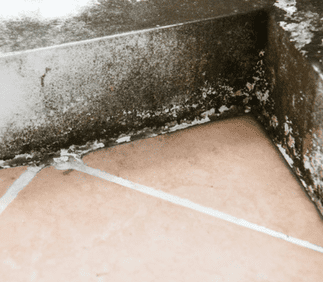
Mold remediation in Nassau County typically runs between $14 and $28 per square foot, but that range doesn’t tell you much until you know how big your problem is and what materials are affected. Small isolated areas under 10 square feet usually cost $500 to $1,500. These are the projects you might handle without a licensed contractor under New York lawthink surface mold on bathroom tile or a small patch on a basement wall.
Once you cross that 10-square-foot threshold, you’re legally required to bring in licensed professionals, and costs jump to $1,500 to $5,000 for moderate contamination affecting 10 to 100 square feet. This is where most homeowners land. Maybe you’ve got mold behind drywall from a slow leak, or your basement flooded and now there’s growth across multiple wall sections.
Extensive contamination throughout multiple rooms, inside HVAC systems, or affecting structural materials like framing pushes costs to $5,000 to $20,000 or more. At this level, you’re looking at full containment, negative air pressure systems, removal of building materials, and potentially weeks of work. The average Nassau County project falls around $2,500 to $3,000, which typically covers a moderate bathroom or basement issue with some material removal and professional remediation.
Mold Removal Cost Factors That Change Your Quote
The square footage is just the starting point. What really drives your mold removal cost is what the mold is growing on and where it’s hiding. Mold on non-porous surfaces like tile or metal can often be cleaned and treated. But mold that’s penetrated porous materialsdrywall, insulation, carpet, wood framingmeans those materials have to come out entirely. You’re not just paying for mold removal at that point. You’re paying for demolition, disposal, and eventually reconstruction.
Location matters more than most people realize. Mold in your finished basement is relatively straightforward to access. Mold in your attic, inside wall cavities, or throughout your HVAC ductwork requires more labor, specialized equipment, and often longer project timelines. Crawl spaces are particularly expensive because technicians are working in confined spaces with limited ventilation, which slows everything down and requires extra safety measures. If your home was built in the post-war eracommon across Nassau Countyyou might be dealing with plaster over wood lath instead of modern drywall, which costs 15 to 25 percent more to remove safely because of dust containment requirements.
Then there’s the contamination class, which sounds technical but really just means how bad it is. Surface mold that hasn’t spread into the air or materials is the easiest and cheapest to handle. But if you’ve got airborne spore counts through the roof, or if the mold has been growing for months undetected, you need full containment with plastic barriers, negative air pressure machines, and HEPA filtration running continuously. All of that equipment and setup time adds to your bill.
The moisture source repair is often overlooked when people budget for mold remediation, but it’s critical. If you don’t fix the leaky pipe, the roof penetration, or the foundation crack that caused the mold in the first place, you’re just paying to have it come back. Most reputable contractors will tell you upfront that the remediation won’t hold unless the water source is addressed. Sometimes that’s a simple plumbing repair. Other times it’s a roof replacement or foundation waterproofing, which can add thousands to your total project cost. Insurance companies know this toothey’ll often deny future mold claims if you didn’t fix the underlying problem the first time.
Mold Abatement Cost Breakdown by Project Type
Let’s get specific about what different types of mold projects actually cost in Nassau County right now. A small bathroom mold cleanupsay you’ve got mold around your shower tile or under the sinktypically runs $500 to $1,500. This assumes it’s surface growth that hasn’t penetrated the drywall behind the tile. A contractor can usually knock this out in a day with antimicrobial treatment and surface cleaning. If the mold has gotten behind the tile and into the drywall or subfloor, you’re looking at $1,800 to $4,500 because now they’re removing materials and replacing them.
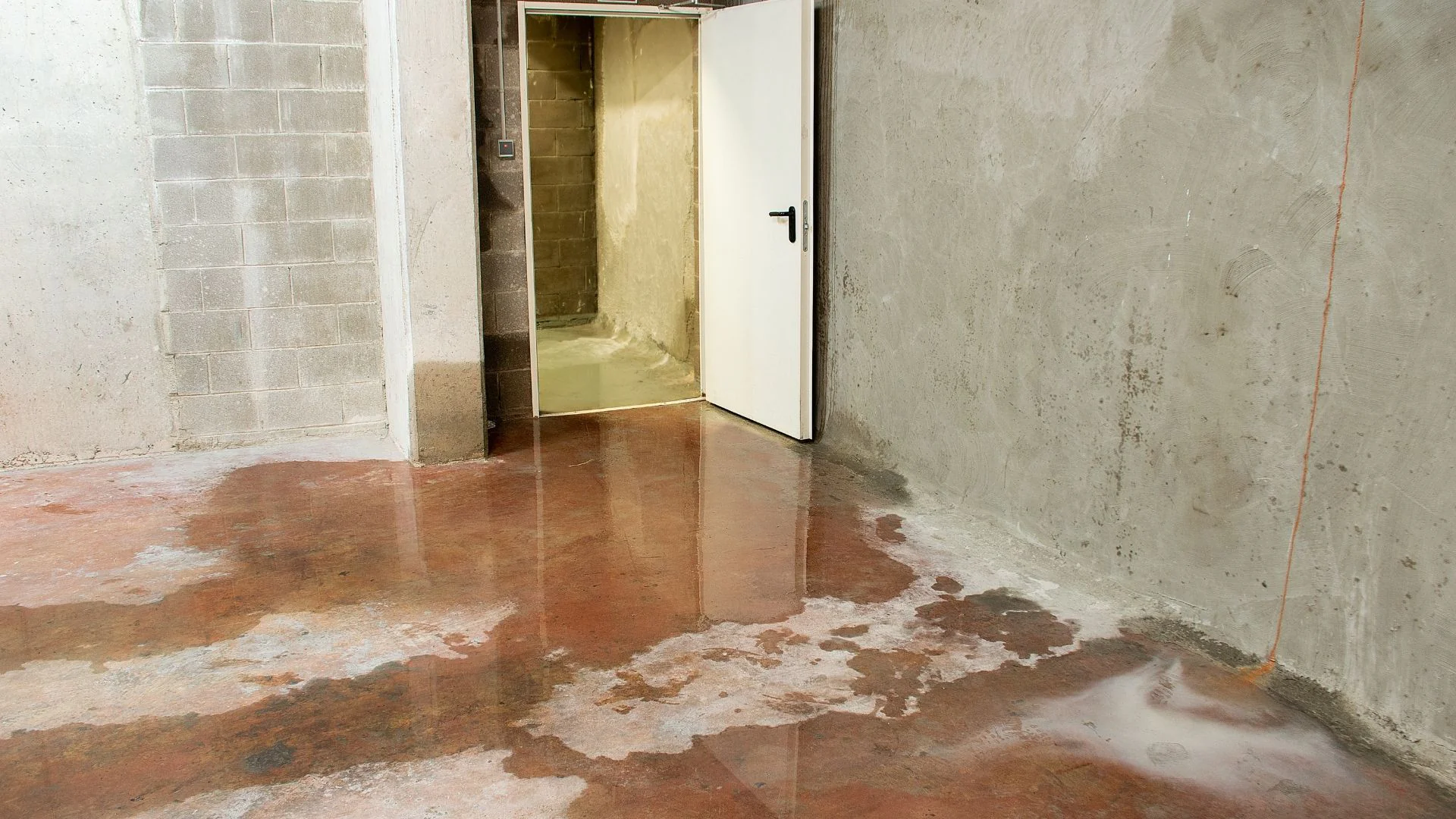
Basement mold remediation is one of the most common calls across Nassau County, thanks to our coastal humidity and aging foundation infrastructure. A typical basement project covering one or two walls runs $2,500 to $6,000. This includes setting up containment, removing affected drywall or paneling, treating the concrete or block walls, running dehumidifiers and air scrubbers, and disposing of contaminated materials. If your entire basement is affectedall walls, possibly the ceiling joistsyou’re in the $8,000 to $15,000 range.
Attic mold removal costs $1,500 to $6,000 depending on accessibility and whether insulation needs to be removed. Attics are tricky because they’re often poorly ventilated, which is why the mold showed up in the first place. You might need roof leak repairs, new ventilation, and insulation replacement on top of the actual mold remediation. HVAC and ductwork mold removal is on the higher end$3,000 to $10,000because the mold has spread throughout your air distribution system. Every vent, every duct section, the air handler, and the evaporator coil all need treatment. This is also a health priority because you’re literally blowing mold spores through your house every time the system runs.
When it comes to black mold removal cost specifically, expect to pay 15 to 25 percent more than standard mold remediation. Toxic black mold requires additional safety protocols, specialized containment, and often more extensive material removal because it tends to colonize deeper into porous surfaces. Full-house remediation after a major flood or long-term hidden leak can hit $10,000 to $30,000. At this scale, you’re looking at multiple rooms, structural drying, extensive material removal, and potentially temporary relocation while the work happens.
How Much Does Mold Removal Cost With Insurance
Here’s the reality about insurance coverage for mold remediation: it depends entirely on what caused the mold. If a pipe burst in your bathroom and mold grew from that sudden water damage, your homeowner’s policy will likely cover it. That’s considered a “covered peril”an unexpected, accidental event. But if mold developed because you ignored a slow leak for six months, or because your bathroom doesn’t have proper ventilation, insurance will deny the claim. They consider that a maintenance issue, not a covered event.
Most standard homeowner policies in New York include some mold coverage, but there’s a catchsub-limits. Even if your dwelling coverage is $400,000, your mold remediation coverage might be capped at $5,000 or $10,000. Some policies go as low as $1,000. If your project costs $12,000 and your policy caps mold at $5,000, you’re paying the remaining $7,000 out of pocket. This is why it’s critical to check your policy details before you start getting quotes. Call your insurance agent and ask specifically about your mold coverage limit and what triggers coverage.
The timing matters too. Insurance companies expect you to mitigate damage immediately. If you discover mold from a burst pipe, you need to stop the water, start drying things out, and call your insurance company right away. Waiting weeks while the mold spreads can give them grounds to reduce or deny your claim because you didn’t prevent further damage. We handle direct insurance billing, which means we work directly with your insurance carrier, submit all the documentation, and bill the insurance company instead of billing you upfront. This eliminates the stress of paying thousands out of pocket and waiting months for reimbursement.
What Insurance Won't Cover for Mold Damage
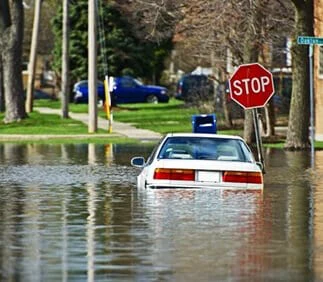
Flood-related mold is almost never covered by standard homeowner’s insurance. If your basement flooded during a storm and mold developed afterward, you need separate flood insurance to have any shot at coverage. Most Nassau County homeowners near the coast carry flood insurance because of our vulnerability to hurricanes and nor’easters, but if you don’t have it, you’re paying for all mold remediation out of pocket. Even with flood insurance, mold coverage is limited and often requires you to prove you dried everything out within a specific timeframe after the flood.
Long-term moisture problems don’t get covered either. If your bathroom has been growing mold for years because you don’t run the exhaust fan, that’s on you. If your basement walls have mold because you never addressed foundation seepage, insurance sees that as deferred maintenance. The same goes for condensation issues from poor insulation or ventilationthese are building performance problems, not sudden accidents. Insurance adjusters are trained to spot the difference between a recent event and a chronic issue. They’ll look at the type of mold, the extent of growth, and the condition of surrounding materials to determine how long it’s been there.
Mold that develops after a covered event but wasn’t addressed promptly creates gray areas. Let’s say your pipe burst three months ago, insurance paid for the water damage repairs, but you didn’t check behind the walls and now there’s mold. The insurance company might argue you should have discovered it during the initial claim. Or maybe you filed a claim, they sent an adjuster, and the adjuster didn’t catch the mold at that time. Now you’re fighting about whether this is a new claim or part of the old one. This is why thorough documentation and professional mold inspection matter from day one. If you have a water damage event, get a licensed mold assessor to check for hidden moisture and potential mold growth before you close out the insurance claim. That upfront mold inspection costusually $300 to $800can save you from a $5,000 surprise three months later.
How Direct Insurance Billing Saves You Money
Most mold remediation companies require you to pay upfront, then you file the insurance claim and wait for reimbursement. That means you’re floating $5,000 or $10,000 or more while the insurance company takes their time reviewing your claim. For many families, that’s not realistic. You don’t have an extra $8,000 sitting around to cover mold remediation while you wait 30 to 90 days for the insurance check to show up. Direct billing solves this problem by having the restoration company bill your insurance carrier directly after the work is complete.
This approach does a few things for you. First, it eliminates the cash flow problemyou’re not out thousands of dollars waiting for reimbursement. Second, it means the restoration company has a strong incentive to document everything properly because they’re the ones who need to get paid by the insurance company. We take detailed photos, provide itemized invoices, and make sure all the paperwork matches what the adjuster needs. Third, it often results in better outcomes because restoration companies that regularly work with insurance carriers understand what will and won’t get approved. We know how to present the scope of work in a way that aligns with policy language.
There’s another cost advantage that most homeowners don’t know about: avoiding referral fee markups. In the mold industry, it’s common for mold assessors to refer clients to specific remediation contractors in exchange for a referral fee. That feeoften 15 to 20 percent of the project costgets baked into your quote. On a $10,000 project, that’s an extra $2,000 you’re paying so the assessor gets their cut. Companies that don’t participate in referral fee arrangements can pass those savings directly to you. We don’t pay or accept referral fees, which means the price you’re quoted is the actual cost of the work, not inflated to cover someone else’s commission. When you’re comparing quotes, ask directly: “Do you pay referral fees to assessors or other companies?” If they hesitate or dodge the question, that’s your answer.
Understanding Nassau County Mold Costs Helps You Make Better Decisions
Mold remediation costs in Nassau County run the full spectrum from $500 for a small surface treatment to $20,000-plus for whole-house projects, but most homeowners end up somewhere in the $2,500 to $5,000 range for a typical bathroom or basement issue. What you actually pay depends on how much mold you have, what materials it’s affecting, where it’s located, and whether you’re dealing with surface growth or deep contamination. Understanding these cost drivers helps you evaluate quotes intelligently and spot when a contractor is padding the numbers.
The insurance piece is just as important as the remediation itself. Know your policy limits, understand what triggers coverage, and document everything from the moment you discover mold. Direct insurance billing can save you from fronting thousands of dollars while you wait for reimbursement, and working with a company that doesn’t inflate prices to cover referral fees puts more of your insurance money toward actual remediation instead of middleman commissions.
If you’re dealing with mold in your Nassau County home and want transparent pricing without the runaround, we’ve been serving Long Island homeowners since 1991 with certified technicians, direct insurance billing, and straightforward cost breakdowns before any work begins.
Article details:
- Published by:
- First Response Restoration
- Published to:
- Last modified:
- October 1, 2026
Share:
Continue learning: