24/7 Emergency Water Damage Restoration Services
When water damage strikes your Nassau County home, every minute counts. Learn what separates professional emergency restoration from costly delays and how to protect your property.
Share:
Summary:
Water doesn’t wait for convenient timing. A pipe bursts in the middle of the night. A storm overwhelms your sump pump on a Sunday. Your washing machine floods the basement while you’re at work. These emergencies demand immediate action, not because of panic, but because of physicswater spreads, soaks deeper, and compounds damage with every passing hour.
If you’re reading this, you’re likely facing one of these situations right now, or you’re smart enough to plan ahead. Either way, you need to understand what emergency water damage restoration services actually involve, what separates a professional response from a band-aid fix, and how to navigate this process in Nassau County, NY where coastal weather and older homes create their own set of challenges.
Here’s what you need to know about emergency restoration services and why the first call you make determines everything that follows.
What Emergency Water Damage Restoration Services Include
Emergency water damage restoration isn’t just someone showing up with a shop vac. It’s a systematic process that addresses both the water you can see and the moisture you can’t. Our professional services start with immediate responsetypically within 60 minutes for true emergenciesbecause the clock is already working against you.
The process begins with assessment. Our technicians need to identify the water source, stop it if possible, and categorize the type of water involved. Clean water from a supply line requires different handling than gray water from an appliance or black water from sewage. This categorization determines the entire approach to cleanup and safety protocols.
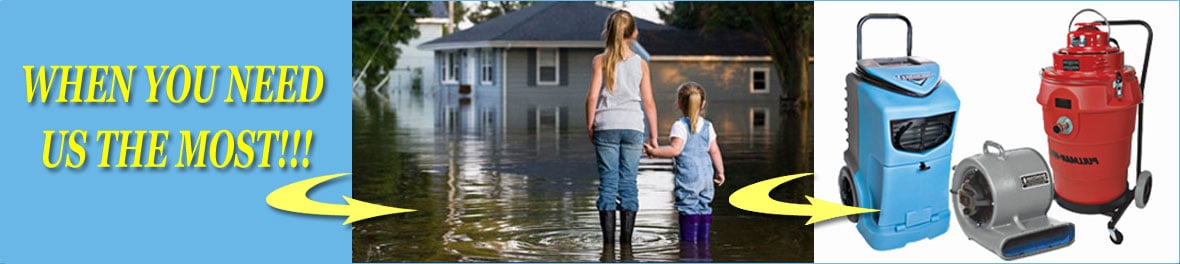
From there, emergency extraction removes standing water using industrial pumps and vacuums. But extraction is just the start. The real work involves structural drying with commercial dehumidifiers and air movers, moisture detection using infrared cameras to find hidden water in walls and subfloors, and continuous monitoring to ensure materials are actually drying, not just appearing dry on the surface. This is where experience and equipment separate professional restoration from well-intentioned amateurs.
Water Restoration Contractor vs DIY Emergency Response
When water is actively flooding your home, your first instinct might be to grab towels and start soaking it up yourself. That instinct isn’t wrong for immediate containment, but it’s not restoration. There’s a meaningful difference between stopping water and actually restoring your property to pre-loss condition.
A qualified water restoration contractor brings specialized equipment you simply can’t rent at a hardware store. Industrial extraction units remove hundreds of gallons per hour. Commercial dehumidifiers pull moisture from the air at rates that household units can’t match. Thermal imaging cameras detect water behind walls where you’d never think to look. Air movers create the specific airflow patterns needed to dry structural materials without causing warping or additional damage.
Beyond equipment, we understand building science. We know how water behaves in different materials, how long various surfaces take to dry completely, and what moisture readings indicate actual dryness versus surface-level improvement. A drywall panel might feel dry to your touch while still holding enough moisture to grow mold within 48 hours. Professional moisture meters and thermal imaging remove the guesswork.
The timeline matters too. What takes our professional crew 3-5 days might take you weeks with household equipment, and every extra day increases your mold risk exponentially. By the time you realize your DIY approach isn’t working, you’re often facing a bigger problem than you started with. Water damage doesn’t pause while you figure things out.
Insurance companies also treat professional restoration differently than DIY attempts. When you hire a certified contractor, you get documentation that supports your claimmoisture readings, photo evidence, detailed scope of work. When you handle it yourself, you’re often left explaining why your approach should be covered, with no professional validation of the damage extent or the work performed.
How Fast Should Emergency Water Damage Response Actually Be
You’ll see a lot of companies advertise fast response times. Some promise 30 minutes, others say 60 minutes, and many just say “fast” without defining it. But what actually matters isn’t the marketing promiseit’s what happens in those critical first hours after water invades your property.
Research shows that response time directly impacts total restoration costs. Properties where professional extraction and drying begin within 4 hours average around $4,100 in total costs. Wait 24 hours and that same scope of damage averages $7,900a 93% increase. At 48 hours, you’re looking at $11,200 on average, a 173% increase over the 4-hour response. These aren’t scare tactics. They’re the economic reality of how water damage compounds.
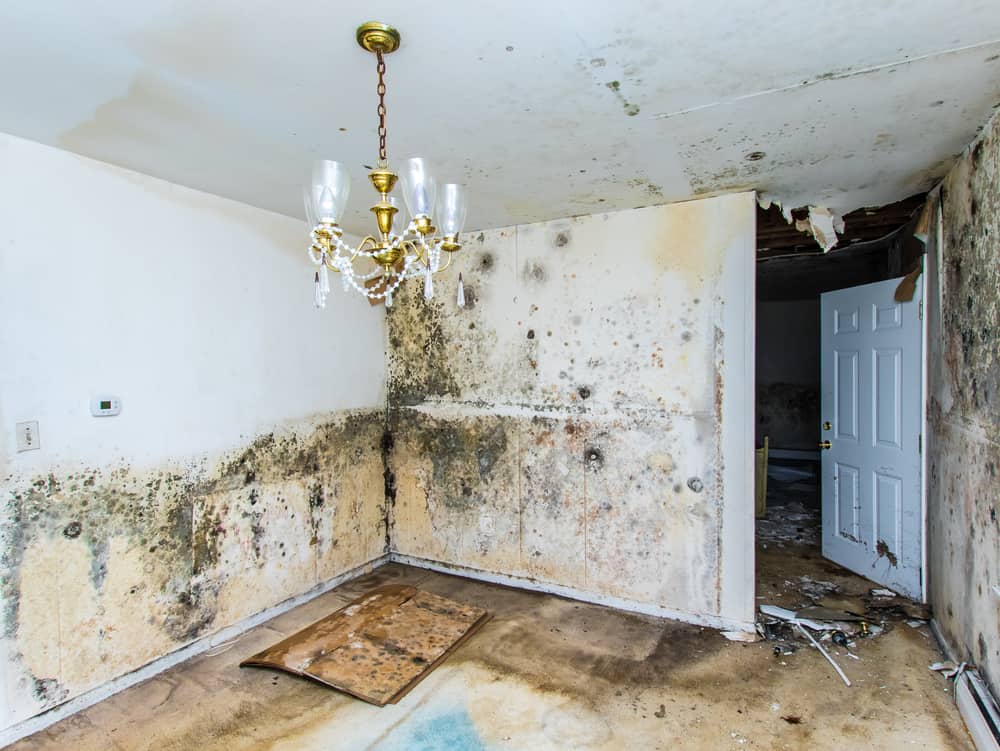
The reason is straightforward. In the first few hours, damage is typically limited to materials directly contacted by water. By 24 hours, wicking has extended the damage zone by 30-50% beyond the original water contact. Water doesn’t just sit where it landsit travels through porous materials, soaks into subfloors, wicks up drywall, and spreads into areas you’d never suspect. By 48-72 hours, secondary damage begins. Mold spores start germinating. Materials begin degrading. Odors develop. What was a water problem becomes a mold problem, a structural problem, and a health problem.
For Nassau County, NY properties specifically, response time takes on added urgency because of the local climate. Long Island’s humidity means moisture doesn’t evaporate naturally the way it might in drier climates. That ambient humidity keeps materials wet longer and accelerates mold growth. A response that might be acceptable in Arizona creates serious problems here.
We recognize this reality with our weather-responsive emergency services. During and immediately after major storms when call volume spikes, we adjust our protocols. We bring in additional crews, extend shifts, and prioritize triage to address the most critical situations first. This isn’t about being the cheapest optionit’s about being the effective option when it actually matters.
When you’re evaluating emergency water damage restoration services, ask specific questions. What’s their average actual response time, not their advertised promise? How many crews do they have available? What’s their protocol during major weather events when everyone’s calling at once? Do they have the equipment capacity to handle your job immediately or will your property wait while they finish other jobs? These questions reveal whether you’re dealing with a true emergency service or a regular contractor who also takes urgent calls.
Top Restoration Companies and What Sets Them Apart
Not all restoration companies operate at the same level. The industry has a wide rangefrom one-person operations with a truck and some equipment to full-service firms with multiple crews, advanced technology, and comprehensive capabilities. Understanding what separates top restoration companies from the rest helps you make better decisions when you’re under pressure.
The best restoration companies offer complete service from initial emergency response through final reconstruction. You call once, and one company handles everythingwater extraction, structural drying, mold remediation if needed, repairs, and rebuild. This matters because coordinating multiple contractors during a crisis creates gaps where problems slip through. When one company owns the entire process, accountability is clear and nothing gets missed in handoffs.
Certification and training separate professionals from pretenders. IICRC certification isn’t just a logo on a websiteit represents specific training in water damage restoration, structural drying, and industry standards. Companies that invest in ongoing technician training and maintain current certifications tend to deliver better outcomes because their crews actually understand the science behind what they’re doing, not just the mechanics of running equipment.
Flood Restoration Contractors and Storm Damage Specialists
Flood restoration contractors handle a specific type of water damage that requires different expertise than a burst pipe or appliance leak. Flooding, whether from storms, coastal surge, or overwhelmed drainage systems, introduces contaminated water, affects larger areas, and often involves outdoor water sources that standard water damage restoration doesn’t address.
In Nassau County, NY, we understand the local conditions that create flood risks. The area’s coastal proximity means storm surge potential during hurricanes and nor’easters. The high water table means groundwater can push up through basement floors during heavy rain. Aging municipal infrastructure means sewer systems can back up during major weather events, introducing category 3 black water that requires specialized handling and safety protocols.
Flood restoration also involves different timelines and expectations. While a burst pipe might affect one room or floor, flooding can impact entire basements or first floors. The volume of water is larger, the contamination level is higher, and the scope of work is more extensive. We have the equipment capacity to handle this scalemultiple extraction units, enough dehumidifiers to dry large spaces, and the crew size to manage extensive projects.
Storm damage restoration on Long Island follows predictable patterns. Hurricane season brings coastal flooding and wind-driven rain. Winter nor’easters dump heavy snow that melts rapidly in spring, overwhelming drainage systems. Even summer thunderstorms can produce flash flooding that overwhelms sump pumps and foundation drainage. Our weather-responsive restoration services anticipate these patterns and prepare accordingly.
We maintain relationships with insurance carriers who handle flood claims. We understand the National Flood Insurance Program requirements, know what documentation flood claims require, and can navigate the specific complexities of flood coverage versus standard homeowner’s insurance. This expertise saves you time and frustration when you’re already dealing with significant property damage.
Basement Restoration Companies and Below-Grade Water Challenges
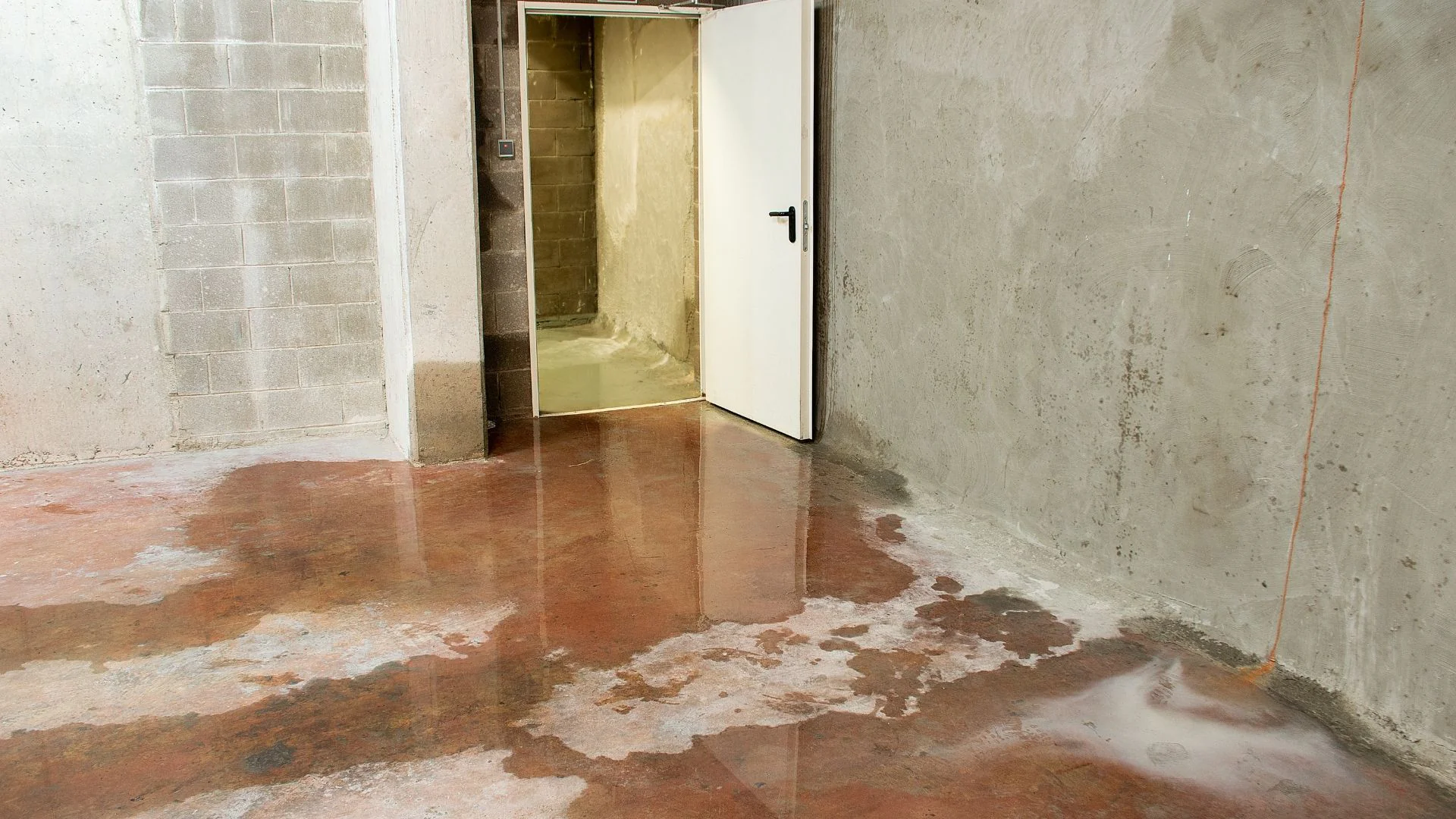
Basements present unique restoration challenges that require specialized knowledge. Water in a basement isn’t just a cleanup issueit’s often a symptom of larger problems with foundation drainage, groundwater management, or structural waterproofing. We address both the immediate water damage and the underlying causes to prevent recurrence.
Nassau County, NY basements face specific vulnerabilities. As the lowest point in a structure, they flood first during any water event. Hydrostatic pressure from oversaturated soil can push water through foundation walls and floor cracks. High water tables mean groundwater is always present below the basement floor, waiting for any opportunity to intrude. Clay-heavy soil common in parts of Nassau County holds water and expands when wet, creating constant pressure against foundation walls.
Professional basement restoration goes beyond pumping out standing water. It involves assessing why the water entered in the first place. Was it a failed sump pump? Overwhelmed foundation drainage? Cracks in the foundation wall? Surface water flowing toward the foundation instead of away from it? Each cause requires different solutions, and treating the symptom without addressing the cause just sets you up for the next flood.
We also deal with the reality that basements often contain stored belongings, finished living spaces, utilities, and HVAC systems. Water damage in a basement can affect your heating system, water heater, electrical panel, and years of stored possessions. Our restoration process accounts for all of this, not just extracting water and drying the space.
Mold risk in basements is particularly high. The cooler temperatures, limited airflow, and abundant porous materials create ideal conditions for mold growth. Our professional basement restoration includes specific mold prevention protocolsthorough drying, antimicrobial treatments where appropriate, and moisture monitoring to ensure the space is actually dry before reconstruction begins. Skipping these steps or rushing the drying process virtually guarantees mold problems within weeks.
Long-term basement waterproofing often becomes part of the restoration conversation. If your basement has flooded once, it’s likely to flood again unless you address the underlying causes. We can evaluate whether you need improved drainage, sump pump upgrades, foundation waterproofing, or other preventive measures. This isn’t upsellingit’s preventing you from going through the same nightmare again next storm season.
Choosing Emergency Water Damage Restoration Services in Nassau County
When water is actively damaging your property, you need to make decisions quickly but not carelessly. The restoration company you choose determines whether you’re dealing with a manageable recovery or a prolonged nightmare. Focus on the factors that actually matter: response time, service completeness, insurance expertise, and proven local experience.
Look for companies with real 24/7 availability, not just an answering service that takes messages for callback during business hours. Ask about their average response time and what their protocol is during high-demand periods like major storms. Companies with multiple crews and substantial equipment inventory can actually deliver on emergency promises. Those operating on thin margins often can’t.
Complete service matters more during an emergency than it does for planned projects. You don’t want to coordinate multiple contractors while dealing with water damage. Find a company that handles everything from initial extraction through final reconstruction, and verify they have the in-house capabilities to deliver on that promise rather than subcontracting pieces to others.
Insurance coordination can make or break your experience. Companies experienced with direct insurance billing understand what documentation carriers require, how to communicate with adjusters, and how to navigate the claims process efficiently. This expertise saves you from becoming a go-between, translating technical restoration work into insurance language while you’re already stressed.
For Nassau County, NY specifically, local experience matters. Companies that understand Long Island’s coastal weather patterns, aging infrastructure, basement flooding issues, and high water tables bring relevant knowledge to your situation. They’ve seen your problem before, they know what works in local conditions, and they have relationships with local building departments and inspectors that smooth the restoration process.
We’ve served Nassau County and Suffolk County for over 35 years, combining emergency responsiveness with comprehensive restoration expertise. When water damage strikes, the difference between quick recovery and extended disruption often comes down to that first call.
Article details:
- Published by:
- First Response Restoration
- Published to:
- Last modified:
- August 6, 2026
Share:
Continue learning: