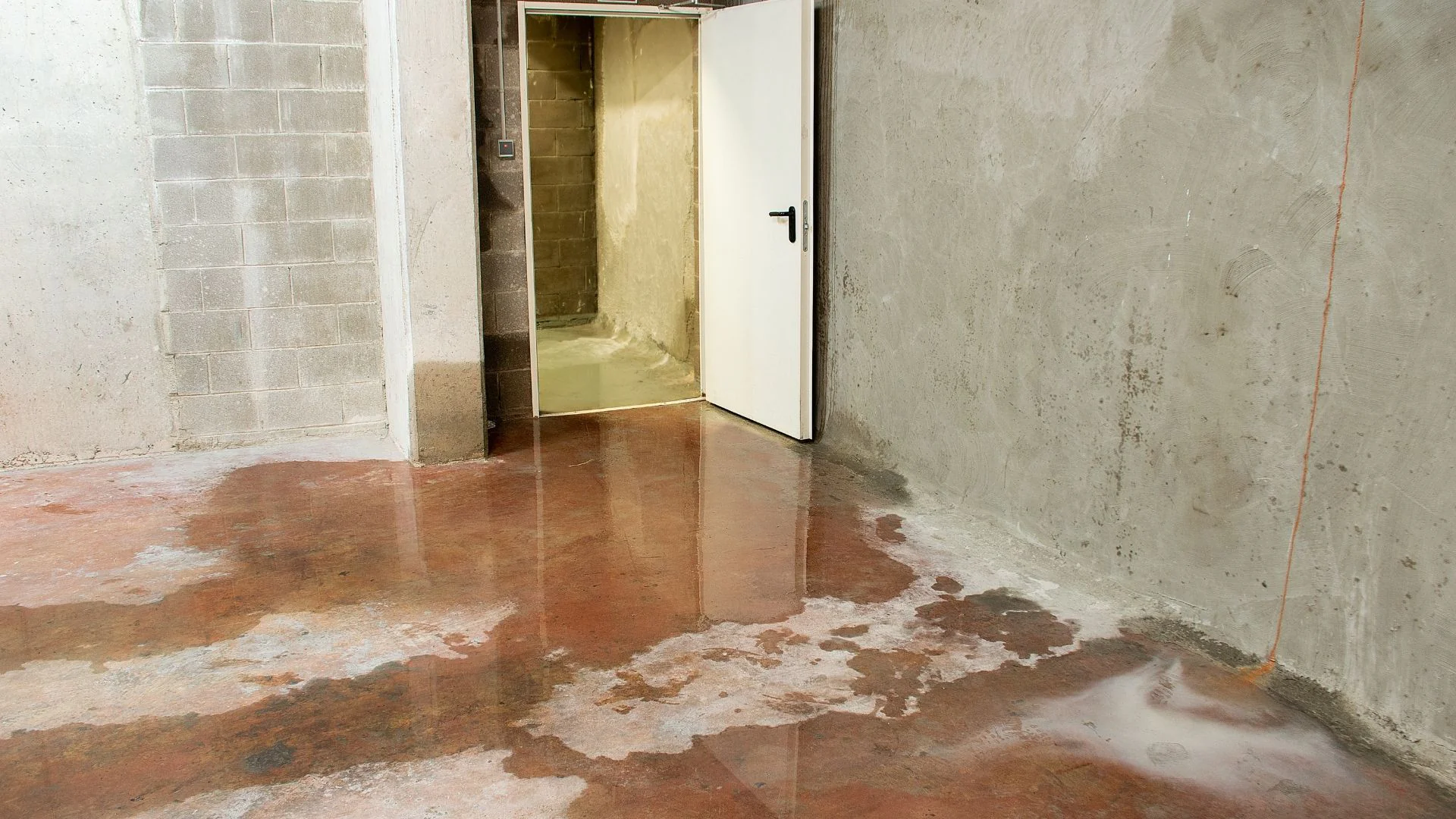
Guide to Preventing Attic Mold After Flooding
Flooding in Nassau County creates perfect conditions for attic mold. Learn the critical 24-48 hour prevention window and steps to protect your home from costly damage.
Share:
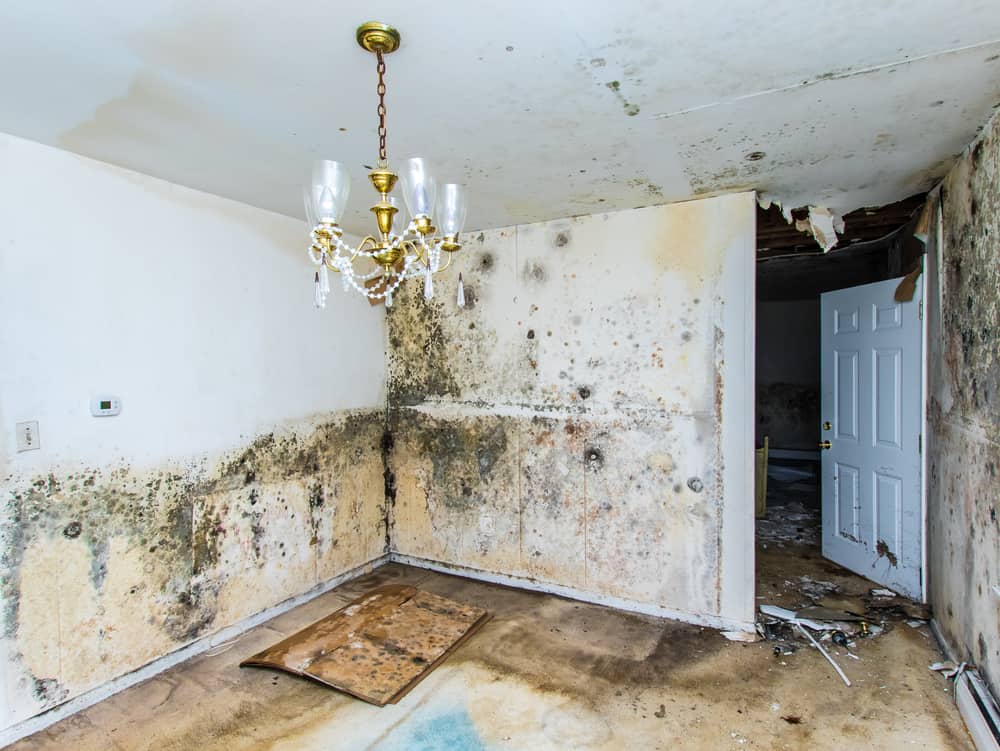
Summary:
When floodwater enters your Nassau County home, the clock starts ticking. You’ve got maybe two days before mold spores activate and start colonizing every damp surface they can findincluding spaces you can’t see, like your attic. The science is clear: mold doesn’t wait for you to figure things out. It grows fast, spreads faster, and turns a manageable water problem into a health hazard if you don’t act within that narrow window. This guide breaks down what actually works to prevent attic mold after flooding, what the timeline really means for your home, and when calling in professionals isn’t just smartit’s necessary.
Understanding the Mold Growth Timeline After Flooding
Here’s what matters: mold spores are already in your home. They’re in the air, on surfaces, waiting. What activates them is moisture, and flooding gives them exactly what they need.
According to the EPA, mold typically takes 24 to 48 hours to start growing after a flood if conditions are right. That’s not a lot of time. The spores don’t become visible right awaythat takes about 18 to 21 daysbut the colonization process starts within that first two-day window. Once it begins, you’re not just dealing with surface mold. You’re dealing with growth that’s working its way into porous materials like drywall, insulation, and wood framing.
Temperature plays a role too. Mold grows faster in warmer environments, typically between 70 and 80 degrees. Nassau County’s humid summers create ideal conditions, especially in poorly ventilated spaces like attics and basements.
Why Attics Are Vulnerable After Basement Flooding
You might think a flooded basement has nothing to do with your attic. But moisture doesn’t stay put.
When water saturates your basement, it increases the overall humidity in your home. Warm, moist air rises. If your attic has poor ventilation, inadequate insulation, or unsealed gaps around pipes and fixtures, that humid air gets trapped up there. It condenses on cooler surfacesroof sheathing, rafters, insulationand creates the damp environment mold needs.
Attics also face their own direct flooding risks. Roof leaks during storms, damaged flashing around chimneys and vents, or clogged gutters that overflow can all introduce water directly into your attic space. In Nassau County’s coastal areasparticularly South Shore communities like Long Beach, Oceanside, and Merricknor’easters and tropical systems bring heavy rainfall and storm surge that test every weak point in your roof. The low elevation and proximity to the Atlantic make these areas especially vulnerable.
Even without a visible leak, condensation alone can cause problems. During colder months, warm air from your living spaces hits the cold surfaces in an under-insulated attic and forms moisture. If that moisture doesn’t have a way to escape through proper ventilation, it sits there. And sitting moisture is an invitation.
The real issue is that attic mold often goes unnoticed until it’s extensive. Most people don’t spend time in their attics. By the time you notice a musty smell or see staining on your ceiling, the mold has likely been growing for weeks or months. That’s why prevention after any flooding eventbasement or otherwiseneeds to include checking your attic for moisture and ventilation problems.
What Happens in the First 72 Hours
The first three days after flooding are critical. This is your prevention window.
In the first 24 hours, water is still actively soaking into porous materials. Drywall absorbs moisture like a sponge. Carpet padding holds water against the subfloor. Insulation becomes saturated. Wood framing starts to swell. If you can remove standing water and start drying these materials within this timeframe, you have a solid chance of preventing mold growth entirely.
Between 24 and 48 hours, mold spores begin to germinate. They’re not visible yet, but the colonization process has started. This is when professional drying equipment makes the biggest difference. Industrial dehumidifiers and air movers can pull moisture out of materials much faster than household fans. The goal is to get the relative humidity below 50% and the moisture content in building materials below 16%. If you hit those targets within 48 hours, mold growth is unlikely.
After 48 hours, your window is closing. The CDC is specific about this: if wet items cannot be cleaned and dried within 24 to 48 hours after flooding, assume mold growth has started. At that point, you’re shifting from prevention mode into mold remediation mode. That means containment, proper removal of contaminated materials, and potentially hiring licensed professionals to handle it correctly.
By 72 hours, mold is actively growing. Porous materials that have stayed wet this longcarpet, drywall, insulationshould be removed and discarded. They can’t be saved. Trying to dry them out at this stage just leaves you with materials that will continue to support mold growth and spread spores throughout your home.
The timeline is unforgiving, but it’s not arbitrary. It’s based on how mold biology works. Spores need sustained moisture to activate. Give them three days of it, and they’ll make themselves at home.
How to Prevent Mold After Basement Flooding
Basement flooding is one of the most common water damage scenarios in Nassau County. The coastal location, aging infrastructure, and homes built before modern waterproofing standards all contribute to the problem. Communities like Hempstead, Garden City, and Westbury see recurring basement water intrusion during heavy rain events.
Prevention starts with immediate water removal. If you can safely enter the space, get the standing water out as fast as possible. A wet/dry vacuum works for minor flooding. For anything more than a few inches, you’ll need a sump pump or professional water extraction equipment. Every hour that water sits increases the depth of saturation in your walls and floors.
Once the water is out, the drying process begins. Open windows if outdoor humidity is lower than indoor. Run fans to increase air circulation. Deploy dehumidifiers to pull moisture from the air. The goal is aggressive drying within that 24-48 hour window.
Basement Flooded How to Prevent Mold: The First Steps
When your basement floods, your first move should be safety. Don’t enter standing water if there’s any chance of electrical hazards. Shut off power to the basement at the breaker if wiring or outlets are wet. Once it’s safe, document everything for your insurance claim before you start cleanup.
Remove all wet items immediately. Furniture, area rugs, boxes, stored belongingsget them out of the space. Porous items that have been soaked for more than 48 hours should be discarded. That includes carpet and carpet padding, which are nearly impossible to dry thoroughly once saturated. Drywall that’s been wet above the four-foot level typically needs to be cut out and replaced. Moisture wicks upward, so even if the water only reached two feet, dampness can climb higher.
Ventilate the walls. This might sound extreme, but it’s necessary. Remove wet baseboards to allow air to reach the bottom of the drywall. If the drywall is saturated, cut horizontal slits near the bottom to let moisture escape from inside the wall cavity. Remove any wet insulation between wall studsit won’t dry properly and will become a mold breeding ground.
Clean and disinfect all hard surfaces that came in contact with floodwater. Use a mixture of detergent and water first, then follow with a disinfectant. For surfaces that can’t be cleaned thoroughlyporous foundation materials with cracks and crevices, for exampleyou may need to apply a disinfectant solution to kill mold spores you can’t physically remove.
Monitor the drying process with a moisture meter if you have access to one. Don’t rely on surfaces feeling dry to the touch. Materials can hold moisture internally even when they seem dry on the outside. Professional restoration companies use moisture meters to take readings twice daily and track progress. If you’re handling this yourself, check frequently and keep the dehumidifiers running until readings confirm the space is genuinely dry.
The basement environment matters long-term too. Once the immediate crisis is handled, address the source of the flooding. Poor grading that directs water toward your foundation, failed sump pumps, cracks in foundation walls, or inadequate drainage systems all need to be fixed. Otherwise, you’re just waiting for the next flood.
When Professional Attic Mold Removal Becomes Necessary
Some flooding situations are beyond DIY capabilities. If your HVAC system was submerged or exposed to floodwater, don’t turn it on. All surfaces and components of heating and cooling systems that were affected can harbor bacteria and mold. Running the system before professional cleaning will spread contaminants throughout your entire home via the ductwork.
If the flooding involved sewage or contaminated waterwhat the industry calls Category 3 wateryou need professionals. This isn’t just about mold. It’s about bacteria, viruses, and other pathogens that require specialized cleaning protocols and safety equipment to handle properly.
The extent of the damage matters too. The EPA recommends professional help for mold outbreaks larger than 10 square feet. If you’re looking at multiple rooms, extensive wall damage, or hidden mold in crawl spaces and wall cavities, professionals have the containment equipment, HEPA filtration, and expertise to handle it without spreading spores to unaffected areas.
In Nassau County specifically, New York State law adds another layer. Mold assessment and remediation must be performed by NYS Department of Labor-licensed professionals for certain projects. The same company cannot perform both the assessment and the remediationthey must be separate entities. This ensures objectivity in the process and protects homeowners from conflicts of interest.
Professional restoration companies bring more than just equipment. We bring speed. When your home floods, hundreds of other homes in the area might be flooded tooespecially after nor’easters hit the South Shore. That makes fast response from a dry-out company difficult to secure. At First Response Restoration and Cleaning Inc., with 35 years of experience serving Nassau and Suffolk Counties, we maintain emergency response capabilities specifically for this reason. We understand the local flooding patterns, work directly with insurance companies, and can mobilize quickly when storms hit communities like Freeport, Baldwin, and Massapequa.
We also bring documentation. Insurance claims require detailed recordsphotos, moisture readings, scope of work, materials removed. We provide organized, digital reports that make the claims process smoother. When you’re dealing with the stress of a flooded home, having someone handle the insurance paperwork is worth the investment.
The decision to call professionals often comes down to time and risk. If you can’t get the space dried within 48 hours using the equipment you have access to, call someone who can. If you have health conditions that make mold exposure riskyasthma, allergies, compromised immune systemdon’t attempt remediation yourself. The cost of professional service is almost always less than the cost of health problems or extensive mold remediation down the line.
Taking Action Before Mold Takes Hold
Preventing attic mold after flooding comes down to understanding the timeline and acting within it. You have 24 to 48 hours before mold starts growing. Use that time to remove water, dry materials thoroughly, and address moisture in every part of your homeincluding spaces like attics that might not seem directly affected.
Nassau County’s coastal location makes flooding a recurring risk, not a one-time event. Proper ventilation, adequate insulation, regular roof maintenance, and functional drainage systems are your long-term defense. But when flooding happens, speed matters more than anything.
If you’re facing water damage and concerned about mold growth, we provide 24/7 emergency response throughout Nassau and Suffolk Counties. With IICRC-certified technicians, advanced moisture detection technology, and direct insurance billing, we handle everything from initial water extraction through complete restorationso you can focus on getting your life back to normal instead of fighting mold.
Article details:
- Published by:
- First Response Restoration
- Published to:
- Last modified:
- October 1, 2026
Share:
Continue learning: