Fall Maintenance Prevents Winter Water Damage
Your Nassau County home needs fall preparation before winter arrives. Learn essential maintenance tasks that prevent frozen pipes, basement flooding, and costly water damage emergencies.
Share:
Summary:
You’ve seen it happen to neighbors. A pipe bursts in January. Water floods the basement during Thanksgiving. Ice dams rip gutters off the house after the first real snowfall. These aren’t freak accidents. They’re predictable consequences of skipping fall maintenance.
Nassau County winters don’t mess around. Coastal storms, nor’easters, and freeze-thaw cycles put your home through tests that summer never prepared it for. But here’s what most homeowners miss: winter damage almost always starts with something you could have fixed in October.
The work you do this fall determines whether you’re dealing with a minor repair or a major insurance claim when temperatures drop. Let’s walk through what actually matters.
Winter Preparation Checklist for Nassau County Homes
Your home needs different preparation than someone living inland or in a warmer climate. Long Island’s coastal location creates specific vulnerabilities that you can’t ignore.
Start with your exterior. Walk around your property and look for places where water can get in or where cold air can reach your plumbing. Check your foundation for cracks. Look at your roof from the ground and note any missing or damaged shingles. These small issues turn into big problems when winter weather hits.
Your gutters and downspouts need attention before leaves finish falling. Clogged gutters don’t just overflow during rainstorms. When that trapped water freezes, it expands and can pop seams in your gutters or pull them away from your house entirely. Ice dams form when water can’t drain properly, and once they start, they damage your roof, fascia, and even your interior walls.
Pipe Freeze Prevention for Long Island Properties
Frozen pipes are the most common and most expensive winter emergency Nassau County homeowners face. When water freezes inside a pipe, it expands with enough force to split copper, crack PVC, and rupture cast iron. We’re talking about up to 2,000 pounds per square inch of pressure. A single burst pipe can release hundreds of gallons of water per hour.
The pipes most likely to freeze are exactly where you’d expect: exterior walls, unheated basements and crawl spaces, attics, and garages. If you have plumbing running through any of these areas, you need to take action now. Homes in Garden City, Hempstead, and throughout Nassau County share these vulnerable spots, but your specific risk depends on how your home was built and where pipes run.
Insulation is your first line of defense. Foam pipe insulation sleeves slip over exposed pipes easily and cost almost nothing compared to water damage repairs. For pipes in especially cold areas like unheated garages or crawl spaces, consider heat tape or heat cable with a built-in thermostat that activates when temperatures approach freezing. You can find these at any Nassau County hardware store.
But insulation only works if cold air can’t reach the pipes in the first place. Walk through your basement and look for gaps where pipes penetrate exterior walls or the foundation. Small cracks let frigid air blow directly onto vulnerable plumbing. This is especially common in older Long Island homes where settling has created gaps over decades. Seal these gaps with spray foam insulation, caulk, or weatherstripping.
Disconnect your outdoor hoses before the first freeze. Water trapped in a hose can freeze and expand back into the pipe and valve, causing both to burst. Drain outdoor faucets and shut off the water supply to outdoor spigots if possible. This simple task prevents thousands of dollars in damage every winter across Nassau County.
If you’re leaving your home for any length of time during winter, never set your thermostat below 55 degrees Fahrenheit. Frozen pipes can occur within hours when indoor temperatures drop too low. Many Long Island homeowners with vacation plans or snowbird schedules learn this lesson the hard way. If you’ll be gone for an extended period, consider having someone check your home periodically to make sure heat is still running and water is flowing.
Know the warning signs of freezing pipes so you can act before they burst. If you turn on a faucet and only get a trickle when other faucets work fine, ice is likely blocking the line. Frost visible on exposed pipes is another clear indicator. Unusual banging or clanking sounds when you turn on water can mean partial ice blockage. The earlier you catch these signs, the better your chances of preventing a burst.
Basement Waterproofing Checks Before Heavy Winter Rains
Nassau County’s high water table makes basements particularly vulnerable to water intrusion. Add in fall storms that saturate the ground before winter freeze-thaw cycles, and you’ve got a recipe for basement flooding. Areas near the coast like Long Beach and Freeport face even higher water tables and additional flooding risks from coastal storms.
Your sump pump is your first line of defense, but most homeowners never test it until they need it. Pour a bucket of water into the sump pit and watch what happens. The pump should activate quickly and discharge water away from your foundation. If it doesn’t, you need repairs or replacement before winter rains arrive. A broken sump pump during heavy rain or snowmelt can flood your basement in hours.
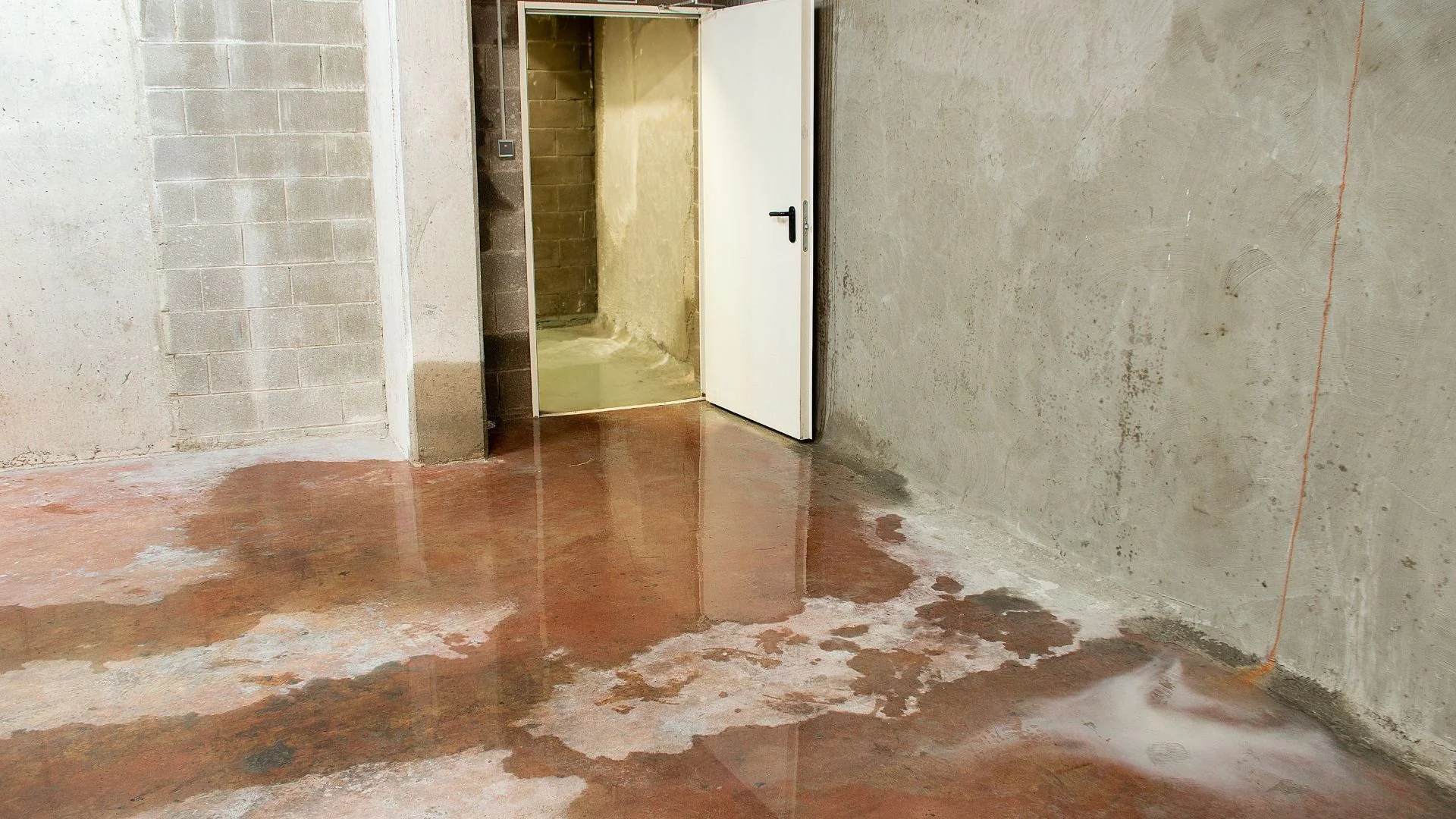
Check your basement walls and floor for signs of moisture. Water stains, efflorescence (that white, chalky substance on concrete), musty odors, or any dampness indicates water is getting in. Small leaks now become bigger problems when winter precipitation increases and freeze-thaw cycles crack foundations further.
Foundation cracks deserve immediate attention. Even hairline cracks can let water seep in, and freezing water expands those cracks wider with each freeze-thaw cycle. Nassau County’s soil composition varies dramatically from neighborhood to neighborhood. Sandy soil near Long Beach behaves completely differently than clay found in Syosset or Hicksville, which means waterproofing solutions need to match your specific property conditions.
Look at how water drains away from your house. Your yard should slope away from the foundation, not toward it. Downspouts need to discharge water at least five feet from your foundation. If water pools near your house after rain, you’re setting yourself up for basement flooding when snow melts or winter storms hit. This is particularly critical on Long Island where nor’easters can dump several inches of rain in a short period.
Window wells are often overlooked but can become major flooding sources. Clear out any debris and make sure the drainage system works properly. Test it by safely pouring water into the well and watching where it goes. If it doesn’t drain quickly, you’ll have standing water that can seep into your basement or freeze and cause damage.
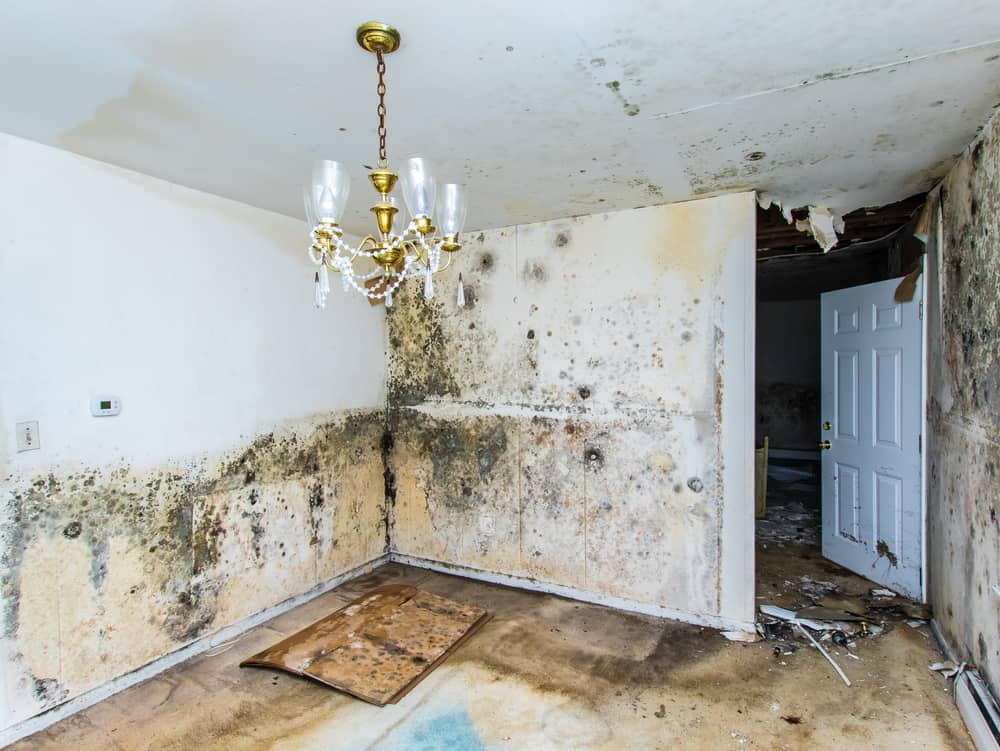
Inside your basement, check for proper ventilation and insulation. Moisture problems get worse in winter when you’re running heat and keeping windows closed. Make sure vents aren’t blocked and that insulation isn’t trapping moisture against foundation walls. Poor ventilation combined with Nassau County’s humidity creates perfect conditions for mold growth within 24 to 48 hours of water exposure.
Fall Gutter and Drainage System Maintenance
Gutters might seem like a minor detail until they fail. Then you’re looking at roof damage, fascia rot, foundation problems, and basement flooding all from one clogged downspout.
Long Island gets hit with debris not just from your own trees but from coastal storms that bring leaves and branches from neighboring properties. Even if you don’t have trees directly over your house, gutters still fill with debris throughout the year. Fall is when it gets critical because leaves decompose quickly and create solid blockages.
Clean your gutters after most leaves have fallen but before the first freeze. Leaves left in gutters for even a short period create blockages that trap water. When rain or snowmelt can’t drain, it overflows and runs down behind your gutters or pools on your roof. That standing water freezes when temperatures drop, creating ice dams and putting tremendous weight on your gutter system.
How to Inspect Your Drainage System for Winter Readiness
Cleaning gutters is only part of the equation. Your entire drainage system needs to work together to move water away from your house before winter weather tests it.
Start at the top. Walk around your house and look up at your gutters. They should be firmly attached to the fascia with no sagging sections. Sagging means water pools instead of flowing to downspouts. Check that gutters slope slightly toward downspouts so water doesn’t sit. Long Island’s freeze-thaw cycles are particularly hard on sagging gutters because trapped water freezes, expands, and damages the system from within.
Run water through your gutters with a hose and watch what happens. Water should flow smoothly to downspouts and discharge away from your foundation. If it overflows or backs up, you’ve got blockages that need clearing. This test is worth the time because it shows you exactly how your system performs under stress, before a winter storm puts it to the real test.
Downspouts need special attention. They’re easy to forget because they’re vertical and don’t collect visible debris like gutters do. But a clogged downspout makes your entire gutter system useless. Water backs up, overflows, and dumps right next to your foundation. Use a plumber’s snake or a high-pressure hose to clear any blockages from the top down.
Check where downspouts discharge. The water needs to flow at least five feet away from your foundation, and it should drain downhill, not pool. If you see standing water near downspout outlets, you need to extend them or regrade the area. Extensions are inexpensive and easy to install, but they prevent thousands of dollars in foundation damage and basement flooding.
Underground drainage systems need inspection too if you have them. These systems take water from downspouts and carry it away from your house through buried pipes. They work great until they clog or crack. Pour water into the system and make sure it drains quickly. If water backs up, you’ve got a blockage that needs professional clearing before winter precipitation overwhelms it.
Your yard’s grading affects how well everything else works. Walk around your property after a rain and look for areas where water pools or flows toward your house. The ground should slope away from your foundation on all sides. If it doesn’t, you’re fighting an uphill battle against water damage no matter how well your gutters work. Many Nassau County properties have settled over time, creating drainage problems that weren’t there when the house was new.
When to Schedule Professional Inspections and Preventive Services
Some fall maintenance tasks are straightforward DIY projects. Others require professional expertise, specialized equipment, or safety measures that make hiring experts the smarter choice.
Roof inspections should be left to professionals, especially on multi-story homes. Walking on a roof is dangerous, and you might cause more damage than you prevent if you don’t know what you’re doing. A professional can spot issues you’d miss from the ground: damaged shingles, compromised flashing around chimneys and vents, and early signs of wear that will become leaks once winter weather hits. Long Island’s coastal winds and salt air accelerate roof deterioration, making professional inspection even more important.
Asphalt shingles need to be installed or repaired at temperatures between 40 and 85 degrees Fahrenheit. Once it gets colder, the shingles become brittle and their adhesive doesn’t work properly. That means fall is your last window for roof repairs until spring. Missing or damaged shingles let water infiltrate your home, and that water can freeze in your attic or walls, causing extensive damage you won’t discover until it’s too late.
Your heating system needs professional maintenance before you rely on it through winter. A furnace or boiler that seemed fine last winter might have developed problems during months of inactivity. Technicians check safety systems, clean components, test efficiency, and catch small issues before they become expensive failures or safety hazards. Emergency heating repairs during peak winter months cost more and often require waiting for available technicians. Nassau County’s hard water also creates unique challenges for boilers and water-based heating systems, with mineral buildup reducing efficiency and causing premature component failure.
Chimney cleaning and inspection is another job for professionals. Creosote and soot buildup is a fire hazard, and checking the chimney from the roof requires safety equipment and expertise. Professionals can also inspect the liner for cracks and the cap for damage, both of which can let water into your home or create dangerous carbon monoxide situations. Many Long Island homes have chimneys that haven’t been cleaned in years, creating serious fire risks once you start using the fireplace regularly.
Complex plumbing issues need professional diagnosis. If you’ve noticed slow drains, unusual sounds from your plumbing, or any signs of leaks, get them checked now. Small problems become emergencies when winter stress hits your system. A plumber can also identify vulnerable pipes you might not know about and recommend insulation or rerouting before freezing becomes an issue.
Basement waterproofing often requires professional assessment, especially if you’re dealing with recurring moisture problems. Every Nassau County property has unique soil conditions, water table levels, and drainage patterns. What works in Massapequa might not work in Great Neck. Professionals can diagnose the actual source of water intrusion and design solutions that address your specific situation rather than applying generic fixes that waste money without solving the problem.
The investment in professional inspections and preventive services pays for itself by catching problems early. A $200 furnace tune-up prevents a $3,000 emergency repair in January. A professional roof inspection identifies $300 in shingle repairs before they become $5,000 in water damage. The math isn’t complicated, and neither is the decision to get professional help before winter arrives.
Protect Your Nassau County Home Before Winter Arrives
Fall maintenance isn’t about perfectionism. It’s about preventing predictable problems that cost thousands to fix and cause major disruption during the worst possible times.
The tasks covered here protect your home from the specific challenges Long Island winters create: frozen pipes from extended cold snaps, basement flooding from winter storms and snowmelt, ice dams from clogged gutters, and foundation damage from freeze-thaw cycles. These aren’t rare events. They happen every winter to homeowners who skipped fall preparation.
Start with the basics: clean your gutters, insulate vulnerable pipes, test your sump pump, and inspect your drainage system. Then move to professional services for your roof, heating system, and any complex plumbing or waterproofing issues. The work you do in October and November determines whether you’re relaxed or stressed when the first freeze hits.
If you’re dealing with water damage, need professional inspections, or want expert help preparing your home for winter, we’ve served Nassau County homeowners for over 35 years. Our certified technicians can assess your property, identify vulnerabilities, and provide the preventive services that keep your home protected through whatever winter throws at it.
Article details:
- Published by:
- First Response Restoration
- Published to:
- Last modified:
- September 25, 2026
Share:
Continue learning: