Black Mold Removal Costs in Nassau County
Dealing with black mold in Nassau County? Costs vary widely based on contamination extent, location, and structural repairs neededhere's what actually drives the price.
Share:
Summary:
You found black mold. Now you’re trying to figure out what it’ll actually cost to fix it without getting taken for a ride. The problem is that every quote you get seems to be in a different ballpark, and nobody’s explaining why. Some companies throw out low numbers that feel too good to be true. Others hit you with estimates that make you wonder if they’re rebuilding your entire basement.
Here’s what you need to know: black mold removal costs in Nassau County aren’t one-size-fits-all, and that’s because the work itself isn’t either. The final price depends on how far the mold has spread, where it’s growing, what caused it, and whether your walls need to come down. Let’s break down what you’re actually paying for and what separates a thorough job from a quick patch.
What Black Mold Removal Actually Costs in Nassau County
Most basement black mold removal projects in Nassau County fall between $1,500 and $6,000. That’s not a guessit’s based on the reality of what coastal moisture does to homes here and how much work it takes to remove contamination properly.
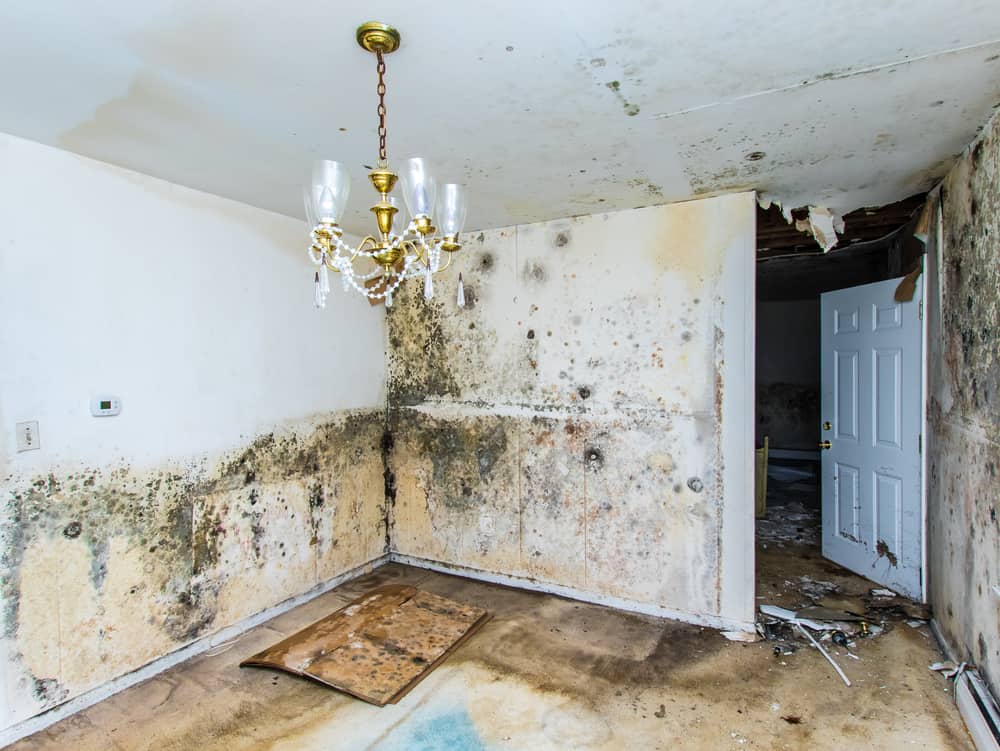
The range exists because mold doesn’t show up the same way twice. A small patch in one corner of your basement is a different animal than growth spreading across multiple walls or creeping into your HVAC system. Professionals charge $10 to $25 per square foot for remediation, but square footage alone doesn’t tell the whole story. If the mold is behind drywall, if it’s traveled into insulation, or if it’s black mold that requires stricter safety protocols, you’re looking at the higher end of that range.
Nassau County’s location between the Long Island Sound and Atlantic Ocean creates humidity levels that make basements prime real estate for mold. The same coastal air that makes summer evenings pleasant also means your basement stays damp longer after storms, and that moisture is exactly what mold needs to thrive. Post-war housing stock throughout communities like Garden City, Levittown, and Massapequa adds another layerolder homes with aging infrastructure and construction methods that weren’t designed for today’s moisture management standards.
Mold Treatment Cost Factors You Need to Understand
Treatment costs jump when you’re dealing with Stachybotrys chartarumthe black mold everyone worries about. It’s not just hype. This stuff requires full-face respirators, negative-pressure containment, and HEPA scrubbers running through the entire removal process. That specialized equipment and those extra safety measures can raise your bill by 25 to 50 percent compared to treating less hazardous mold types.
Then there’s the question of what the mold is growing on. Porous materials like drywall, carpet, and insulation can’t be saved once mold takes hold. They have to be cut out, bagged, and disposed of properly. That’s labor-intensive work, and it’s why remediation isn’t just about spraying something on the wall and calling it done. Solid materials like concrete or sealed wood can sometimes be cleaned and treated, which saves money, but those situations are less common in basement environments.
Location matters more than most people realize. Mold in an open basement area is relatively straightforward to access and contain. Mold in crawl spaces, behind finished walls, or in HVAC ductwork requires more time, more specialized equipment, and sometimes permits. Crews working in tight spaces move slower, and that means higher labor costs. If your basement is finished, you’re also looking at demolition and reconstruction costs on top of the actual mold removal.
Insurance coverage can offset some of these costs, but only if the mold resulted from a covered event like a burst pipe or sudden water damage. Most policies won’t cover mold that developed from long-term leaks or maintenance issues you should have addressed earlier. When insurance does kick in, coverage typically caps between $1,000 and $10,000 per occurrence. That’s where direct insurance billing becomes valuableit reduces your upfront costs and eliminates the hassle of filing claims yourself.
The timeline affects cost too. Emergency servicesnights, weekends, or right after a stormcome with premium pricing, usually 20 to 30 percent more than standard rates. If you can wait for regular business hours, you’ll save money. But if mold is actively spreading or you’ve got a health concern, waiting might cost you more in the long run.
What Comprehensive Black Mold Remediation Includes
Proper black mold remediation isn’t a single step. It’s a process, and understanding what’s involved helps you spot companies that cut corners versus those doing the work right.
It starts with containment. Before anyone touches the mold, the affected area gets sealed off with plastic sheeting and negative air pressure systems. This keeps spores from spreading to clean areas of your home during removal. Cutting corners here means contaminating rooms that were fine before the crew showed up. We use air scrubbers and HEPA filtration to capture microscopic spores that go airborne when moldy materials are disturbed.
Next comes the actual removal. Contaminated materialsdrywall, insulation, carpetingget cut away and sealed in heavy-duty bags before leaving your property. What remains gets cleaned with antimicrobial treatments designed to kill mold at the root, not just make it look gone. This is where experience matters. A crew that knows what they’re doing will HEPA vacuum every surface, damp-wipe to remove sticky mycotoxins, and then vacuum again to catch what the wiping released.
Drying is critical and often overlooked. Mold needs moisture to grow, so if the space isn’t completely dry before reconstruction starts, you’ll be dealing with the same problem six months from now. Industrial dehumidifiers and air movers run until moisture levels drop below 50 percent humiditythe threshold where mold struggles to take hold.
Post-remediation verification testing confirms the work actually worked. An independent assessor tests air quality and checks surfaces to make sure spore counts are back to normal levels. This isn’t optional if you want proof the job was done right. Some companies skip this step to save money, which leaves you guessing whether the mold is really gone or just hidden.
The final piece is addressing what caused the mold in the first place. If there’s a leak, poor drainage, or ventilation issue, fixing the mold without fixing the source is throwing money away. A good remediation company will identify moisture sources during the mold inspection and recommend solutions so you’re not paying for the same service twice.
In Nassau County, where aging infrastructure and coastal moisture create ongoing challenges, this comprehensive approach isn’t overkillit’s what it takes to solve the problem permanently. Companies that promise quick fixes or suspiciously low prices are usually skipping steps that matter.
Basement Mold Removal Cost Breakdown for Nassau County
Basements account for the majority of mold calls in Nassau County, and there’s a reason for that. They’re below grade, they’re damp, and they’re where water goes when it finds a way into your house. The coastal humidity doesn’t help.
Basement mold removal typically runs $1,500 to $6,000, but that’s for standard scenarios. If you’re dealing with extensive contaminationmold across multiple walls, into floor joists, or throughout your HVAC systemcosts can climb to $15,000 or more once you factor in reconstruction. The size of the affected area is the starting point, but it’s not the whole picture. A 100-square-foot section of surface mold is a different project than 100 square feet where the mold has penetrated drywall and insulation.
Accessibility plays a bigger role than most people expect. An unfinished basement with exposed walls is the easiest scenario. Finished basements require careful demolition to avoid damaging areas that don’t have mold, and that adds labor hours. Crawl spaces are the worsttight quarters mean crews work slower and need specialized equipment to maintain containment.
How Nassau County's Climate Affects Your Basement Mold Costs
Living between the Long Island Sound and the Atlantic Ocean has perks, but basement mold isn’t one of them. The same humid air that makes summers sticky also keeps your basement damp year-round, and that moisture is what turns a small mold problem into an expensive one.
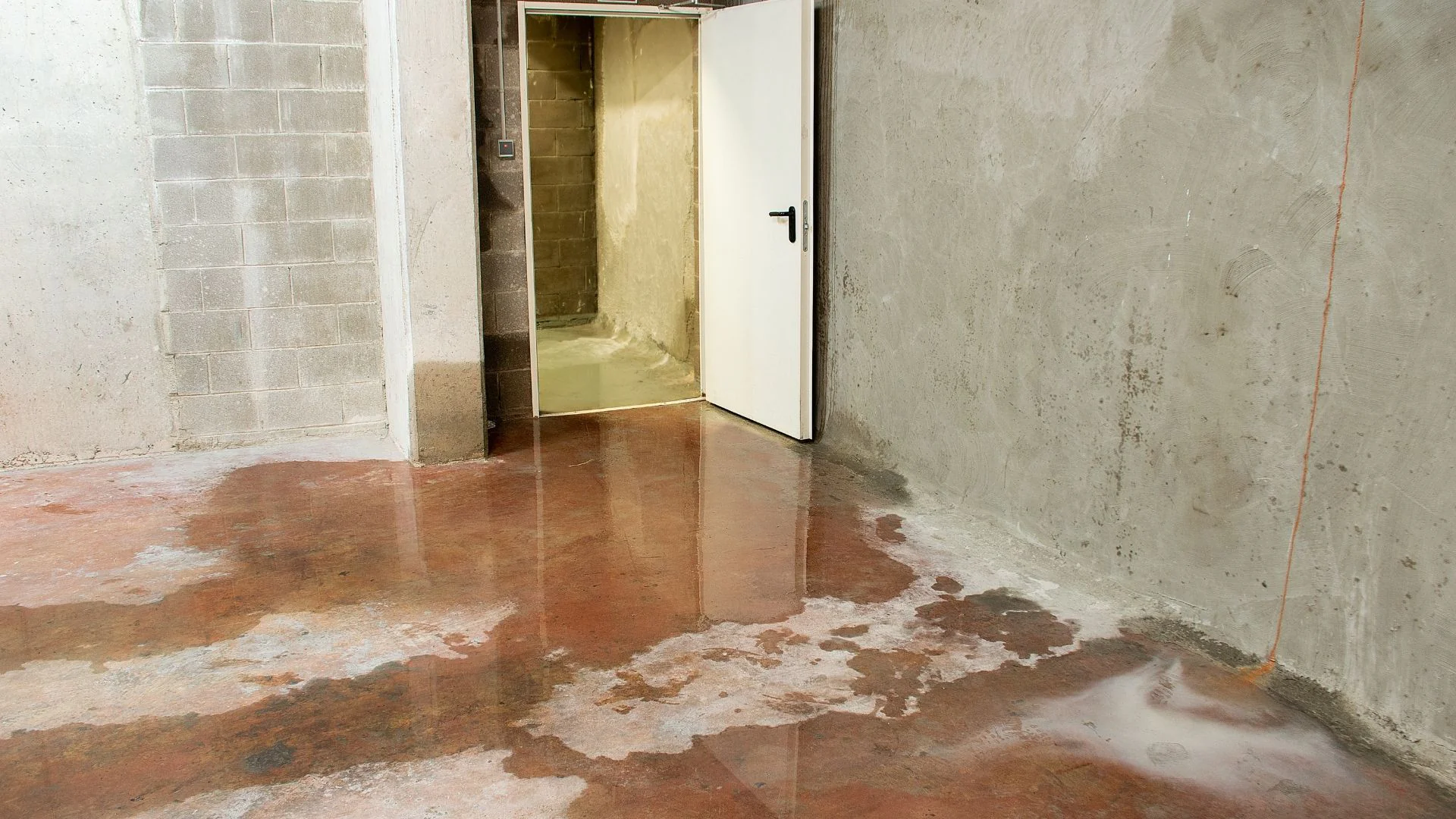
Nassau County basements face challenges that homes in drier climates don’t deal with. Rapid temperature swings create condensation on foundation walls. Dense suburban development affects drainage patterns, sending water toward foundations instead of away from them. Aging infrastructureespecially in post-war housingmeans hidden leaks and water intrusion points that weren’t built to modern standards.
When we scope a Nassau County basement, we’re looking for moisture sources that might not exist elsewhere. Groundwater seepage through foundation cracks, condensation from poor ventilation, humidity levels that stay high even with dehumidifiers running. These aren’t problems you can see, but they’re problems that drive costs because they require more than just removing visible mold.
Coastal storms make things worse. Even if your basement doesn’t flood, the humidity spike after heavy rain creates ideal conditions for mold growth. If there’s existing water damagemaybe from a storm two years ago that you thought was handledmold can develop slowly and spread before you notice it. By the time you see it, the contamination is often more extensive than the visible patch suggests.
This is why infrared imaging technology matters in Nassau County. It detects moisture and temperature differences behind walls that you can’t see or feel. Finding hidden moisture early means catching mold before it spreads, and that keeps costs manageable. Companies that skip this step are gambling that there’s no hidden contamination, and when they’re wrong, you’re the one paying for the do-over.
The climate also affects prevention costs. Basement waterproofing, vapor barriers, and proper drainage systems aren’t cheap$6,000 to $18,000 for comprehensive solutionsbut they’re often necessary to keep mold from coming back. If your remediation quote doesn’t address the moisture source, you’re paying to remove mold without preventing its return.
Mold Drywall Repair Cost and Reconstruction Expenses
Mold remediation and reconstruction are two separate line items, and that’s where some homeowners get blindsided. The remediation quote covers removing the mold. The reconstruction quote covers putting your basement back together afterward. Both are necessary, but they’re not always bundled in the same estimate.
Drywall repair typically costs $300 to $825 for basic work, but that’s for small sections. If mold has spread across multiple walls or ceiling areas, you’re looking at full panel replacement, which runs $800 to $1,500 or more depending on the extent of damage. The challenge is that you won’t know how much drywall needs replacing until the crew opens up the walls and sees how far the mold has traveled.
Moldy drywall can’t be saved. It’s porous, which means mold grows through it, not just on it. Trying to clean it is pointlessthe spores are embedded in the material. That means cutting away contaminated sections, disposing of them properly, and installing new drywall. Then comes taping, mudding, sanding, priming, and painting to match your existing walls. Each step adds labor and materials to the bill.
If the mold reached your insulation, that’s another cost. Insulation removal and replacement can add $1 to $3 per square foot depending on the type. Moldy insulation is treated as contaminated material, which means it requires special handling and disposal. You can’t just toss it in a regular dumpster.
Flooring is often affected too. Carpet and padding that got wet and grew mold need to be removed and replaced. Even if the carpet looks fine, if there’s mold underneath, it’s coming out. Hardwood floors can sometimes be saved if they’re solid wood and the mold is surface-level, but engineered wood and laminate usually can’t be salvaged once mold takes hold.
The reconstruction timeline matters because it affects your total project cost. Some remediation companies offer full-service restoration, handling both the mold removal and the rebuild. Others only do the remediation, which means you’re hiring a separate contractor for reconstruction. Getting both quotes upfrontremediation-only and remediation-plus-rebuildgives you an apples-to-apples comparison when you’re evaluating companies.
Hidden costs show up in the details. Permits for demolition or HVAC work. Disposal fees for contaminated materials. Temporary dehumidifier rentals if moisture levels stay high. Post-reconstruction painting and finishing. These aren’t always included in initial quotes, so asking what’s covered and what’s extra prevents surprises when the final invoice arrives.
In Nassau County, where many homes have finished basements that serve as living space, reconstruction costs can exceed the remediation costs. A $3,000 mold removal job can turn into a $10,000 total project once you factor in rebuilding walls, replacing flooring, and repainting. Companies that provide detailed, itemized estimates upfrontbreaking down remediation, disposal, and reconstruction separatelymake it easier to understand what you’re actually paying for.
Making Smart Decisions About Black Mold Removal in Nassau County
Black mold removal costs what it costs because the work is specialized, the equipment is expensive, and shortcuts lead to callbacks. In Nassau County, where coastal humidity and aging infrastructure create ongoing moisture challenges, thorough remediation isn’t optionalit’s what it takes to prevent you from paying twice.
The companies worth hiring are the ones that explain what you’re paying for before they start work. We scope the job in detail, identify moisture sources, provide itemized estimates, and don’t pressure you into signing before you’ve had time to think. We use certified technicians, follow proper containment protocols, and verify our work with post-remediation testing. We also handle direct insurance billing so you’re not stuck managing claims paperwork while dealing with a mold problem.
If you’re dealing with black mold in Nassau County and want it handled right the first time, we bring 35 years of experience solving these exact problems for Long Island homeowners. We understand what coastal moisture does to basements, we know how to find hidden contamination, and we don’t start work until you understand exactly what you’re paying for and why.
Article details:
- Published by:
- First Response Restoration
- Published to:
- Last modified:
- October 1, 2026
Share:
Continue learning: