
Hear from Our Customers
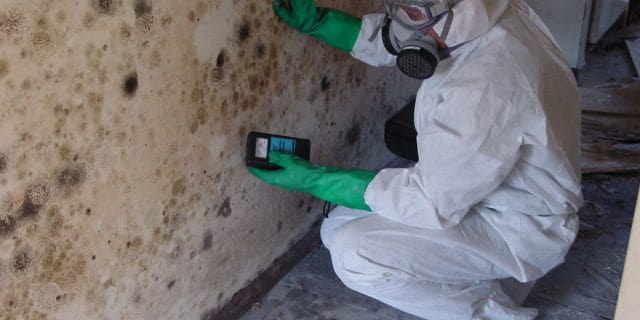
Mold doesn’t just look bad — it quietly works against everything you’ve invested in. In East Williston, where the average home sale price has crossed $1.4 million, a mold problem discovered during a home inspection isn’t just inconvenient. It’s a financial event. Buyers walk. Deals fall apart. Values drop. Getting ahead of it — and resolving it completely — protects what you’ve built here.
The homes in East Williston tell a story. Wheatley Ridge colonials from the 1930s. Mid-century splits with original block foundations. Older attic configurations that weren’t designed with today’s humidity levels in mind. Nassau County summers regularly push humidity past 60%, which is the threshold where mold can start growing within 48 hours in an unventilated space. These aren’t abstract risks — they’re the reality of owning an older home in this part of Long Island.
When remediation is done right, you get more than a clean space. You get documentation. You get the moisture source identified and addressed, not just the visible growth wiped away. You get a home that’s safe to live in, easier to insure, and ready to sell when the time comes — without the conversation no seller wants to have.
We’ve been serving Nassau County homeowners for close to three decades. That’s not a marketing number — it means our team has worked inside the same aging housing stock that defines East Williston. Original plaster walls, block foundations, crawl spaces that were never encapsulated, attics that trap heat and moisture through every Long Island summer. We know what to look for because we’ve been finding it here for years.
Every technician who comes to your home is individually IICRC certified — not just the company on paper, but the actual person walking through your door. That’s a distinction worth asking about when you’re calling around, because not every company holds that standard.
We also hold a New York State mold remediation license and operate in full compliance with the 2016 state law that separates inspection from remediation — a protection that exists specifically for homeowners like you. One Nassau County phone line, one local team, and a track record that speaks for itself.
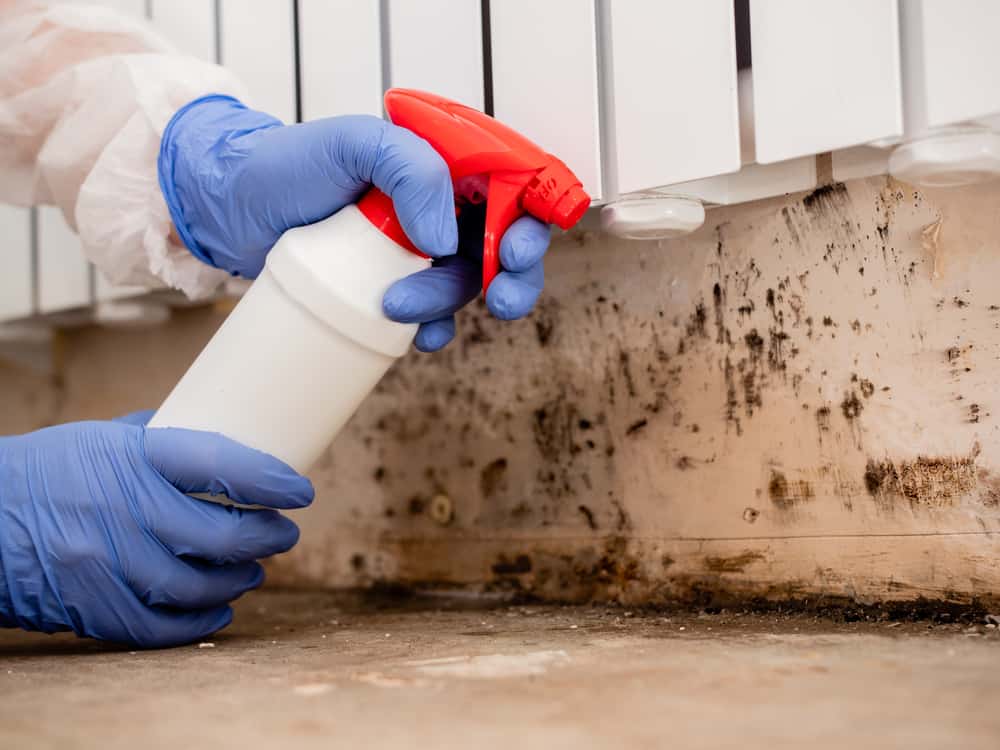
It starts with a 13-point mold inspection. Air testing, swab sampling, infrared imaging to find what’s hiding behind walls and ceilings, moisture measurements, water intrusion assessment, and a full photographic record — all of it documented and sent to a lab. You’ll have written results within 2 to 3 business days. For East Williston homeowners navigating a real estate transaction or an insurance claim, that paper trail isn’t optional — it’s the whole point.
Once the inspection is complete and remediation is authorized, our crew arrives fully equipped. Air movers, dehumidifiers, moisture monitors, containment materials — everything needed to start the job is on the truck. There’s no waiting on a second equipment run. In older East Williston homes where mold can spread quickly through original wood framing and plaster cavities, that speed matters.
After remediation, we handle reconstruction. Drywall replacement, structural repairs, finished surfaces — the full scope of what needs to be put back together. You don’t have to find a separate contractor and start the whole coordination process over again. The job isn’t done until your home looks the way it should.
Ready to get started?
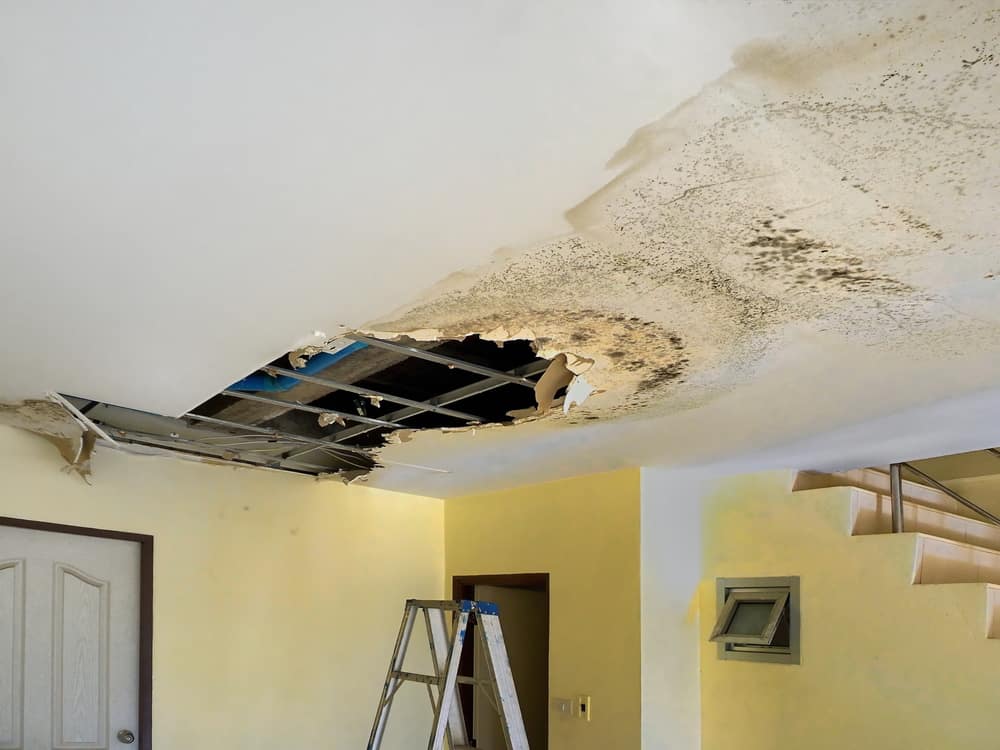
Mold remediation in East Williston covers a range of situations — basement water intrusion after a nor’easter, attic mold from ice dam damage in winter, crawl space moisture that’s been building for years without anyone noticing, and black mold discovered during a pre-listing inspection. We handle all of it, and the process is consistent regardless of where the mold is or how it got there: find the source, contain the affected area, remediate thoroughly, document everything, and rebuild what needs to be rebuilt.
For homes in the East Williston Village Historic District or the Wheatley Ridge neighborhood, there’s an added layer of consideration. Older construction materials — original wood framing, plaster, stone or block foundation systems — require a careful approach that preserves structural integrity while eliminating contamination. We’ve worked in enough Nassau County historic and mid-century homes to know the difference between aggressive remediation that damages the structure and thorough remediation that protects it.
New York State law requires that the company inspecting your mold and the company remediating it be separate licensed entities. Our inspection and remediation services are structured to comply with that law — and we’ll walk you through what that means for your specific situation before any work begins. No pressure, no inflated scopes, no surprises.
The honest answer is that it depends on the size of the affected area, where the mold is located, and how far it’s spread into the surrounding materials. Nationally, mold remediation averages between $1,200 and $3,800 for most residential jobs. In East Williston, where homes are larger, older, and often have more complex construction — original plaster, block foundations, multi-story layouts — costs can run higher depending on scope.
What matters more than the number is what’s included. A low quote that doesn’t address the moisture source, doesn’t include proper containment, or skips post-remediation documentation isn’t a deal — it’s a setup for the same problem six months later. Ask for an itemized estimate and make sure it covers the full scope: inspection, remediation, and any reconstruction needed afterward. We provide written estimates before any work begins, so you know exactly what you’re paying for.
Mold removal suggests you can simply take the mold out and be done with it. Remediation is the more accurate term — and the more accurate process. It means bringing mold levels back to a normal, safe range by identifying and eliminating the source of moisture, containing the affected area, removing contaminated materials where necessary, and treating surfaces to prevent regrowth.
True remediation also includes documentation — air and surface testing before and after the work — so you have proof that the job was done correctly. That documentation matters for insurance claims, real estate disclosures, and your own peace of mind. Any company that offers to “remove” your mold without testing, containment, or a written report isn’t doing remediation. They’re doing surface cleaning, and the mold will be back.
It can — but only if the underlying moisture problem wasn’t resolved. Mold is a symptom. The cause is always moisture: a slow plumbing leak, inadequate attic ventilation, an unencapsulated crawl space, a foundation that’s letting water in during heavy rain. If the remediation process stops at cleaning the visible growth without addressing why it was there, regrowth is almost inevitable.
In East Williston’s older homes, this is especially relevant. Aging plumbing systems, original foundation configurations, and attic spaces that weren’t designed for modern humidity levels all create persistent moisture conditions. A thorough remediation process identifies and corrects the source — not just the surface. When that’s done correctly, mold doesn’t come back because the environment that allowed it to grow no longer exists.
It depends on the cause. Most standard homeowners insurance policies in New York will cover mold remediation if the mold resulted from a covered peril — a burst pipe, storm-related water intrusion, or sudden accidental water damage. What they typically won’t cover is mold that developed from long-term neglect, gradual leaking, or deferred maintenance.
The key is documentation. Insurance adjusters need to see evidence of what caused the mold, where it is, how extensive it is, and what remediation is required. Our 13-point inspection process produces exactly that documentation — air testing results, moisture readings, photographic records, and a written scope of work. That paper trail is what makes an insurance claim viable. If you’re dealing with a situation where insurance may be involved, getting a thorough inspection on record early in the process gives you the strongest possible position.
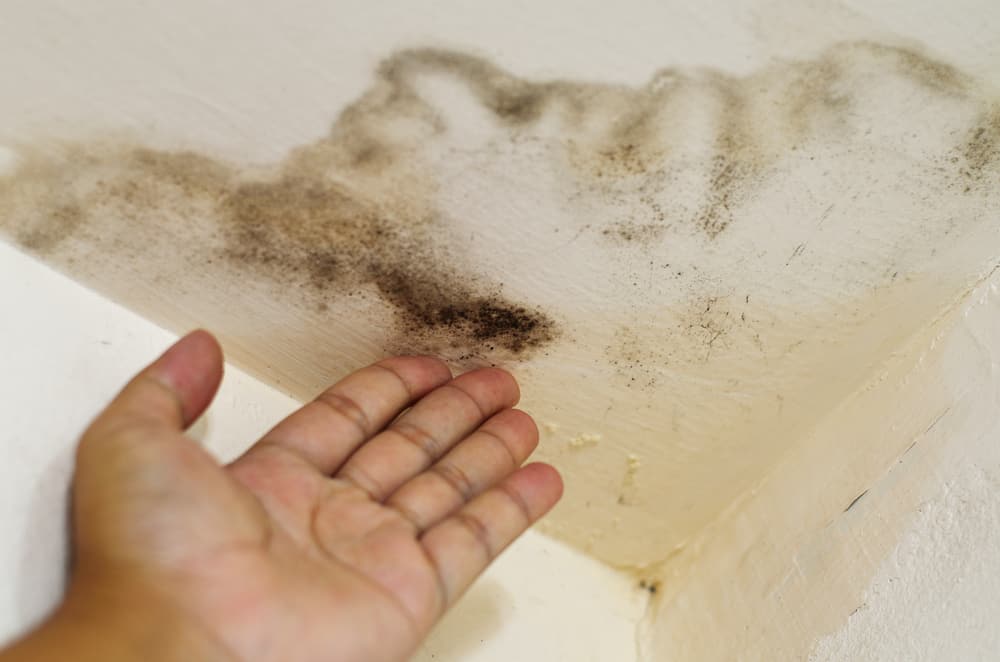
The most obvious signs are a persistent musty smell, visible discoloration on walls or ceilings, or a history of water intrusion — a basement that’s taken on water, an ice dam that caused a leak last winter, or a plumbing issue that wasn’t fully dried out. But mold in older East Williston homes often grows in places you can’t see: inside wall cavities, behind plaster, in attic sheathing, or in crawl spaces that haven’t been opened in years.
Infrared imaging is one of the most effective tools for finding hidden mold because it detects moisture variations behind surfaces without requiring any demolition. We include infrared imaging as part of our standard inspection process — it’s one of the reasons the inspection covers 13 specific points rather than just a visual walkthrough. If your home is older, if you’ve had any water events in the past few years, or if you’re preparing to sell, a full inspection is worth doing before you assume everything is fine.
It can, depending on what the remediation requires. If the work is contained entirely inside the home — removing and replacing drywall, treating framing, addressing crawl space or attic conditions — the Historic District designation typically doesn’t affect the process. Where it becomes relevant is if remediation or reconstruction involves exterior elements or structural changes that are visible from the street, which may require review by the village to ensure compliance with historic preservation standards.
East Williston’s Village Hall oversees local building permits, and any reconstruction work that involves structural elements — framing, load-bearing walls, exterior materials — may require a permit regardless of historic status. We’re familiar with Nassau County permitting requirements and can help you understand what approvals are needed before work begins. Getting that clarity upfront avoids delays and ensures the completed work meets both the village’s standards and your own.
Useful Links
Other Services we provide in East Williston