Mold Remediation in Nassau County: Full Service Guide
Dealing with mold in your Nassau County home? Learn what professional remediation involves, what it costs, how NYS laws protect you, and when to call certified specialists.
Share:
Summary:
That musty smell in your basement didn’t just appear overnight, but you’re noticing it now. Or maybe you spotted dark patches spreading across the wall after last month’s storm. Perhaps someone in your household has been coughing more than usual, and you’re starting to wonder if it’s actually allergies or something else entirely.
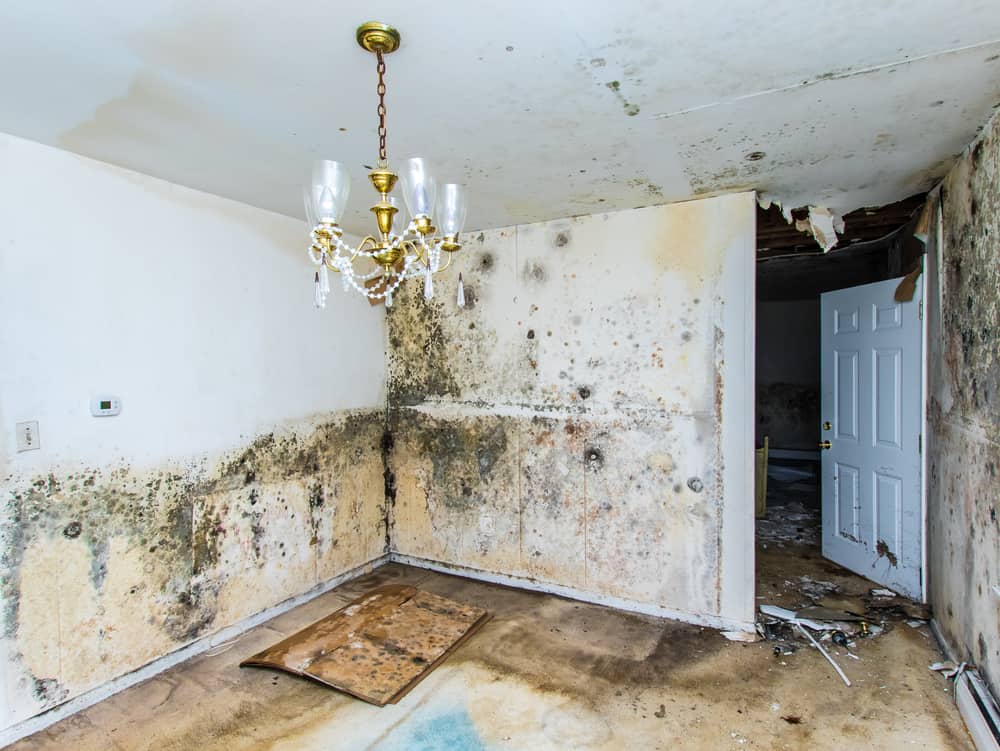
Mold doesn’t announce itself with fanfare. It just shows up, quietly spreading behind walls, under floors, and in crawl spaces where Nassau County’s coastal humidity gives it everything it needs to thrive. And once it establishes itself, waiting doesn’t make anything better. It makes the problem worse, more expensive, and potentially dangerous for anyone breathing that air.
This guide walks you through what mold remediation actually involves in Nassau Countywhat it costs, how New York’s laws protect you from conflicts of interest, what to expect during professional inspection and testing, and what separates qualified specialists from companies just looking for quick work.
Professional Mold Removal: What the Process Actually Involves
Mold removal isn’t just scrubbing visible spots with bleach and hoping for the best. That approach might make things look temporarily better, but it doesn’t address what’s happening beneath surfaces or prevent spores from reestablishing next month when conditions are right again.
Professional mold removal tackles the entire problem systematically. It starts with identifying where moisture is getting in, because without fixing that source, you’re just treating symptoms while the underlying cause continues creating new growth. Then it moves through containment to prevent spores from spreading to currently clean areas, actual removal of contaminated materials that can’t be salvaged, treatment of affected surfaces that can be saved, and verification testing that confirms the job is actually complete.
In Nassau County, where humidity from the Long Island Sound and Atlantic Ocean keeps moisture levels elevated year-round, this thoroughness matters more than in drier climates. The same coastal environment that makes summers pleasant also creates conditions where mold can establish colonies within 24 to 48 hours after water intrusion. That narrow window is why both speed and proper technique matter when addressing mold problems in Long Island homes.
Professional Mold Testing: Why Laboratory Analysis Matters
Not all mold looks the same, and not all species require the same level of response. Some are relatively harmless nuisances that primarily cause cosmetic concerns. Others, like Stachybotrys chartarum commonly called black mold, produce mycotoxins that can trigger serious respiratory problems, especially in children, elderly family members, or anyone with compromised immune systems or existing conditions like asthma.
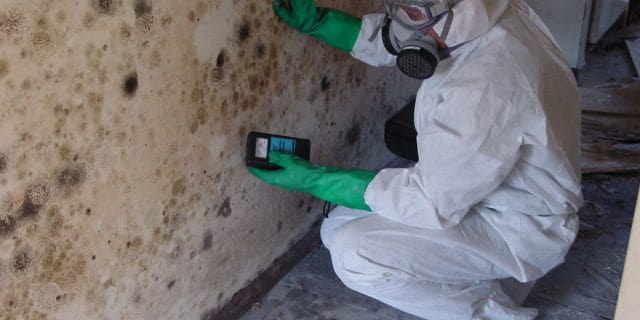
That’s where professional mold testing provides value you can’t get from visual inspection alone. A certified mold inspector doesn’t just look at what’s visible on surfaces. They use moisture meters to find hidden water sources that might not be obvious, infrared imaging cameras to detect temperature variations indicating moisture trapped behind walls or under flooring, and air quality testing equipment to measure spore concentrations throughout different areas of your home.
Samples collected during inspection go to accredited laboratories where trained technicians identify exactly which mold species you’re dealing with and measure how extensively spores have spread through your indoor environment. Those laboratory results, typically returned within 48 to 72 hours, tell you whether you’re looking at a minor cleanup situation or a more extensive remediation project requiring specialized handling. They also provide the scientific documentation insurance companies require if you’re filing a claim for coverage.
The testing process follows chain of custody procedures, meaning samples are tracked and handled according to legal standards from collection through analysis to final reporting. That matters if you’re a landlord dealing with tenant complaints about health conditions, involved in a real estate transaction requiring disclosure, or need documentation for any legal purpose. A mold air test or surface sample that’s properly documented and analyzed holds up in ways that photos and personal descriptions alone cannot provide.
For Nassau County homeowners specifically, professional testing also addresses a practical regulatory concern related to New York State law. When visible mold exceeds 10 square feetroughly a 3-foot by 3-foot areastate regulations require a licensed mold assessor to evaluate the situation and create a detailed remediation plan before any removal work begins. That assessor must be completely independent from whoever performs the actual remediation, a requirement specifically designed to prevent conflicts of interest and protect property owners from unnecessary work recommendations or inflated cost estimates.
Black Mold Test: When to Take Growth Seriously
The term “black mold” gets thrown around frequently in conversations about indoor air quality, often causing more panic than productive action. Yes, Stachybotrys chartarum appears black when growing. But not all black-colored mold is Stachybotrys, and not all Stachybotrys growth automatically represents an immediate health crisis requiring emergency response.
What matters is getting accurate identification through a black mold test performed by qualified professionals using proper laboratory analysis. Visual inspection alone cannot reliably distinguish between different mold species that might appear similar to untrained eyes. A certified mold inspector collects samples using sterile techniques that prevent cross-contamination, packages them according to laboratory requirements, and sends them to accredited facilities where trained microbiologists identify species and measure concentrations.
Black mold specifically requires consistent moisture to establish and grow. It doesn’t just appear because your bathroom got steamy after a shower or you had a minor leak that dried within a day. It needs ongoing water exposure over extended periods, which is why it’s commonly found in areas with chronic moisture problemsbasement walls with foundation cracks allowing groundwater seepage, crawl spaces with inadequate drainage and poor ventilation, or hidden locations behind walls where slow plumbing leaks have gone undetected for weeks or months.
If laboratory testing confirms Stachybotrys presence, remediation becomes more urgent than it would be for less concerning species. This particular mold produces mycotoxins that can cause neurological symptoms, chronic respiratory problems, persistent headaches, and severe allergic reactions in sensitive individuals. Children and elderly family members face higher risks from exposure, as do people with asthma, allergies, or weakened immune systems from medical conditions or treatments.
The encouraging news is that proper remediation eliminates black mold completely when performed correctly following industry protocols. The process involves containment using plastic sheeting barriers and negative air pressure machines to prevent spores from spreading to unaffected areas during removal, complete removal of contaminated porous materials like drywall and insulation that cannot be adequately cleaned once mold has penetrated, HEPA filtration running continuously throughout the entire remediation process, and antimicrobial treatment of non-porous surfaces that can be salvaged rather than replaced. Post-remediation testing verifies that airborne spore counts have returned to normal levels comparable to outdoor air and the space is genuinely safe for occupancy.
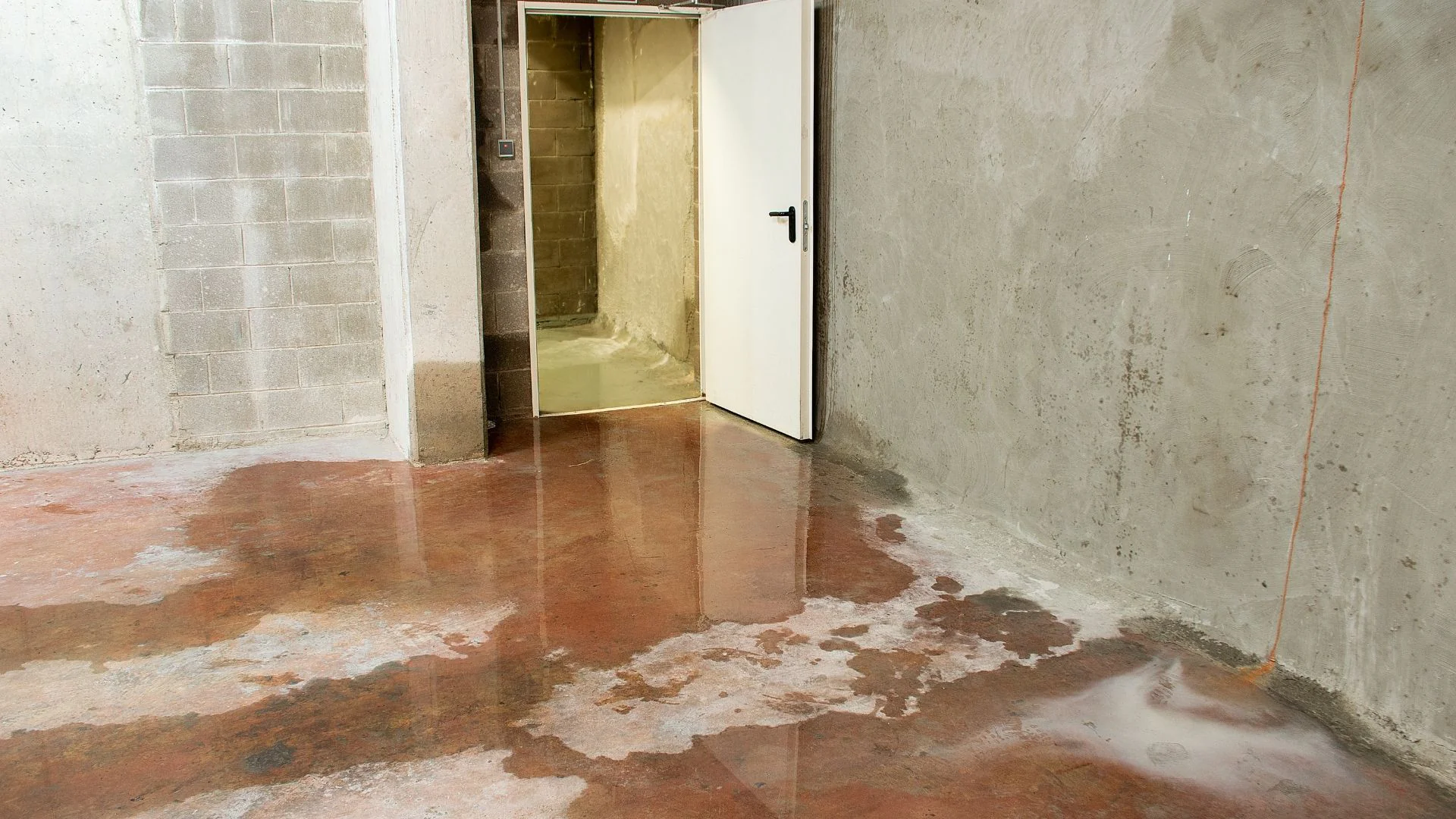
For Nassau County properties specifically, black mold often appears after basement flooding from coastal storms, roof leaks that went unnoticed until water damage became extensive, or plumbing failures inside walls that created ideal growing conditions before anyone realized water was escaping. Long Island’s naturally high water table combined with coastal storm patterns creates regular opportunities for the kind of sustained moisture exposure that allows black mold to establish itself and spread. That’s exactly why addressing water intrusion quickly matters so much in this particular region compared to areas with drier climates.
Certified Mold Inspector: What Professional Credentials Mean
New York State doesn’t hand out mold inspection licenses casually or without requirements. A certified mold inspector has completed specific training courses approved by the NYS Department of Labor, passed comprehensive examinations testing knowledge of mold biology and remediation protocols, and maintains active licensure through continuing education and compliance with state regulations. That licensing isn’t just bureaucratic paperwork serving no practical purpose. It represents demonstrated knowledge of building science, moisture dynamics, proper sampling techniques, safety protocols, and legal requirements that protect both inspectors and property owners.
When you hire a certified mold assessor in Nassau County, you’re getting someone who understands how Long Island’s specific climate patterns and common construction methods contribute to mold problems. They know where to look in older homes with stone foundations common in established neighborhoods, how coastal humidity affects different building materials over time, and what signs indicate active hidden moisture issues versus historical water damage that’s already dried.
The inspection process itself follows a methodical approach rather than just walking through and looking around. It includes comprehensive visual assessment of all accessible areas including basements, attics, crawl spaces, and mechanical rooms; moisture mapping using specialized meters that measure water content in building materials; thermal imaging to detect temperature variations indicating moisture trapped behind walls or under flooring; air sampling to measure airborne spore concentrations in different rooms; and surface sampling from areas showing suspected growth or discoloration. The inspector documents everything with detailed photos, precise measurements, and comprehensive notes that become part of your official written report.
Mold Inspection Cost: Understanding What You're Paying For
Mold inspection costs in Nassau County typically range from $300 to $800 depending on property size, structural complexity, and how many samples need laboratory analysis for species identification and spore counts. That might seem like a significant expense when you’re already facing potential remediation costs, but it’s money that serves several important purposes beyond just telling you whether mold is present.
First, professional inspection gives you accurate scientific information rather than guesswork. You’re not wondering whether that discoloration on the basement wall is actually mold or just mineral deposits from water evaporation. You’re not guessing about whether the musty smell means you have a serious contamination problem or just need better ventilation and dehumidification. You have laboratory results that specifically identify which mold species are present and measure spore concentrations in your indoor air compared to outdoor baseline levels.
Second, proper testing protects you from both under-responding and over-responding to the situation. Without accurate assessment, you might tear out building materials that could have been cleaned and saved, wasting money on unnecessary demolition and reconstruction. Or you might miss contamination in areas that look clean on the surface but harbor hidden growth inside wall cavities or under flooring, allowing the problem to continue spreading. Either mistake ultimately costs more than the inspection would have prevented.
Third, professional inspection satisfies legal and insurance requirements that you can’t meet with DIY assessment. New York State law specifically requires licensed mold assessment for contamination exceeding 10 square feet before remediation work begins. Insurance companies want scientific documentation and professional reports before they’ll process claims for mold damage. Real estate transactions need proper disclosure based on qualified inspection rather than seller statements. A professional inspection provides all of that documentation in formats that meet legal standards and insurance company requirements.
The inspection also includes a written remediation protocol when testing identifies problems requiring professional attention. This document specifies exactly what work should be performed, which materials need removal versus treatment, what containment procedures are necessary to prevent cross-contamination, and how to verify successful completion through post-remediation testing. That protocol protects you when getting estimates from remediation companies, because you can compare their detailed proposals against an independent expert’s recommendations rather than just accepting whatever they suggest.
For Nassau County homeowners specifically, the inspection cost often pays for itself by preventing overcharges from remediation contractors, ensuring insurance claims are properly documented for maximum coverage, and catching problems early before they require extensive remediation work. A $500 inspection that identifies a relatively minor issue requiring $1,200 in targeted remediation is far better than skipping professional assessment and discovering months later that you actually needed $5,000 in comprehensive work because the problem spread while you were trying to handle it yourself.
Home Mold Inspection: What Actually Happens During the Visit
A thorough home mold inspection in Nassau County takes between one and three hours depending on property size, structural complexity, and how many areas show signs of potential contamination requiring detailed investigation. The inspector arrives with specialized professional equipment including moisture meters that measure water content in building materials, thermal imaging cameras that detect temperature variations indicating hidden moisture, air sampling pumps that collect measured volumes of air for laboratory analysis, surface sampling tools for collecting growth samples, and documentation materials for photos and detailed notes.
The process typically starts with a conversation rather than immediately beginning testing. The inspector asks when you first noticed problems, whether anyone in the household has experienced unexplained health symptoms like persistent coughing or allergic reactions, if you’ve had recent water damage from storms or plumbing failures, what specific concerns prompted you to schedule the inspection, and whether you’ve noticed musty odors or visible growth anywhere. This background information helps focus the detailed inspection on likely problem areas while still checking the entire property systematically.
Visual inspection comes next, with the inspector examining all accessible areas throughout the home. They pay particular attention to basements and crawl spaces where moisture commonly accumulates, attics where roof leaks and condensation often cause problems, bathrooms and kitchens where humidity levels run high, and anywhere water intrusion seems likely based on the home’s age, construction type, and maintenance history. They’re looking for visible mold growth on surfaces, water stains indicating current or past leaks, discoloration that might signal hidden moisture problems, condensation patterns on windows or pipes, and signs of moisture damage like warped flooring or bubbling paint. They also check HVAC systems carefully, because contaminated ductwork can spread mold spores throughout an entire home even if the original growth is localized.
Moisture mapping follows visual assessment, using specialized meters to measure moisture content in walls, floors, ceilings, and other building materials throughout the property. These precise readings identify active moisture problems requiring immediate attention and help determine whether visible damage represents current issues or historical problems that have already dried. Thermal imaging supplements this moisture mapping process by revealing temperature variations that indicate hidden moisture trapped behind walls, under flooring, or in other concealed spaces not accessible to visual inspection or direct moisture meter contact.
Air sampling captures mold spores currently circulating through your home’s indoor environment. The inspector sets up calibrated pumps that draw measured volumes of air through specialized collection cassettes at specific flow rates. These air samples go to the laboratory for analysis under microscopes, providing baseline data about which spore types are present and their concentrations in different rooms. Comparing indoor sample results to outdoor control samples helps determine whether your home has genuinely elevated mold levels requiring remediation or just normal environmental exposure that doesn’t indicate contamination problems.
Surface sampling targets specific areas showing suspected growth or unusual discoloration. The inspector collects samples using sterile swabs, clear tape lifts, or bulk material samples depending on what’s being tested and where it’s located. Each sample gets labeled with detailed location information, documented with photos showing exactly where it came from, and prepared for laboratory analysis following strict chain of custody procedures that ensure results hold up for legal or insurance purposes.
Throughout the entire inspection process, the inspector takes extensive photos, makes detailed notes about observations and measurements, and records precise data that will become part of your comprehensive written report. That report typically arrives within a few days after laboratory results come back from the testing facility. It includes detailed findings from visual inspection, complete laboratory results identifying species and measuring concentrations, moisture readings from all tested locations, photos documenting conditions throughout the property, and specific recommendations for addressing any problems the inspection identified.
Mold Removal Cost: What You'll Actually Pay in Nassau County
Mold removal costs in Nassau County vary significantly based on how extensively contamination has spread, what building materials are affected, how difficult access is to contaminated areas, and whether underlying moisture problems require correction to prevent recurrence. Small isolated problems affecting less than 10 square feet might cost $500 to $1,500 for professional cleaning and treatment. Moderate contamination affecting multiple rooms or larger areas typically runs $1,500 to $3,500 depending on specifics. Extensive mold growth throughout significant portions of a home can exceed $6,000, and severe cases involving structural damage or contaminated HVAC systems can cost considerably more.
Several factors drive these cost variations beyond just square footage of visible growth. Labor represents a significant portion because proper mold remediation requires trained certified technicians working carefully and methodically to contain affected areas, remove contaminated materials safely, treat salvageable surfaces appropriately, and verify successful completion through testing. Equipment costs include HEPA filtration systems that remove airborne spores, negative air machines that maintain pressure differentials preventing contamination spread, containment materials like plastic sheeting and tape, protective gear for workers, and specialized antimicrobial cleaning solutions. Disposal fees for contaminated materials add to the total, as does any reconstruction work needed after removal of drywall, insulation, flooring, or other building materials that couldn’t be adequately cleaned.
The extent and location of contamination matters most for cost estimation. A small patch of surface mold on a tile bathroom ceiling requires different handling and equipment than mold growing throughout a finished basement. Hidden mold behind walls costs more to address because it requires demolition to access, removal of contaminated materials, treatment of framing and other structural components, and reconstruction after remediation is complete. Contamination in HVAC ductwork requires specialized duct cleaning or complete replacement depending on severity. Each situation presents unique challenges, which is why estimates based solely on square footage don’t tell the complete story about what you’ll actually pay.
Article details:
- Published by:
- First Response Restoration
- Published to:
- Last modified:
- August 6, 2026
Share:
Continue learning: