
Mold Remediation in Montauk, NY
When You Open the House and Find What the Off-Season Left Behind
Hear from Our Customers
Certified Mold Remediation in Montauk, NY
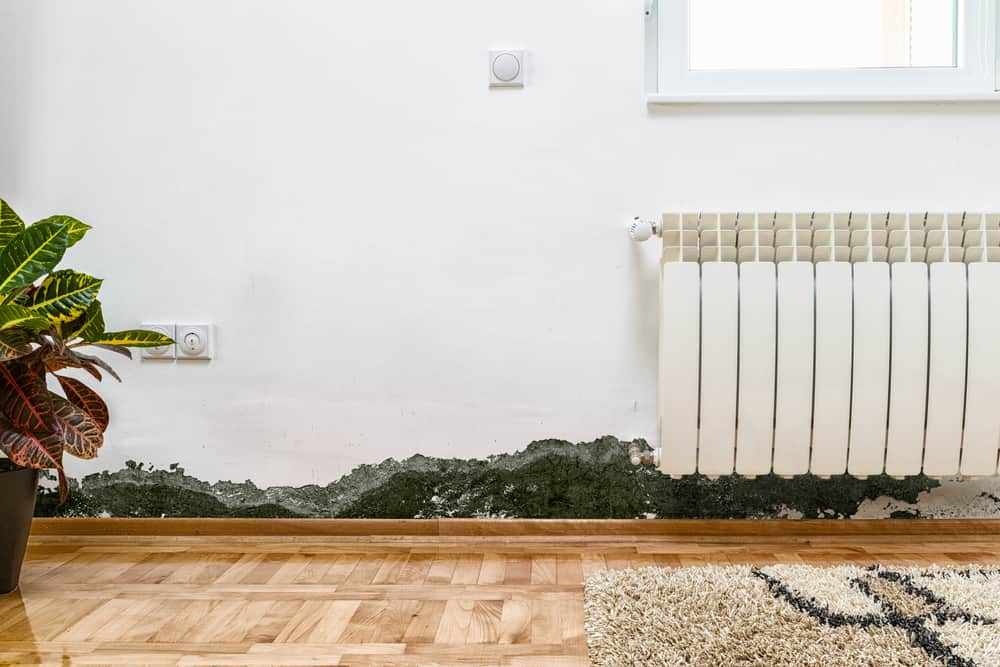
Mold in a Montauk home rarely announces itself. It builds quietly inside a crawl space that took on moisture after a November nor’easter, behind the walls of a basement that sat closed from September through May, or in an attic where humidity had nowhere to go. By the time it’s visible, it’s usually been there for a while. That’s the reality of owning property at the end of the island.
What you get after professional mold remediation in Montauk is not just a cleaned surface it’s a home where the moisture source has been identified and corrected, contaminated materials have been properly removed, and the air quality has been independently tested and confirmed safe. That last part matters. A clearance report gives you something you can actually use: documentation for your insurance company, your real estate agent, or your rental guests.
For seasonal property owners managing everything from the city, that documentation is the difference between confidence and uncertainty. For year-round Montauk residents, it’s the assurance that the family coming home to that house isn’t breathing air that’s been compromised since October.
Licensed Mold Remediation Companies in Montauk, NY
We’ve been operating on Long Island for over 31 years, with deep roots in the Montauk market. That’s not a number pulled from a marketing deck it means we’ve worked through every major storm cycle this region has seen, including the kind of coastal flooding and moisture events that repeatedly affect properties from Napeague to Montauk Point.
Richard Peterson, our owner, holds personal New York State licenses in both mold assessment and mold remediation. Not a company-level credential his individual license, which is verifiable through the NYS Department of Labor. Every technician on our team carries IICRC certification. That combination of owner accountability and crew-level training is not the industry standard. It’s the exception.
We also run an integrated cleaning division, which means we handle the full scope from initial containment through final cleaning without handing the job off to a second crew. For anyone managing a Montauk property remotely, that single point of accountability matters more than most people realize until they’ve dealt with the alternative.

Professional Mold Remediation Process in Montauk, NY
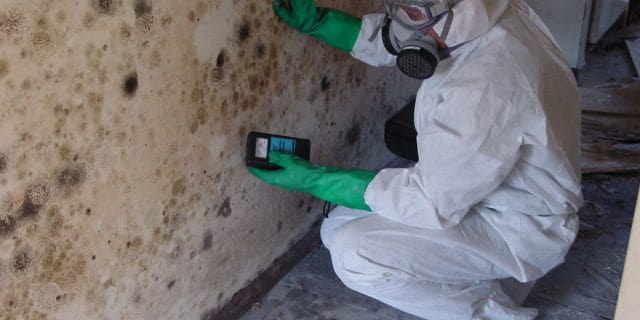
The process starts with a thorough assessment not just of where the mold is visible, but where the moisture is coming from. In Montauk, that source is almost never obvious. It might be a failed flashing on a roof that took wind damage over the winter, a crawl space that’s been collecting groundwater, or an HVAC system that sat dormant for eight months and never properly dried out. Finding the source before doing anything else is what separates a permanent fix from a temporary one.
Once the source is identified and addressed, containment goes up to prevent cross-contamination to unaffected areas of the home. From there, remediation follows IICRC S520 protocols: removal of contaminated materials, HEPA vacuuming, antimicrobial treatment of affected surfaces, and structural drying where needed. Every step is documented. Because Montauk properties frequently involve insurance claims storm damage, burst pipes, post-flood moisture that documentation is built into the process, not an afterthought.
The final step is post-remediation verification. Independent air quality testing confirms that mold spore levels have returned to normal throughout the property. You get a written clearance report. Under New York State’s Article 32 mold licensing law, all remediation work must be performed by a licensed contractor and that compliance is reflected in every phase of the work, not just the paperwork at the end.
Ready to get started?
Mold Cleanup and Remediation Services in Montauk, NY
Our mold remediation services in Montauk cover the full range of what coastal, seasonally occupied properties actually face. That includes basement mold remediation for homes dealing with groundwater seepage and storm-driven flooding near Fort Pond Bay and the harbor area. We handle crawl space mold remediation for properties where sand-based soil, a high water table, and years of salt air exposure have compromised the building envelope in ways that aren’t visible from the surface. Attic mold remediation is another common scope especially in homes where intermittent HVAC use and poor winter ventilation allow humidity to build unchecked for months.
We offer emergency mold remediation available around the clock, every day of the year including during the off-season when most of Montauk has gone quiet and a property manager needs someone who actually answers. Black mold remediation follows strict containment and removal protocols to protect both the occupants and the structure. Mold damage repair is included where structural materials have been compromised and need to be replaced, not just treated.
Every job ends with post-remediation verification and a written clearance report standard, not optional. Whether the property is a year-round residence near Ditch Plains, a seasonal home on the ocean bluffs, or a rental generating income through the summer season, the outcome is the same: a clean, documented, genuinely safe result.
What causes mold in Montauk vacation homes that sit empty all winter?
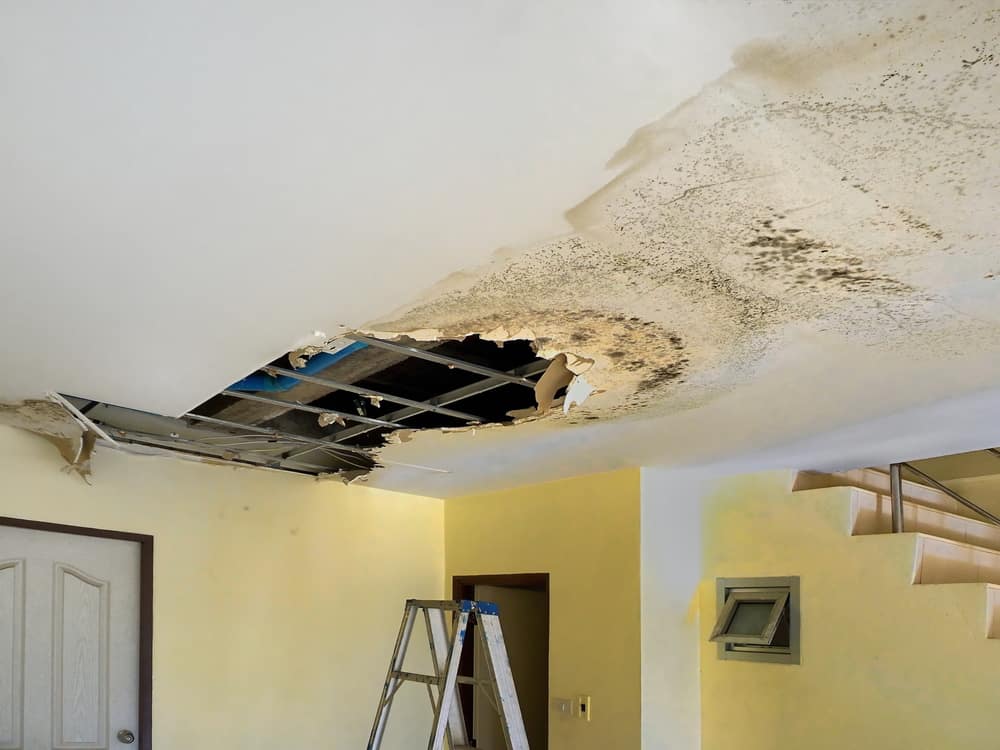
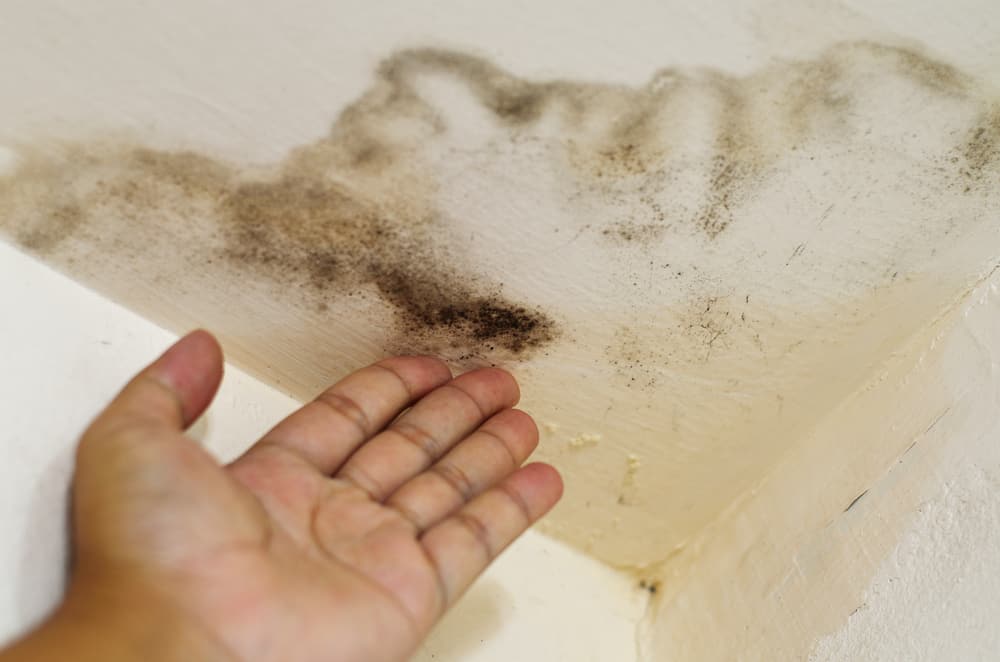
Seasonal vacancy is the biggest mold driver in Montauk and it’s one that most remediation companies outside this market don’t fully account for. When a property sits unoccupied from September through May, small moisture problems that would normally be caught quickly go undetected for months. A slow drip under a sink, a failed window seal after a winter storm, condensation building inside an attic that’s never opened any of these can produce significant mold growth before anyone ever sets foot in the house again.
The specific conditions in Montauk compound the risk. Ambient humidity stays elevated year-round because the property is surrounded on three sides by water. Salt air degrades building envelopes over time, creating microscopic entry points for moisture. And Montauk’s exposure to nor’easters, coastal flooding, and freeze-thaw cycles means the structural stress on these properties during the off-season is real and ongoing. The solution isn’t just remediation it’s remediation that starts by finding and correcting the moisture source, so the problem doesn’t rebuild itself before next summer.
How much does mold remediation cost in Montauk, NY?
Mold remediation cost in Montauk varies based on the scope of the affected area, the type of materials involved, and how far the contamination has spread into structural components. A small, contained area say, surface mold on a crawl space floor joist will cost significantly less than a situation where mold has spread through insulation, subfloor, and wall cavities following a flood event or months of undetected moisture. Rough ranges in this market typically run from a few hundred dollars for minor, localized work to several thousand for larger or more structurally involved remediation.
What affects cost most in Montauk specifically is the frequency of moisture events and the age of the housing stock. Older properties near the harbor or along the ocean bluffs have often accumulated multiple layers of moisture damage over time, which can expand the scope once remediation begins and the full picture becomes visible. A thorough assessment upfront which is part of our process gives you a clear picture of what you’re actually dealing with before any work starts. That transparency matters, especially when you’re managing a high-value property and need to understand the real numbers before committing.
Is mold remediation in New York State required to be done by a licensed contractor?
Yes and this is not a technicality worth overlooking. Under Article 32 of the New York State Labor Law, which took effect January 1, 2016, it is illegal for any person or company to perform mold remediation in New York without a valid state-issued mold remediation contractor license. This applies in Montauk as it does everywhere in the state. The law was enacted specifically to protect property owners from unqualified operators a category that, unfortunately, is not hard to find in a high-demand coastal market where property owners are often managing from a distance and under time pressure.
Hiring an unlicensed contractor for mold work in New York creates real exposure. Insurance companies can deny claims if remediation wasn’t performed by a licensed contractor. Real estate transactions can be complicated if the remediation documentation doesn’t reflect licensed work. And improper remediation performed without the containment and protocols that licensed contractors are required to follow can actually spread mold spores to previously unaffected areas of the home, making the problem worse. Before hiring anyone for mold work in Montauk, ask for their NYS license number and verify it through the Department of Labor’s online system. It takes two minutes and it matters.
Does homeowner's insurance cover mold remediation for a Montauk seasonal property?
It depends on the cause and that distinction is where most insurance disputes happen. Mold that results from a sudden, accidental event a burst pipe, storm flooding, an appliance failure is generally covered under standard homeowner’s policies. Mold that developed gradually from ongoing moisture, deferred maintenance, or conditions that existed over a long period is typically excluded. For Montauk seasonal properties, this line gets complicated quickly, because the vacancy period means that what started as a sudden event a pipe that burst in January may not be discovered until May, by which point the resulting mold looks like a long-term problem.
Thorough documentation from the start of the remediation process is what makes the difference in these situations. When the assessment identifies the moisture source, photographs and measurements establish the timeline, and the remediation follows licensed, IICRC-compliant protocols, the resulting documentation gives your insurance adjuster something concrete to work with. We’ve worked through enough post-storm and seasonal-vacancy insurance claims on Long Island to understand what adjusters look for and how to document the work in a way that supports a legitimate claim without overstating scope or manufacturing urgency that isn’t there.
What is post-remediation verification and do I need it for my Montauk property?
Post-remediation verification is the step that confirms the remediation actually worked. After the physical work is complete materials removed, surfaces treated, area dried independent air quality testing is conducted to measure mold spore levels throughout the affected and adjacent areas of the property. The results are compared to baseline levels, and if spore counts have returned to normal, a written clearance report is issued documenting that the space is safe.
For a Montauk property, this step is more than peace of mind. If the property is used as a vacation rental, a clearance report gives you documented proof that the home meets health and safety standards for paying guests something that matters both practically and legally under the Town of East Hampton’s Rental Registry requirements. If the property is being sold, clearance documentation is frequently requested by buyers and their attorneys in high-value transactions, and having it in hand avoids delays. And if the remediation was tied to an insurance claim, the clearance report is often required to close out the claim. It’s included as a standard deliverable with our work not an add-on.
How do I know if the mold in my Montauk crawl space has spread to the rest of the house?
Crawl space mold in Montauk is one of the more common and more underestimated scenarios in this market. Because crawl spaces are rarely entered especially in seasonal homes that are closed for months mold can establish itself extensively before it’s ever detected. The question of whether it’s spread beyond the crawl space depends on a few factors: how long it’s been present, what the airflow patterns in the home look like, and whether the HVAC system has been drawing air from or through the affected space.
Mold spores travel through air. If a crawl space has been actively molding for several months and the home’s HVAC system pulls any air from that area which is common in older Montauk homes with crawl space-mounted ductwork or air handlers there’s a real possibility that spore counts are elevated in the living areas above, even if nothing is visible. The only way to know for certain is through air quality testing, which is part of our assessment process. Moisture mapping is also conducted throughout the structure to identify any secondary areas where conditions are favorable for mold growth, even if active mold hasn’t appeared yet. In a coastal property that’s been closed all winter, that full-picture assessment is what the job actually requires not just a look in the crawl space and a quote based on what’s visible from the hatch.
Useful Links
Other Services we provide in Montauk