
Hear from Our Customers
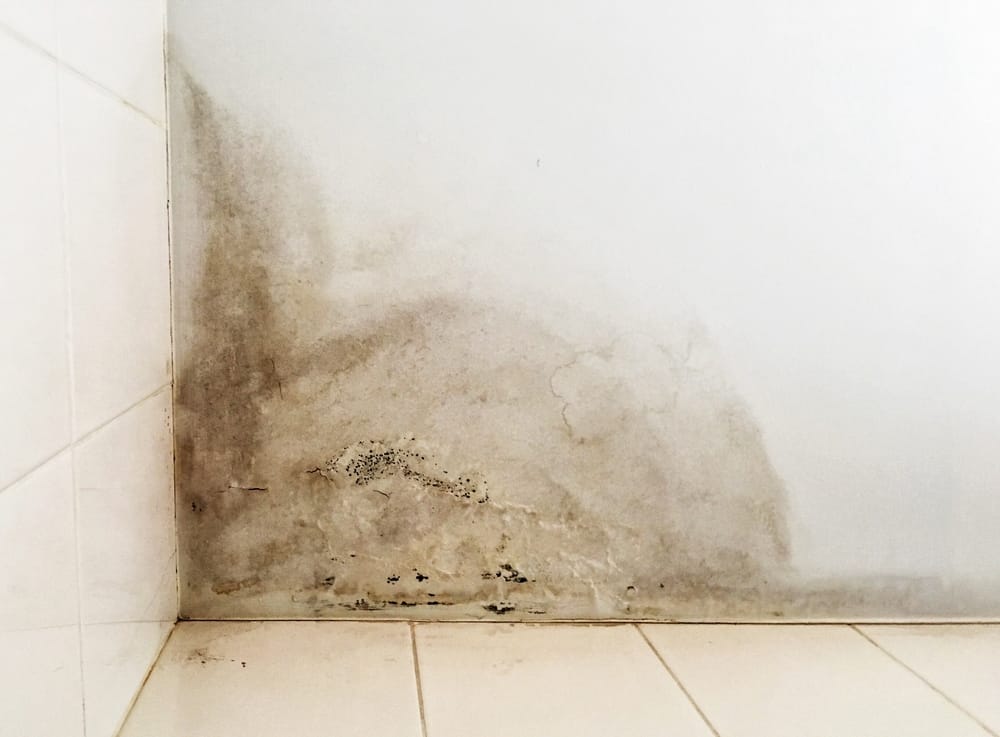
The air smells different. Not in a subtle way — in a way you notice the moment you walk through the door. That musty, heavy feeling that you’ve been chalking up to “the house being old” or “being near the water” usually has a source. And once it’s properly removed, not just surface-cleaned, the difference is immediate.
For Lido Beach homeowners, mold isn’t a fringe concern. You’re on a narrow barrier island at sea level, with ocean humidity pressing in from the south and Reynolds Channel tidal moisture working on your foundation from the north. Homes built in the 1940s and 1950s — and a significant portion of Lido Beach’s housing stock falls into that range — weren’t built with modern vapor barriers or ventilation standards. That combination creates conditions where mold doesn’t just show up after a flood. It builds quietly over seasons.
Getting it properly removed means your home is healthier to live in, especially if you or anyone in your household has asthma, allergies, or any respiratory sensitivity. It also means your home holds its value. In a market where Lido Beach properties regularly sell for $800,000 to well over a million dollars, a documented mold issue can cost you far more than the remediation ever would. Lab-confirmed clearance isn’t just peace of mind — it’s protection for your biggest asset.
We’ve been handling mold, water damage, and restoration work across Nassau County for over three decades. That means we were active before Hurricane Sandy, during it, and in the years after — when barrier island communities like Lido Beach were dealing with the full scope of what storm surge flooding leaves behind.
Working in Nassau County requires more than a state license. In addition to the New York State Department of Labor mold license required under Article 32, contractors here must also hold the Environmental Hazard Remediation Provider credential issued by the Nassau County Department of Health. We hold both. And every technician who comes to your Lido Beach home — not just the owner, not just the crew lead — holds IICRC certification. That’s not standard in this industry. Most companies certify leadership and send uncertified workers into the field.
Whether you’re in the Lido Dunes, a unit at Lido Towers, or a post-war single-family home off Lido Boulevard, our approach is the same: find the source, document everything, fix it completely, and prove it with lab results.
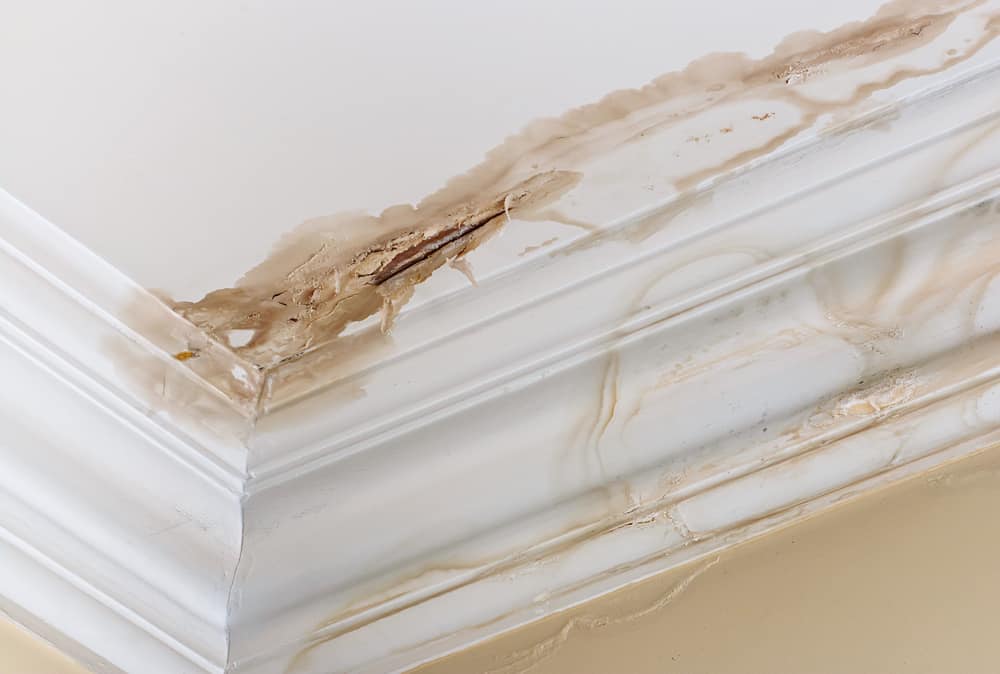
It starts with a thorough inspection. Not a walk-through with a flashlight — a five-point assessment that includes boroscopic wall cavity examination, air sampling, surface swab sampling, moisture level measurement, and identification of the water intrusion point. In a coastal home on a barrier island, that last part matters more than most people realize. Mold doesn’t appear randomly. It follows moisture, and in Lido Beach, moisture has multiple entry points: aging foundations, storm-damaged rooflines, crawl spaces sitting close to the water table, and wall cavities that have been absorbing salt-laden air for decades.
Once the scope is clear, we prepare a written remediation plan — as required under New York State Article 32. That law, which took effect in 2016, was enacted directly in response to the wave of mold remediation scams that followed Hurricane Sandy. It requires licensed contractors, a documented plan, and a post-remediation assessment. We follow all of it, not because it’s required, but because it’s the only way to actually stand behind the work.
The remediation itself uses containment, negative air pressure, and HEPA filtration to prevent cross-contamination while the affected materials are treated or removed. After the work is done, we complete post-remediation clearance testing, and lab results — with chain-of-custody documentation — are provided. You’ll have proof the job is finished, not just someone’s word for it.
Ready to get started?
Mold removal in Lido Beach, NY covers a lot of ground depending on the property. Basement and crawl space mold removal are among the most common calls, given how close to the water table most homes here sit. Attic mold removal is another frequent need — coastal storms that damage rooflines create moisture pathways that don’t announce themselves until the mold is well established. Bathroom mold, toxic mold cleanup after flooding, and mold found during a pre-sale inspection are all part of the regular scope of work here.
We handle residential mold removal for single-family homes throughout Lido Beach, as well as commercial mold removal for condo associations, seasonal properties, and beach-adjacent facilities. If you’ve been away for the winter and you’re reopening your Lido Beach home in the spring — a very common situation in this community — a mold inspection before you settle back in is worth doing. Homes that sit closed and unventilated through the colder months accumulate moisture, and older construction doesn’t manage that well on its own.
Every job includes the full-service approach: water damage mitigation, structural drying, and mold remediation handled by the same certified team. We also offer up to $500 toward your out-of-pocket deductible for qualifying insurance claims — a program no identified competitor in this market currently offers. When flood insurance and homeowners insurance are already part of your annual budget, that kind of direct relief matters.
Not always, but the conditions after a storm surge event make it likely if the water isn’t extracted and the structure isn’t properly dried within the first 24 to 48 hours. Mold needs moisture, warmth, and an organic surface to grow on — and a flooded basement or crawl space in a mid-century Lido Beach home checks every one of those boxes. The issue with storm surge specifically, as opposed to a burst pipe or a roof leak, is that saltwater intrusion accelerates damage to building materials and creates a more aggressive environment for persistent mold and mildew. Salt residue left in porous materials like concrete block, wood framing, or drywall continues to draw moisture from the air long after the visible water is gone. That’s why a proper response isn’t just pumping out the water — it’s full structural drying, moisture measurement, and a follow-up inspection to confirm the environment is no longer hospitable to mold growth.
The most obvious sign is smell — a musty, earthy odor that wasn’t there when you closed the house in the fall. But hidden mold, particularly in wall cavities, attic spaces, or crawl spaces, doesn’t always make itself known through smell alone. In a Lido Beach home that’s been sitting unventilated through the winter, moisture accumulates in areas you can’t easily see. Older construction with inadequate attic ventilation or a foundation that’s been managing coastal groundwater for 60-plus years is especially prone to this. If you’re reopening a seasonal property and something feels off — the air is heavy, there are visible stains on walls or ceilings, or you’re noticing discoloration around baseboards — don’t ignore it. A proper inspection using air sampling and boroscopic wall cavity examination will tell you what’s actually there. Visual inspection alone misses a significant percentage of mold problems in older homes.
The national average for mold remediation is around $2,300, with a typical range of roughly $373 to $7,000 depending on the size of the affected area and the type of mold involved. In Lido Beach specifically, several factors tend to push jobs toward the higher end of that range. The housing stock here is older — median construction year of 1959, with a large share of homes built before 1950 — and older homes often have more complex moisture pathways, more porous building materials, and less accessible areas that require additional equipment and time. Crawl space and attic mold removal typically run $15 to $30 per square foot. If the job intersects with a flood insurance claim, we document everything in a way that supports the claims process, and our $500 deductible coverage program can offset part of your out-of-pocket costs. The best way to get an accurate number is through an on-site inspection — scope varies too much to quote meaningfully over the phone.
No — and this is one of the most important things to understand before hiring anyone for mold work in New York State. Under Article 32 of New York State law, the company that performs the mold assessment cannot be the same company that performs the remediation on the same property. This separation is intentional. It prevents a contractor from having a financial interest in finding — or overstating — a mold problem. The law also requires that a licensed mold assessment contractor prepare a written remediation plan before work begins, and that a post-remediation assessment be completed afterward by a separate licensed assessor. This framework was put in place specifically because of the contractor fraud that followed Hurricane Sandy, and Lido Beach residents who lived through that period understand better than most why those protections exist. Make sure any contractor you hire can show you their New York State Department of Labor mold license number — and in Nassau County, their Environmental Hazard Remediation Provider credential as well.
Significantly. Research consistently shows that a known mold issue can reduce a home’s market value by 20 to 37 percent, and roughly half of interested buyers walk away entirely once mold is disclosed. In a market where Lido Beach homes regularly sell between $800,000 and well over a million dollars, that’s not an abstract percentage — it’s a potential loss of hundreds of thousands of dollars. Buyers at this price point, and their attorneys, are not going to accept a verbal assurance that a mold problem was handled. They want documentation: lab results, chain-of-custody records, and a post-remediation clearance report from a licensed assessor. If you’re planning to sell and a mold issue surfaces during inspection, the fastest path forward is a fully documented remediation with lab-confirmed clearance — not a quick patch job. We provide that documentation as a standard part of every remediation project.
It’s more common than most homeowners expect, and the causes are pretty consistent. Attic mold in older Lido Beach homes almost always traces back to one of two things: inadequate ventilation or a compromised roofline. Homes built in the 1940s and 1950s — which make up a large portion of the housing stock here — were often built without the ridge vents, soffit vents, and insulation baffles that modern construction uses to manage attic moisture. When warm, humid air from the living space rises and hits a cold roof deck without a proper escape path, it condenses. Over time, that condensation creates the moisture environment mold needs to establish itself. Coastal storms that damage shingles or flashing compound the problem by introducing additional water intrusion from above. Because attic mold tends to develop slowly and out of sight, it’s often discovered during a home inspection before a sale — at which point it’s already well established. An attic inspection after any significant storm, or as part of a seasonal property check, is a straightforward way to catch it early.
Useful Links
Other Services we provide in Lido Beach