
Hear from Our Customers
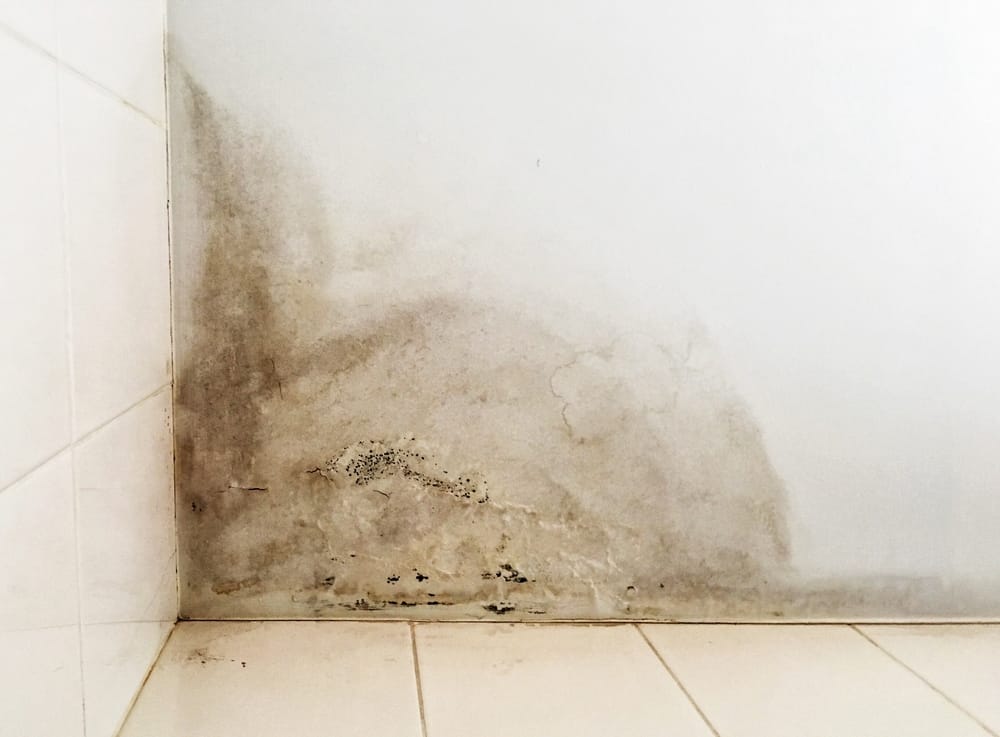
The smell disappears. The air feels different. You stop second-guessing whether what you’re breathing is safe. That’s what professional mold removal in Lynbrook, NY delivers — not just a surface wipe-down, but a documented, lab-verified result that holds up whether you’re protecting your family, closing a real estate deal, or responding to a tenant complaint.
Lynbrook’s housing stock is almost entirely pre-2000 construction. The Tudor-style homes, colonials, and Cape Cods that line the village’s residential streets were built with original plaster walls, uninsulated concrete block basements, and attics that were never designed with today’s humidity levels in mind. When South Shore summer humidity pushes past 70 or 80 percent — which it does regularly — those spaces become ideal environments for mold to grow quietly and spread fast.
When remediation is done correctly, you get your home back. Not a temporary fix, but a real resolution backed by clearance testing, chain-of-custody lab documentation, and a process that addresses the moisture source so the mold doesn’t return six months later. For Lynbrook homeowners sitting on a property worth over $600,000, that documentation isn’t a bonus — it’s protection for one of the most valuable assets you own.
We’ve been handling mold remediation in Nassau County for over three decades, with deep roots in Lynbrook specifically. That’s not a marketing number — it means our technicians have worked inside the same pre-war colonials, two-family homes, and Tudor-style properties that make up Lynbrook’s residential streets. We know what a 1940s concrete block basement looks like after a nor’easter. We know where mold hides in a walk-up attic on a dense South Shore block. That local experience shapes how we approach every job.
Every technician on our crew is IICRC-certified — not just the project manager, but everyone who enters your home. We’re also NYS-licensed for both mold inspection and mold remediation, and we operate under a dedicated Nassau County line at 516-541-0500. When you call, you’re reaching a team that already knows Lynbrook, not a national call center routing your emergency to whoever’s available.
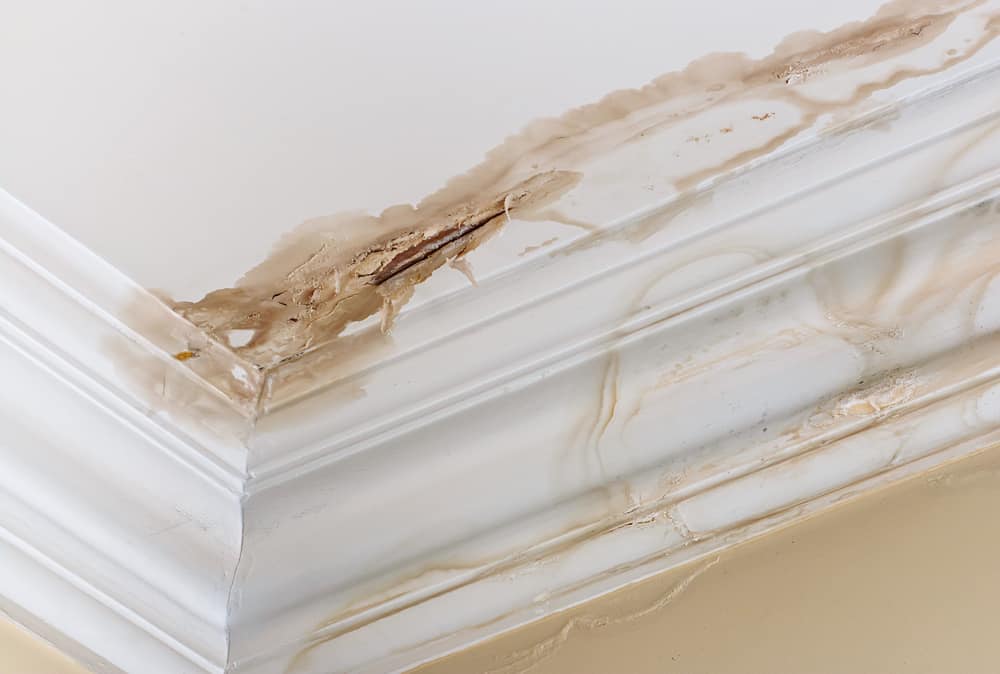
It starts with a certified technician assessment of your property. We’re not doing a visual walkthrough and calling it an inspection. Our process includes air sampling, surface swab sampling, boroscopic wall cavity examination — which means we look inside walls without tearing them apart — and non-invasive moisture level measurement throughout the affected areas. For Lynbrook homes with original plaster walls and older framing, that wall cavity step is often where we find the actual extent of the problem.
Samples go to the lab with chain-of-custody documentation, and you receive results within two to three business days. That timeline matters if you’re in the middle of a real estate transaction or responding to a Nassau County code enforcement notice. Once we have the data, we build a remediation scope that addresses both the mold and the moisture source driving it — because removing mold without fixing what caused it is just delaying the same call six months from now.
After remediation is complete, we conduct post-clearance testing to confirm the space is clean. You receive documented proof — the kind that satisfies insurers, attorneys, and buyers’ agents in Lynbrook’s competitive real estate market. It’s worth noting that under New York State law, the same licensed company cannot perform both the mold assessment and the remediation on the same property. We follow that rule, and you should expect any company you hire to do the same.
Ready to get started?
Basement mold removal in Lynbrook is the most common call we get — and for good reason. The South Shore water table, aging storm drainage infrastructure, and older foundation types in this village create persistent moisture conditions that most basements simply weren’t built to handle. Attic mold removal is a close second, particularly in Tudor and colonial-style homes where ventilation was never updated and summer humidity has nowhere to escape. We also handle bathroom mold removal, crawl space mold removal, and full structural remediation following water intrusion events.
Every engagement includes the full five-point inspection protocol, containment setup to prevent cross-contamination, HEPA filtration, physical removal of affected materials, antimicrobial treatment, and post-remediation clearance testing with lab-documented results. If your situation involves water damage alongside mold — which is common after a Lynbrook basement flood — we handle both in the same engagement. You don’t need a separate water damage contractor and a separate mold remediation company managing two timelines.
For Lynbrook landlords dealing with tenant complaints or Nassau County code violations, we provide the written documentation that protects you legally: scope of work, lab reports, and clearance certificates at every stage. And for homeowners navigating an insurance claim, our deductible coverage program offers up to $500 toward your out-of-pocket deductible — something no other mold remediation company currently serving Lynbrook offers.
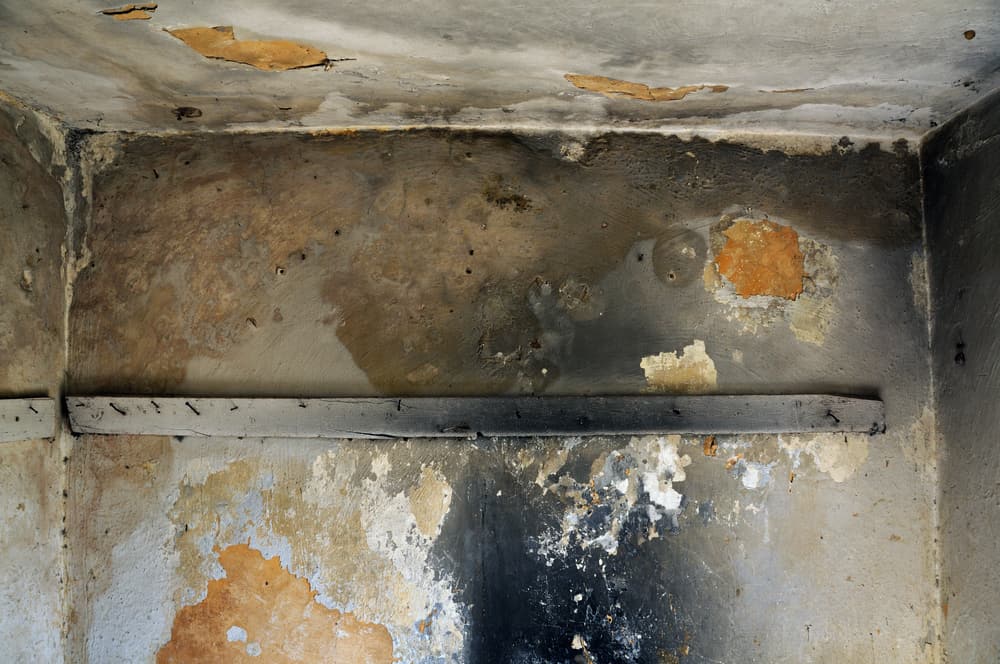
Lynbrook sits on the South Shore of Nassau County, and that geography matters. The water table is relatively shallow, storm drainage infrastructure in many parts of the village is aging, and the vast majority of homes were built between the 1920s and 1960s — long before modern waterproofing membranes, drainage board systems, or vapor barriers were standard. What you’re left with is a concrete block or poured concrete foundation that wasn’t designed to keep water out under today’s conditions.
Add South Shore humidity — which regularly exceeds 70 to 80 percent in summer — and you have an environment where any moisture that gets into a basement creates ideal mold conditions within 24 to 48 hours. The Village of Lynbrook even maintains a formal Storm Water Management Program that formally acknowledges the drainage complexity of the area. That’s not a technicality — it’s a government-level confirmation that water management in this village is a real and ongoing challenge, not an occasional fluke.
Mold removal costs vary depending on the size of the affected area and how far the contamination has spread. Professional remediation generally runs $10 to $25 per square foot for standard areas, and $15 to $30 per square foot for spaces like attics, crawl spaces, and basements — which happen to be the most common problem areas in Lynbrook’s older housing stock.
The more useful number for most Lynbrook homeowners is this: the median home value in the village is approximately $606,000. Research consistently shows that mold issues can reduce a home’s resale value by 20 to 37 percent, and that half of interested buyers walk away once they learn a home had a mold problem. On a $606,000 property, a 20 percent reduction is a potential loss of over $120,000. The cost of professional mold remediation in Lynbrook is a fraction of what an undocumented or improperly handled mold problem can cost you at closing.
Yes — and in Lynbrook’s pre-war housing stock, this is more common than most homeowners expect. Homes built in the 1930s, 1940s, and 1950s typically have original plaster walls over wood lath. When a slow plumbing leak, condensation buildup, or water intrusion event introduces moisture into that wall cavity, mold can grow inside the framing for months or even years before anything appears on the surface. By the time you see discoloration or smell something musty, the problem is usually well established.
That’s why a surface-level visual inspection isn’t sufficient in a home of this age. Our process includes boroscopic wall cavity examination — a method that lets us look inside walls without opening them up — along with air sampling and non-invasive moisture measurement. If there’s active mold growth behind your plaster on a Lynbrook side street, this is how we find it before it spreads further or gets discovered by a buyer’s inspector at the worst possible moment.
It depends on the cause. Most standard homeowners insurance policies in New York will cover mold remediation if the mold resulted from a covered peril — a sudden pipe burst, an appliance failure, storm-related water intrusion. What they typically won’t cover is mold that developed from long-term neglect, a slow leak that went unaddressed, or gradual moisture buildup over time. The distinction matters, and insurance adjusters will look at the documentation carefully.
This is one reason why the inspection documentation we provide is so important. Chain-of-custody lab reports, moisture readings, and a clear scope of work give your insurer a factual record of what happened, when, and where — which strengthens a legitimate claim significantly. We also offer up to $500 toward your insurance deductible through our deductible coverage program, which directly reduces your out-of-pocket cost before the job even begins. No other mold remediation company currently serving Lynbrook offers a comparable program.
In most cases, yes — but it depends on where the mold is located, how extensive the contamination is, and whether anyone in your household is in a higher-risk group. Lynbrook’s population skews older, with nearly 20 percent of residents aged 65 or above. Elderly individuals, young children, and anyone with respiratory conditions or compromised immune systems are more sensitive to mold exposure and airborne spores during the remediation process.
When we set up containment and HEPA filtration, we isolate the work area to prevent cross-contamination to the rest of your home. For smaller, contained situations — a bathroom, a section of a basement — staying in your home is generally reasonable with proper precautions. For larger infestations involving multiple rooms, attic spaces, or significant structural involvement, temporary relocation during active remediation is the safer call. We’ll give you a straight answer about your specific situation during the assessment — not a blanket statement designed to make the job sound simpler or more complex than it actually is.
New York State doesn’t mandate a mold clearance certificate as a legal requirement to close a real estate transaction, but in practice — especially in Lynbrook’s market — it functions like one. If a buyer’s home inspection turns up evidence of mold, or if mold was previously remediated on the property, buyers and their agents will almost always request documentation proving the work was done properly. Without it, deals stall or fall apart entirely.
Lynbrook’s median home value sits around $606,000, which means buyers are making a serious financial commitment and their attorneys and inspectors are thorough. A lab-verified clearance certificate from a NYS-licensed, IICRC-certified remediation company gives buyers’ agents and attorneys something concrete to review — and gives sellers the confidence to move forward without the deal unraveling at the last minute. If you’re listing a Lynbrook property and mold has been an issue at any point, getting proper clearance documentation before you go to market is the move that protects the transaction.
Useful Links
Other Services we provide in Lynbrook