Mold Testing Methods: Professional vs DIY Comparison
Not sure whether to grab a DIY mold test kit or call a professional? Learn what actually works for Nassau County homes and when testing is worth the investment.
Share:
Summary:
You found something that might be mold. Or maybe you didn’t find anything, but that musty smell won’t go away and your allergies are worse at home than anywhere else. Now you’re wondering whether you should grab a $30 test kit from the hardware store or call in a professional.
The answer isn’t as simple as “always hire a pro” or “DIY is good enough.” It depends on what you’re actually trying to find out, what’s at stake, and whether you need results that hold up for insurance claims or real estate transactions. This comparison walks you through both options so you can make the call that’s right for your Nassau County home.
Understanding Mold Test for Home Assessment Options
Before you spend a dollar on any kind of testing, you need to know what you’re buying. Mold testing isn’t like a pregnancy test with a clear yes or no answer. It’s more like checking your cholesterol levelsthe numbers need context, interpretation, and comparison to baselines to mean anything useful.
Here’s what most people don’t realize: mold spores are literally everywhere. Your outdoor air has them. Your indoor air has them. They’re on your clothes right now. The question isn’t whether mold exists in your homeit does. The question is whether you have an active mold problem that’s releasing spores at levels that could affect your health or damage your property.
That’s where testing methods split into two very different paths. DIY kits typically use settling plates or swabs that you send to a lab. Professional testing involves certified technicians with calibrated equipment, moisture meters, infrared cameras, and most importantly, the training to interpret what they find in the context of your specific situation.
How DIY Mold Test Kits Actually Work
Walk into any hardware store and you’ll find mold test kits for $30 to $50. They seem straightforward: expose a petri dish to your indoor air for a set time, seal it up, mail it to a lab, and wait for results. Some kits use swabs for surface testing or tape lifts for visible growth. The lab analyzes what grew or what you collected and sends back a report.
Here’s the problem that Consumer Reports discovered when they tested these kits: they rated every single one as “Not Recommended.” Why? Because settling plates will always show mold growth. You could set one up in an operating room and it would come back positive. Mold spores are constantly floating through the air, and a passive collection method can’t tell you whether you have a problem or just normal background levels.
The bigger issue is what these kits can’t do. They don’t include an outdoor control sample, which means you have no baseline for comparison. If your indoor sample shows 500 spores per cubic meter, is that high or low? Without knowing what’s in your outdoor air, that number is meaningless. The EPA and NIOSH both point out that without this comparison, you can’t interpret the results in relation to health risks.
DIY kits also can’t tell you where mold is growing. You might get a positive result, but that doesn’t help you find the source. Is it behind your bathroom wall? In your HVAC system? Under the kitchen sink? The test won’t say. And if you’re dealing with hidden moldwhich is often the real concerna surface swab or air sample taken from the wrong location will miss it entirely.
There’s also the timing problem. Airborne mold levels change throughout the day based on humidity, air movement, and activity in the home. A one-time sample is a snapshot that might not represent typical conditions. Professional inspectors know this and adjust their sampling strategy accordingly, but DIY kits give you one shot and no context for when that shot was taken.
For insurance claims or real estate transactions, DIY results usually don’t hold up. They lack chain of custody documentation, professional interpretation, and the credibility that adjusters and attorneys look for. You might spend $50 on a kit only to need professional testing anyway when the insurance company asks for proper documentation.
Professional Mold Testing Methods and Technology
Professional mold testing starts before any samples are collected. A certified inspector walks through your Nassau County home looking for conditions that support mold growth: water stains, humidity issues, ventilation problems, past flooding, and areas where moisture accumulates. They’re reading your home’s history and current condition to develop a testing strategy that makes sense.
The equipment matters. Instead of passive settling plates, we use calibrated air pumps that draw exactly 15 liters of air per minute through a spore trap. This controlled volume lets the lab count spores per cubic meter of air with actual accuracy. The samples go to accredited laboratories that follow analytical methods recommended by the American Industrial Hygiene Association and other professional organizations.
But here’s what really separates professional testing: the outdoor control sample. Every legitimate mold air test includes at least one outdoor sample taken the same day under similar conditions. This baseline tells you what’s normal for your location and season. If outdoor air has 800 spores per cubic meter and your basement has 500, you probably don’t have a problem. If outdoor air has 200 and your bedroom has 2,000, that’s a different story.
Professional inspectors also use tools that DIY kits can’t match. Infrared cameras detect temperature differences that indicate moisture behind walls and ceilings. Moisture meters measure the water content in drywall, wood, and insulation without cutting into your walls. These tools find hidden mold that you’d never discover with a surface swab or air sample alone.
The mold inspection includes your HVAC system, which can spread mold throughout your home if contaminated. Professionals check air handlers, ductwork, condensate pans, and filters. They look for the intact spore chains that indicate active nearby growth. They examine crawl spaces, attics, and other areas where homeowners rarely look but mold often thrives.
In New York State, there’s another critical difference: legal compliance. Article 32 of the NY State Labor Law requires mold assessors to be licensed by the Department of Labor. More importantly, the same company cannot perform both testing and remediation. This separation prevents conflicts of interest where a company might overstate mold problems to sell more remediation work. When you hire a professional testing company that doesn’t also do remediation, you get unbiased results.
The reports from professional testing include species identification, concentration levels, interpretation of what the numbers mean for your specific situation, and recommendations for next steps. They document chain of custody, which matters for insurance claims and legal disputes. The 48-72 hour lab turnaround gives you answers quickly when health and property are on the line.
Professional testing also includes clearance testing after remediation is complete. This post-remediation assessment confirms that the work was done properly and spore levels have returned to normal. Under NY State law, containment can’t be removed until a licensed assessor provides clearance confirmation. DIY kits can’t provide this legally required documentation.
When You Actually Need Mold Testing vs When You Don't
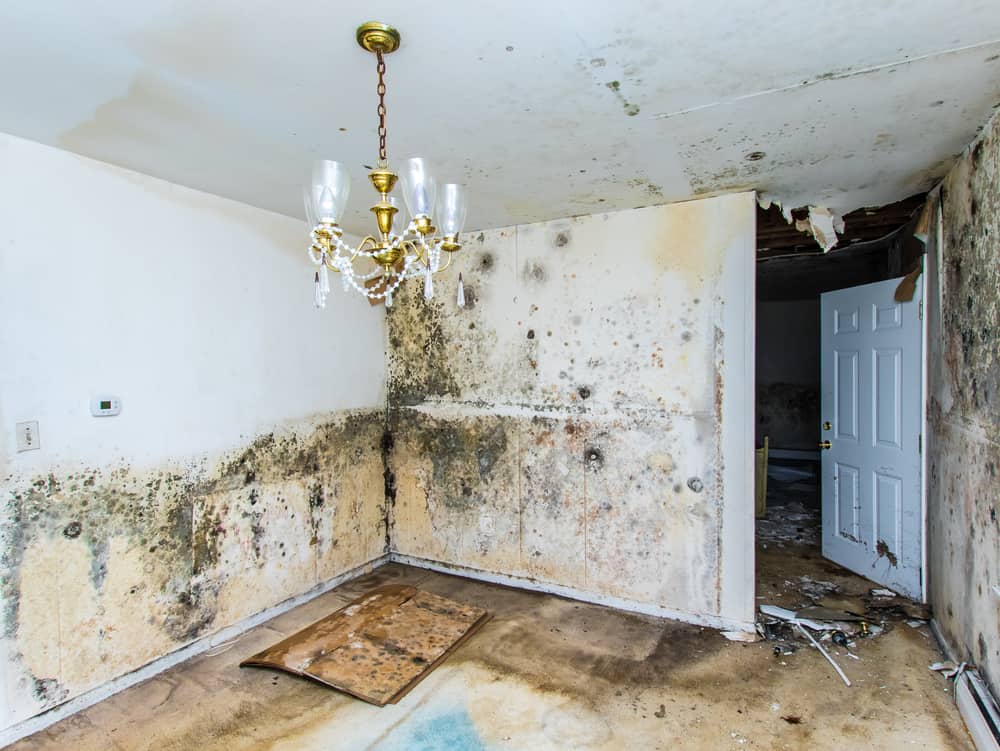
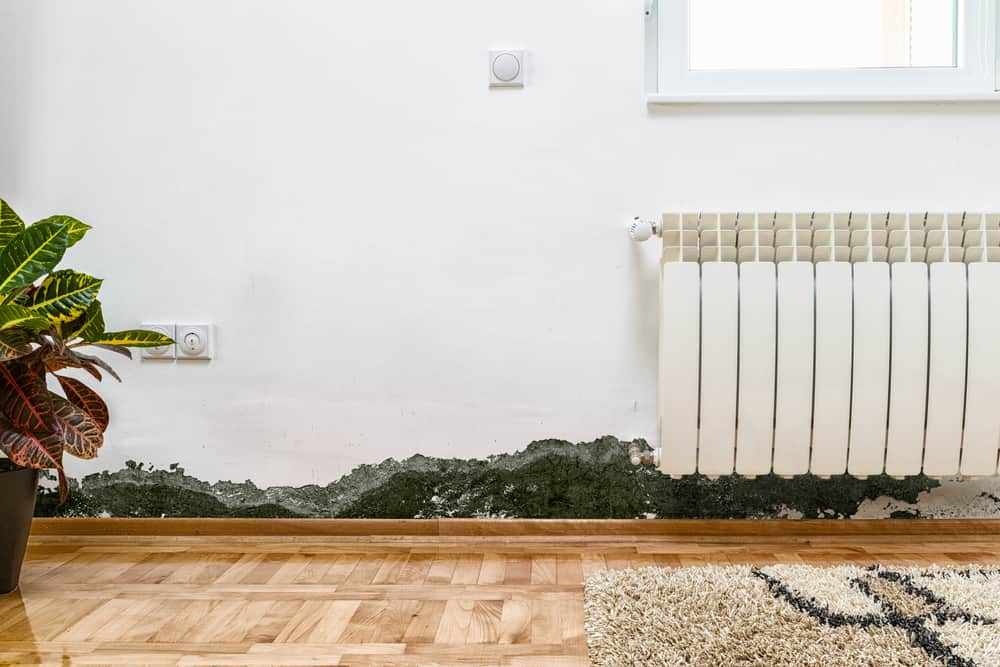
Here’s something that might surprise you: if you can see mold growing on your walls, you don’t need testing. The EPA is clear about thisvisible mold growth means you have a mold problem that needs mold remediation, period. Testing won’t change that fact or tell you anything useful that changes what you need to do next.
Testing makes sense in specific situations. If you smell that musty, earthy odor but can’t find the source, testing can confirm whether you have hidden mold and help locate it. If you’re experiencing health symptomschronic coughing, congestion, headaches, or worsening asthmathat improve when you leave your home, testing can determine whether elevated mold levels are a contributing factor.
Real estate transactions often require testing, especially if the home has a history of water damage or the buyer’s inspector notes conditions that could support mold growth. Insurance claims almost always need professional documentation to prove that mold resulted from a covered peril and not from neglect. Landlord-tenant disputes in Nassau County frequently involve mold testing to establish who’s responsible for the problem.
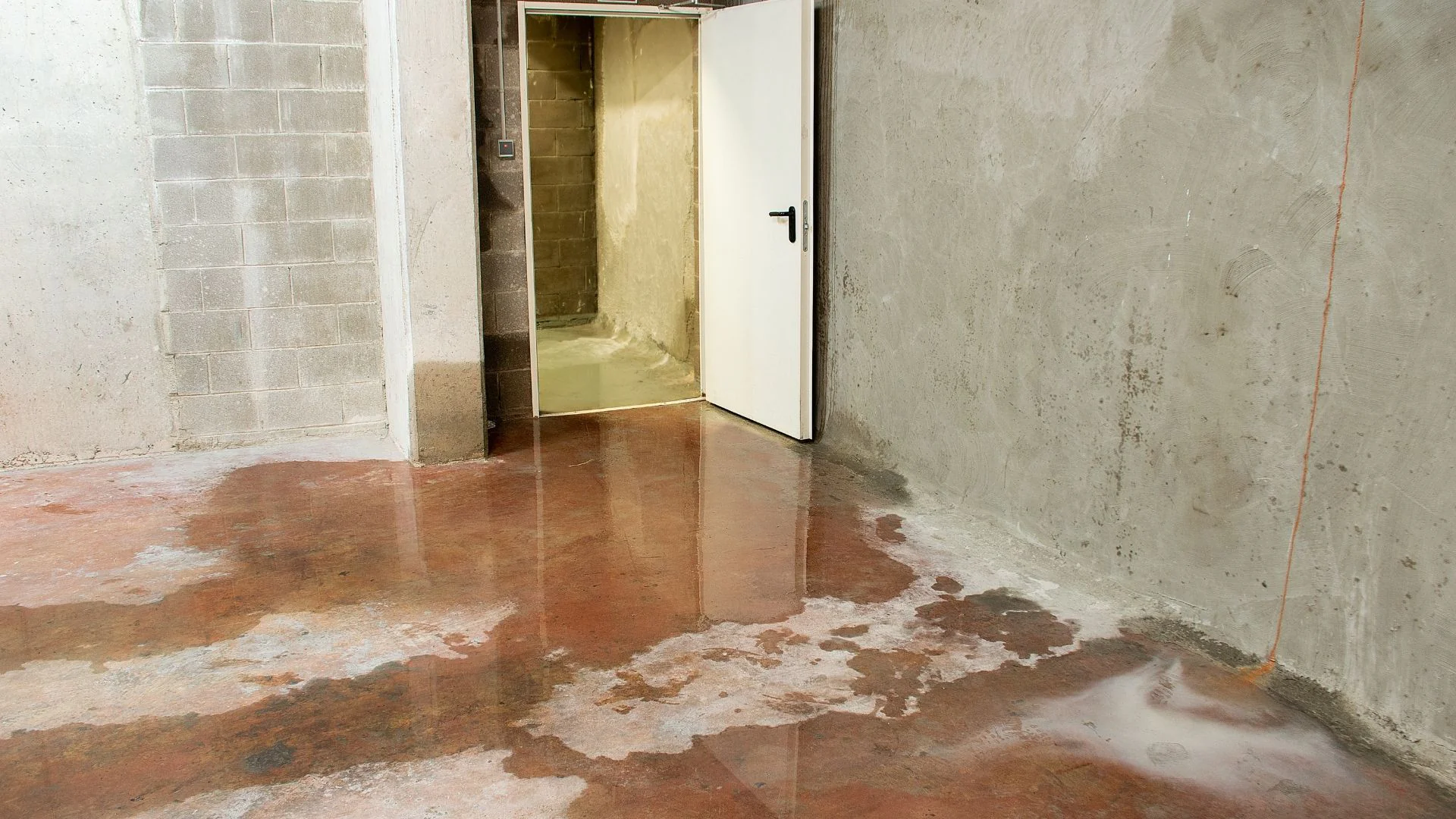
Post-water damage situations call for professional assessment even if you don’t see mold yet. Water from burst pipes, roof leaks, or flooding creates ideal conditions for mold growth within 24 to 48 hours. Testing after remediation confirms the cleanup was successful and protects you from recurring problems.
Mold Air Test Accuracy and Limitations
Air testing for mold isn’t perfect, and understanding its limitations helps you use it appropriately. Even professional air samples are snapshots in time. Mold spore levels fluctuate based on humidity, temperature, air movement, and whether anyone has disturbed surfaces where mold is growing. A sample taken in the morning might show different results than one taken in the afternoon.
The accuracy of air testing depends heavily on where samples are taken and under what conditions. If your HVAC system is running during testing, it might be circulating air from other parts of the house, diluting or concentrating spore levels in the test area. Open windows can bring in outdoor spores unrelated to your indoor environment. Poor ventilation might trap spores in one area, making the problem look worse than it is throughout the home.
This is why experienced professionals don’t rely on air testing alone. They combine it with visual inspection, moisture mapping, and surface sampling to build a complete picture. The InterNACHI standards for mold inspection emphasize that air samples are one tool in the toolbox, not a standalone solution. They’re particularly useful for detecting hidden mold that’s releasing spores into the air but not visible on surfaces.
There’s also the interpretation challenge. No federal health-based standards exist for mold concentrations in indoor air. OSHA, the EPA, and NIOSH haven’t established numerical limits for what’s safe versus dangerous. Labs report spore counts, but those numbers need to be interpreted relative to outdoor levels, the specific species found, and the building’s conditions. This is exactly why professional interpretation matters and why DIY results often create more confusion than clarity.
False negatives are a real risk with air testing. If mold is growing behind a wall or in a closed-off area, air samples from the main living space might not detect it. If the mold isn’t actively releasing spores during the sampling period, levels might appear normal even though a problem exists. This is why moisture detection and visual inspection are often more reliable than air sampling for finding hidden mold.
The lab analysis method also affects accuracy. Non-viable testing counts all spores, dead or alive, which gives you the total exposure picture. Viable testing only counts spores that can still grow, but it costs more, takes longer, and might miss non-viable spores that can still cause allergic reactions. For most residential situations, non-viable testing provides the information you need at a reasonable cost with faster turnaround.
Understanding these limitations doesn’t mean air testing is useless. It means you need to use it appropriately, interpret results in context, and combine it with other assessment methods. Professional inspectors know how to design sampling protocols that account for these variables and produce meaningful results. DIY kits don’t have these built-in quality controls.
Black Mold Test Considerations for Nassau County Homes
The term “black mold” creates a lot of anxiety, but it’s worth understanding what you’re actually dealing with. When people say black mold, they usually mean Stachybotrys chartarum, a species that produces mycotoxins and has been linked to serious health effects. But here’s the thing: not all mold that looks black is Stachybotrys, and not all Stachybotrys is more dangerous than other mold types.
Cladosporium and Aspergillus niger can also appear black or dark green. These species can cause allergic reactions and respiratory issues, but they’re different from Stachybotrys. The only way to know which species you’re dealing with is through laboratory identification, which is why the color alone doesn’t tell you much about actual risk.
Nassau County’s coastal climate creates conditions where Stachybotrys thrives. It grows on materials with high cellulose contentdrywall, wood, ceiling tiles, paperthat have been wet for extended periods. The high humidity from Long Island Sound and the Atlantic Ocean, combined with the county’s aging housing stock and frequent storm events, means many homes have the moisture conditions this mold needs.
Testing specifically for black mold involves the same methods as general mold testing: air samples, surface samples, or both. The lab identifies species and provides concentration levels. What matters more than the species name is whether you have an active mold problem releasing spores into your living space and what’s causing the moisture that supports its growth.
Health symptoms associated with mold exposureregardless of speciesinclude respiratory issues, allergic reactions, headaches, fatigue, and in sensitive individuals, more severe effects. If you’re experiencing these symptoms and suspect mold, professional testing can confirm whether elevated levels exist and help identify the source. But remember, the presence of mold isn’t the only factor. Your individual sensitivity, exposure duration, and overall health all play roles.
For insurance purposes, the species matters because some policies have specific language about toxic mold. Professional testing documentation that identifies Stachybotrys can support claims for health effects and property damage. DIY kits that just say “mold present” don’t provide the species-level identification that insurance adjusters and attorneys need.
Nassau County homeowners should also be aware of the legal requirements around mold assessment and remediation. If testing confirms a significant mold problem, New York State law requires licensed contractors for both assessment and remediation, and they must be separate companies. This protects you from conflicts of interest but means you need to understand which companies can legally do what.
Making the Right Mold Testing Decision for Your Home
The choice between DIY and professional mold testing comes down to what you’re trying to accomplish. If you’re just curious and have no specific concerns, visual inspection and addressing obvious moisture problems makes more sense than any testing. If you need documentation for insurance, real estate, or legal purposes, professional testing is the only option that produces results people will accept.
For Nassau County homeowners dealing with water damage, unexplained health symptoms, or hidden mold concerns, professional testing provides the accuracy, legal compliance, and comprehensive assessment that DIY kits can’t match. The cost difference reflects the difference in what you’re getting: meaningful answers versus numbers that might create more questions.
Understanding New York State’s requirements, the limitations of different testing methods, and when testing actually helps versus when it wastes money puts you in control of the decision. If you’re facing a situation where professional testing makes sense, working with a company that coordinates with independent certified inspectors ensures you get unbiased results that comply with Article 32 requirements.
We’ve been helping Nassau County residents navigate these decisions for over 35 years, coordinating professional mold assessments that provide the answers you need to protect your home and health.
Article details:
- Published by:
- First Response Restoration
- Published to:
- Last modified:
- September 25, 2026
Share:
Continue learning: