Storm Damage Prevention: Hurricane Preparation Guide for Long Island Homeowners
Hurricane season brings real risks to Nassau County homes. This guide covers practical storm damage prevention strategies and preparation steps every Long Island homeowner should take.
Share:
Summary:
You’ve seen the forecasts. You remember Sandy. And every June, when hurricane season officially starts, that familiar knot forms in your stomach. Living in Nassau County means accepting that coastal storms aren’t a question of if, but when. The good news? The homes that weather these storms best aren’t the newest or the most expensive. They’re the ones whose owners took preparation seriously before the first watch was issued. This guide gives you the practical steps you need to protect your property, prepare your family, and know exactly what to do when severe weather heads toward Long Island. Let’s start with what matters most.
Hurricane Preparation Essentials for Long Island Homes
Nassau County sits squarely in a high-risk hurricane zone. Since 1930, 35 hurricanes have been recorded here, and Hurricane Sandy alone caused $150 million in damage to Long Beach. The back bays, shorelines, and even inland neighborhoods face threats from storm surge, flooding, and wind damage every season from June through November.
Preparation isn’t about panic. It’s about having a plan before you need one. The homeowners who recover fastest after a storm aren’t lucky. They’re prepared. And preparation starts weeks before any tropical system appears on the radar.
Emergency Preparedness: Building Your Family Communication Plan
When a hurricane warning hits Nassau County, cell towers get overloaded. Roads flood. Power goes out. And suddenly, the simple act of reaching your family becomes complicated. That’s why your communication plan needs to exist before the emergency does.
Start by designating an out-of-state contact. During local disasters, it’s often easier to call out of state than within the affected area. Every family member should have this person’s number memorized and saved in their phone. Choose someone who won’t be impacted by the same weather system.
Next, establish a physical meeting point. If your home becomes unsafe and family members are separated, where do you go? Pick a specific location everyone knows. Not just “the high school,” but “the main entrance of the high school on Hempstead Avenue.” Specificity matters when stress is high.
Register for AlertNassau, the county’s emergency notification system. Nassau OEM uses this to send real-time updates about evacuation orders, shelter locations, and storm progress. You can’t make good decisions without good information, and waiting until a storm approaches to sign up means you might miss critical alerts.
Document your plan in writing. Include emergency contacts, meeting locations, evacuation routes, and what each family member is responsible for grabbing if you need to leave quickly. Keep copies in your emergency kit, your car, and your phone. Review it twice a year. Plans only work when people remember them.
What to Include in Your Hurricane Emergency Supply Kit
The official recommendation is five days of supplies. That’s not arbitrary. After major storms, it can take that long for roads to clear, stores to reopen, and services to resume. Your emergency kit needs to sustain your household without outside help for nearly a week.
Water comes first. One gallon per person per day, minimum. That’s for drinking and basic sanitation. A family of four needs 20 gallons for five days. Store it in clean plastic containers, not milk jugs that can break down. Label them with the date and replace every six months.
Food should be non-perishable and require no cooking. Power outages are standard after hurricanes. Stock canned goods, granola bars, peanut butter, crackers, and dried fruit. Don’t forget a manual can opener. Include any special dietary needs for infants, elderly family members, or those with medical conditions.
Your kit also needs a battery-powered or hand-crank radio with NOAA Weather Radio capability. When your phone dies and the power’s out, this becomes your link to emergency broadcasts. Pack extra batteries for everything. Flashlights, radios, and any medical devices that need them.
First aid supplies matter more than most people realize. Include bandages, antiseptic, pain relievers, prescription medications (at least a week’s worth), and any medical equipment your family depends on. If someone uses a CPAP machine or nebulizer, have a backup power solution ready.
Cash is critical. ATMs don’t work without power, and many businesses can only accept cash after storms. Keep at least $200 in small bills in your emergency kit. Add copies of important documents in waterproof containers: insurance policies, identification, bank account information, property deeds, and medical records.
Don’t forget your pets. They need food, water, medications, carriers, and leashes. Many public shelters don’t accept animals, so know in advance where you can take them if you evacuate.
Storm Damage Cleanup: Protecting Your Property Before Impact
The work you do before a storm determines how much damage you’ll face after it passes. This isn’t about luck. It’s about eliminating vulnerabilities that turn moderate storms into major disasters. Walk your property with a critical eye and address these issues now, not when a hurricane watch is issued.
Your roof is your home’s first line of defense. Missing or damaged shingles create entry points for wind and water. Schedule an annual inspection, especially if your roof is five years or older. Small repairs now prevent catastrophic damage later.
Securing Windows, Doors, and Outdoor Items
Windows and doors are where most homes fail during hurricanes. Wind doesn’t just push against them. It finds small gaps and uses pressure differentials to rip them open. Once that happens, your roof is at serious risk.
If you’re in a high-risk zone, install permanent storm shutters or keep plywood cut to size for each window. The plywood should be 5/8-inch thick, properly secured with bolts, not nails. Taping windows does nothing to prevent breakage. It’s a myth that needs to die.
Check all door seals and weatherstripping. Replace anything that’s cracked or loose. Garage doors are particularly vulnerable. High winds can blow them in, and once that happens, the pressure inside your home can lift your roof off. Consider reinforcing garage doors with bracing kits designed for hurricane protection.
Walk your yard and identify everything that could become a projectile. Patio furniture, grills, potted plants, trash cans, lawn decorations, and children’s toys all turn into dangerous flying objects in high winds. Secure them in your garage or shed, or anchor them properly. Lightweight items should come inside.
Tree maintenance is non-negotiable on Long Island. Dead or dying branches become battering rams during storms. Trim trees regularly, especially any limbs hanging over your roof, power lines, or your neighbor’s property. If you have trees in questionable condition, consult an arborist. The cost of removal is far less than the cost of the damage a fallen tree causes.
Fence posts often get forgotten. Give each one a shake. Loose posts need to be reset before a storm, not after they’ve damaged your property or someone else’s.
Drainage, Gutters, and Water Management Strategies
Nassau County’s storm risk isn’t just about wind. Flooding from storm surge, heavy rain, and poor drainage causes massive damage. Nine out of ten hurricane deaths are water-related, and the same principle applies to property damage. Managing water flow around your home is critical storm damage prevention.
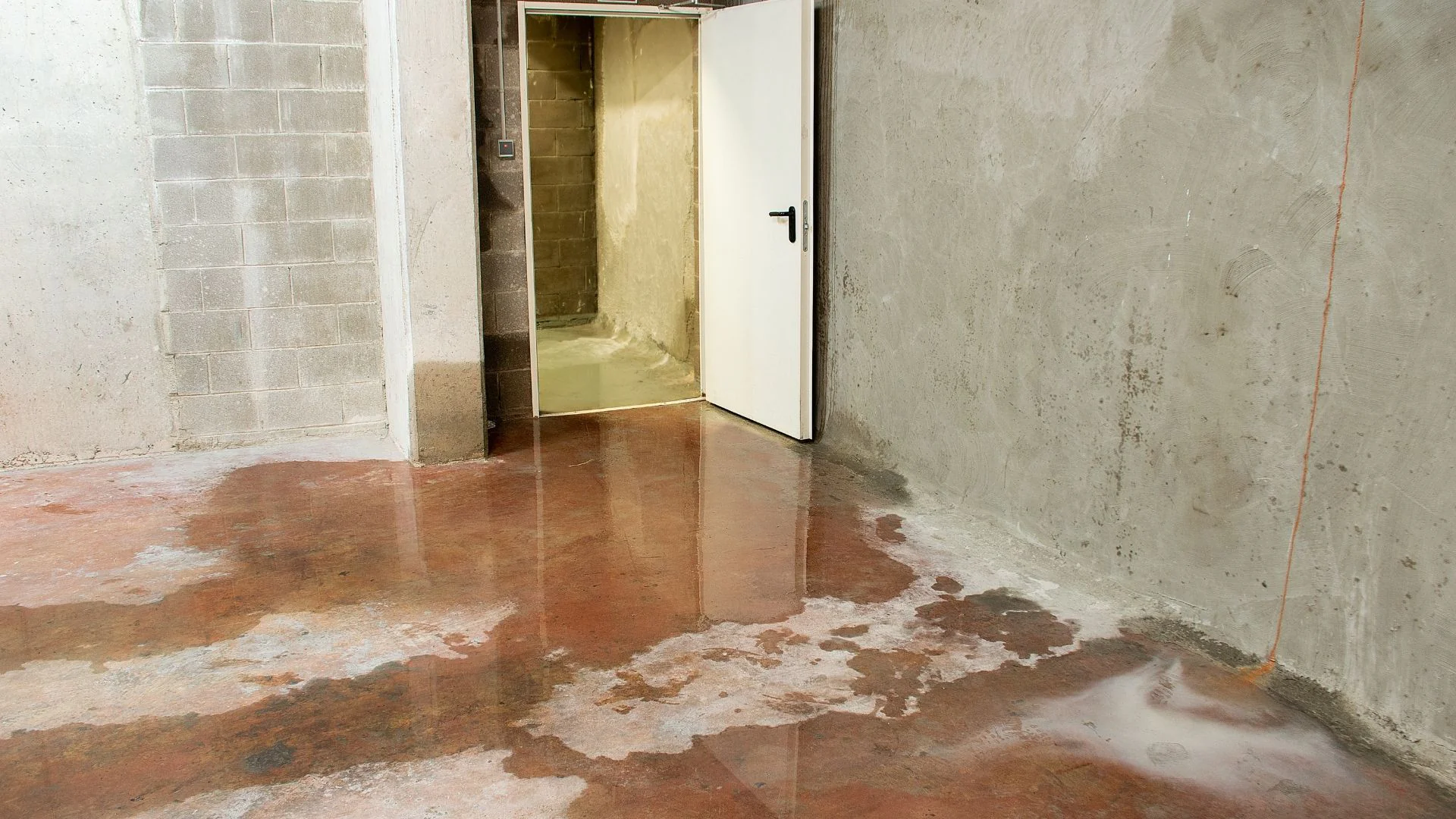
Clean your gutters and downspouts at least twice a year, more if you have trees nearby. Clogged gutters cause water to overflow and pool around your foundation. That leads to basement flooding, foundation damage, and water intrusion into your walls. It’s one of the most common and most preventable sources of storm damage.
Make sure downspouts direct water at least five feet away from your foundation. Extensions are cheap and easy to install. Check the grading around your home. The ground should slope away from your foundation, not toward it. If you see standing water after normal rainstorms, you have a drainage problem that will become a disaster during a hurricane.
Inspect your sump pump if you have one. Test it before storm season by pouring water into the sump pit and making sure it activates and pumps properly. Consider a battery backup system. When the power goes out during a storm, your sump pump stops working precisely when you need it most.
Clear any storm drains near your property. Leaves, debris, and trash block these drains and cause street flooding that can back up into your home. It takes five minutes and can save you thousands in damage.
Review your insurance policy now. Most homeowners insurance does not cover flood damage. If you’re in a flood-prone area, you need separate flood insurance, and it typically takes 30 days to go into effect. Don’t wait until a storm is approaching. Understand what your policy covers, what your deductibles are, and what documentation you’ll need if you have to file a claim.
When to Call Professional Storm Damage Restoration Services
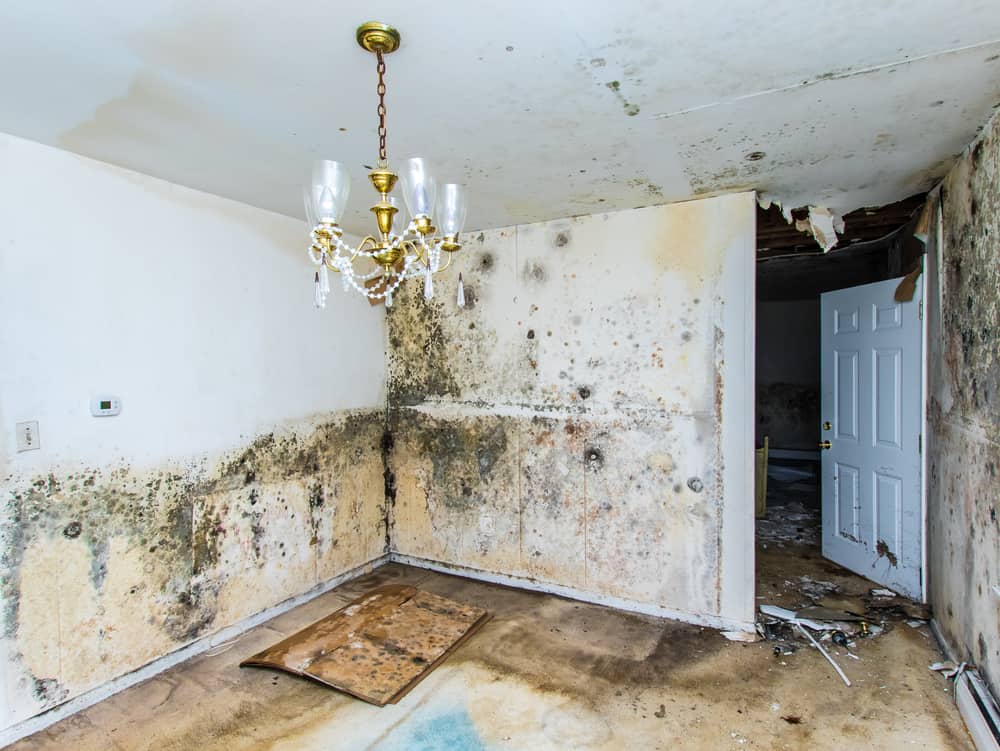
Even with perfect preparation, storms can overwhelm your defenses. When that happens, the speed of your response determines the extent of the damage. Professional water damage restoration within the first 24 hours can save you $5,000 to $15,000 in mold remediation costs down the line. Time matters.
Call a professional restoration company immediately if you experience roof damage that’s letting water in, flooding that you can’t control with household equipment, visible mold growth, structural damage to walls or ceilings, or sewage backups. These aren’t DIY situations. They require specialized equipment, training, and fast action to prevent escalating damage.
The right restoration company does more than clean up. We document everything for your insurance claim, use moisture meters and infrared imaging to find hidden water damage, and follow proper protocols to prevent mold growth. We understand the difference between surface drying and structural drying. That expertise is what separates minor repairs from major reconstruction projects.
At First Response Restoration and Cleaning Inc., we’ve been responding to storm emergencies in Nassau County and Suffolk County since 1991. Our certified technicians provide complete restoration services, work directly with insurance companies, and understand exactly what Long Island homes face during hurricane season. When severe weather damages your property, fast professional help isn’t a luxury. It’s the difference between getting your life back quickly and dealing with problems for months.
Article details:
- Published by:
- First Response Restoration
- Published to:
- Last modified:
- October 1, 2026
Share:
Continue learning: