Why Professional Mold Cleaning Beats DIY
DIY mold cleaning often makes the problem worse. Professional mold specialists use advanced equipment and techniques that address the root causenot just surface stains.
Share:

Summary:
You found mold. Maybe it’s a dark patch creeping up the bathroom wall, or that musty smell in the basement that won’t quit. Your first instinct might be to grab some bleach and handle it yourself. After all, how hard can it be?
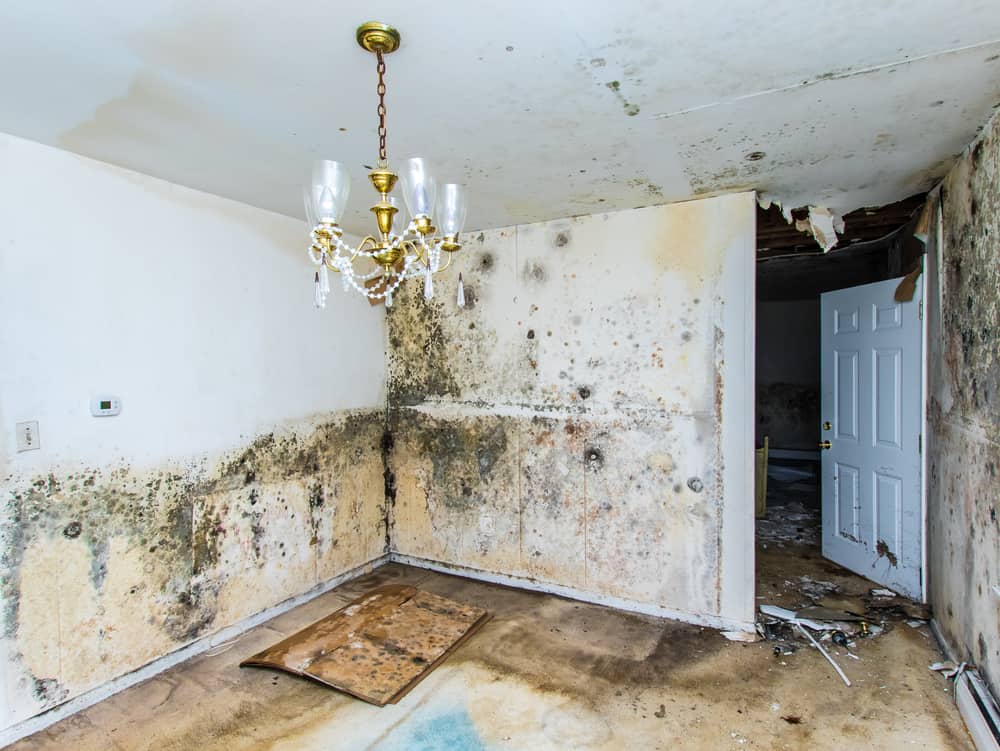
Here’s the thing: mold doesn’t work the way most people think. What you see on the surface is rarely the whole problem. And the wrong approach doesn’t just waste your timeit can spread spores throughout your home, put your family’s health at risk, and cost you thousands more down the road.
This isn’t about scaring you. It’s about helping you understand what actually works when it comes to mold cleaning, and why professional help isn’t just recommendedit’s often the only real solution. Let’s start with what makes professional mold removal different from the DIY route.
What Professional Mold Specialists Actually Do Differently
A professional mold specialist doesn’t just show up with better cleaning products. We bring a completely different approach to the problem.
First, we find what you can’t see. Our certified technicians use infrared imaging and moisture meters to detect mold hiding behind walls, under flooring, and inside HVAC systems. That visible patch in your bathroom? Often just a symptom of a much bigger issue lurking where you can’t reach it.
Second, we understand mold biology. Different mold species require different treatment approaches. We send samples to accredited laboratories for analysis, getting results back in 48-72 hours that identify exactly what type of mold you’re dealing with. This isn’t guessworkit’s science-backed strategy.
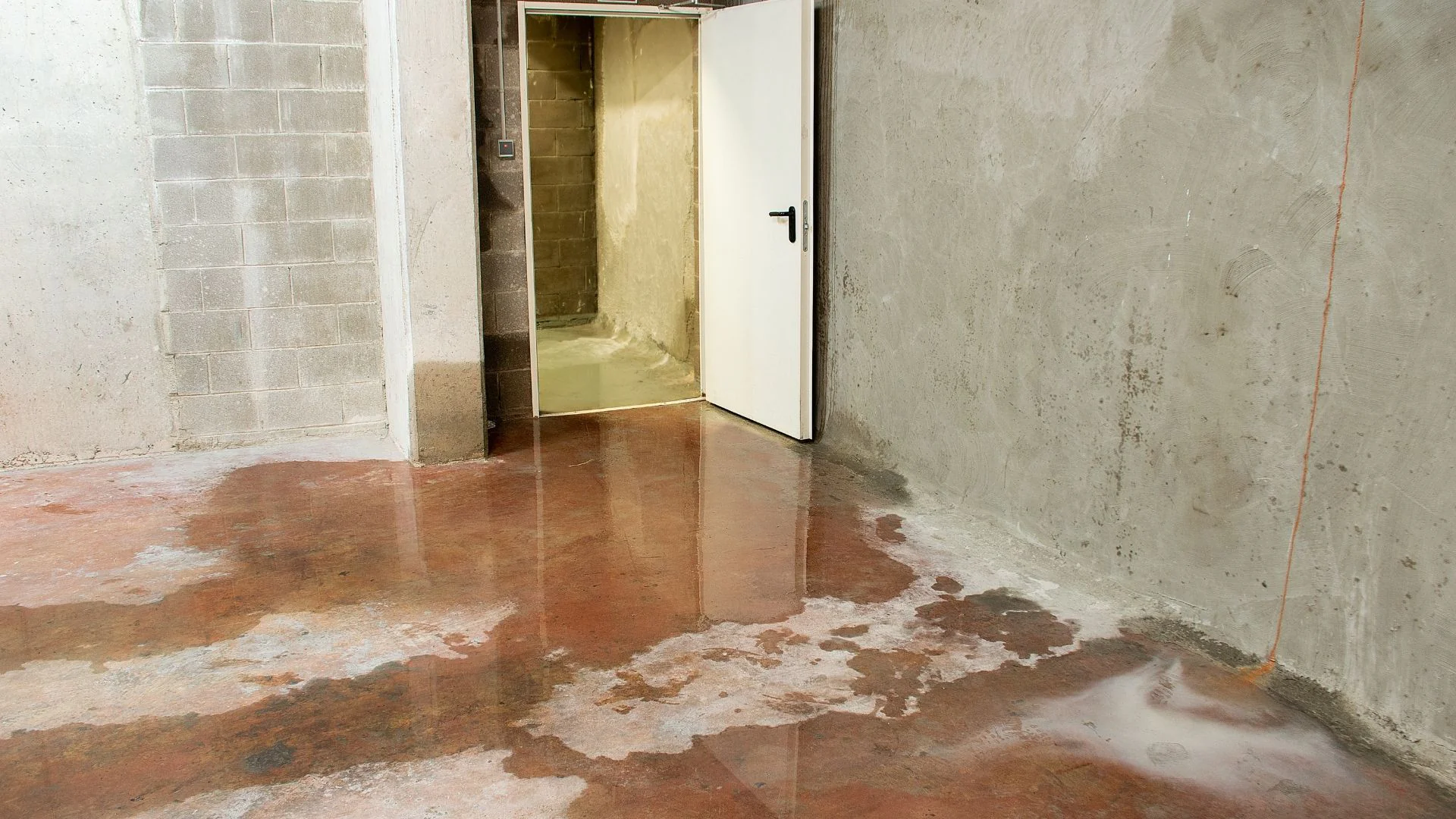
Third, we address the source. Mold grows because of moisture. Real mold specialists don’t just clean the surfacewe track down the leak, the condensation problem, or the ventilation issue feeding the growth. Without fixing that, you’re just buying time before it comes back.
How Certified Technicians Handle Mold Treatment From Start to Finish
Professional mold treatment follows a specific protocol that protects both your property and your health. It starts with containment.
Before removing anything, our technicians seal off the affected area with plastic sheeting and negative air pressure systems. This keeps mold spores from floating into clean rooms when surfaces get disturbed. HEPA-filtered air scrubbers run continuously, capturing microscopic particles that would otherwise spread through your ventilation system.
The actual removal process depends on what’s contaminated. Non-porous surfaces like tile can be cleaned and disinfected. But porous materialsdrywall, insulation, carpetoften need complete removal if mold has penetrated deep. We know which materials can be saved and which pose ongoing risks.
After physical removal comes antimicrobial treatment. EPA-approved solutions that aren’t available to the general public get applied to affected areas, killing remaining spores and preventing regrowth. This step matters more than most people realize. Skip it, and you’re almost guaranteed to see mold return within months.
Finally, there’s verification testing. Post-remediation air quality samples confirm that spore counts have dropped to safe levels before the job is considered complete. You get documentation proving the work was done rightcrucial for insurance claims and real estate transactions.
This entire process typically takes professionals a fraction of the time a homeowner would spend struggling with inadequate tools and methods. More importantly, it actually works.
The Equipment Gap: Why Professional Tools Matter for Mold Cleaning
Walk into any hardware store and you’ll find mold cleaning products. What you won’t find is the equipment that actually makes mold removal effective.
HEPA air scrubbers capture 99.97% of airborne particles down to 0.3 micronssmaller than most mold spores. These machines filter hundreds of cubic feet of air per minute, creating negative pressure that prevents contaminated air from escaping the work area. A box fan and some plastic sheeting can’t replicate that level of containment.
Negative air machines work alongside air scrubbers to maintain proper pressure differentials. This ensures air flows into the contaminated space, not out of it. Without this setup, disturbing mold during cleaning just spreads spores to every room in your house through normal air circulation.
Moisture detection equipment finds hidden water sources feeding mold growth. Infrared cameras reveal temperature differences indicating moisture behind walls. Pin-type and pinless moisture meters measure water content in building materials without causing damage. These tools identify problems you’d never spot visually.
Professional-grade antimicrobial treatments penetrate porous surfaces in ways consumer products can’t. They’re formulated specifically for mold remediation, not general household cleaning. The difference in effectiveness is substantial.
Then there’s protective equipment. Full-face respirators with P100 filters, Tyvek suits, and nitrile gloves protect workers from exposure during removal. Most homeowners attempting DIY mold cleaning wear inadequate protectionif any. That’s a health risk you shouldn’t take.
The equipment investment for proper mold remediation runs into thousands of dollars. Professionals amortize that cost across hundreds of jobs. For a one-time problem in your home, renting or buying this equipment makes no financial senseespecially when improper use can make things worse.
Why DIY Mold Cleaning Usually Fails in Nassau County, NY
Most DIY mold cleaning attempts follow the same pattern: spot the mold, spray it with bleach or vinegar, scrub it away, and call it done. Within weeks or months, the mold returnsoften worse than before.
The problem isn’t effort. It’s approach. Household cleaners only address surface-level growth. Bleach might lighten stains on non-porous surfaces, but it doesn’t penetrate drywall, wood, or other porous materials where mold roots itself. The visible part disappears while the underlying colony continues spreading.
Nassau County’s coastal humidity makes this even worse. The moisture that caused your mold problem isn’t going anywhere. Without proper mold inspection and moisture control, you’re fighting a battle you can’t win.
Worse, disturbing mold without proper containment releases millions of spores into your home’s air. They settle in new locations, start new colonies, and turn a localized problem into a whole-house issue. Every time you scrub without containment and filtration, you’re essentially planting mold seeds throughout your property.
Health Risks When You Handle Mold Removal Yourself
Mold exposure during DIY cleaning isn’t just unpleasantit’s potentially dangerous, especially if you’re dealing with larger areas or toxic species.
Respiratory symptoms hit first. Coughing, wheezing, chest tightness, and shortness of breath can develop within hours of disturbing mold without proper protection. People with asthma or allergies experience more severe reactions, sometimes requiring medical attention.
Skin and eye irritation comes from direct contact and airborne spores. Rashes, itching, redness, and watery eyes are common complaints after DIY mold removal attempts. These symptoms can persist for days or weeks depending on exposure levels.
Some mold species produce mycotoxinstoxic compounds that cause serious health effects beyond basic allergic reactions. Stachybotrys, often called “black mold,” is the most notorious example. Prolonged exposure can lead to chronic fatigue, headaches, sinus infections, and neurological symptoms.
Children, elderly individuals, and anyone with compromised immune systems face heightened risks. What might cause mild discomfort in a healthy adult can trigger severe reactions in vulnerable populations.
The EPA recommends professional intervention for any mold growth exceeding 10 square feetroughly a three-by-three-foot area. But even smaller patches warrant professional help if they’re in HVAC systems, behind walls, or involve materials you can’t easily remove and replace.
Here’s what most people don’t consider: you can’t see spore concentrations in the air. You might feel fine during cleanup, but you’re inhaling dangerous levels of mold particles. Symptoms sometimes don’t appear until hours or days later, making it hard to connect health problems with the exposure that caused them.
Professional mold specialists wear full protective equipmentrespirators, suits, glovesbecause we understand the risks. If the situation requires that level of protection for trained professionals, what makes you think a dust mask and rubber gloves will keep you safe?
The Hidden Costs of DIY Mold Cleaning That Add Up Fast
DIY mold cleaning looks cheaper on the surface. You buy some cleaning supplies, maybe rent a dehumidifier, and invest a weekend. Total cost: a few hundred dollars instead of hiring professionals.
Then the mold comes back. Because you didn’t address the moisture source, didn’t remove contaminated materials properly, and didn’t use effective mold treatment methods. Now you’re repeating the process every few months, buying more supplies, spending more time. Those costs accumulate quickly.
Meanwhile, hidden mold continues spreading. What started as a bathroom problem migrates to adjacent rooms through wall cavities and ductwork. By the time you realize DIY isn’t working, you’re facing remediation costs several times higher than if you’d called professionals initially.
Property damage compounds the expense. Mold weakens drywall, rots wooden framing, and destroys insulation. The longer it grows unchecked, the more structural repairs you’ll need. A professional mold cleaning job can balloon into major restoration work if you delay proper treatment.
Health costs matter too. Recurring respiratory infections, allergy medications, missed work daysthese expenses rarely get factored into DIY calculations. Some homeowners end up with chronic health issues requiring ongoing medical care, all from mold exposure during inadequate removal attempts.
Insurance complications create another financial headache. Many policies cover mold remediation if it results from a covered event like a burst pipe. But if you attempt DIY removal first, you might void that coverage. Insurance adjusters look for documentation of professional remediation following industry standards. Your weekend project doesn’t qualify.
Real estate transactions suffer when mold history isn’t properly documented. Buyers request professional mold testing and inspections. If they find evidence of mold or improper remediation, they’ll demand price reductions or walk away entirely. Professional remediation with proper documentation protects your property value in ways DIY never can.
Nassau County, NY’s humid climate makes these problems worse. The moisture that caused your initial mold growth isn’t going away. Without professional assessment identifying and fixing the root cause, you’re fighting a battle you can’t win. The mold will keep coming back, and each return costs you more money, time, and peace of mind.
Making the Right Choice for Mold Restoration in Your Nassau County Home
Mold problems don’t get better on their own. The longer you wait, the worse they become. The more you try to handle it yourself without proper equipment and training, the more you risk spreading the problem and exposing your family to health hazards.
Professional mold cleaning isn’t about paying someone to do something you could do yourself. It’s about getting results that actually last. It’s about protecting your home’s structural integrity, your family’s health, and your property value. It’s about complete mold restorationfixing the problem once instead of fighting the same battle every few months.
We’ve spent 35+ years helping Nassau County, NY homeowners deal with mold the right way. Certified technicians, professional equipment, complete documentation, and service that addresses root causesnot just symptoms. If you’re dealing with mold, or suspect you might be, that’s the kind of help worth having.
Article details:
- Published by:
- First Response Restoration
- Published to:
- Last modified:
- October 1, 2026
Share:
Continue learning: